Tanzania
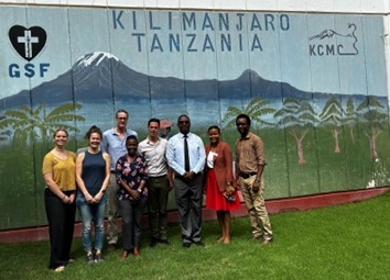
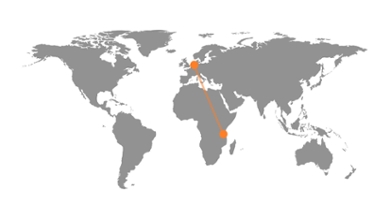
This is an Erasmus+ International Credit Mobility project of Leiden University’s Faculty of Medicine with Kilimanjaro Christian Medical Center in Tanzania.
Types of mobility:
|
Project duration:
|

"It has been a wonderful experience and very memorable to me. I’m forever grateful."
Paulina Mloka, student at KCMC
"I greatly value the time I spent at LUMC."
Furaha Kasyupa, student at KCMC
"I am truly grateful for this opportunity, as it has greatly enriched my knowledge, skills, and overall capacity to contribute to my work at KCMC Hospital under the Good Samaritan Foundation."
Denis Mero, student at KCMC
"It was a wonderful experience. The mobility was very useful and helpful, we achieved a lot in only a short time."
Joanne Verweij, teacher at Leiden University
About the project
With support from Erasmus+, both universities have built a strong and productive academic partnership.
KCMC trainees and staff have been hosted at LUMC, including three PhD candidates, three Master students, and one senior KCMC staff member. The latter, Dr. Jeremia Pyuza, now serves as Scientific Lead of the KCMC-LUMC strategic collaboration, acting as a key cultural and academic bridge for Dutch students working in Tanzania. Together with a dedicated LUMC-KCMC team, Dr. Pyuza has coordinated and delivered training for more than 48 LUMC students in Global Health and Infectious Disease programmes in Tanzania.
Project impact
The impact of these mobilities has been clearly bidirectional:
- For LUMC students, placements at KCMC provide first-hand exposure to resource-constrained health systems, strengthening clinical reasoning, diagnostic stewardship, teamwork, and ethical decision-making. Global health mobility is well documented to improve cultural competence, collaborative skills, and clinical adaptability, while also deepening appreciation of health-system efficiency and equity (Jeffrey et al., 2011; Thompson et al., 2016). Students returning from Tanzania consistently demonstrate enhanced problem-solving capacity and a more responsible, context-aware approach to the use of medical technologies.
- For LUMC classrooms, the presence of Tanzanian Bachelor’s and postgraduate students enriches the learning environment, increasing engagement, creativity, and the quality of discussion. Educational research shows that diverse learning groups outperform homogeneous groups in analytical reasoning and innovation (Page, 2007; Freeman et al., 2014).
- For KCMC and the Tanzanian health system, mobility has generated direct, measurable clinical benefit. PhD trainees returning from LUMC bring advanced clinical and laboratory skills that are otherwise unavailable locally.
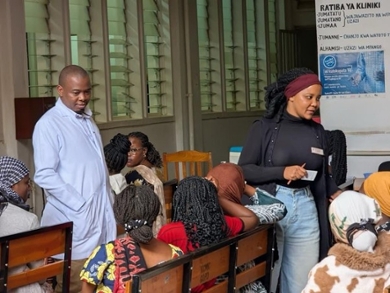
A concrete example is the 2024 placement of a KCMC PhD candidate and obstetrician-gynecologist at the LUMC Department of Obstetrics and Fetal Medicine, where she received hands-on training in Rhesus disease management, fetal surveillance, and referral-based maternal-fetal care. Since her return, KCMC has become a recognized referral center for complicated Rh-negative pregnancies in Northern Tanzania, as the hospital now has both specialist expertise and a strong international clinical network, contributing to improved maternal and neonatal outcomes.
2nd International Alloimmune Conference
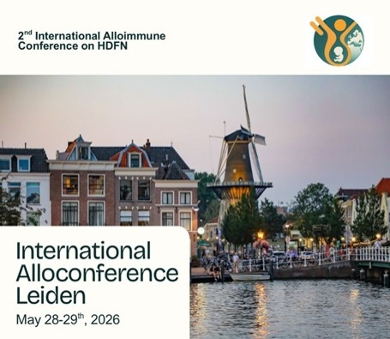
The LUMC, Sanquin, WIRhE Foundation (Worldwide Initiative for Rh Disease Eradication) and AFRICARhE are organizing the 2nd International Alloimmune Conference on Hemolytic Disease of the Fetus and Newborn in collaboration with International Society of Blood Transfusion (ISBT).
This meeting will bring together clinicians, researchers, patients and policymakers to discuss the latest science, clinical practice and global challenges in alloimmune diseases of pregnancy. The semi-final programme is now online, and registration is open. Visit the website for details.
ICM funding allows for the participation of Ethiopian and Tanzanian partners, which is especially useful on the first day of the conference about findings solutions for the global shortage of anti-D. We will also use their time in the Netherlands to organize personal trainings and clinical observerships.
Two perspectives, one goal: Examining the immune system in a PhD collaboration
The joint PhD project of Marloes van Dorst and Jeremia Pyuza brought together two researchers with different backgrounds, training, and approaches to doing science. Jeremia’s PhD trajectory was supported by LUMC Global and Erasmus+ ICM.
What happens when a Dutch scientist and a Tanzanian physician join forces? Supervisor Maria Yazdanbakhsh recognized early on that combining these perspectives could strengthen a shared research project. In reflecting on their collaboration, Marloes and Jeremia describe how much they learned about each other’s cultures, their own disciplines, and themselves.
Read more about Marloes's and Jeremia's experiences
'The immune divide' – Dr. Jeremia Pyuza's PhD journey
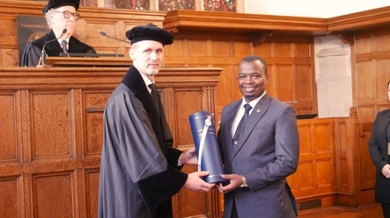
On 25 November 2025, Dr. Jeremia Pyuza successfully defended and completed his PhD in Immunology and Vaccinology at the LUMC, supervised by Prof. Dr. Maria Yazdanbakhsh and Prof. Dr. Pancras Hogendoorn with Dr. Simon Jochems as co-supervisor. During his PhD journey, Erasmus+ provided support to advance and formalize the collaboration between LUMC, KCMC Hospital, and KCMC University, laying the foundation for a framework in which supervisors and PhD students from both institutions can jointly advance scientific discovery.
- LinkedIn: Congratulations to Jeremia Pyuza on completing his PhD
- Thesis: "The immune divide: Factors influencing immune variation and differences in vaccine responses"
Interview with candidate Paulina Mloka
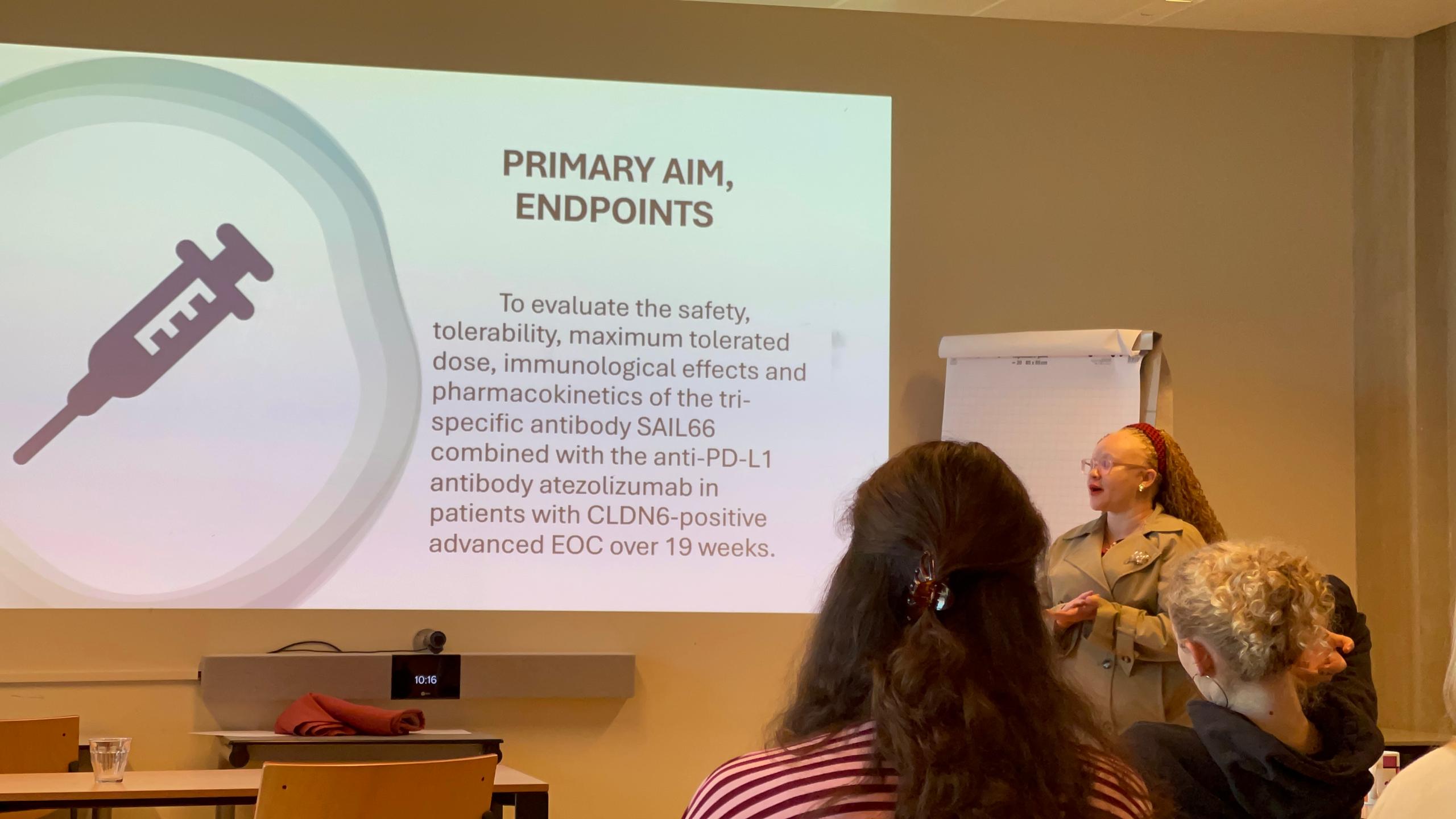
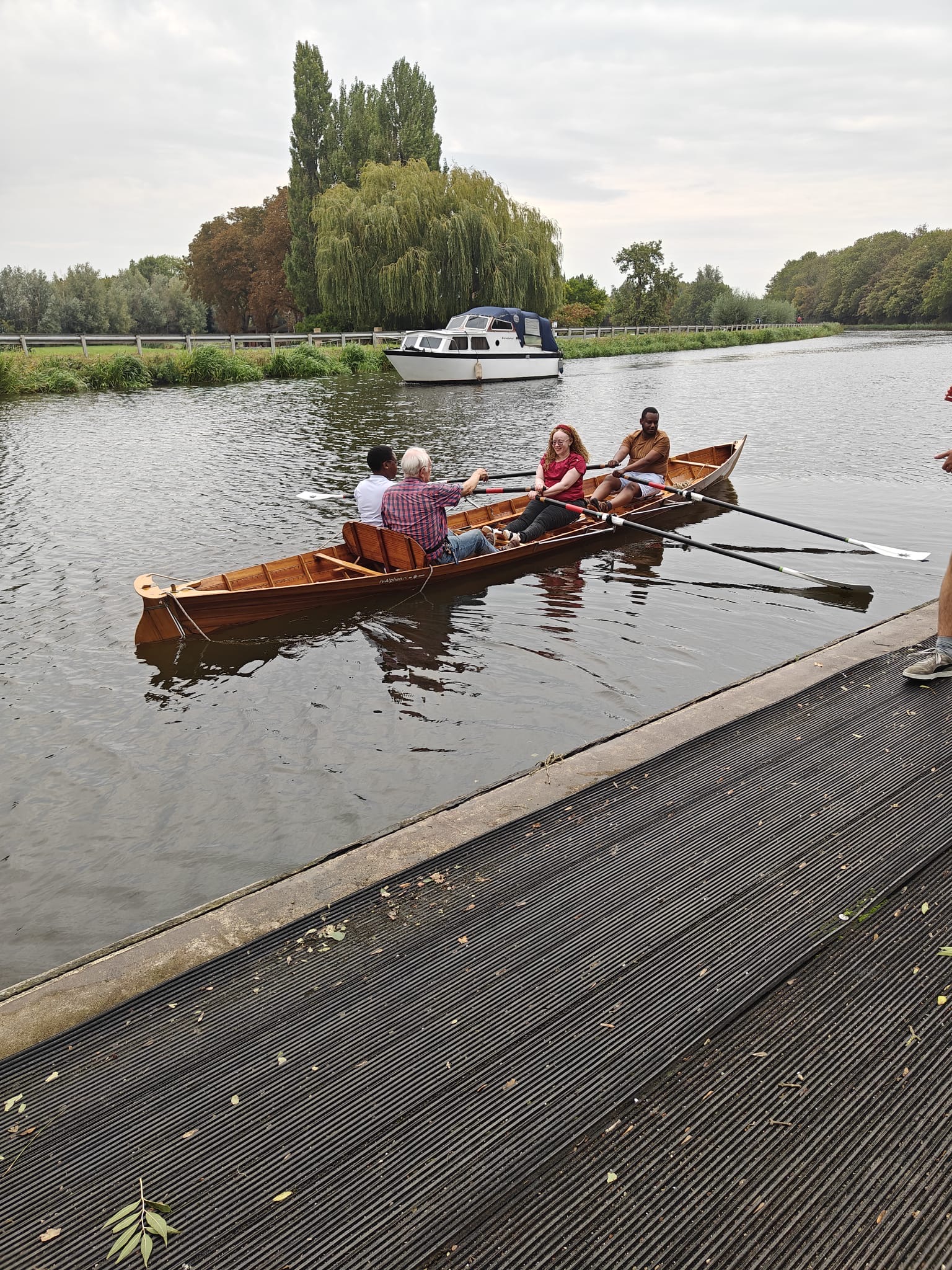
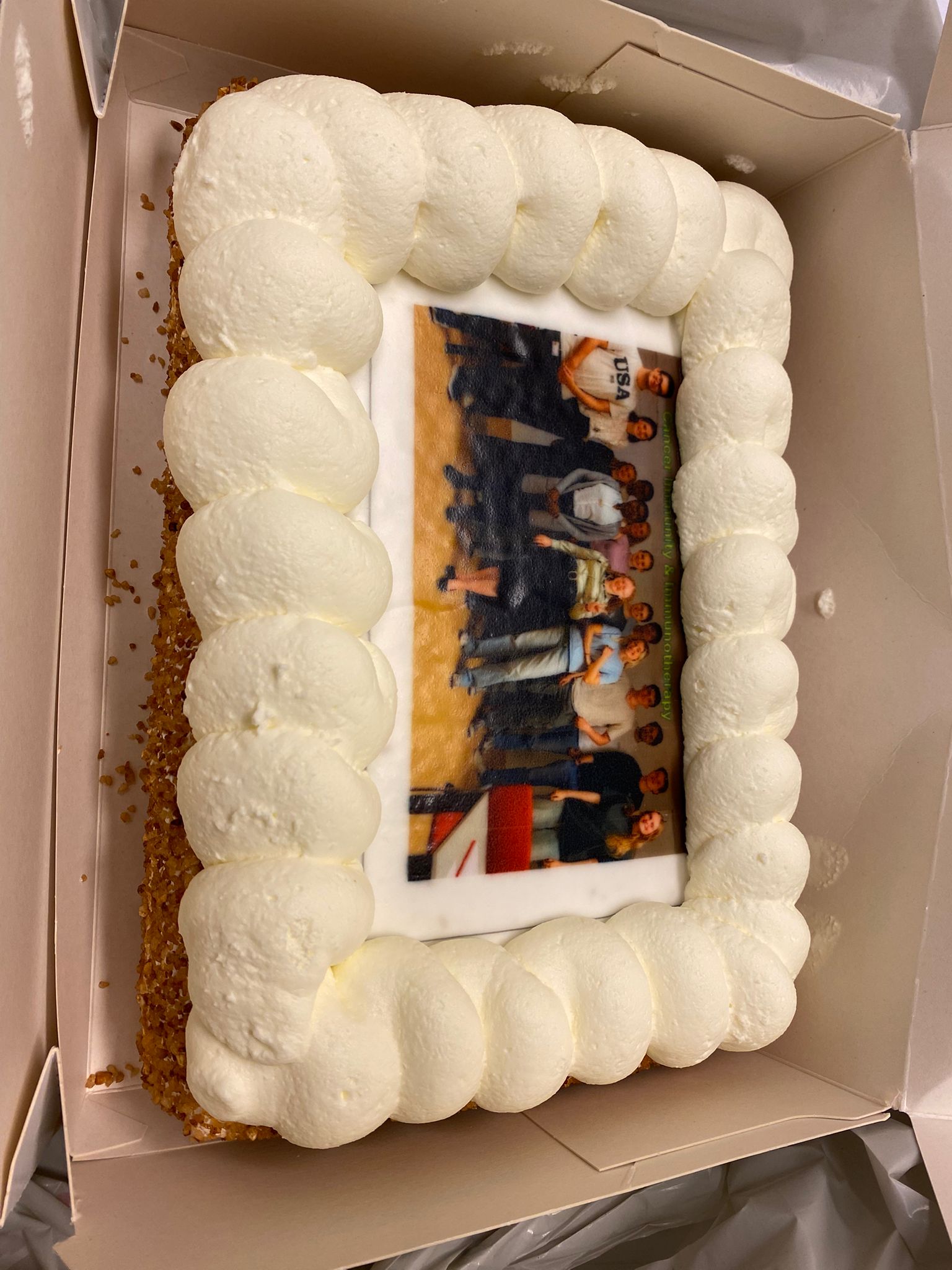
Paulina Mloka received an Erasmus+ ICM grant for her half-minor in Cancer Immunity and Immunotherapy at the LUMC. In this interview she talks about her time in Leiden in Fall 2025: "It was a deeply enriching experience."
Read more about Paulina's experience
Who are you and where are you from?
"My name is Paulina H. Mloka, a 31-year-old medical doctor from Tanzania. I am currently a third-year resident in Paediatrics and Child Health, with a strong academic and clinical interest in neonatal and pediatric subspecialties."
At which faculty and on which topic have you been working during your time in Leiden?
"During my time in Leiden, I was affiliated with the Faculty of Pathology and Immunotherapy at Leiden University Medical Center (LUMC). I undertook a half-minor in Cancer Immunity and Immunotherapy, where I was exposed to both theoretical and translational aspects of cancer research and immune-based therapies."
Could you mention something that strikes you as a major difference between Leiden and your home country? What has been surprising for you?
"One of the most striking differences between Leiden and Tanzania is the level of advancement in healthcare and biomedical research. Leiden offers access to cutting-edge technology, numerous ongoing clinical trials, and significantly higher survival and cure rates for conditions that are often incurable in my home setting. I was particularly impressed by the high level of patient awareness and understanding of their diseases, as well as their active involvement in decision-making regarding treatment options and outcomes."
What was it like for you to study at Leiden University? What did you gain from it?
"Studying at Leiden University, particularly at LUMC, was a deeply enriching experience. I greatly appreciated the academic rigor and emphasis on critical thinking and problem-solving. One highlight was being challenged to design an original research protocol - one that had not previously been registered on platforms such as clinicaltrials.gov. This approach strengthened my analytical skills, research creativity, and confidence in independent scientific inquiry."
Would you recommend the Erasmus+ ICM programme to others?
"Yes, without hesitation. I would highly recommend the Erasmus+ programme to my colleagues and other young professionals. It offers exceptional academic exposure, cultural exchange, and personal growth, all within a supportive and intellectually stimulating environment."
What are your future plans?
"I plan to further advance my career through a fellowship or PhD in Neonatology. I am particularly interested in continuing my academic journey in the Netherlands, especially at LUMC, which I found to be an institution rich in knowledge, innovation, and warmth. My long-term goal is to apply the expertise and skills gained to improve healthcare practices both in the Netherlands and in Tanzania, contributing meaningfully to global child health."
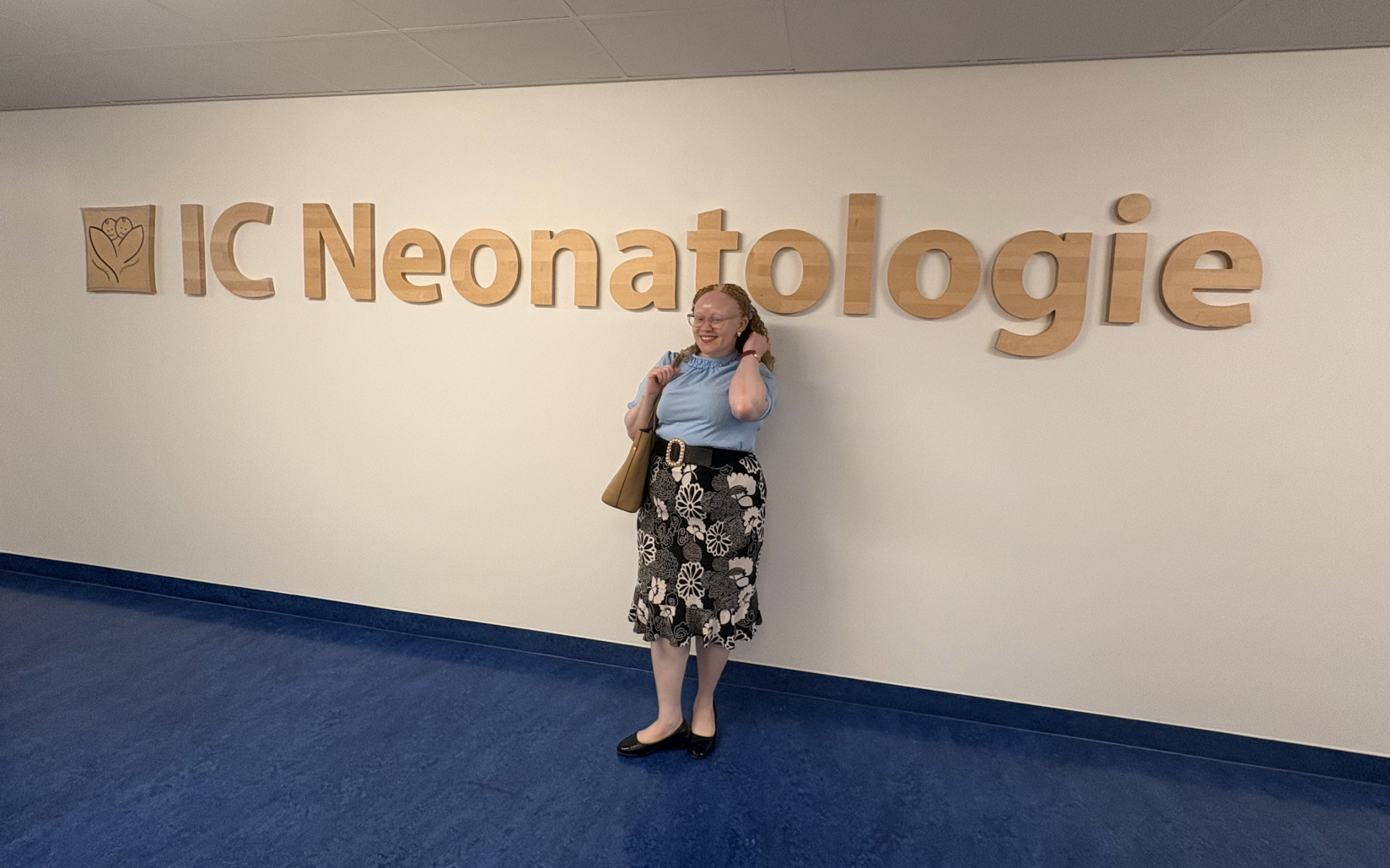
My experience as an international student at the Leiden University Medical Center
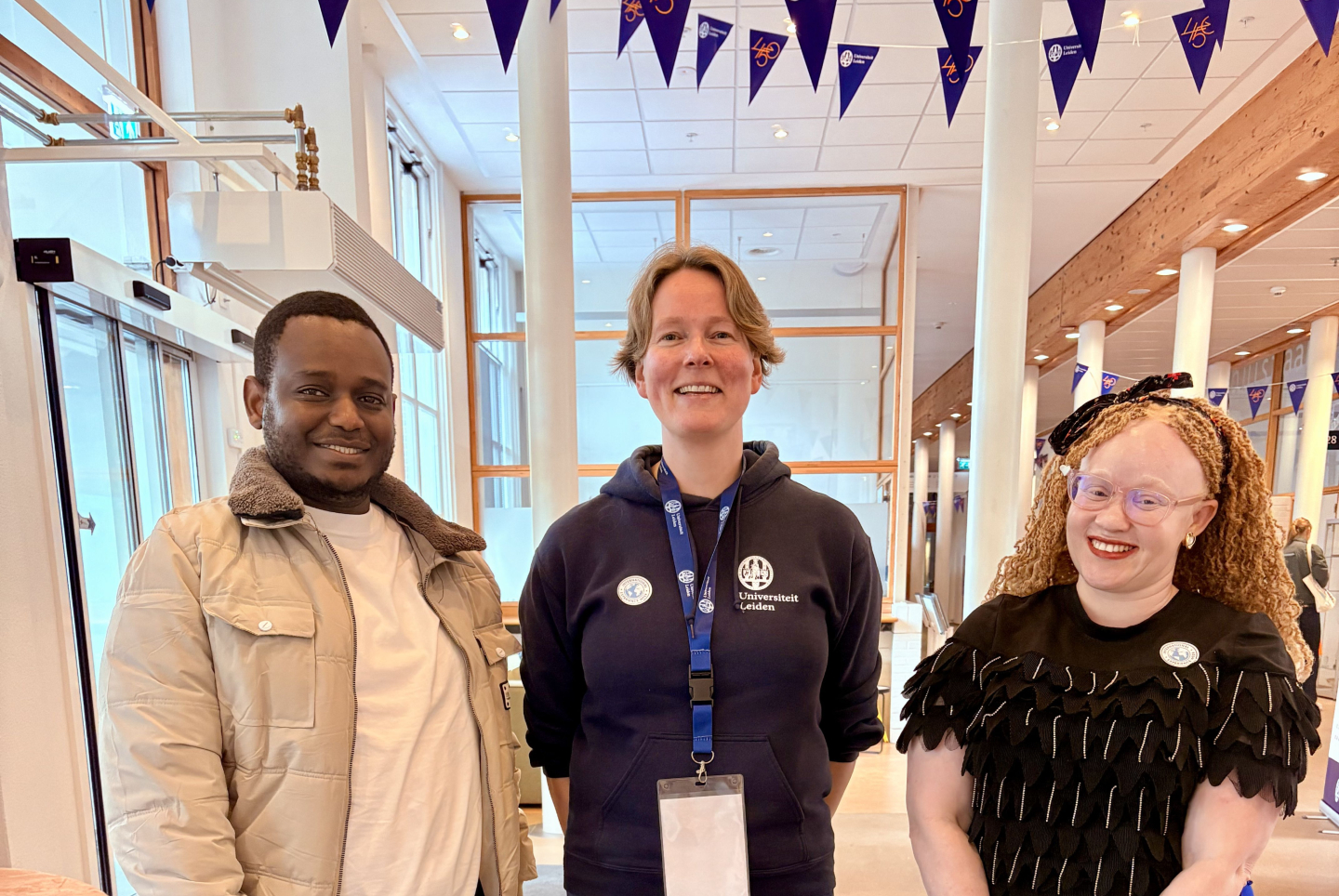
Furaha Kasyupa, student at the Kilimanjaro Christian Medical Center in Tanzania, visited Leiden in Fall 2025. She successfully completed a half minor on Cancer Immunity and Immunotherapy: "We had the opportunity to review groundbreaking and impactful research."
Read more about Furaha's experience
"My time at LUMC has been truly rewarding since the day I arrived. My fellow international students from Tanzania and I received a warm welcome and extensive support from the International Office, our course coordinator, course facilitators, as well as our fellow students. The course content, schedules, and learning activities were clearly structured and provided to us immediately after enrollment.
The learning materials were well-organized and written in a simple, easy-to-understand manner. We completed several assignments that stimulated our critical thinking and creativity. Overall, the Half Minor on Cancer Immunity and Immunotherapy was eye-opening. Throughout the course, I was introduced to novel and advanced cancer treatment strategies based on immunomodulation. These approaches align closely with precision medicine by offering more individualized therapies with fewer side effects, reduced complications, and improved survival for cancer patients.
We had the opportunity to review groundbreaking and impactful research conducted at LUMC. Additionally, the two clinical visits and patient demonstrations greatly enhanced our understanding of translational research in cancer immunotherapy.
The Erasmus+ ICM grant was essential in supporting our stay in the Netherlands, where the cost of living is relatively high. With this support, we were able to live comfortably.
Despite the overwhelmingly positive experience, we did face a few challenges, particularly when interacting with non-staff members and patients, as Dutch is the primary language of communication. Nevertheless, everything else was excellent, and I greatly value the time I spent at LUMC."

Maternal-Fetal-Medicine super specialization
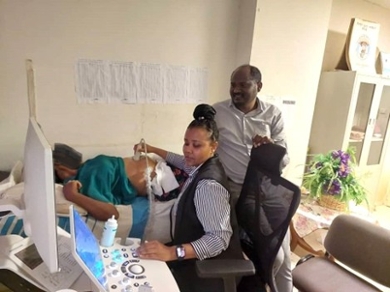
KCMC is actively working to establish a Maternal-Fetal Medicine super specialization, supported by advanced technologies. Through this pathway, PhD trainees will acquire high-level clinical skills, including intrauterine transfusion and advanced fetal ultrasound techniques, which are essential for the successful implementation of this programme. This initiative is expected to serve thousands of Rh-negative women in Tanzania who currently lack access to specialized care.
Working equally with international partners: Local solutions for global problems
Project coordinator Tienke Vermeiden already visited Tanzania twice for this Erasmus+ ICM project, in November 2024 and in July 2025. Realizing equality in international cooperation is one of the main challenges in her work: "Our version of the truth is just one perspective."
The LUMC collaborates with partners around the world to share knowledge and improve healthcare. But equal collaboration is not something that happens automatically. Power and funding are often concentrated in the West, while local partners possess indispensable knowledge. How do you make sure one side doesn’t dominate the other?
Read the full interview
> Working equally with international partners
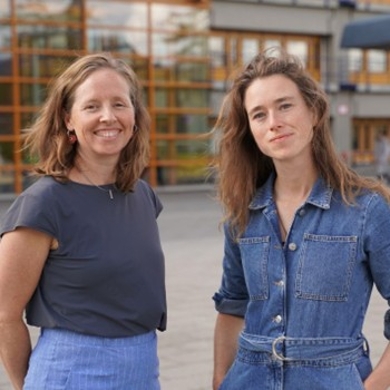
The topic of Equitable Partnerships was also explored during an ICM-funded workweek between African and Leiden scientists, in which LUMC participated.
> Fair partnerships between Leiden and Africa
Research on Rh disease in Africa
To foster the prevalence of Rh disease in Africa, multiple mobilities have been carried out for research, training, and stakeholder meetings. The mobilities were made possible through Erasmus+ ICM.
Read more about research on Rh disease
Train-the-trainers by AFRICARhE
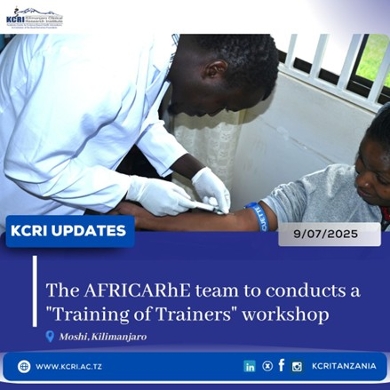
In July 2025, AFRICARhE trained research midwives and laboratory staff at Haramaya University (Ethiopia) and KCMC (Tanzania). This training was made possible by Erasmus+ ICM mobilities, allowing for African-European transdisciplinary collaboration to build capacity on Hemolytic Disease of the Fetus and Newborn, Good Clinical Practice, survey and interview techniques, using point-of-care blood tests, and hands-on laboratory training. Those trained will work on a clinical study on the prevalence of Rh disease in eastern Ethiopia and northern Tanzania.
Read more about the 'training of trainers' project:
> Training of trainers in Ethiopia
> Training at KCMC in Tanzania
Rh disease screening, prevention and treatment
In November 2024, AFRICARhE met with key stakeholders in Tanzania to discuss the current status of Hemolytic Disease of the Fetus and Newborn and possible ways of collaboration. Fruitful meetings were held with representatives of the Ministry of Health, Central Blood Safety Office, National Blood Transfusion Center, Tanzanian Medicines and Medical Devices Authority (TMDA), and Medical Stores Department (MSD).
Connections were established, support was granted, and knowledge was exchanged. Future collaborations were explored regarding the integration of Rh disease screening and management into the Tanzanian health system, and African plasma collection for regional production of anti-D.
'Knee-chest-flexion' and PhD mobility
With support of Erasmus+ ICM, LUMC and KCMC successfully completed a joint randomized controlled trial 'knee-chest-flexion'. This has also led to the near-completion of Febronia Shirima's joint LUMC-KCMC PhD thesis.
Read more about this study
With support of Erasmus+ ICM, LUMC and KCMC successfully completed a randomized controlled trial into an innovative method of enabling a better transition of neonates born during elective caesarean section: the knee-to-chest flexion trial. Based on a feasibility study done at the LUMC by the collaborative KCMC-LUMC research group, a protocol for the trial was developed. This trial was conducted within the allocated time, in which more than 500 babies were included.
It has also led to the near-completion of Febronia Shirima’s joint LUMC-KCMC PhD thesis. She will spend her final ICM mobility in the Netherlands in the first half of 2026 to finalize the analysis of the trial and complete the write-up of her thesis. Read the first publication.
During the course of this ICM trajectory, additional funding was granted to the project by the Laerdal Foundation. As part of this project, Prof. Arjan te Pas, Prof. Thomas van den Akker and Dr. Anne Marie Keus visited KCMC twice to train KCMC staff, capacitate trialists at KCMC, and oversee trial progress. Follow-up projects and applications for funding are underway.