

Netherlands Institute Morocco
Minor Urban Studies in Morocco: Cities in Transformation
During the autumn semester (September-December), NIMAR offers a joint LDE (Leiden-Delft-Erasmus) minor Urban Studies in Morocco: Cities in Transformation (30 EC), an interdisciplinary programme focused on contemporary urban change in Morocco. The minor combines humanities, social sciences, design and technical perspectives to explore how cities and their inhabitants evolve under conditions of rapid infrastructure development, demographic change, environmental pressure, and state-led modernization.
Programme
The programme is structured in two parts. Part A (15 EC) introduces students to urban transformations in Morocco through lectures, excursions, and research methods. Part B (15 EC) allows students to deepen their engagement through research design and an applied field project. Students work in interdisciplinary teams and engage directly with real urban contexts. The minor combines conceptual learning with field-based education, encouraging students to connect historical understanding with contemporary planning, governance, and sustainability challenges. For students interested in urban studies, architecture, governance, sustainability, heritage, and Global South cities, this minor offers a unique opportunity to experience Morocco. Through challenge-based learning, students engage with policymakers, local authorities, and communities, translating theory into practice.
Courses
A lecture series on Urban Changes in Morocco (5 EC)
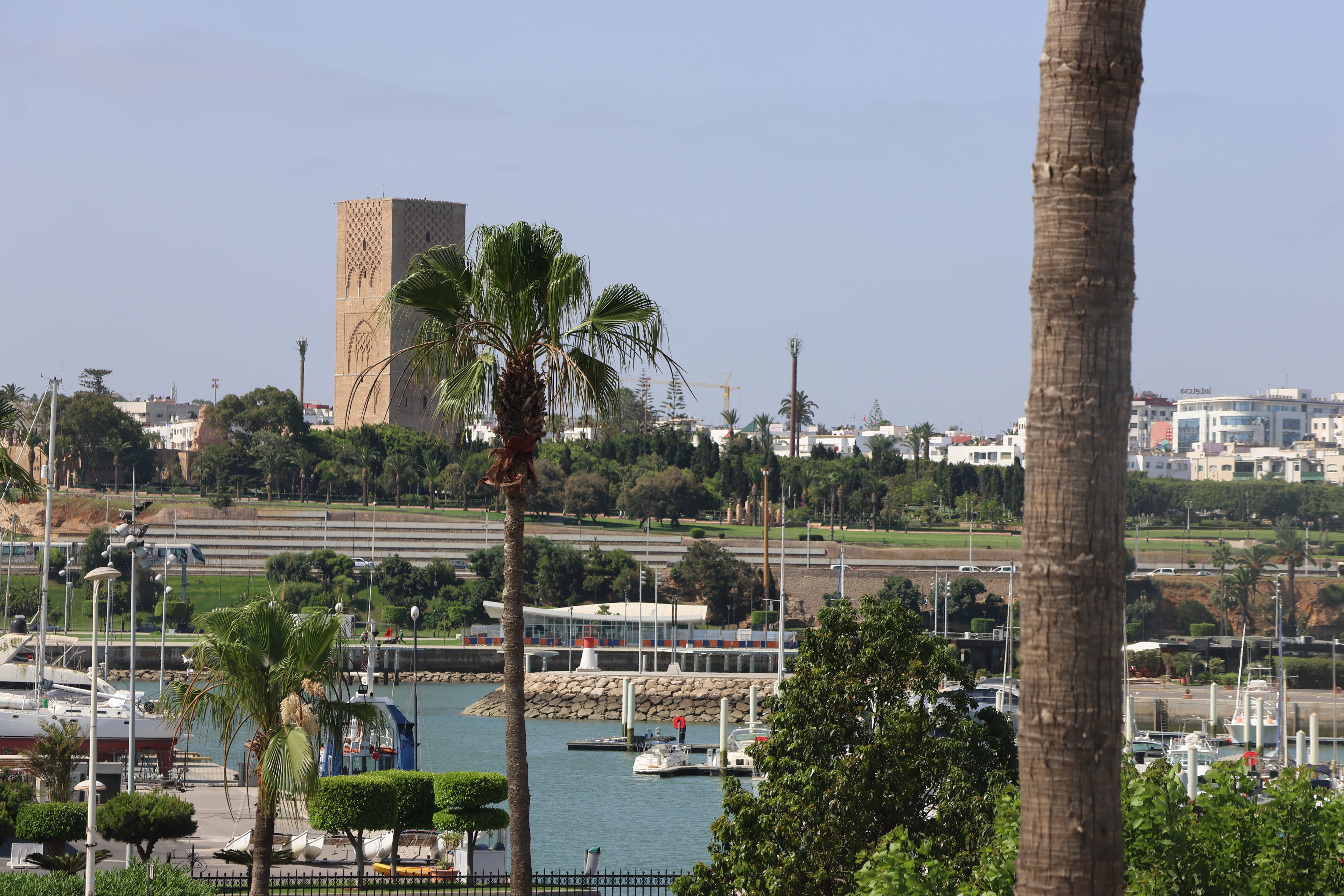
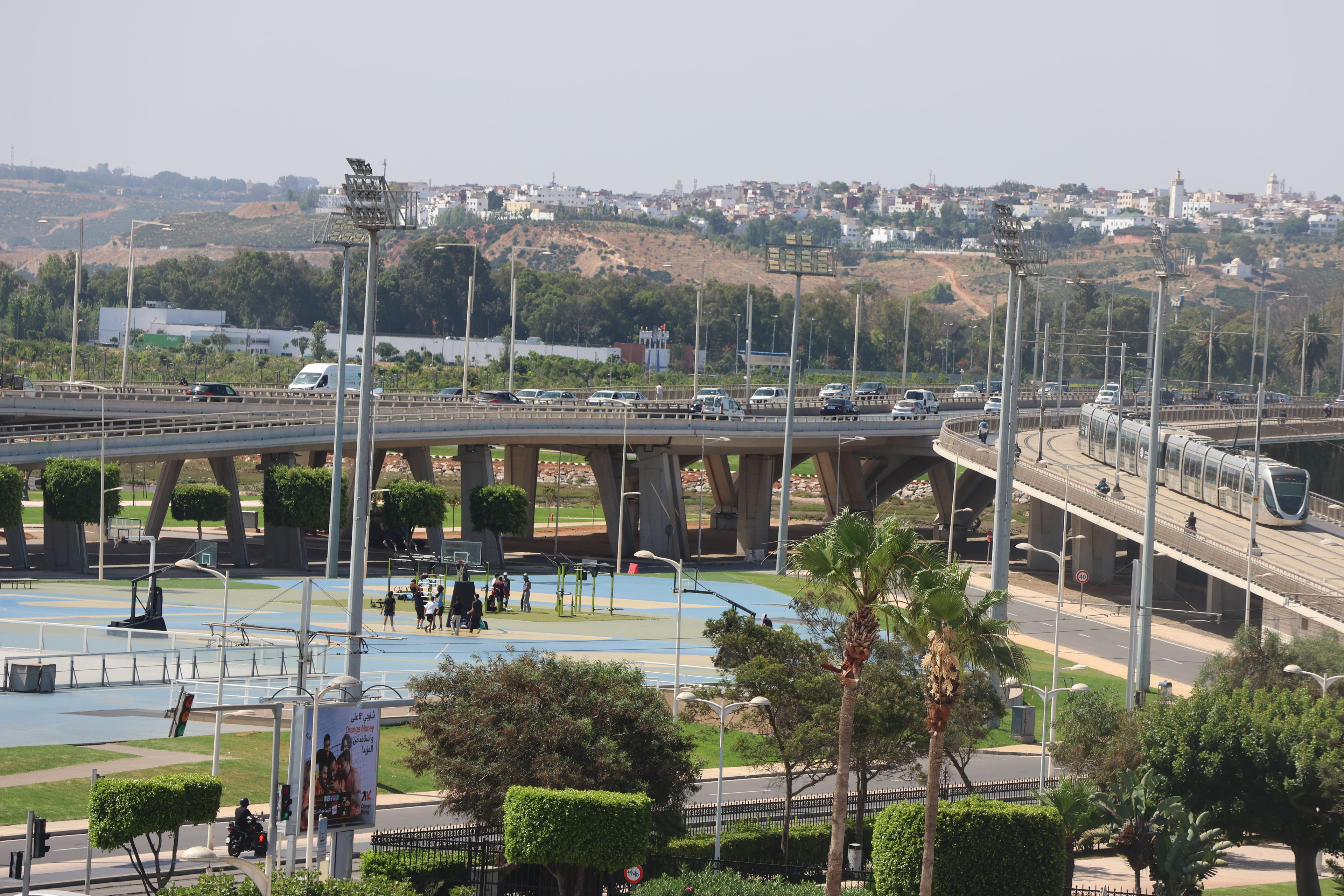
A series of lectures introducing major Moroccan cities and linking them to key debates in urban studies. Themes include heritage and medinas (or old inner cities), urban renewal, housing, governance, infrastructure, port development, water systems, and cities of the future. Guest lecturers from partner institutions contribute interdisciplinary perspectives.
Excursions to Moroccan Cities (5 EC)
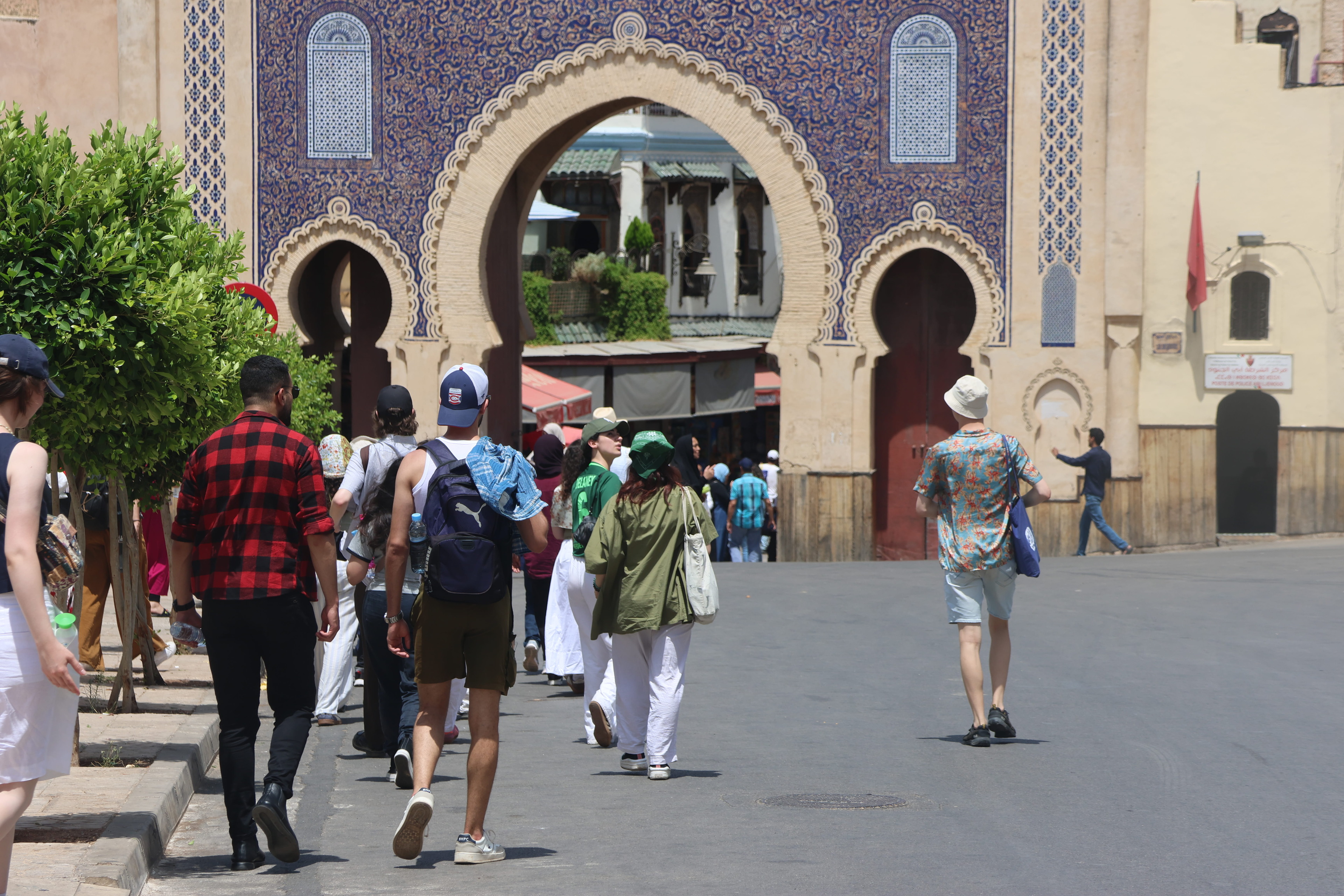
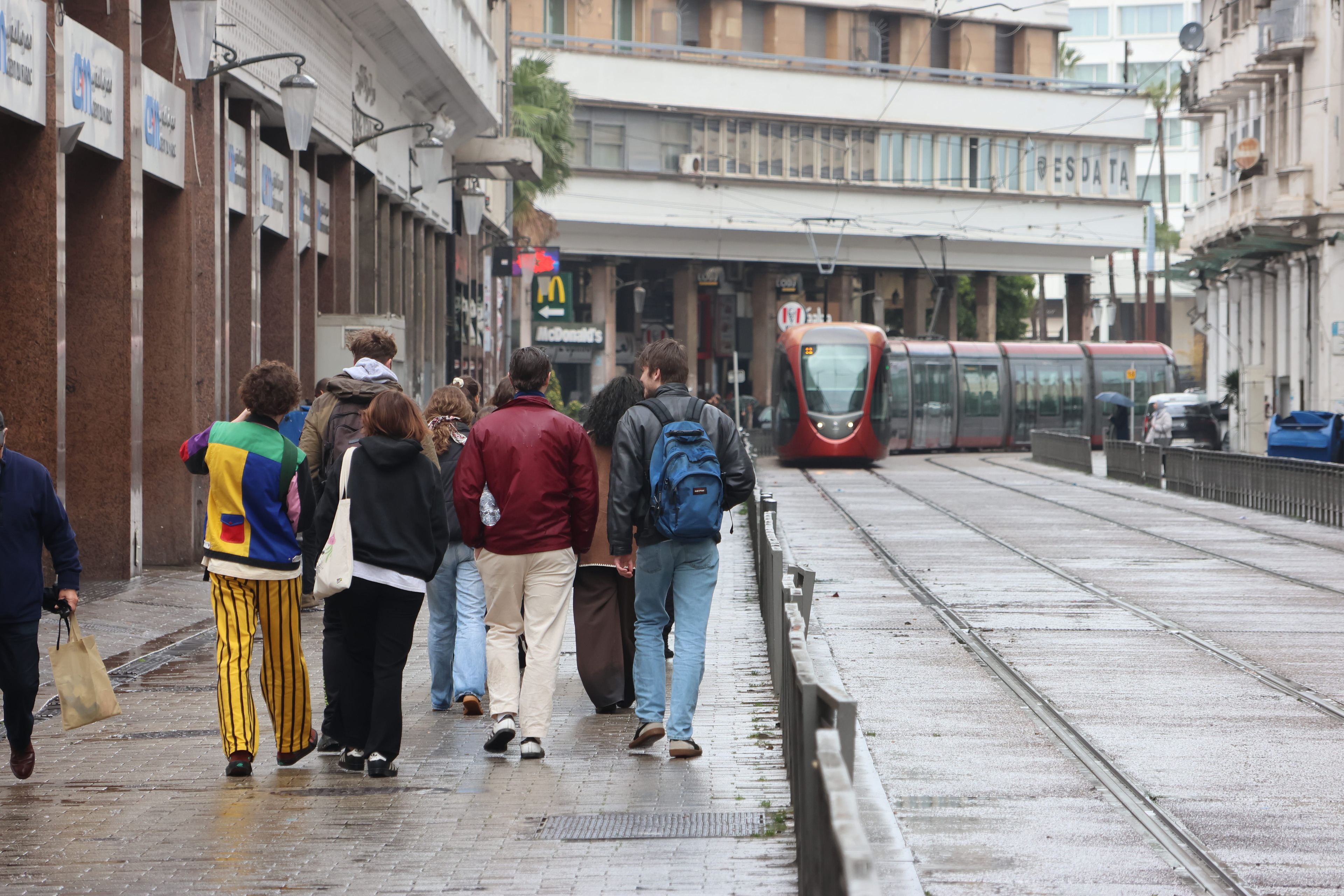
Site-based learning through guided visits to historical and contemporary urban sites. Students engage in close reading of urban spaces and interact with local actors. The excursions are where theoretical insights are tested in practice.
Methods in Urban Studies (5 EC)
An introduction to interdisciplinary research methods including mapping, spatial analysis, interviews, participant observation, visual research methods, archival research, and policy analysis. Methods are applied directly during field visits and practical assignments.
Research Design (5 EC)
Students develop a research proposal in small mixed teams. They refine research questions, review literature, identify conceptual frameworks, and design feasible and ethically sound research strategies situated in the Rabat–Salé agglomeration.
Field Project: Urban Action Lab (10 EC)
An applied research project conducted in interdisciplinary teams. Students collaborate with local institutions and stakeholders to address real urban challenges. The project results in a policy brief and presentation, contributing to a growing Urban Atlas of Rabat–Salé.
Throughout the minor, students learn to bridge top-down and bottom-up perspectives, combining policy analysis with community-based knowledge. The programme emphasises comparison, encouraging students to reflect on Moroccan cities in relation to global urban debates.
Cultural and academic activities are organised alongside the curriculum, providing additional opportunities for students to engage with Moroccan society and institutions.
-
-
-
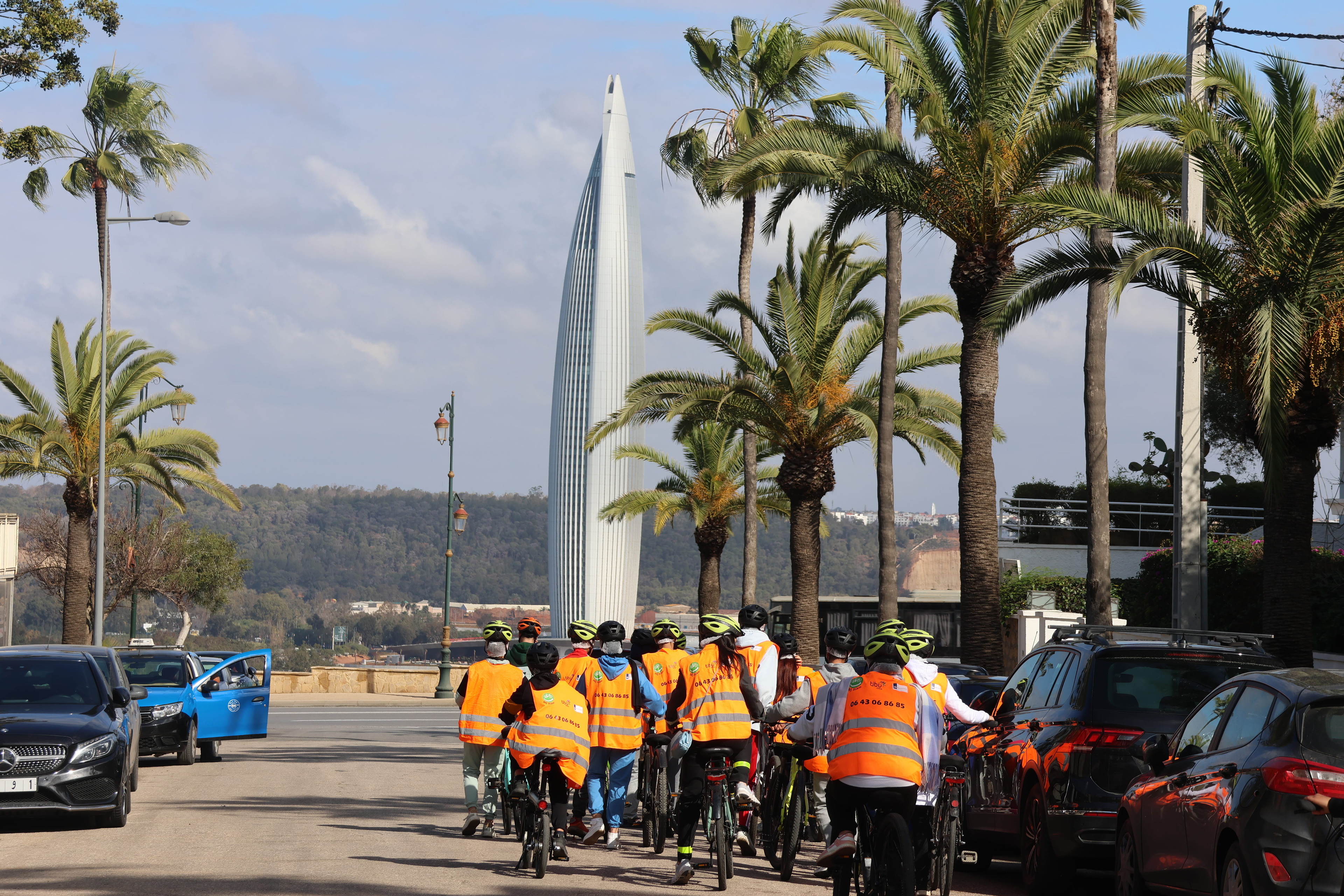
More impressions of the excursions and what it is like to study at NIMAR can be found on our social media. -
-
Practical Information
Duration: September-December (submission of policy brief in January)
Credits: The minor is available for 15 EC (Part A only) or 30 EC (Part A + Part B).
Maximum number of students: 35
Language of instruction: English
Costs: To cover the costs of excursions, guest lectures and other activities that are part of the study programme, NIMAR charges a one-off fee of 500 euros at the start of the semester.
Registration: via EduXchange
For enrolment or further information about the study programme, contact: r.yassinekassab@hum.leidenuniv.nl