
Can Iran levy tolls in the Strait of Hormuz?
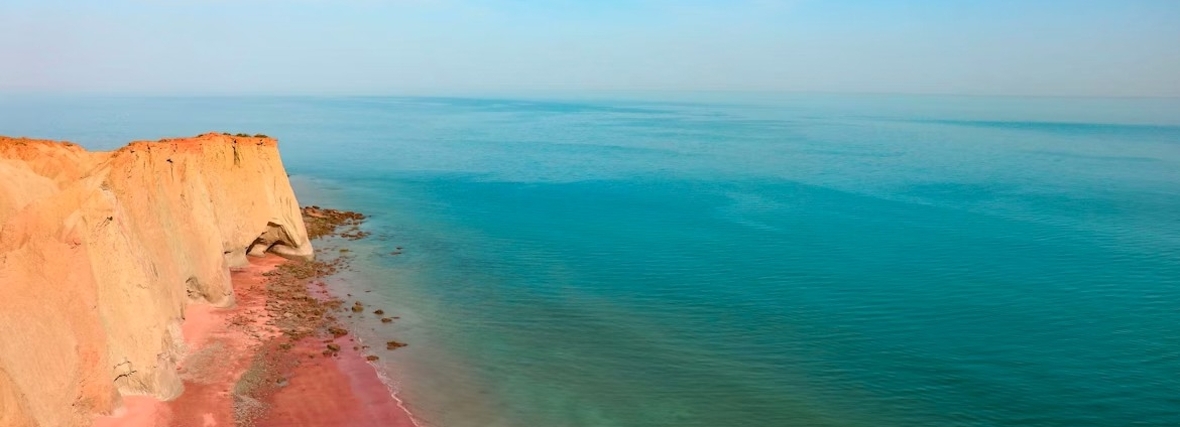
In the media image: Reza Ghazali on Unsplash
Iran plans to impose tolls on shipping through the Strait of Hormuz. In ‘de Volkskrant’, Hilde Woker questions the legality of the proposal, claiming it conflicts with the UN Convention on the Law of the Sea which guarantees free passage through vital international straits.
Iran's announcement that it plans to levy tolls on ships passing through the Strait of Hormuz is causing international unrest. The narrow strait is one of the most important passages for global oil trade. Potential restrictions therefore have direct economic and geopolitical consequences.
According to Woker, an expert on maritime law at the Grotius Centre, the Convention on the Law of the Sea acts as the 'constitution of the oceans' and prohibits tolls. Although this obligation does not formally apply to Iran and the United States, as both countries have not ratified the treaty, Iran is bound by customary law. This stipulates that the innocent passage may not be hindered. Woker adds that a general toll would be contrary to this obligation and therefore unlawful.
If Iran does go ahead with its plans, ‘mediation – as attempted by Pakistan in recent days’ – remains the best solution, according to Woker. De Volkskrant reports that the EU has now announced that it is strongly opposed to any form of toll collection.