
Shadow fleet evades sanctions: Germany calls for action
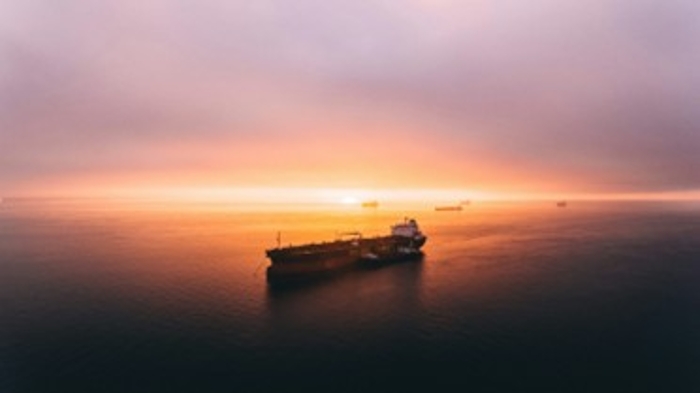
In de media image: Ian Simmonds via Unsplash
Germany wants to ‘modernise’ the law of the sea to tackle Russian ships that evade sanctions as part of the so-called ‘shadow fleet.’ The current legal framework is inadequate to confront the shadow fleet benefiting from states with open ship registries. Hilde Woker, expert in the law of the sea, comments on this initiative on BNR Nieuwsradio.
Woker explains that the existing international law of the sea is largely based on the consent of participating states. ‘Countries cannot be bound by rules they have not themselves agreed to’, she said. Under current law, only a ship’s flag state can take action against a vessel on the high seas, which makes it difficult to act against the shadow fleet.
The term shadow fleet refers to vessels that operate under the orders of states subject to sanctions (such as Russia, Venezuela, or Iran) but exploit open registries in countries like the Bahamas or Panama to circumvent those sanctions. Some of these ships also sail under double or even fictitious flags. Under the current law of the sea, enforcing rules against such ships is extremely complicated.
The German Foreign Minister, Wadephul, now wants to build a coalition of countries to establish stricter rules to combat the shadow fleet. Woker emphasises that the International Maritime Organization (IMO) – a United Nations body – has already taken initial steps: in 2023, a resolution was adopted to enable stricter controls over ‘flags of convenience’, encouraging both flag states and port states to take tougher action. Enforcement is easier in port, but on the high seas it remains the exclusive responsibility of the flag state.
Germany criticises current enforcement as insufficient and calls for concrete measures to more effectively tackle ships that evade sanctions. However, it remains unclear what specific measures Germany wants to pursue and how these could be realised, since amending the international law of the sea to make it enforceable against states like Venezuela, Russia, and Iran is not straightforward.
More information?
Listen to the BNR news radio fragment (broadcast 26 January, from 18.05)