
Intercepted oil tanker: morally clear, legally murky
In the media image: Fredrick F on Unsplash
The US operation to seize an oil tanker near Iceland has put the spotlight on international maritime law. Hilde Woker, an expert on the law of the sea at the Grotius Centre, commented on the situation on BNR Radio.
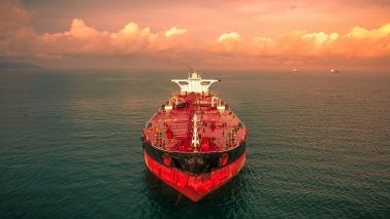
According to Woker, the Russian shadow fleet poses ‘a serious problem for the international legal order’. Ships have been sailing under various flags in order to circumvent sanctions, leading to fragmented jurisdiction. To tackle this situation, the United States has boarded and seized several vessels from this shadow fleet, including the tanker Marinera (formerly the Bella 1), which now apparently sails under the Russian flag. Although the United States claims that this vessel is on a US sanctions list, the boarding and seizure of vessels is only allowed under very strict conditions according to international law of the sea. The question is whether this is the case here.
The fact that the intercepted oil tanker changed its name and flag during the voyage makes the matter even more complex. 'In principle, law of the sea does not allow this, except in the case of an actual transfer of ownership. Although Russia claims that the ship is listed in the Russian ship register, the US denies this saying it deemed the vessel stateless.'
Woker emphasises that US sanctions are no carte blanche: 'The UN Convention on the Law of the Sea applies to international waters, not a national sanctions list.' Russia has said US’s actions amount to piracy, but Woker says that label is not legally correct. 'Piracy requires an attack by private parties for their own gain. That’s not the case here.' Nevertheless, she does understand the criticism being voiced about these actions: 'because this seizure is not fully in line with international law of the sea.'