Research project
Worlding America: How Play Shaped the United States between New Media and New Politics
WORLDING AMERICA researches how ‘play’ has been a key force in the past and present process of creating America as a coherent and hegemonic ‘world,’ from 1503 to the present.
- Duration
- 2025 - 2029
- Contact
- Sara Polak
- Funding
-
 ERC Starting Grant
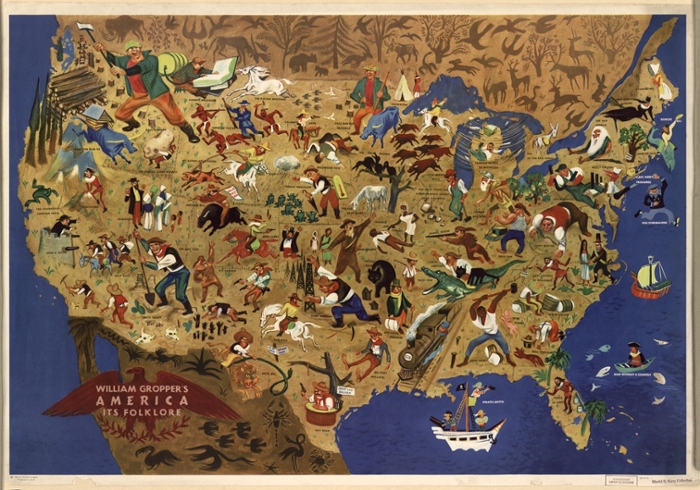
‘Play’ is an activity linked to change, serious even when frivolous, potentially transgressive even when rule-bound. Play intersects with the process of worlding (bringing a new world into existence) in liminal moments when new media types develop in conjunction with political developments. In such unstable phases, when new worlds take shape, but are not yet consolidated, play comes to the fore to probe possibilities.
Consisting of four cases: Worlding Colonial America through Engravings, 1590-1861; Worlding the Nation through Newspaper Cartoons, 1865-1924; Worlding the Body Politic through Television, 1972-2016; Worlding Colonial Mars through X, 2006-2028, WORLDING AMERICA investigates how new media and new politics have created and continue to shape the United States.
Subprojects
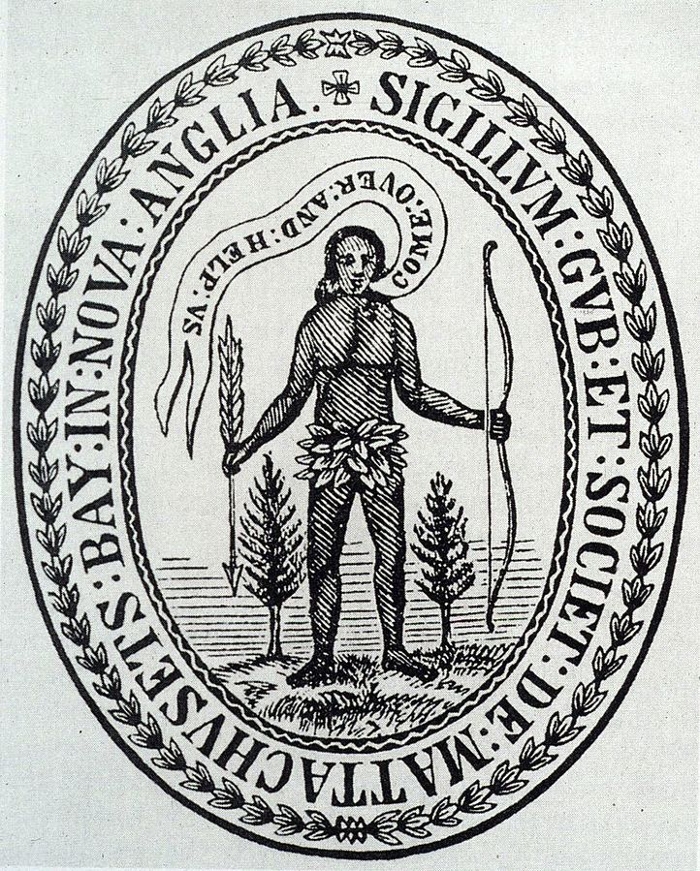
Worlding Colonial America through Promotional Print, 1590-1700 (Dr. Kirsty Rolfe)
This subproject focuses on early modern English understandings of the so-called “New World” were shaped through playful engagement with American spaces, peoples, and commodities. Drawing on “promotional” printed works – such as prose travel accounts, engraved and woodcut images and maps, and other printed items such as playing cards – the project traces how colonial projects were “marketed” to the English public, whose involvement was crucial to the viability of England’s vulnerable colonies in the Chesapeake and New England. Through presenting colonized American spaces as fertile playgrounds for English colonists, and those colonists as masters of a game they (and not the Native Americans they encountered) controlled, promotional print transformed acts of violence, dispossession, and domination into spectacles of curiosity and providential good fortune. The project thus highlights how early modern fantasies of the “New World” both legitimized colonial expansion and constructed the Americas as a site of endless reinvention, laying the groundwork for enduring myths of American identity.
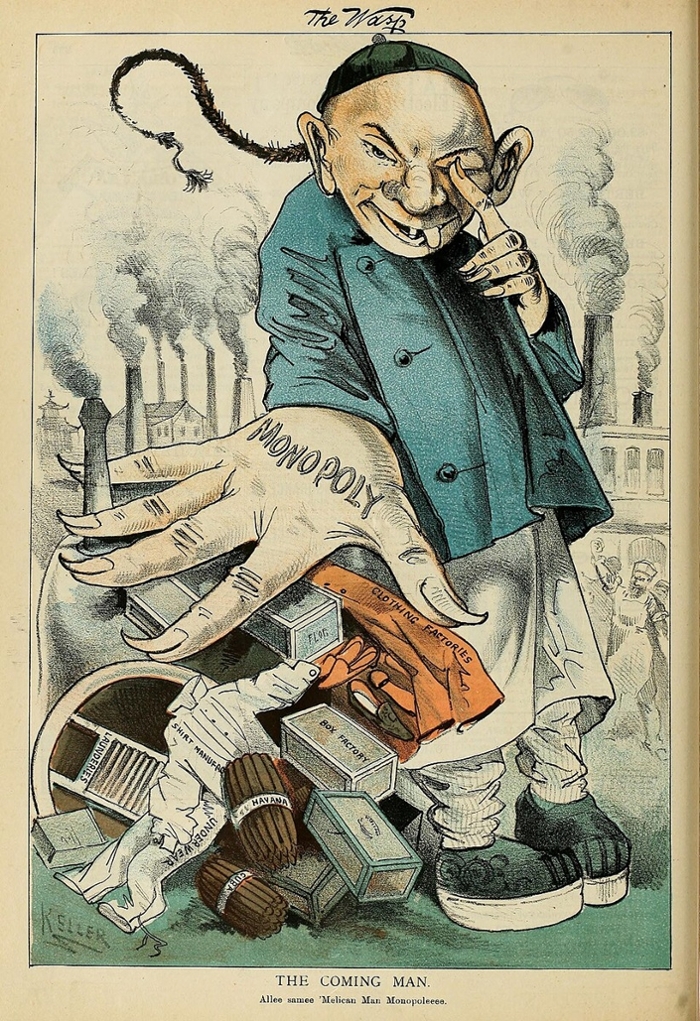
Worlding the Nation through Newspaper Cartoons, 1865-1924 (Róisín Lambert, PhD Candidate)
This subproject investigates how late-nineteenth- and early-twentieth-century newspaper “funnies” participated in the cultural production of a nativist, white American nation. Focusing on examples ranging from political cartoons in The San Francisco Illustrated Wasp to comic strips such as The Yellow Kid, this project investigates how the illustrated press translated xenophobic anxieties about immigration, race, and national belonging into playful visual narratives that rendered prejudicial media simultaneously entertaining and politically consequential. As mass literacy and urbanization expanded the reach of the popular press, play became a central medium through which an imagined American community took shape. By analyzing the visual and narrative techniques of newspaper cartooning (such as exaggeration, zoomorphism, and symbolism) the project demonstrates how illustrated media simultaneously policed, performed, and naturalized the boundaries of Americanness, transforming playful make-believe into a mechanism for imagining and delimiting belonging.
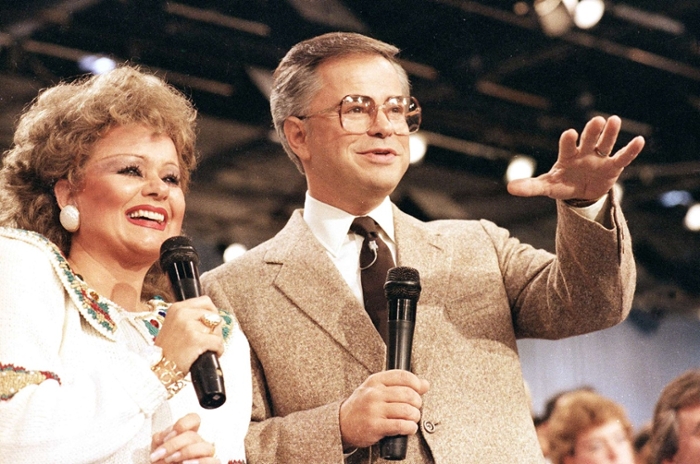
Worlding the Body Politic through Television, 1972-2016 (Manon Portos Minetti, PhD Candidate)
This subproject examines how play and conspiracism within the evangelical media landscape - particularly televangelism and its associated cultural phenomena - have reshaped the American body politic. From the 1950s onward, figures such as Billy Graham, Jerry Falwell, and Jimmy and Tammy Faye Bakker brought apocalyptic and moral spectacle into millions of living rooms, transforming television into a stage where religion, politics, and national identity intertwined. These programs and their cultural offshoots, from anti-abortion activism to Satanic panics, produced a moral and racial imaginary of a “pure” white Christian nation. While framed as morally urgent, these broadcasts often relied on ludic and conspiratorial structures that blurred the line between belief and play. By tracing a genealogy from Cold War-era televangelism to twenty-first-century phenomena such as QAnon, this project explores how apocalyptic thinking and playful conspiracism has circulated through mass media, fueling patriarchal, white-supremacist visions of America.
Worlding Colonial Mars through X, 2006-2028 (Dr. Sara Polak)
This subproject is centered around extremely wealthy and powerful men – the likes of Jeff Bezos, Jeffrey Epstein, Elon Musk, Peter Thiel, and Donald Trump – who, currently or in the recent past, have, each in their own ways, engaged in literal and imaginative space exploration, unworlding Earth, and worlding new worlds beyond, through social media platforms. What these men share, is a deeply white-supremacist worldview, and a belief in longtermism – the idea that the ‘best’ of the human species will survive climate collapse, typically on Mars, or another colonized planet or moon. This subproject researches if and how their way of envisaging and mediating a future beyond runaway climate change is playful.