

Leiden researchers: ‘Detention policy can, and must, be improved’
Boek presentation image: Arash Nikkhah
The Dutch prison system is buckling under pressure. Yet policy has remained much the same, despite years of research showing how things could be improved. In a new book ‘Sleutels tot detentie’, Leiden researchers share 45 lessons and call for change.
When the Koepel prison in Haarlem opened its gates in 1901, the idea was simple. Prisoners, locked up alone in their cells and cut off from contact with fellow inmates, would have time to reflect on their crimes and emerge after their sentence as better people. Even during outdoor exercise and church services, they were not allowed to mix.
Even at the time that system was introduced, concerns were already raised that lengthy and solitary confinement could cause serious psychological damage with all the ensuing problems. Yet, successive governments continued to support this system for decades. It was only after the First World War, when crime levels and the number of prisoners increased sharply, that emergency legislation was introduced and prisoners had to share a cell.
‘What decades of research reports and warnings from professionals had failed to achieve was ultimately brought about by a shortage of prison cells,’ said Professor of Criminology Paul Nieuwbeerta on 9 October during the book presentation of Sleutels tot detentie (Keys to detention) at the Koepel prison: ‘An uncomfortable lesson from history, but also a surprisingly topical one.’
Never waste a crisis
Today, the Dutch prison system is once again under considerable pressure. There are acute shortages of staff and prison cells and recidivism rates remain high with 45% of people reoffending within two years of their release. Around 30,000 people in the Netherlands spend time in detention each year, whether for short periods or longer. More than 72% of detainees are held for less than three months.
According to Nieuwbeerta, this very crisis creates an opportunity to rethink how custodial sentences are carried out. One possibility, for example, is introducing electronic monitoring as a stand-alone sanction. Half-jokingly, he referred to the situation as the book’s 46th lesson: never waste a crisis. ‘Let’s hope that the current crisis leads not only to short-term emergency measures, but also to structural improvements.’
What works and what needs improvement
Staff from the Criminal Justice research programme at the Leiden Institute of Criminal Law and Criminology have come up with the 45 lessons. These are largely self-explanatory and include recommendations such as not expecting too much of long-term confinement as a way of protecting society, exercising restraint in the use of pre-trial detention, and ensuring better visiting arrangements. The recommendations are aimed at the legislature, the judiciary and the Public Prosecution Service, as well as the Ministry of Justice and Security, the Custodial Institutions Agency (DJI) and reintegration organisations.
In the book, the researchers demonstrate how detention works in practice, the effects on detainees, prison staff, future victims and society at large, and the dilemmas that underpin political and public debates about punishment and public safety. The aim, according to Nieuwbeerta, is to help shape policy that is based not only on good intentions or political convictions, ‘but above all on sound scientific evidence about what does and does not work, for society as a whole’.


Harsher sentences alone are not the answer
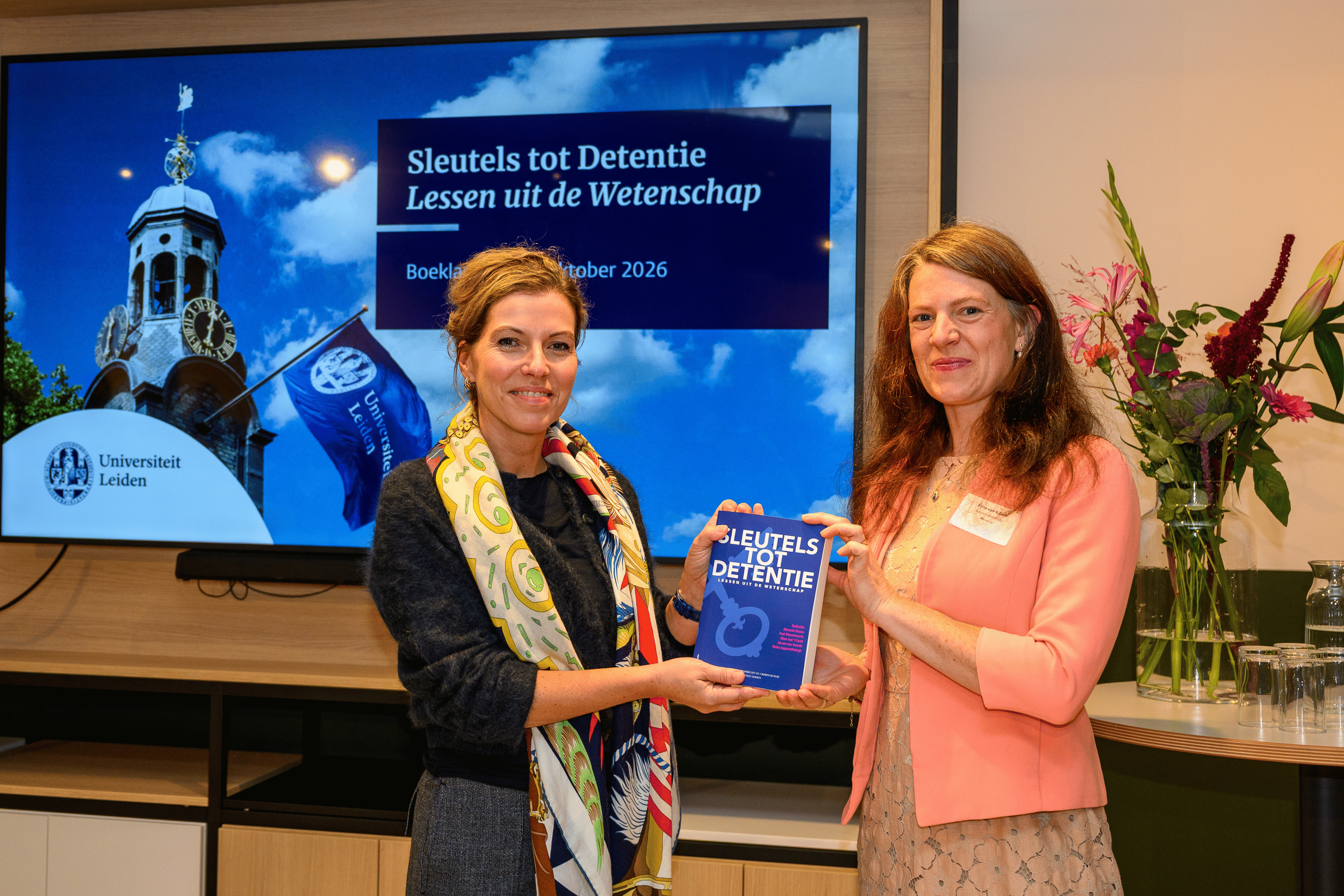
The first copy of the book was presented to Claudia van Bruggen, Minister for Legal Protection and Prisons, who herself has experience working in both the prison service and forensic mental healthcare. She spoke about the strong emphasis on tougher sentencing in public debates. ‘Calls for harsher punishment still tend to dominate the discussion. But harsher sentences alone are not the best way to ensure that people can return safely to society after their release.’
Van Bruggen referred to a part in the book’s introduction. It mentions Joost Eerdmans, a member of the Dutch House of Representatives, who once spent three days in prison for a television programme. He was deeply moved by what inmates told him: ‘Who’s going to help us? We have no one.’ Strongly held views often change, she added, when people gain a better understanding of what prison actually feels like in practice. ‘I want to base my policies on evidence from research about what does and does not work.’
From book to policy
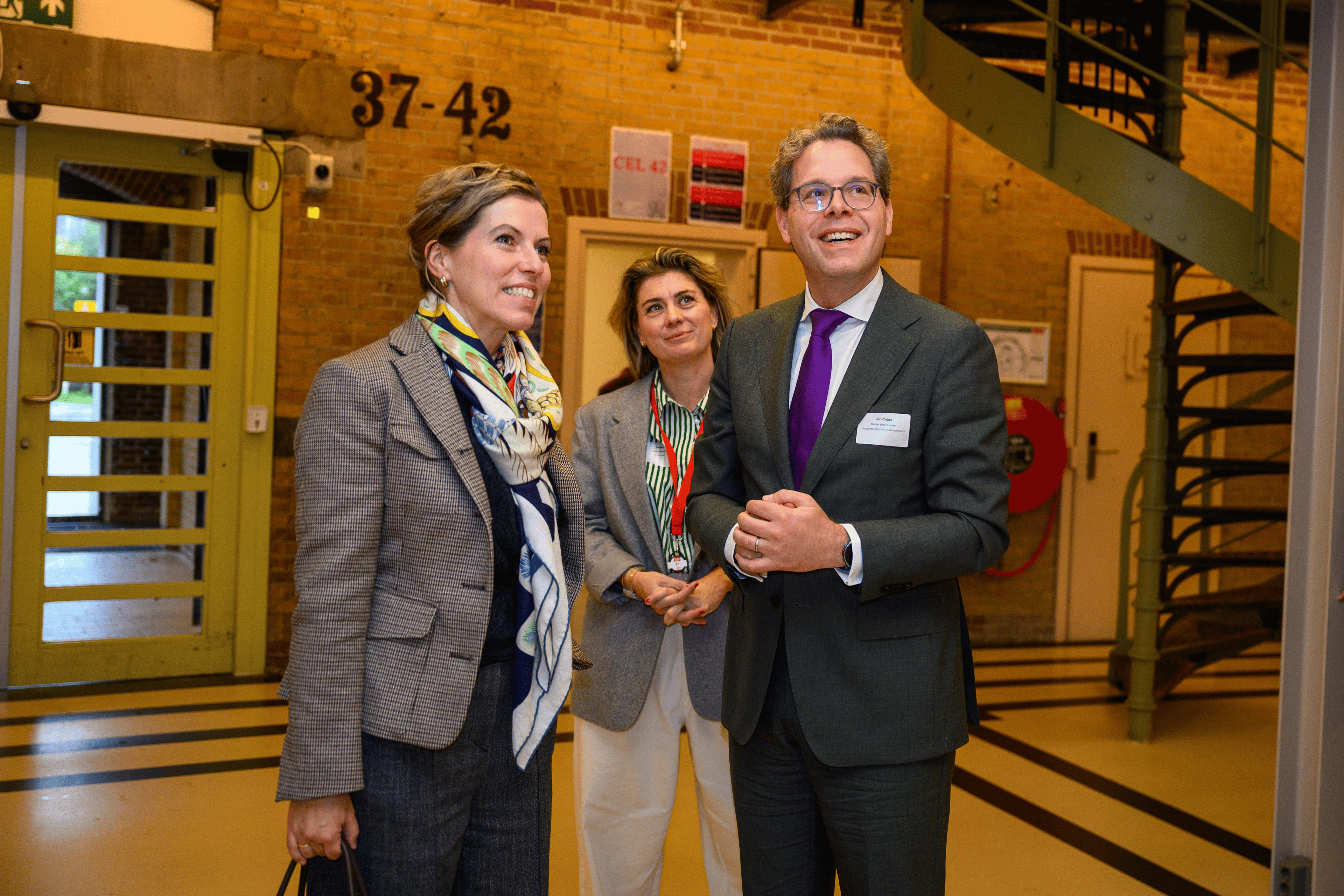
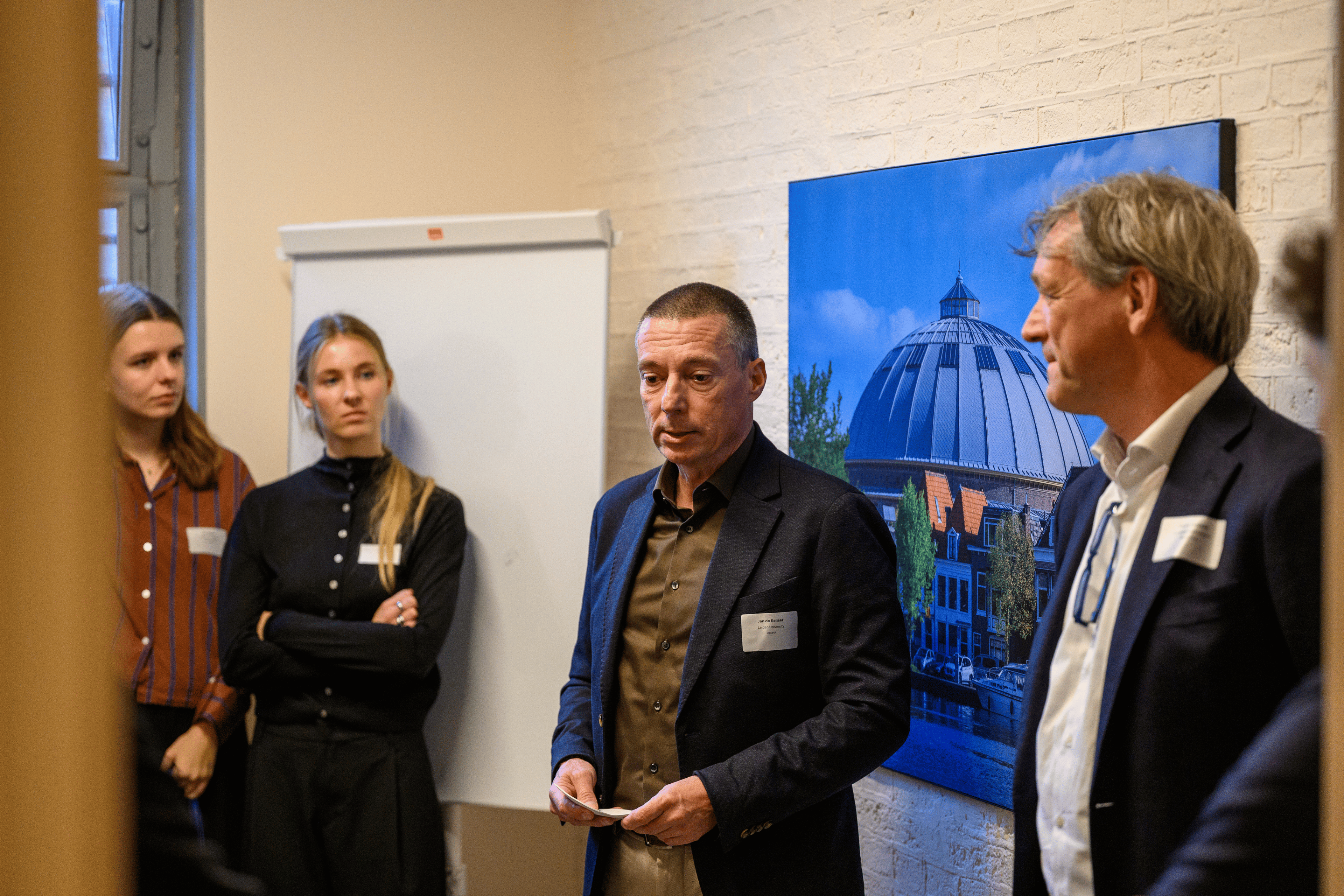
The book deals with far more than just sentencing alone. After the presentation, the authors presented their ‘lessons’ while standing in former prison cells. Visitors moved from cell to cell, learning about topics such as prison visits, fatherhood during detention, healthcare, immigration detention and post-release debt. Representatives from the probation service, the judiciary, the Custodial Institutions Agency (DJI) and people with lived experience then reflected on the book and its findings.
The book’s authors have a clear message. Miranda Boone: ‘Detention policy can, and must, be improved. The scientific evidence is quite clear about what works and what could be improved, for detainees, staff, and future victims. That is our call for change.’ It is now up to politicians to respond to that call. ‘Above all, we hope that these insights and lessons will now find their way into political debate, legislation, policy and detention practice,’ Nieuwbeerta added.
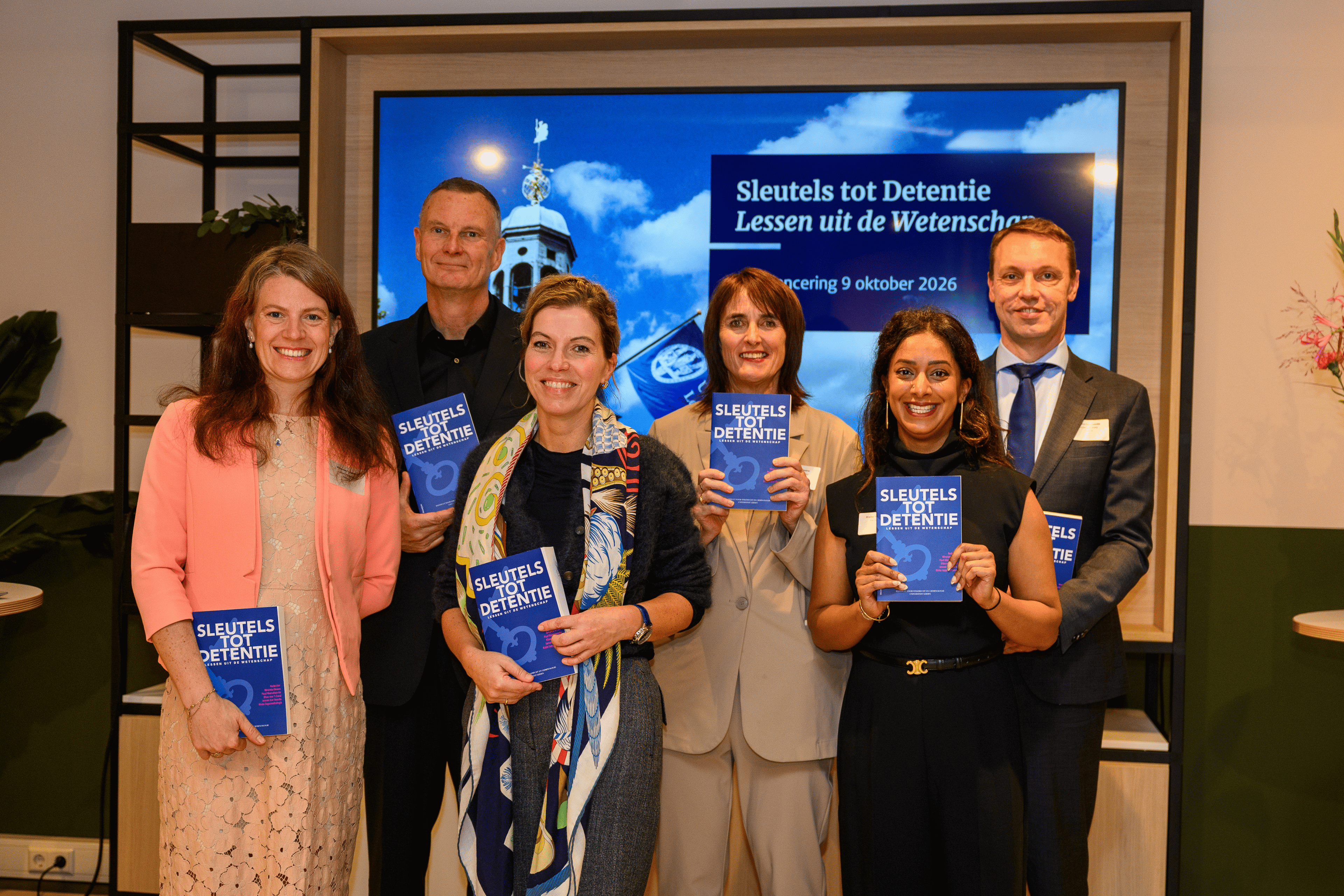
Sleutels tot detentie – Lessen uit de wetenschap (Keys to Detention: Lessons from research) is edited by Miranda Boone, Paul Nieuwbeerta, Elina van ‘t Zand, Jeroen ten Voorde and Risha Jagarnathsingh and published by Uitgeverij Van Gennep.