
Another successful year of the Matra Rule of Law Training Programme
In the second year of the implementation of the Matra Rule of Law Training Programme, Leiden University hosted a group of 30 civil servants from pre-accession countries in its campuses in Leiden and the Hague as participants in a training on the Administration of Justice that took place from 20-31 January 2025. A second group of civil servants took part in a training on the Management of Borders from 9-20 June in Leiden and the Hague.
The purpose of the Matra Rule of Law Training Programme (2024-2027) is to strengthen institutional capacity in the field of rule of law within government organisations in Albania, Armenia, Bosnia and Herzegovina, Kosovo, Moldova, Montenegro, North Macedonia, Serbia, Türkiye, and Ukraine. It equips participants working in the government sector with the knowledge and skills needed to drive reforms in their respective countries. The programme is financed by the Dutch Ministry of Foreign Affairs and is administered on behalf of the Ministry by the Netherlands Enterprise Agency (RVO). Its implementation is entrusted to a consortium of three organizations, which comprises Leiden University, the Netherlands Helsinki Committee and the Hague Academy for Local Governance. Dr Darinka Piqani (Europa Institute) is the academic coordinator for Leiden and, since the appointment of Professor Rick Lawson as Head of the Dutch Institute for Human Rights, Professor Armin Cuyvers (Europa Institute) is the new member in the Steering Committee of the programme.
-
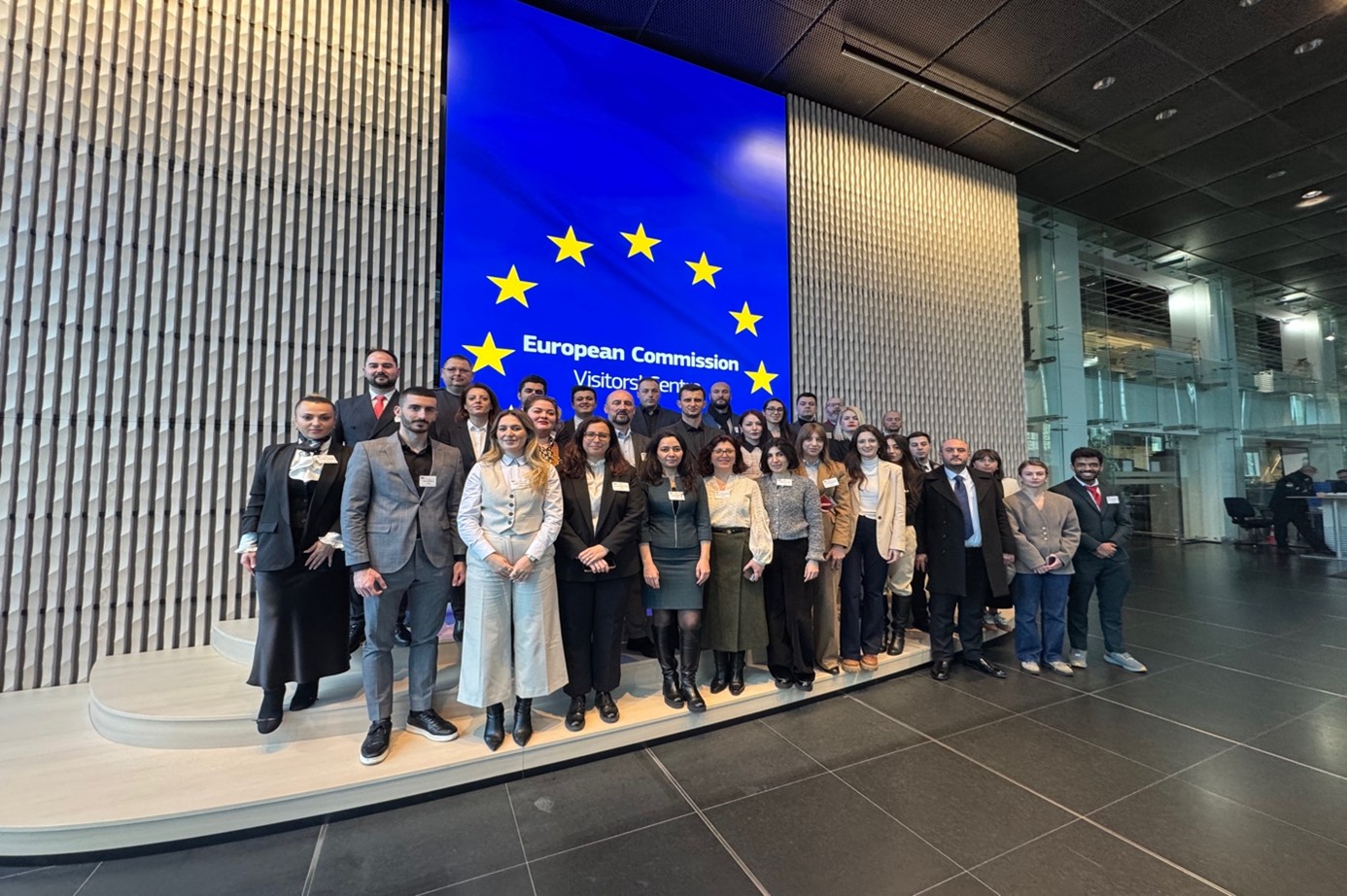
Visit to the European Commission with participants from the 2025 Administration of Justice training -
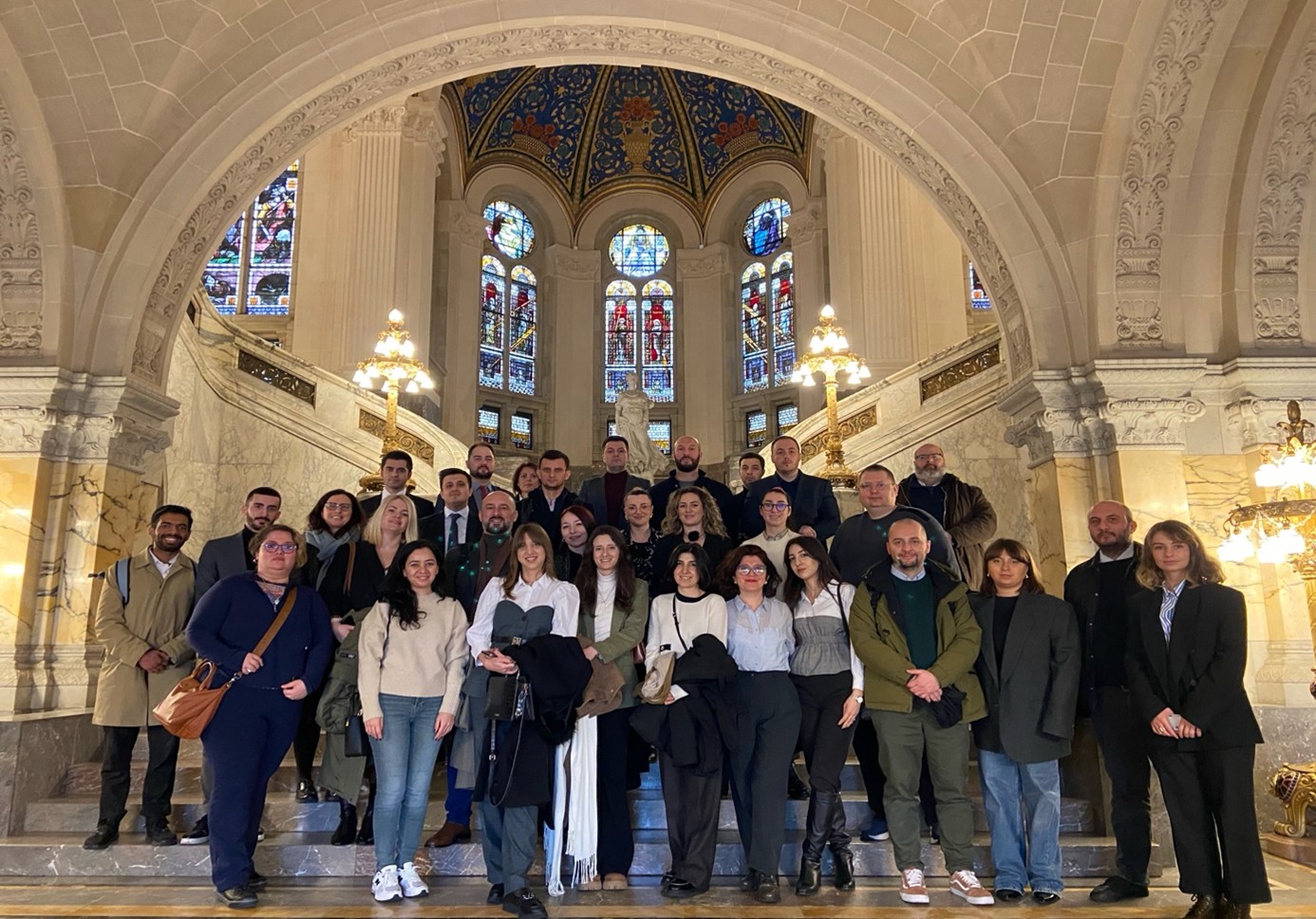
Visit to the International Court of Justice with participants from the 2025 Administration of Justice training -
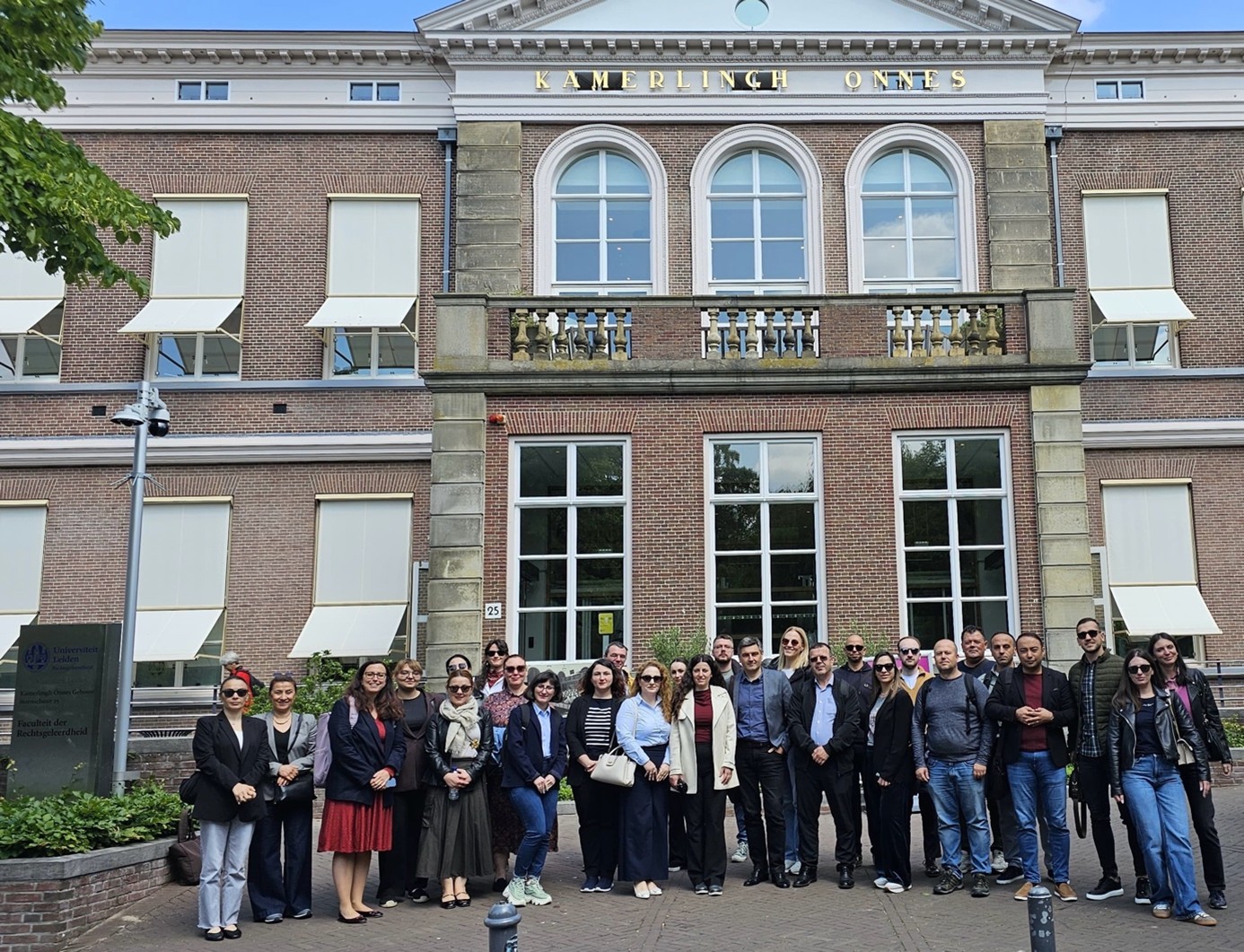
Participants in the 2025 Management of Borders training -
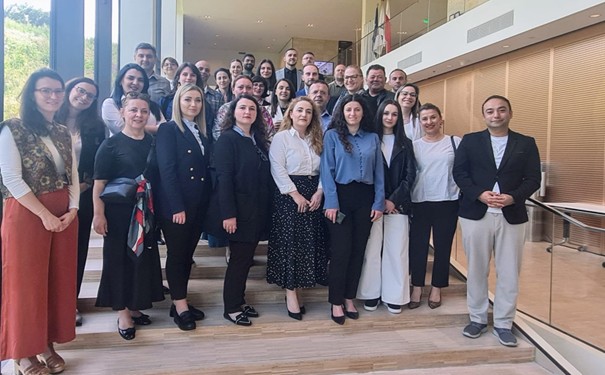
Visit to Eurojust with participants from the 2025 Management of Border training
Lectures in the Administration of Justice training focused on the legal and judicial system in the Netherlands with a focus on the criminal law system, alternative sentencing, digitalisation and use of AI in courts, the relationship between the minister of justice and courts, judicial integrity, impartiality of courts, the role and position of judicial councils. These lectures were complemented with skills workshops and various study visits such as, for instance, the visit to the European Union Agency for Criminal Justice Cooperation (Eurojust), the Dutch Supreme Court, the Dutch Council of State, and the International Court of Justice.
During the Management of Borders training, participants followed multiple lectures from distinguished experts from the Law Faculty of Leiden University, from other universities in the Netherlands and experts from organisations working in the field of management of migration, asylum and human trafficking. The training was enriched with various skills workshops and study visits such as the one to the Eurojust in the Hague. In both trainings, participants completed a one-day visit to Brussels and attended presentations at the European Parliament and the European Commission on topics such as judicial independence in the EU, the new Pact on Migration and Asylum and EU enlargement policy in the region.
At the end of both trainings, participants presented their Back Home Action Plans which consist in concrete ideas and actions on how to address a specific problem that participants have identified in their professional context.