
Three Sahel countries' intention to withdraw puts ICC under pressure
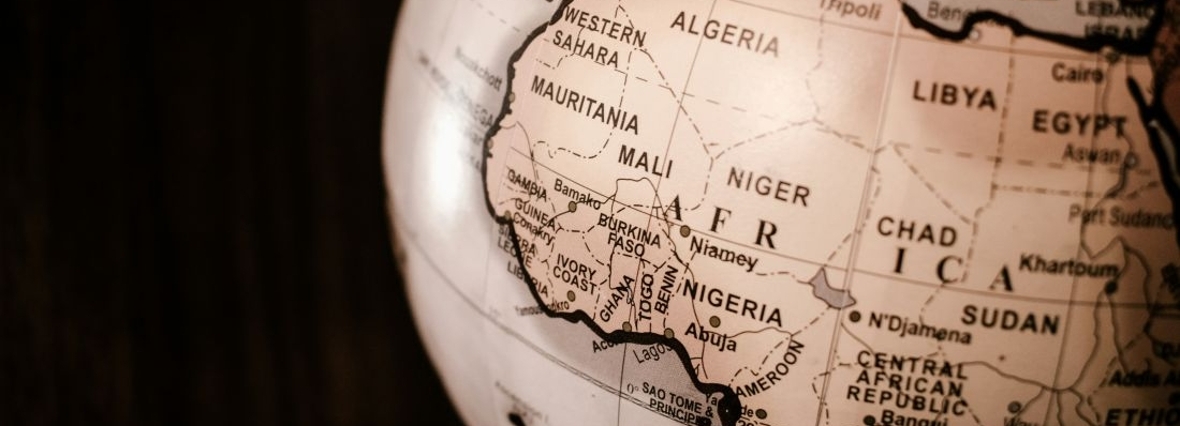
In the media image: James Wiseman on Unsplash
Niger, Mali and Burkina Faso have initiated the process to withdraw from the International Criminal Court, causing global concern. Professor of International Law, Larissa van den Herik, responded on the NOS news site.
Armed militias and terrorist organisations in the three Sahel countries have for years been responsible for serious human rights violations, including mass killings of civilians. International human rights organisations fear that withdrawal from the ICC will deprive thousands of victims of the opportunity to obtain truth, reparations and justice.
The governments of Niger, Mali and Burkina Faso say the withdrawal is part of their broader effort to strengthen African sovereignty. They argue that criminal cases should be handled by their own regional court, which they want to establish. The move is also driven by a desire to distance themselves from what they regard as the neo-colonial influence of France, their former colonial ruler.
Van den Herik points out that a withdrawal does not take effect until one year after the official notification has been submitted. Until then, the ICC retains jurisdiction. She refers to the Philippines’ withdrawal from the Court: although the country terminated its membership of the Rome Statute, the ICC remained competent to investigate crimes committed before the withdrawal took effect, ultimately allowing former President Duterte to be tried in The Hague.
The ICC says the intention of the three countries is concerning and has called on them to remain engaged in dialogue. Van den Herik: ‘The Court is under immense pressure, and with it the idea that individuals should be held accountable for their crimes. Precisely now, it is vital that we continue to uphold that principle consistently.’