
Old agreements under pressure in new space race
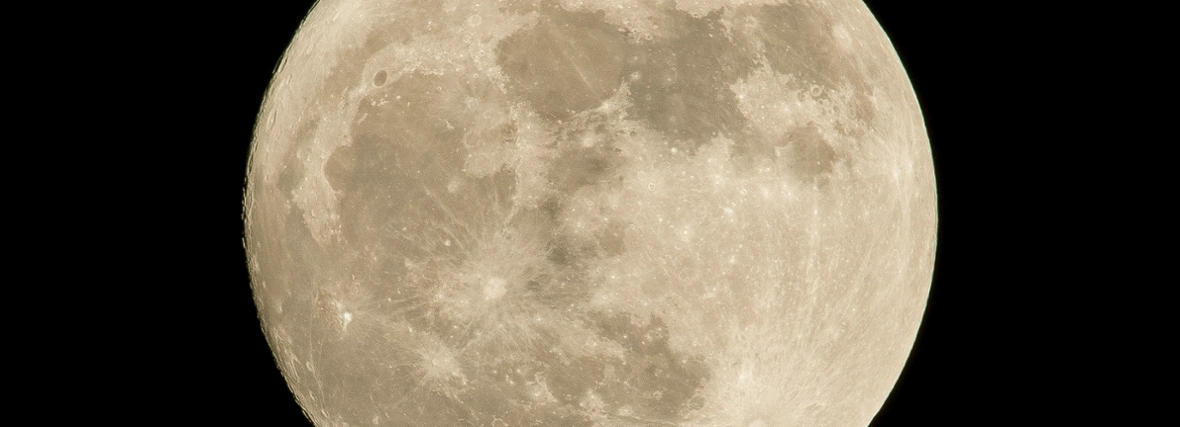
In de media image: Pedro Lastra via Unsplash
Space belongs to everyone and is meant for peaceful use, yet military, commercial, and mining ambitions are challenging those principles. Tanja Masson-Zwaan, an international space law expert, says in ‘Het Parool’ that the 1967 treaty urgently needs to be updated.
According to Masson-Zwaan, the basic principle is clear: no one may claim outer space, the Moon, or other celestial bodies. This is laid down in the 1967 Outer Space Treaty, which was signed by 118 countries and for decades has ensured the peaceful use of space. But space has changed dramatically since then. Tens of thousands of satellites are now orbiting the Earth, increasing the risk of collisions and mounting space debris. ‘Under the treaty, states remain responsible and liable when something goes wrong,’ she says.
The rise of major commercial players such as SpaceX, Blue Origin, and Boeing has created a new reality. ‘These companies are driven by profit, always wanting more and bigger and better’, according to the space law expert.
At the same time, the strategic importance of space is growing. NATO now regards space as a military domain, and countries are investing in their own satellite capabilities. China is also moving quickly with plans for Moon landings and large-scale space infrastructure. In addition, some countries are conducting anti-satellite tests.
For all these reasons, Masson-Zwaan argues that it is necessary to bring international space law up to date in order to prevent space from turning from a shared domain into a new battleground.