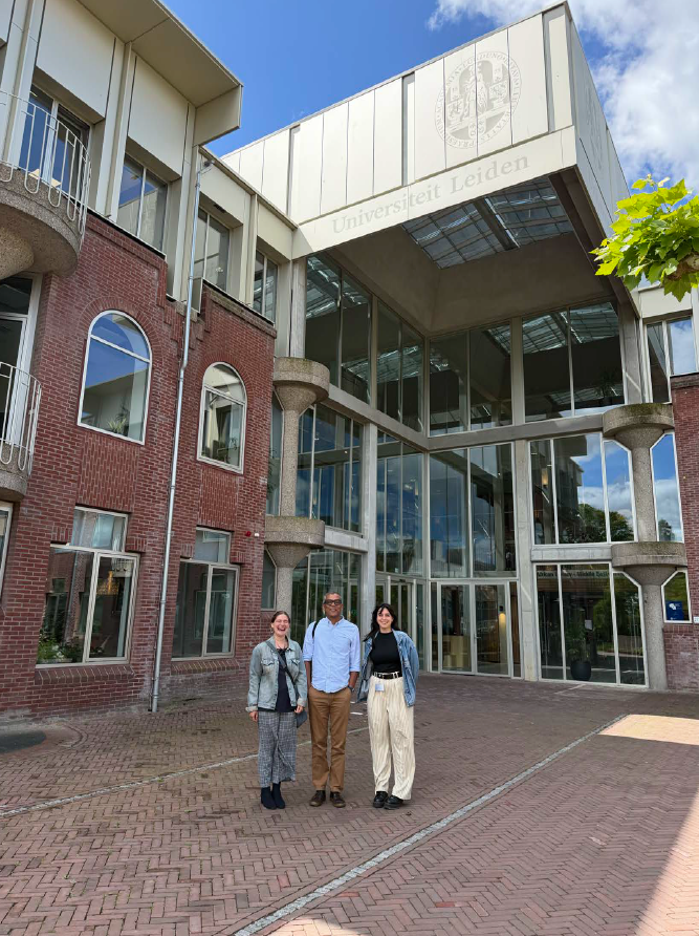
Prof. Stephen Russell meets with the CareCentury Team to discuss “Maternal Care in the Ancient Near East”
Recently, Prof. Stephen Russell (John Jay College, City College New York), a historian of the Hebrew Bible and the Ancient Near East gave a special seminar to the CareCentury Team.
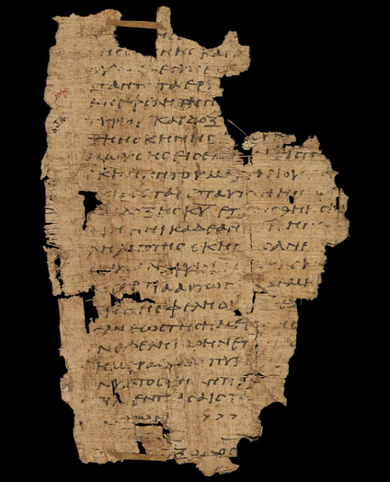
Entitled “Maternal Care in the Ancient Near East,” Prof. dr. Sarah Cramsey and her team read Akkadian legal documents preserved on Cunieform tablets, lullabies from the ancient world, portions of Hammurabi’s Legal Code which corresponded to early childcare norms about wet nurses and parenting, stories from the Hebrew Bible showcasing maternity and early childcare as well as scholarly articles reflecting on the maternal impact on the transmission of Jewish values. Prof. Russell is a noted expert on the language and texts in the Ancient Near East.
CareCentury doctoral student, Ms. Sophia Pekowsky summarized the value of the seminar with the following quote. “What can texts from the ancient Near East tell us about material cultures of care in 20th century central and eastern Europe? Surprisingly, quite a lot! In a fascinating seminar with Dr. Steve Russell, Borka, Sarah, and I embarked on a close reading of Babylonian legal codes and the Hebrew Bible, focusing on passages relating to the care of young infants and debates around wet-nurses. Through picking apart these ancient sources with an expert in the field, we found intriguing similarities and differences in debates regarding the custody of children and conceptions of motherhood that we see in modern times. Beyond the texts themselves, Steve's dedication to close reading and attention to the author of the text, the world it was written for, and what was not said gave us a renewed attention to analyzing subtext in our own source documents.”
Another CareCentury doctoral student, Ms. Boróka Balogh reflected on the event in a different way. “During our seminar, Dr. Russell walked us through his approach to archival research, and we conducted textual analysis of ancient Near Eastern and Hebrew biblical texts related to early care. He guided us through the subject in a way he saw most useful for our individual research projects, and together we made connections between modern and ancient history research methods at every step of the way. We learned how to distinguish and visualize the relationship between text, its audience in the past and present, its context, and last but not least, its interpreter - the historian. Interestingly, we discussed how the analysis of an ancient text compares to interpreting communist-era documents. I left the seminar with a novel feeling of appreciation for ancient research, understanding how much us, historians of the 20th century can learn from research approaches of the bible and ancient texts.”