

Who was Pieter van der Werff of Leiden Law School?
The Relief of Leiden image: Antonis Aloisius Emanuël van Bedaff (via Wikimedia Commons)
Every year on 3 October, Leiden commemorates the Relief of Leiden and remembers heroes such as Magdalena Moons and Mayor Pieter van der Werff. This year, we look back on our own history and ask: who were the heroes in legal scholarship?
You don't have to go back 451 years to find people who stood up for their ideals. In our own world too, in lecture halls, libraries and courtrooms, there are those who had the courage to go against the grain.
That's why we asked our colleagues: who's your hero? Who inspires you, and why? Egbert Koops and Yvonne Erkens tell us about their role models, offering personal reflections on courage, conviction, and perseverance. Qualities that lie at the heart of Leiden's 3 October celebrations.

Rudolph Cleveringa
By Egbert Koops, Professor of Legal History
Where did Cleveringa find the inspiration for his courageous protest speech against the dismissal of the Jewish professor Meijers by the German occupiers? He wrote about it in his wartime diary. In September 1940, a stained-glass window was unveiled in St Peter’s Church in honour of Marnix of Sint Aldegonde, an associate of William of Orange and the presumed author of the Dutch national anthem, the Wilhelmus. Cleveringa was present. A number of Germans and NSB members were present as well. The Wilhelmus was sung. Then, in October 1940, the commemorative service marking the Relief of Leiden took place. Cleveringa attended that too, and once again the Wilhelmus was sung. The occupiers could hardly forbid it, as the national anthem was included in the Dutch Reformed hymnal as a religious hymn. Both occasions were charged with emotion. The minister drew a clear parallel between the steadfast resistance to the Spanish siege and the circumstances of the day. In his wartime diary, Cleveringa describes the almost irrational anger he felt, as well as the sense of unity and emotion that accompanied the singing during the Relief of Leiden commemorations.
Very recently, Ward Hoskens spoke about this in the annual historical lecture of the 3 October Association. He recently completed a PhD on St Peter’s Church during the Second World War. In Hoskens’s words, Cleveringa was inspired by the Relief of Leiden: 'a man in search of an act of resistance.' That act of resistance became the famous protest speech of 26 November.
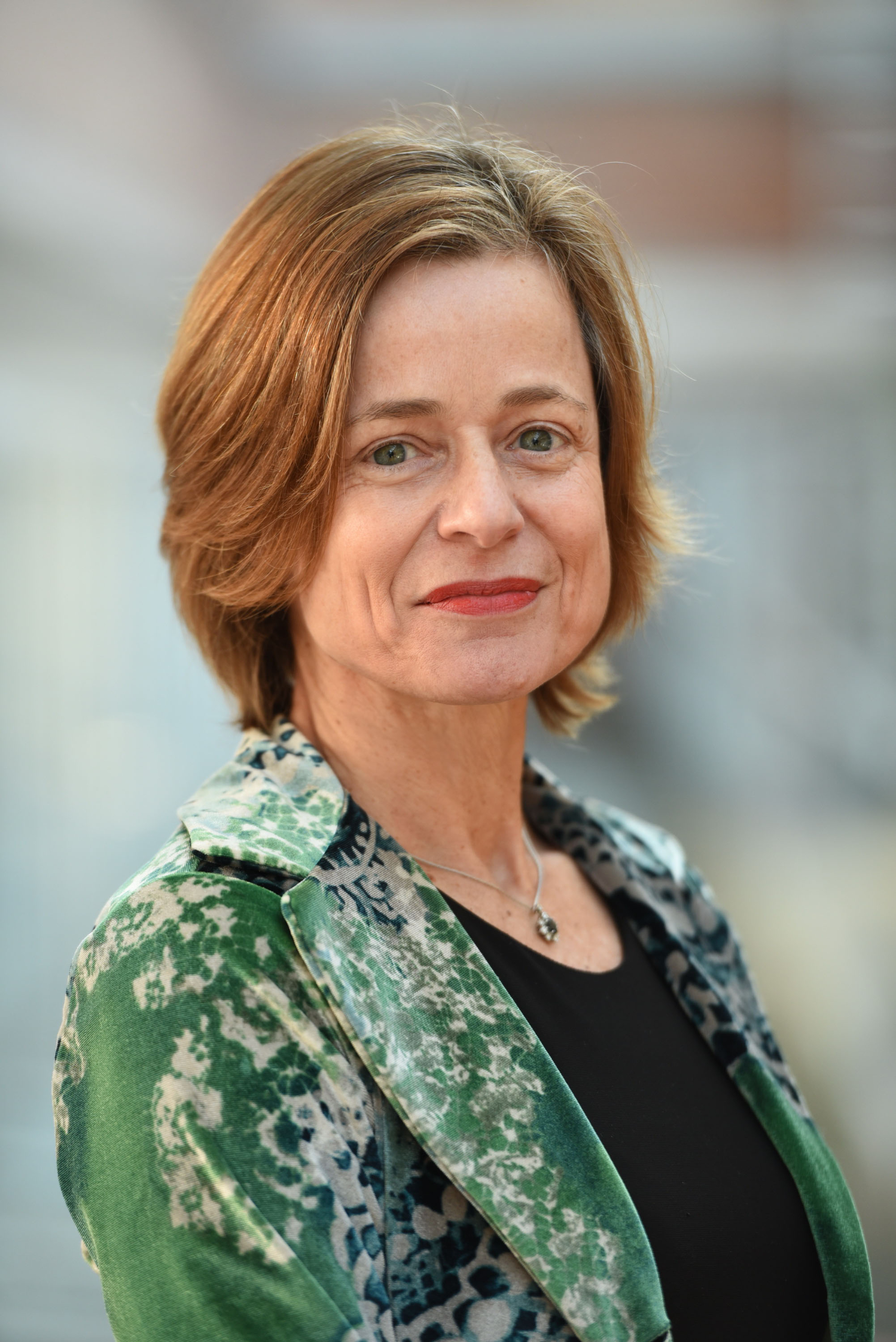
Max Rood
By Yvonne Erkens, Professor of Labour Law
When it comes to heroes, I'd like to pay tribute to Max Rood. He was the man who sparked my interest in labour law through his unconventional teaching style and his remarkable ability to make even the most complex subjects understandable to everyone. As he strode through Lecture Hall 4/5 of the Gorlaeus building, he would shine a pointer at the person he wanted to answer a question.
Not answering was not an option; the term ‘socially unsafe’ had yet to enter the vocabulary. Max Rood was both a thinker and a doer, who wrote about the major issues facing labour law and refused to choose between teaching and research. In his view, doing so would have been akin to Sophie’s Choice. One of the subjects he wrote and debated about was the role of labour law in compensating for inequality, which he regarded as one of its core functions. He made up for his modest stature with a formidable ego. Dutch labour law owes a great deal to this small giant.
Read more about the Relief of Leiden on the website of the 3 October Association.