
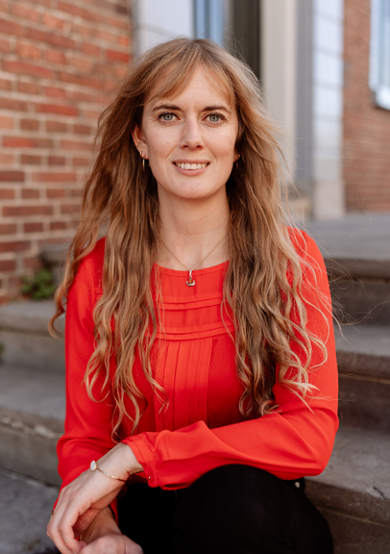
Nathalie Brusgaard appointed new Scientific Director of ARCHON
Appointment
As of 1 January 2027, Nathalie Brusgaard will become the Scientific Director of ARCHON, the Dutch National Research School for Archaeology. With her appointment, the administrative leadership of ARCHON will also transfer to the Faculty of Archaeology at Leiden University.
ARCHON Research School
ARCHON supports research master's students and PhD candidates in archaeology through courses, workshops, and networking activities. The research school also serves as a discussion partner within the Dutch archaeological sector. As director, Brusgaard will focus on the further development of this educational programme and on strengthening connections between universities and the professional field.
'ARCHON plays an important role in the training of young researchers,' says Brusgaard. 'Its programme ranges from courses on academic skills, such as publishing and grant writing, to specialist topics including drone archaeology and agent-based modelling.'
Administrative leadership
According to Brusgaard, the transfer of ARCHON’s administrative leadership to Leiden creates new opportunities for the faculty. 'Leiden will be much closer to the centre of operations. We will be able to bring experiences from the faculty into ARCHON while also feeding ideas and developments from the national network back into our own degree programmes.'
For Brusgaard, the appointment also has personal significance. During her own research master's programme and PhD trajectory, she frequently participated in ARCHON activities. 'I benefited enormously from ARCHON’s courses and events. It is rewarding to now be able to give something back to a new generation of students and PhD candidates.'
The future of archaeology
Brusgaard looks forward not only to the administrative challenge but also to the opportunity to work with colleagues from across the country on the future of the discipline. 'This position gives me the chance to look beyond a single university. How can we support archaeology students throughout the Netherlands while also contributing to a stronger archaeological sector? That is a challenge I find both important and inspiring.'