
‘Materiality, Religion, and the Environment’: L*CeSAR’s second workshop
On Thursday, the 19th of March 2026, students and staff had the chance to partake in the second full-day workshop organized by the Leiden Center for the Study of Ancient Religions (L*CeSAR). This edition was centered on the role of the environment in relation to religion in antiquity.
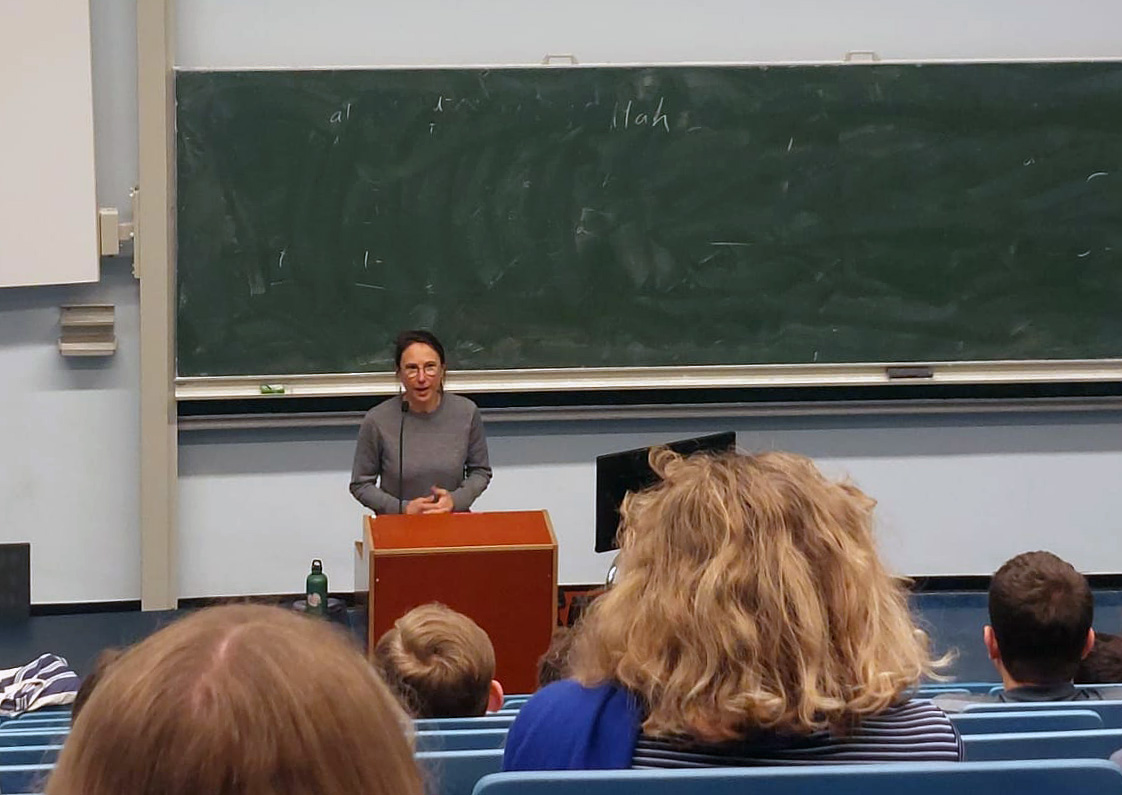
Professor Grand-Clément: Nature in antiquity
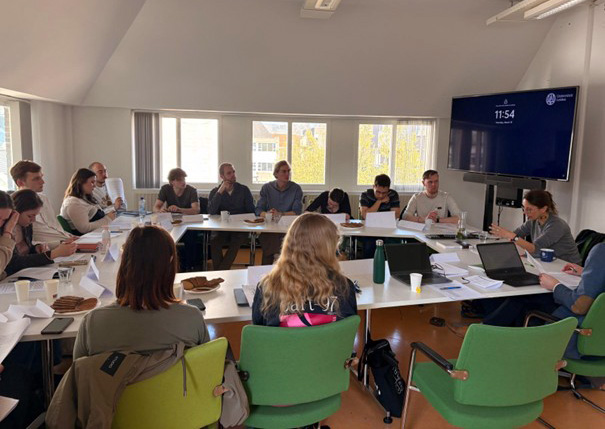
To guide us along this topic, we had the honour of hosting Professor Adeline Grand-Clément of the University of Toulouse. Having previously explored the role of colour and the senses in ancient Greece, she has recently turned her research focus to ancient conceptions and perceptions of the environment. The day started with a special Masterclass, in which a group of interested BA, MA and RMA students took part. After introducing herself and outlining her career, Professor Grand-Clément presented various ancient Greek sources to the students. Here, they took the opportunity to ask questions and engage in an informal discussion about what sacred groves were, the rules governing them, and how the ancient Greeks navigated these religious areas. Specifically, the sacred laws that were often inscribed at the entrance to these sanctuaries were scrutinized by the group, questioning various elements of these ancient regulations.
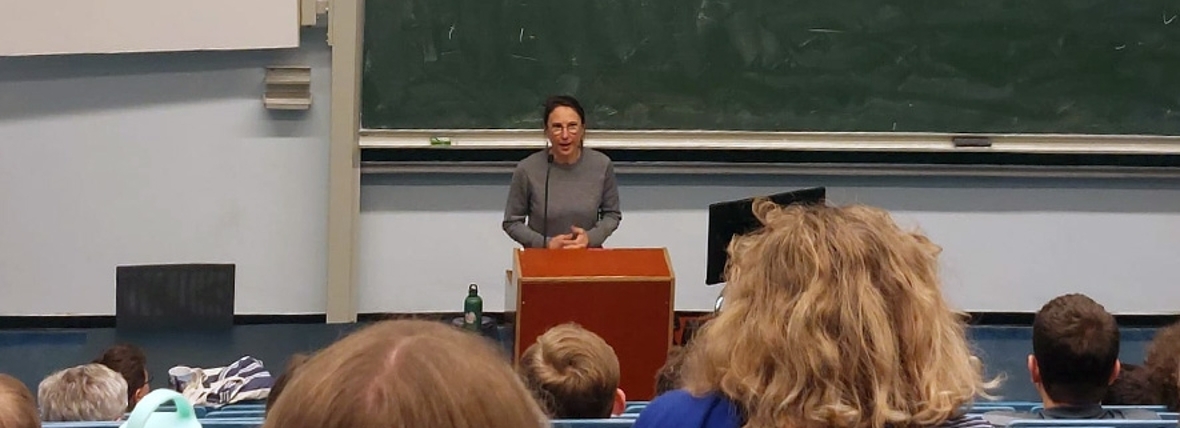
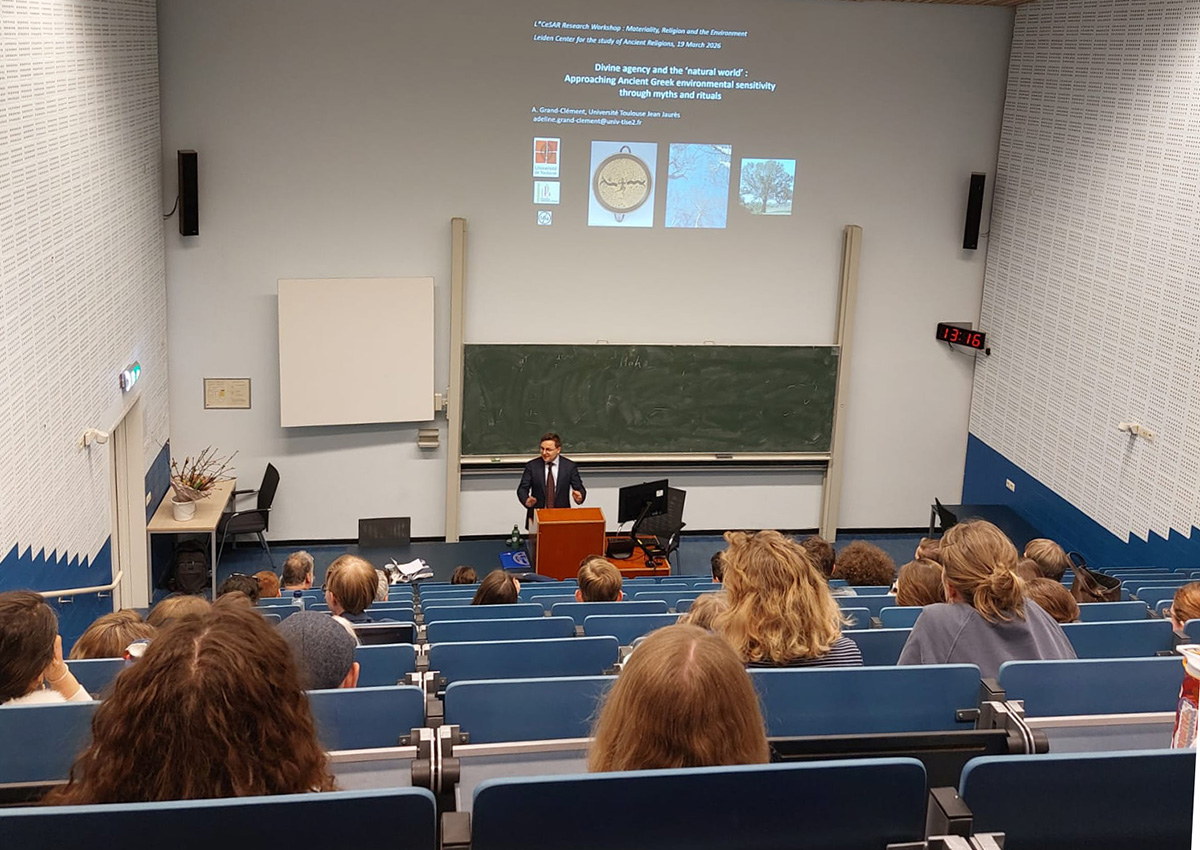
After a short lunch break, the event opened to a much larger audience, as the Masterclass made way for various lectures in the Lipsius building. Professor Grand-Clément opened the afternoon programme with her Keynote lecture, in which she explored divine agency and the environment. To illustrate this dynamic relation, she drew on a range of sources, including both mythological narratives and historical accounts of sanctuaries in ancient Greece. Throughout the lecture, Professor Grand-Clément highlighted the role of human agency and narratives in relation to the environment, as solidarity and community membership proved crucial in their attitude toward nature.
Presentations on the environment
Thereafter, we had two of our early career scholars present their own research on topics related to the environment.
First, Geert Ham presented various examples of artificially created natural architecture in Ptolemaic Egypt. He discussed how natural elements, like cavernous rock walls and gemstones, were incorporated into royal architecture and how this related to the presentation of the Ptolemaic royalty.
Our second speaker was Babs van Eijk, who discussed the river Tiber and how the Romans viewed the deity Pater Tiber in relation to the river itself. She demonstrated there are multiple disconnects between the river and the personification of the river, highlighting a complex relation between the two. Reflecting on the day, she noted:
"The second Workshop of L*CeSAR was, like the first one in December 2025, a great success. It is really nice to meet people from diverse disciplines who are interested in antiquity and study this fascinating time period, to exchange ideas and inspire each other. Prof. Grand-Clément presented an interesting keynote lecture on these sacred groves, which showed innovative ways in understanding the relation between religion and environment in ancient daily life. During this Workshop, I got the chance to present a paper as well, titled ‘Pater Tiber: A River on the Move’. In this paper, I examined the veneration of the river, the role of the recurring floods in this, and how we should understand the relationship between the Tiber and the deity associated with it: Pater Tiber. It was a lovely audience and I got fruitful feedback for future research on this topic. All in all, it was an inspiring day!"
H.S. Versnel Thesis Prize
The day ended with a festive event: the announcement of the two winners of the H.S. Versnel Thesis Prize for the best Leiden MA or RMA thesis in the field of Ancient Religions: Eden Dijkstra and Rosemary Selth. A separate report on the Thesis Prize may be found here.
We would like to thank all those who attended and participated throughout the day. The huge turnout during the lectures demonstrates that ancient history can be both relevant and engaging for students of all disciplines! Many thanks to Leiden University’s Institute for History and the Leiden Center for the Study of Ancient Religions (L*CeSAR) for organizing this event, and the A.G. Leventis Foundation for its generous support.
Tekst: Sebastiaan Kop
-
Professor Adeline Grand-Clément of the University of Toulouse -
Dr Rafal Matuszewski -
Masterclass