
Research project
The many faces of anxiety: Investigating the brain mechanisms underlying different anxiety profiles in Parkinson’s disease
How are different anxiety profiles in Parkinson’s disease related to brain functioning, and how are these relationships influenced by dopaminergic medication?
- Duration
- 2026 - 2027
- Contact
- Julie Hall
- Funding
- Kiem grant
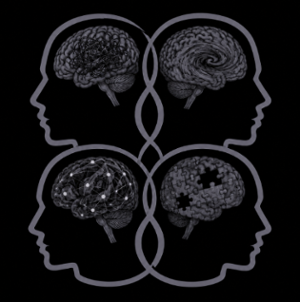
Anxiety is highly prevalent in Parkinson’s disease and significantly affects daily functioning and quality of life. Many patients experience anxiety whilst off medication, yet no study to date has examined the underlying brain patterns in this state. Moreover, anxiety is often treated as a single construct, while patients show diverse patterns such as persistent anxiety, episodic panic-like symptoms, and avoidance behaviour.
This project adopts a profile-based approach to investigate how these distinct manifestations relate to brain function and how dopaminergic medication modulates these relationships. In a pilot study, individuals with Parkinson’s disease and clinically significant anxiety will undergo functional MRI scans both during optimal medication effects and after temporary withdrawal. This enables direct assessment of dopamine-related changes in brain networks involved in anxiety. The study will provide initial insights into neurobiological signatures of different anxiety profiles and support the development of more precise diagnostics and personalised treatment strategies.
Aim of the project
The project aims to improve understanding of the neurobiological basis of anxiety heterogeneity in Parkinson’s disease and the influence of medication, enabling more tailored future interventions.
Interdisciplinary approach
The project integrates psychology, clinical neurology, and computational neuroimaging. By combining clinical expertise with advanced imaging techniques and analytical methods, the study addresses anxiety as a complex and multidimensional phenomenon within Parkinson’s disease.