

Ghent and Leiden celebrate collaboration with annual Thorbecke Lecture
Collaboration image: Yuvraj Klaassen
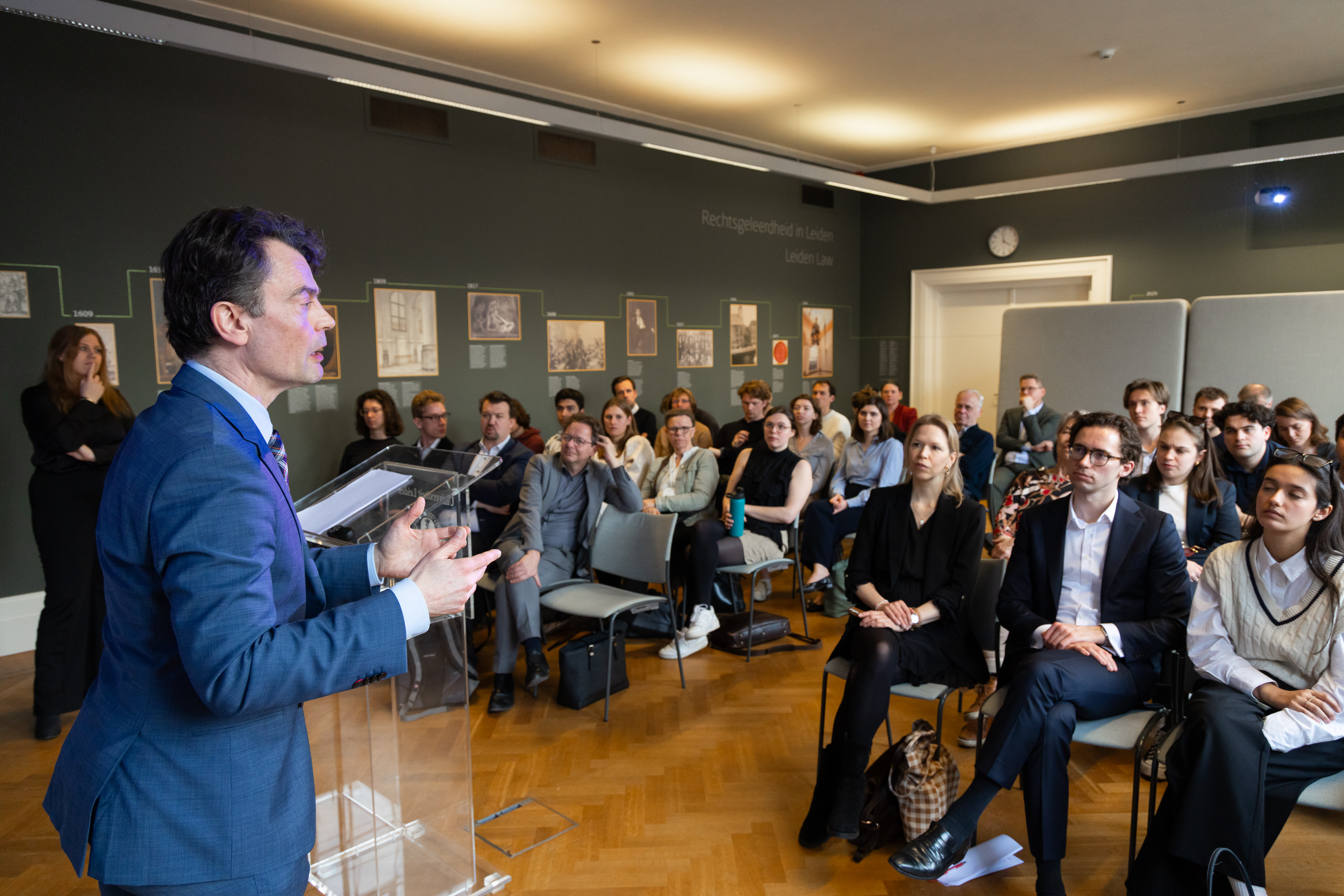
On 6 March, this year’s Thorbecke Lecture was held in Leiden. Christoph Van der Elst of the Faculty of Law and Criminology at Ghent University delivered the lecture entitled: ‘The digital economy and the digital organisation’.
A tradition going back 50+ years
The collaboration between Ghent University and Leiden Law School dates back to 1975. Each year, a professor from one faculty visits the other faculty to deliver a special guest lecture. That lecture, the Thorbecke Lecture, is named after Johan Rudolph Thorbecke, who once taught at both universities. The tradition not only reinforces the historical ties between the two universities but also fosters continued intellectual exchange.
The Lecture: can we let technology make decisions?
In a fascinating lecture, Professor Christoph Van der Elst introduced his audience to the world of the digital economy, focusing on the rise of the Decentralised Autonomous Organisation (DAO). A DAO is an organisation whose operations and decision-making are largely controlled by software and blockchain technology. The ‘beating heart’ of such an organisation consists of smart contracts: computer codes that automatically execute agreements once certain conditions are met, with no need for human intervention.
Members can purchase tokens that often give them voting rights and sometimes an economic stake in the organisation. The most distinctive – and at the same time most challenging – aspect is that participants collectively and automatically determine the organisation’s direction, without the involvement of a traditional central board or management team. Although this is technically revolutionary, it clashes with the current legal reality. At present, the European legal framework lacks an appropriate legal form that aligns seamlessly with this model.



What does the law say?
This lack of a ‘legal framework’ gives rise to complex questions regarding, for instance, establishment and liability. After all, who can be held accountable if the code makes an error and there is no physical headquarters or official management? The regulation of DAOs is complex: their appeal lies precisely in their decentralised, borderless, and seat-independent nature, yet the law must also ensure that such structures are not open to abuse.
The fundamental question for the near future is how we as a society and our legal system should deal with these autonomous digital organisations.
Moot Court competition
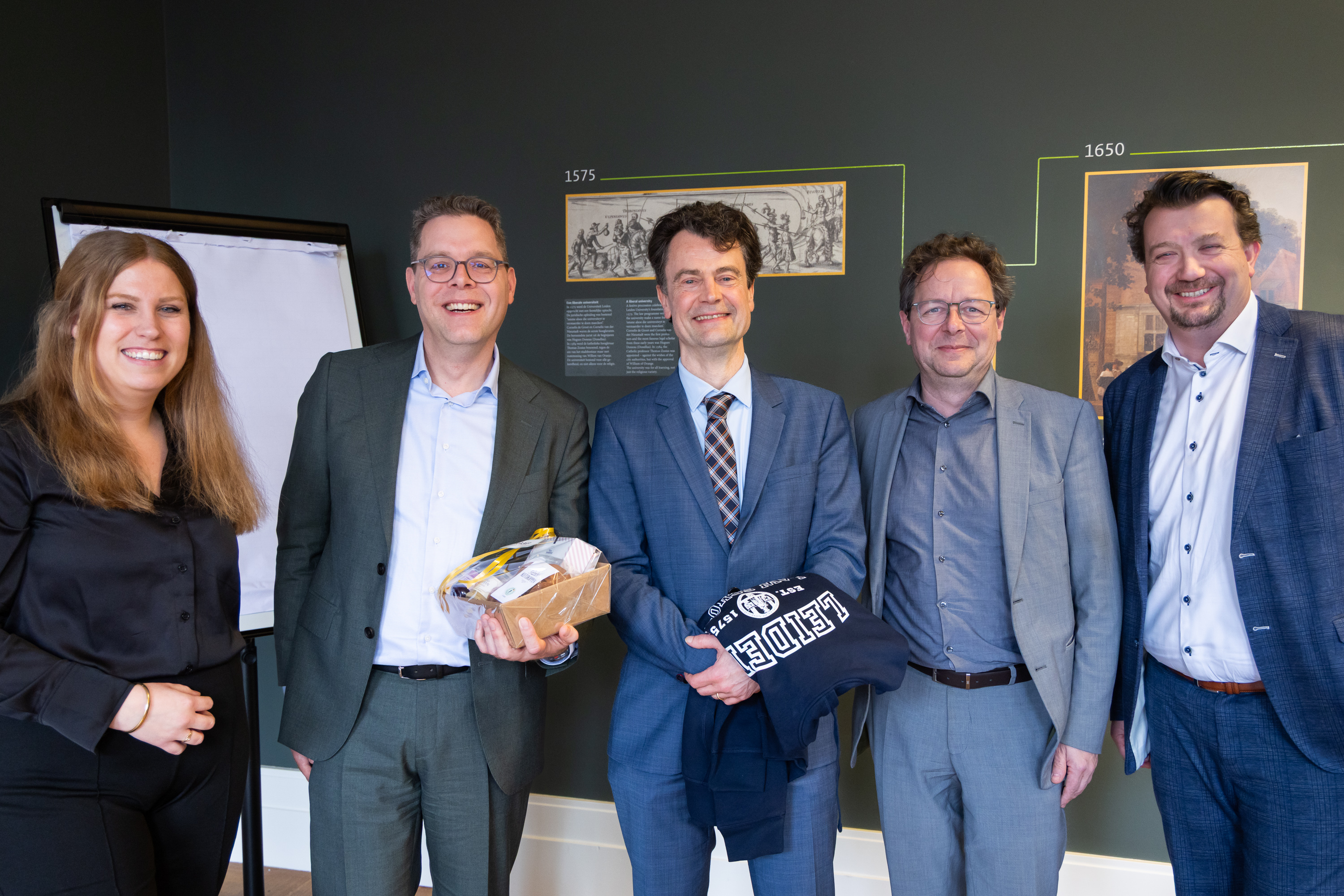
This year’s event once again featured a moot court competition. The contest between the Leiden and Ghent students focused on the question of whether a DAO can be classified as a company – and if so, in what form – as well as which court would have jurisdiction over such a matter. According to the jury, it was a ‘close call’ in a challenging case, but in the end the victory went to Ghent University. Congratulations to Ghent student Adrien Vandersmissen!
As usual, the moot court was a great opportunity for a spirited, yet friendly, contest between students from Ghent and Leiden, as well as a chance to share knowledge and build networks. Next year, the lecture, PhD meeting, and moot court competition will take place in Ghent.