
Research project
The Regeneration Chamber: Mixed methods for reproducible frequency therapy
Does frequency therapy offer health benefits?
- Duration
- 2026 - 2027
- Contact
- Marco Spruit
- Funding
- Kiem grant (Leiden University)
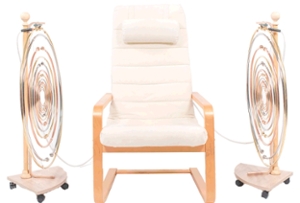
Prof. Marco Spruit (FWN/LIACS and LUMC/PHEG) kickstarts a new interdisciplinary research line on the potentially highly disruptive research on frequency therapy. This research requires in-depth expertise in both qualitative and quantitative data collection and analysis. We will therefore adopt a reproducible mixed-methods approach, using industry-standard methodology to ensure FAIR and transparent research rigour and optimal societal impact.
The approach combines qualitative human psychology-focused interviewing methodology and quantitative Machine Learning-focused data measurement analyses. Dr Laura Nooteboom (LUMC Curium) will contribute her expertise to the qualitative component of the research.
Goal of the project
To establish a meaningful interdisciplinary mixed-methods research theme on frequency therapy between health psychology and health data science that is evidence-based and reproducible.
Interdisciplinary approach
We propose an entirely new interdisciplinary research initiative that combines our extensive expertise in both qualitative and quantitative data collection and analysis techniques.
Marco Spruit is a full professor of data science & AI techniques in population health at the Leiden Institute of Advanced Computer Science (LIACS) at the Faculty of Science, where he leads the Translational Data Science & AI (TDS) Lab. His technical data expertise will be valuable in safely assessing and analysing all generated frequency data streams and potential health effect associations
Laura Nooteboom is Head of Research and associate professor in qualitative methods at LUMC Curium. Her psychological expertise will also be crucial in properly assessing the likelihood of placebo-like effects or other human psychological behaviours.
Several other team members from both our research groups (TDS Lab & Curium) will join our collaboration during the KIEM project. This will further develop and strangthen this long-awaited research collaboration beteween LUMC/Curium and FWN/LIACS.
The KIEM project is concluded collaboratively by writing and publishing a research agenda that will be derived from our qualitative and quantitative outcomes.