
Research project
Testimony of Stones: A New Method in Ancient Traffic Analysis
Can wear traces or amount of abrasion preserved on archaeological threshold and paving stones be used to reconstruct the intensity, duration, and character of ancient pedestrian and vehicular traffic?
- Duration
- 2025 - 2026
- Contact
- Murat Dirican
- Funding
-
 Marie Skłodowska-Curie Actions (MSCA)-PF
- Partners
Ephesos Excavation - The Austrian Archaeological Institute
Kerkenes Excavation - University of Central Florida USA | Middle East Technical University Turkey
Leiden University Faculty of Archaeology – Host Institution | Department of Archaeological Science - Computational Archaeology
Middle East Technical University – Secondment Institution | Mining Engineering Department- Rock Mechanics Laboratory

Research questions
Can wear traces or amount of abrasion preserved on archaeological threshold and paving stones be used to reconstruct the intensity, duration, and character of ancient pedestrian and vehicular traffic?
Sub-questions include:
• How does stone abrasion relate to the quantity and type of traffic passing over a surface?
• Can experimental and engineering methods provide reliable estimates of ancient movement intensity?
• How can archaeological, geological, and computational data be integrated to model traffic flows within ancient cities?
• Can such methods contribute to the protection and sustainable management of archaeological heritage sites exposed to modern visitor pressure?
Abstract
Ancient stone pavements and threshold stones preserve physical traces of movement accumulated over centuries. This project proposes an interdisciplinary methodology to reconstruct ancient traffic intensity by combining rock mechanics, use-wear analysis, experimental archaeology, tribology, and agent-based modelling. Using case studies from Kerkenes (Iron Age Anatolia) and Ephesus (Hellenistic–Roman Anatolia), the project investigates how abrasion patterns can reveal the frequency, duration, and nature of past movement. By transforming abraded stones into quantitative archaeological evidence, the project aims to establish a new research agenda linking movement studies, heritage science, and urban archaeology.
Social relevance
Every city tells a story through its streets, buildings, and monuments. Yet one of the most fundamental aspects of urban life—the intensity of human movement—remains largely invisible in the archaeological record. This project seeks to reveal how people moved through ancient cities by studying the wear preserved on stone pavements and thresholds.
The research has implications far beyond archaeology. Understanding long-term patterns of movement can contribute to modern discussions on urban design, crowd management, and heritage conservation. The project can also provide new tools for predicting and mitigating visitor-related wear at archaeological sites, helping heritage managers protect vulnerable monuments for future generations.
Scientific relevance
Archaeologists can often identify routes and spaces used in the past, but rarely can they empirically estimate how intensively those spaces were used. This project addresses that gap by introducing a new methodology that combines rock mechanics, tribology, use-wear analysis, and computational modelling.
By transforming abrasion traces into measurable archaeological data, the project aims to establish a quantitative approach to movement studies. The research will also expand the scope of use-wear analysis beyond traditional artefacts such as tools and grinding stones to include architectural elements, potentially opening entirely new directions for archaeological interpretation.
Why Leiden University?
A Unique Environment for Interdisciplinary Innovation
Leiden University offers one of the world's strongest research environments for digital archaeology and computational modelling. The Faculty of Archaeology combines expertise in spatial analysis, movement studies, experimental archaeology, and agent-based modelling.
The project will particularly benefit from:
• Advanced expertise in Computational Archaeology and Agent-Based Modelling (ABM).
• Access to international archaeological networks and research infrastructure.
• Close collaboration between archaeologists, heritage scientists, and digital humanities specialists.
The project also strengthens Leiden's growing profile in quantitative archaeology by integrating engineering-based analytical methods applied in archaeological research.
From Abraded Stones to Movement Data
The project investigates archaeological thresholds and paving stones from two contrasting case studies:
• Kerkenes — a short-lived Iron Age urban settlement.
• Ephesus — one of the largest cities of the ancient Mediterranean.
The research workflow consists of four stages:
1. Archaeological Context Analysis
• Integrating archaeological, environmental, and historical datasets.
2. Material Characterisation
• Petrographic analysis of stone materials.
• Identification of quarry sources where necessary.
3. Experimental Testing
• Böhme abrasion resistance testing.
• Schmidt hammer test.
• Ultrasonic pulse velocity measurements.
• Unit weight test.
• Experimental archaeology and use-wear replication studies.
4. Modelling
• Agent-Based Modelling (ABM) simulations.
• Testing different ancient traffic scenarios.
• Estimating pedestrian and vehicle densities through time.
Together, these methods will allow the project to quantify relationships between stone wear and urban movement.
Expected Outcomes
(To be updated as the project progresses)
The project is expected to:
• Develop a replicable methodology for estimating ancient traffic intensity from stone wear.
• Produce quantitative models of movement in ancient cities.
• Improve understanding of urban organisation and public space use.
• Generate new datasets linking archaeological observations with engineering measurements.
• Provide practical tools for cultural heritage management and visitor impact assessment.
The results will demonstrate how architectural stones can serve as long-term archives of human behaviour and urban activity.
The methodology developed during the project has applications far beyond the initial case studies.
Future work may include:
• Application to other archaeological sites worldwide.
• Development of digital tools for heritage managers.
• Creation of conservation strategies based on predicted visitor impact.
• Expansion into modern urban environments to study pedestrian dynamics and infrastructure wear.
Ultimately, the project aims to build an interdisciplinary outlook connecting archaeology, engineering, heritage science, and urban studies through the study of movement preserved in stone.
Advisory board and other contributors
Advisory board


Other contributors


Gallery
-
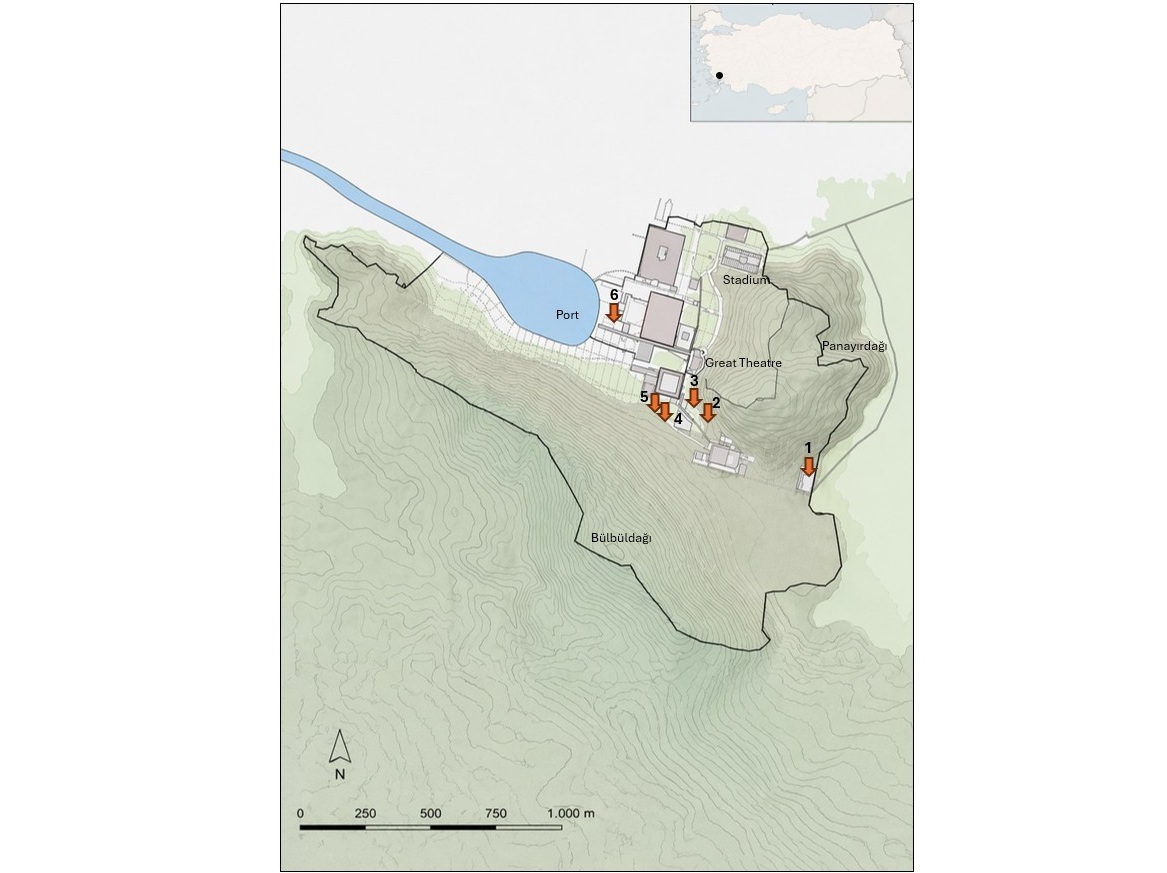
Measurement points made with harmless methods in the ancient city of Ephesus. 1. Corresian Gate, 2. Odeion, 3. Varius Bath, 4. Terrace houses are located on the street with stairs, 5. Terrace houses villa, 6. Middle port gate -
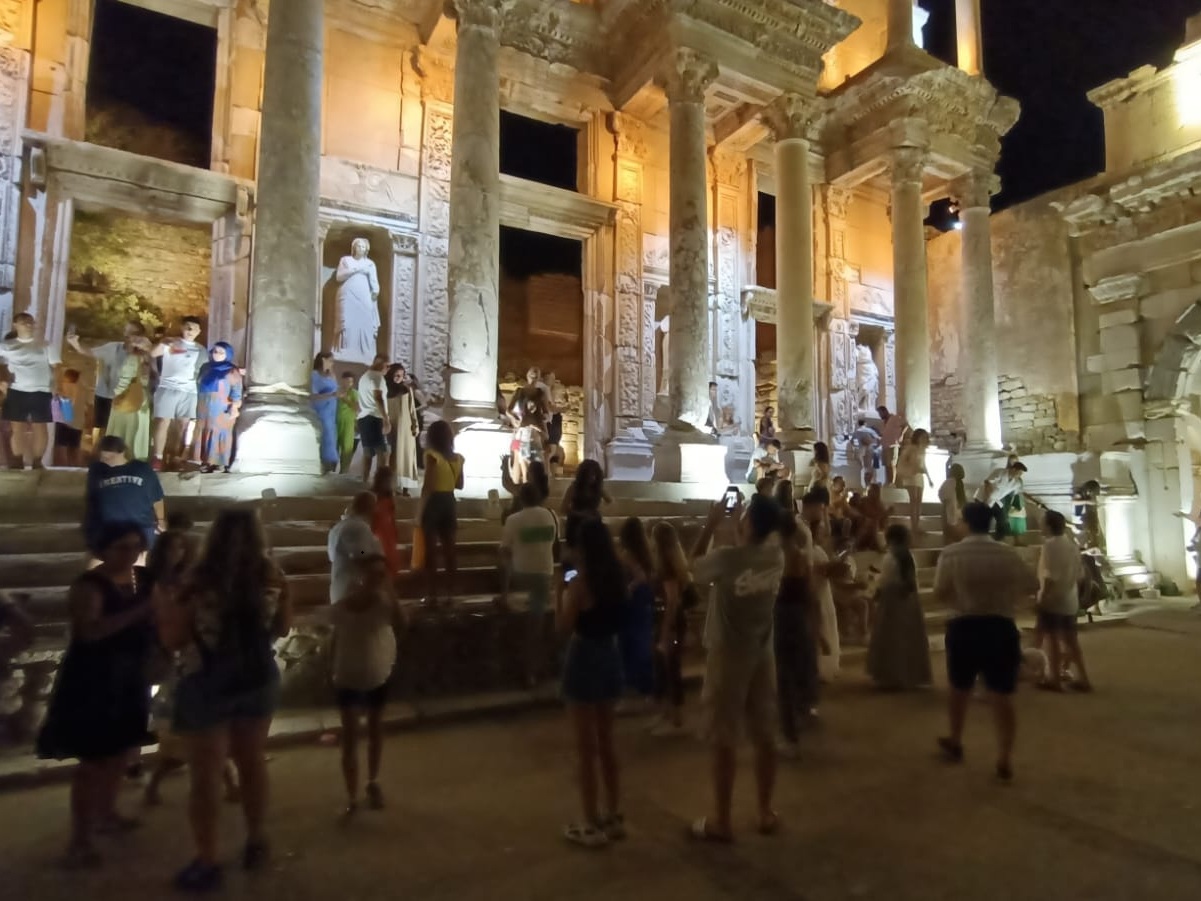
In 2024, the Ministry of Culture of the Republic of Turkey launched a night museology program covering many museums and ancient cities. In this context, the ancient city of Ephesus hosted approximately 2 million visitors last year (photo from Celsus Library) -
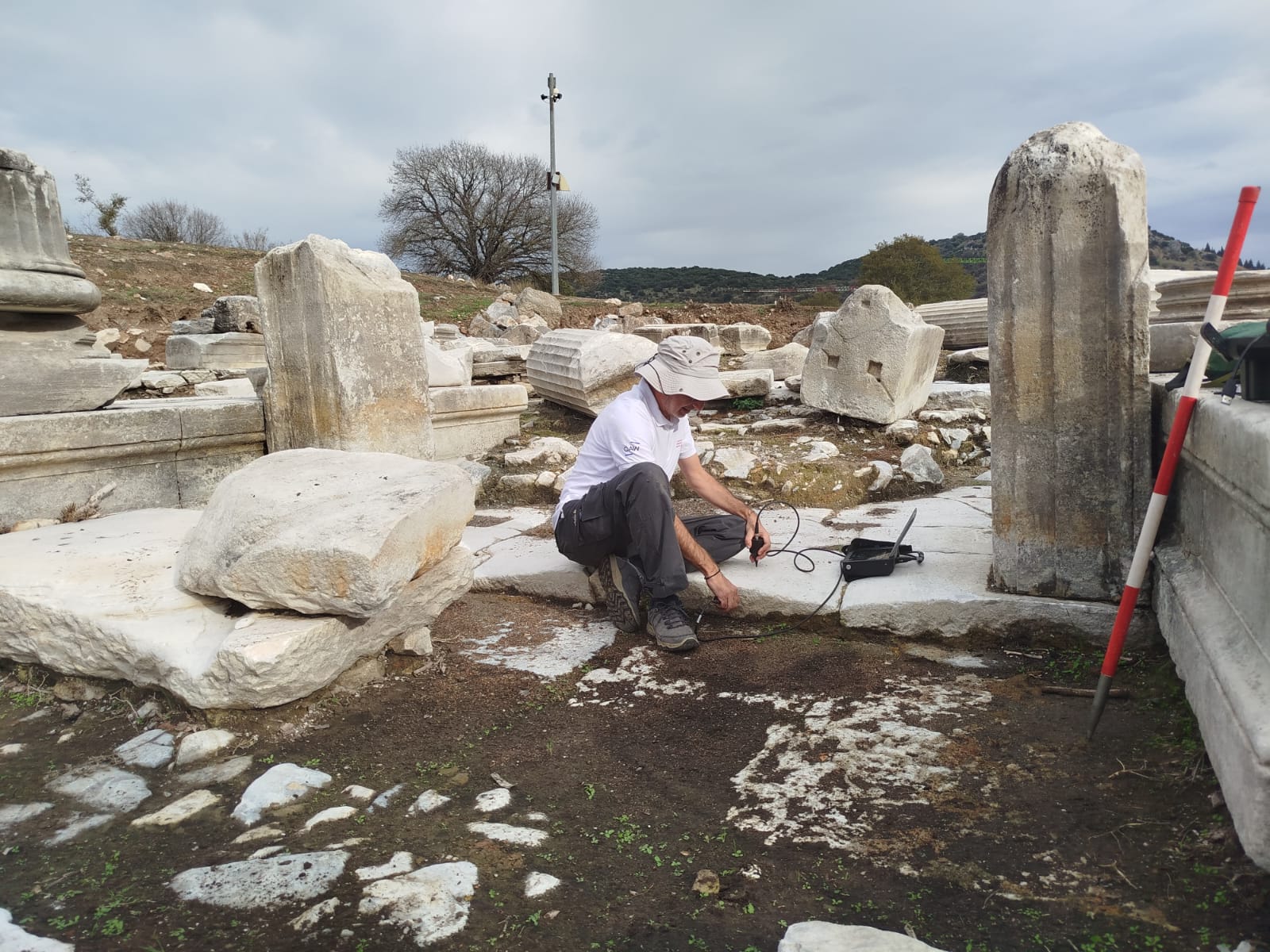
At the Middle Harbor Gate (6. Test point) Ultrasonic Pulse Velocity measurement -

Ultrasonic Pulse Velocity measurement at the entrance of the Various Bath (3rd test point) -
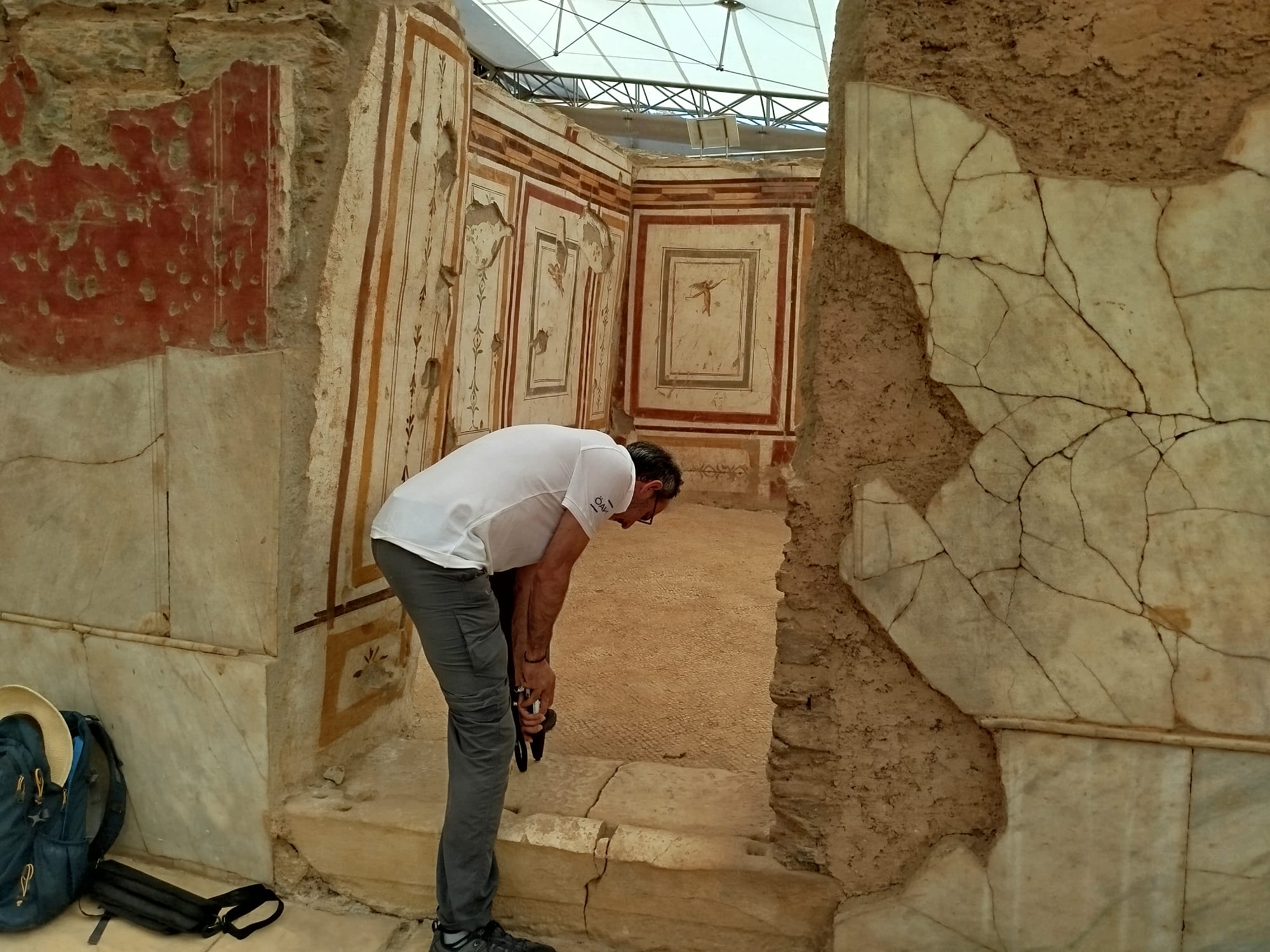
Schmidt Hammer measurement in tesas houses (5th test point) -
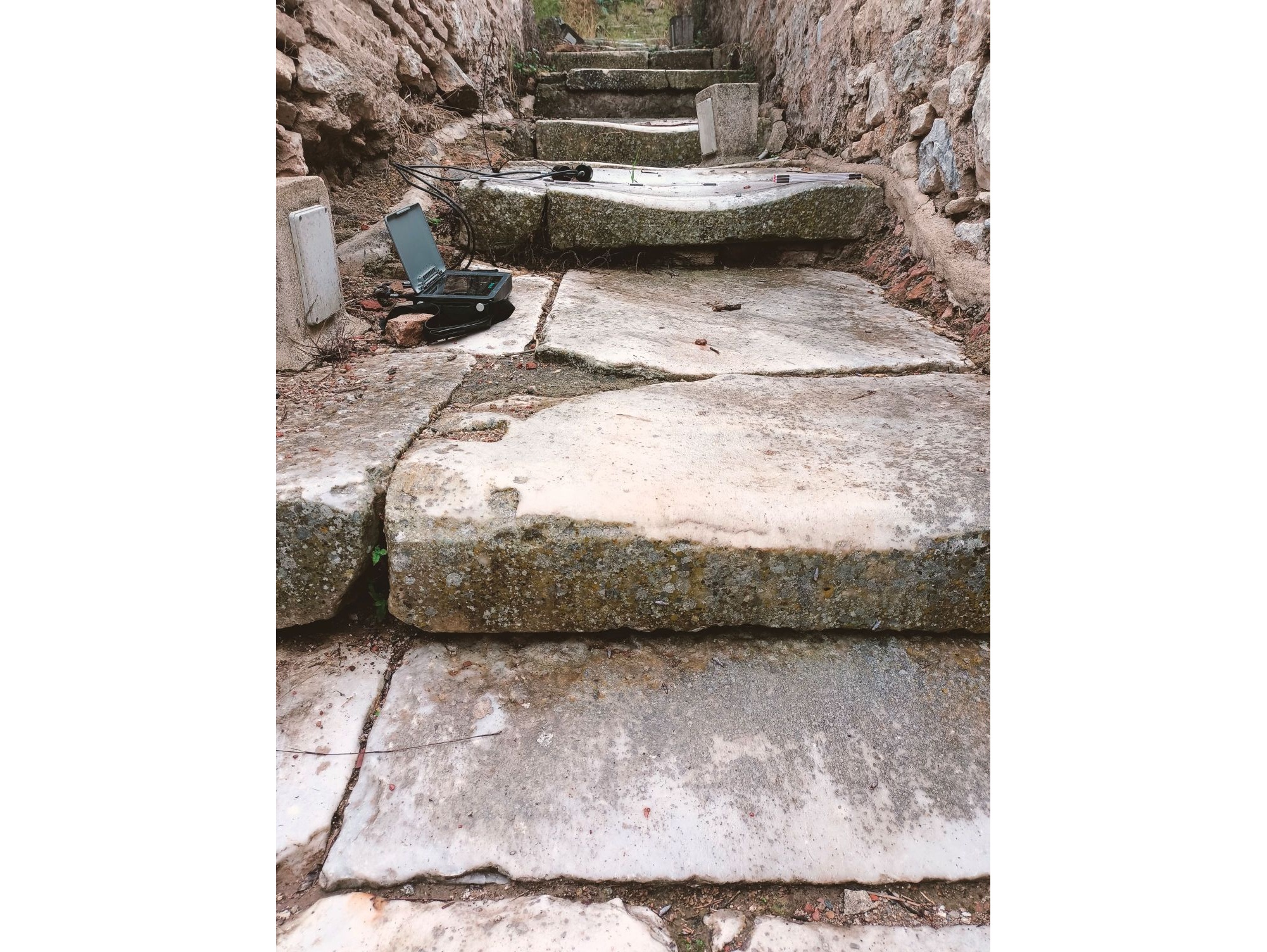
Terrace houses on the street with stairs (3rd test point). Wear on the meridvens -
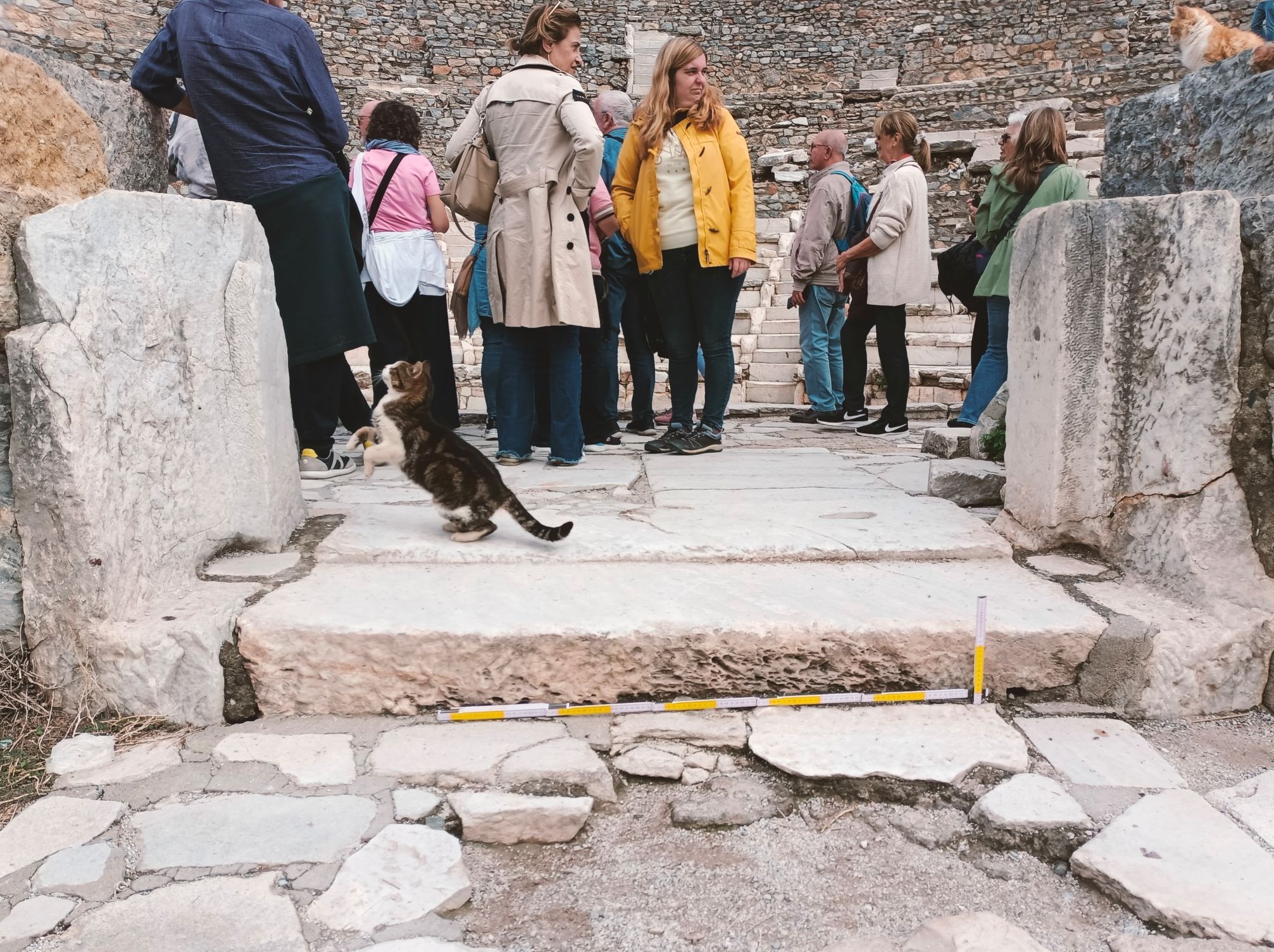
Residents and guests of Ephesus. Odeion entrance (2. Test point) -
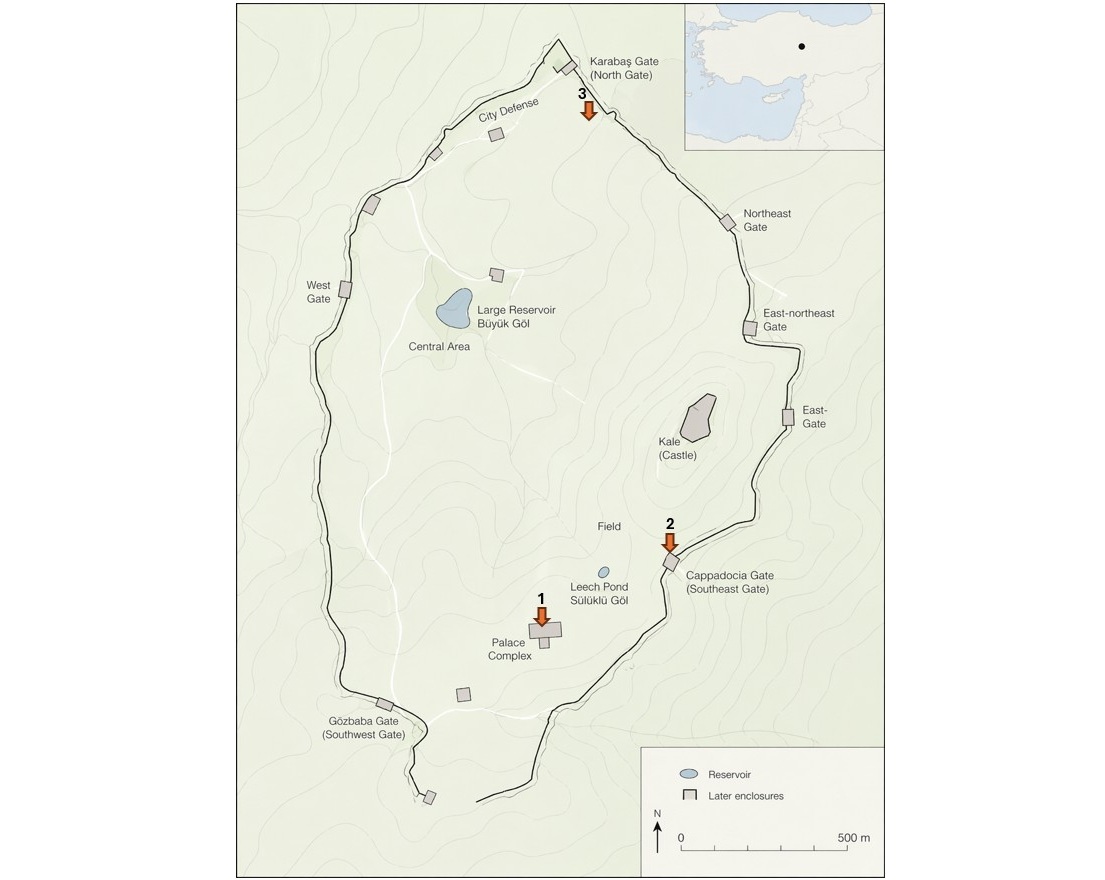
Measurement points made with non-destructive methods in the Hittite city of Kerkenes. 1. Palace enterence, 2. Cappadocian Gate, 3. Urban Place (UP8) -
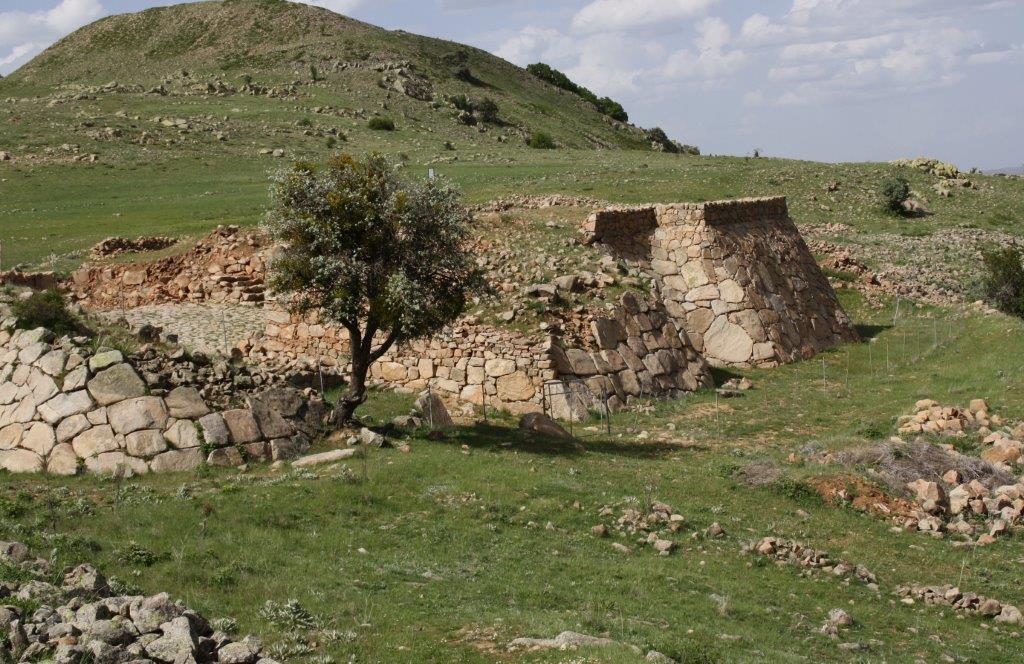
City wall of Kerkenes -
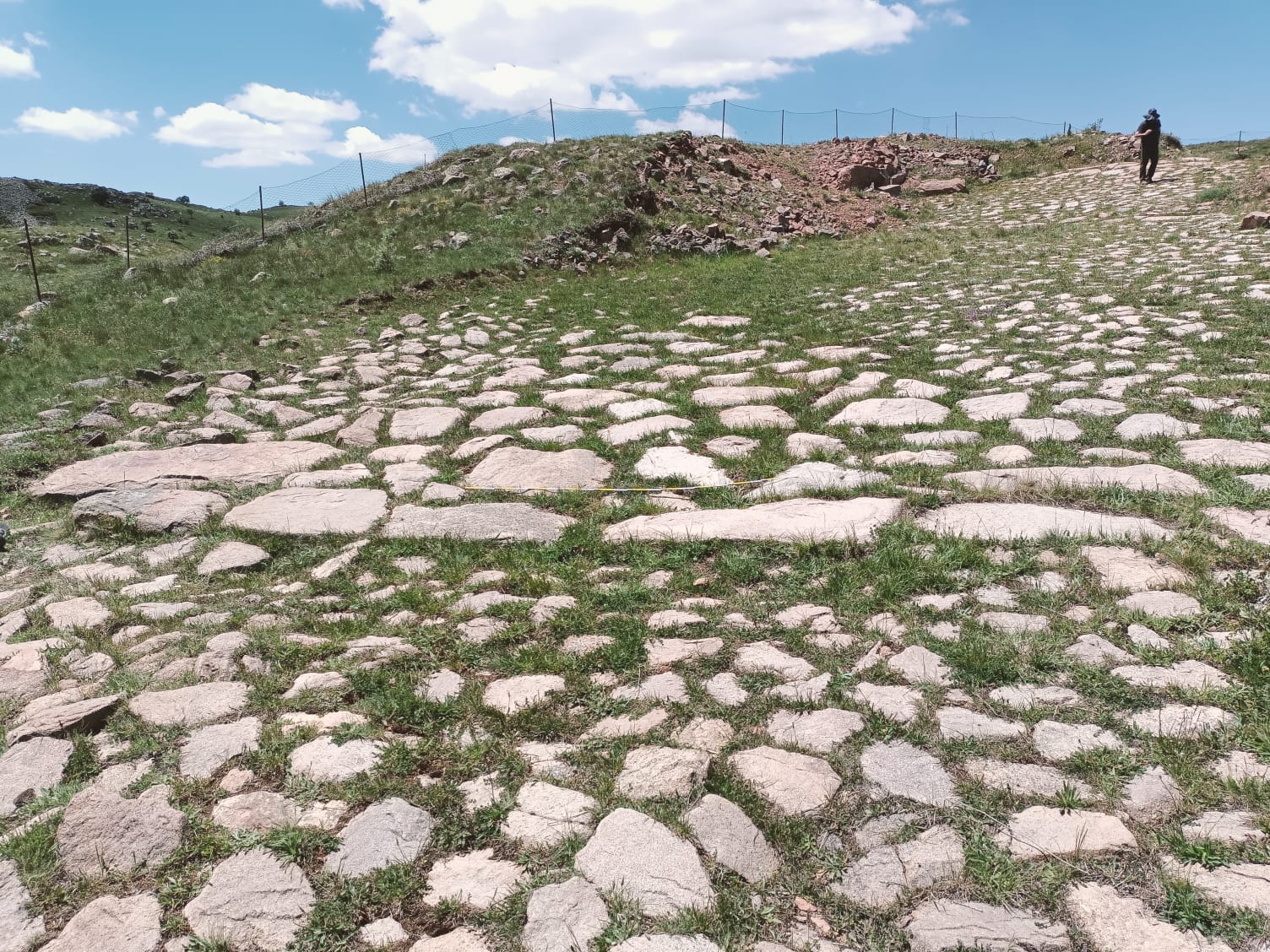
Palace entrance -
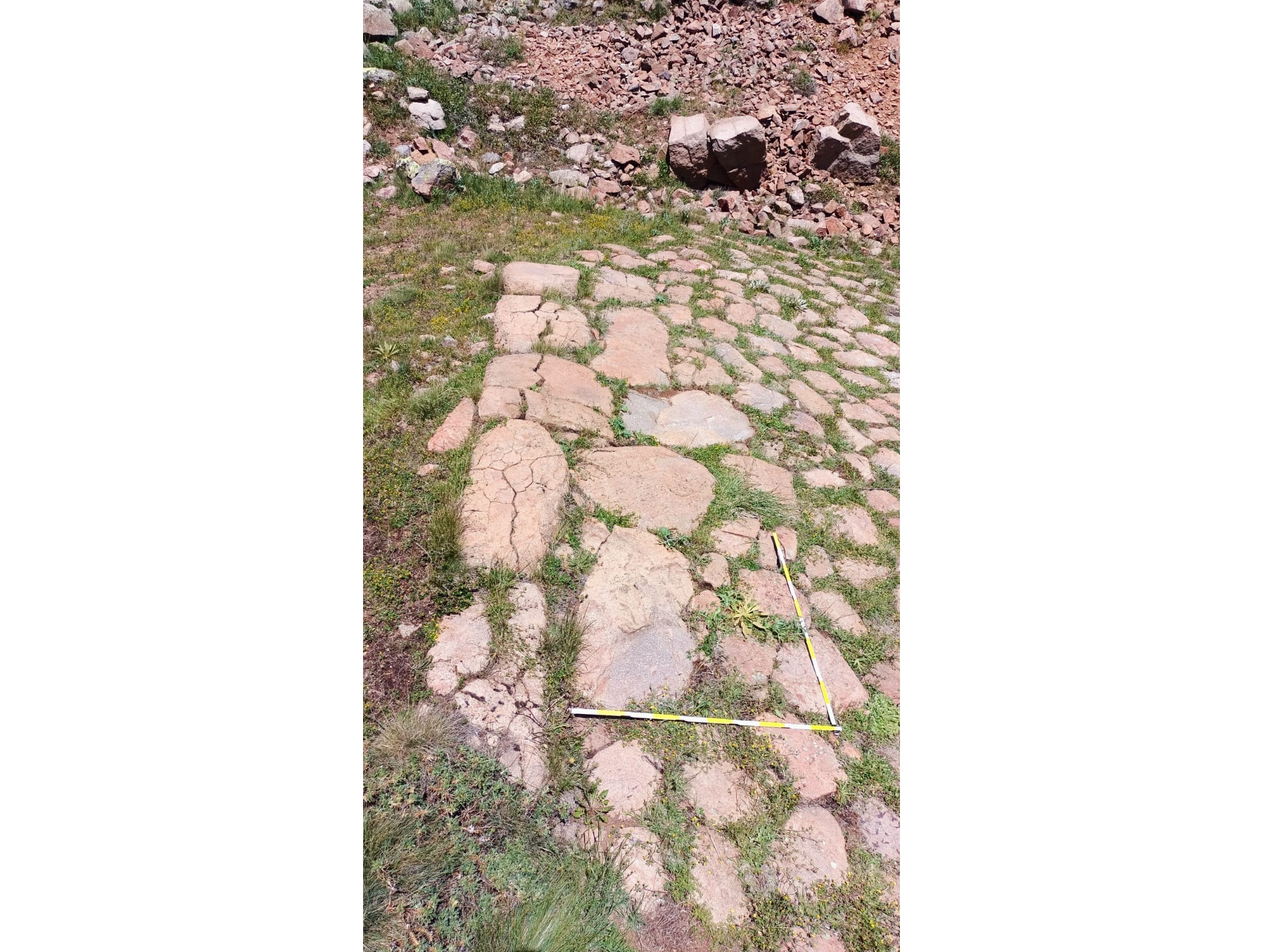
Cappadocian Gate -
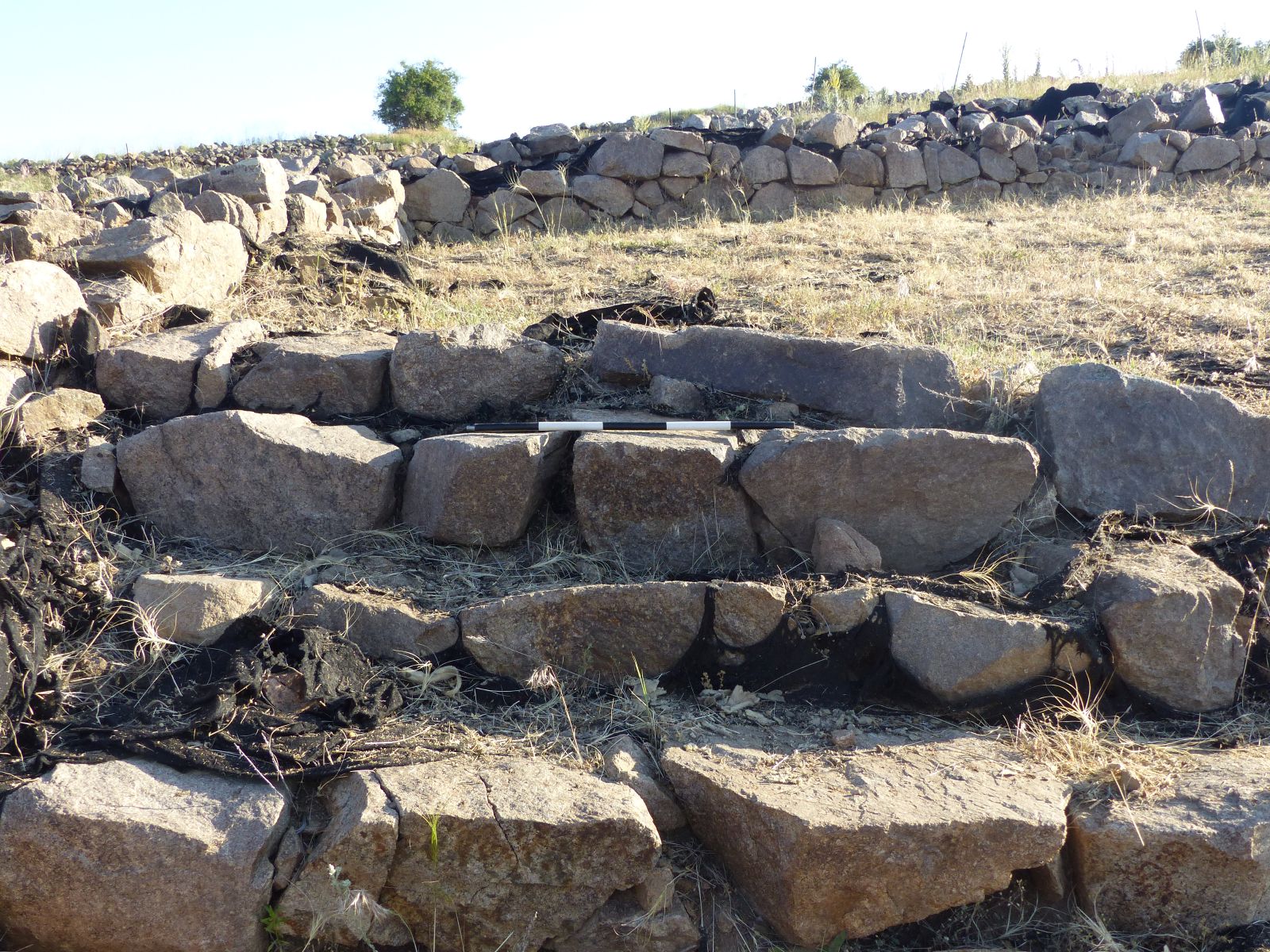
Urban Place (UP8)