
The fight against lung cancer doesn’t begin in the hospital
World Lung Cancer Day
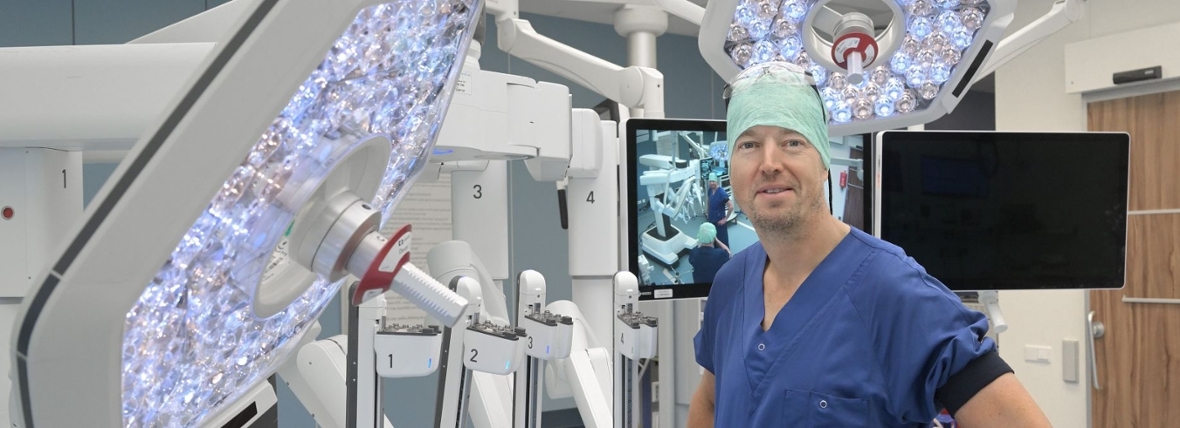
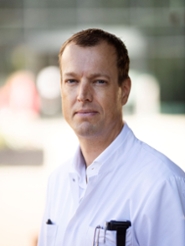
World Lung Cancer Day (1 August) is not just about the disease; it’s about the person behind the diagnosis. We spoke with Professor of Lung Surgery Koen Hartemink (LUMC, Netherlands Cancer Institute) about the future of lung cancer treatment.
Hartemink believes that the future of lung cancer treatment lies in a combination of prevention, early detection, collaboration, innovation and knowledge sharing. Lung cancer is still one of the most common and deadliest forms of cancer. That’s why we have to invest across the board, says Hartemink. His ambition is clear: fewer people with lung cancer and the best possible treatment for every patient.
His work extends beyond the operating theatre. He advocates scientific research, education and better organisation of care, and tells young people about the risks of smoking and vaping.
Early diagnosis can save lives
Prevention begins with accurate information, says Hartemink. He regularly visits schools to talk about the harmful effects of vaping and smoking. ‘Young people are exposed daily to influencers who present vaping as a healthy alternative to smoking. They have a right to reliable information. As a doctor, I feel it’s my responsibility to provide this.’
He also supports national efforts to determine the effectiveness of lung cancer screening. Early diagnosis can save lives, he says, because tumours are discovered at an earlier stage, allowing for less invasive treatments. Screening has drawbacks that need to be carefully weighed up. ‘It’s expensive, so wouldn’t it be better to spend that money on prevention? And the high-risk groups that you want to screen often fail to respond to a screening invitation. Screening can also detect benign abnormalities, causing uncertainty and leading to additional tests and operations.’
The right care in the right place
Hartemink believes lung cancer care could be organised more effectively and calls for a combination of centralisation and regional delivery.
‘I’m not a fan of offering all treatment in one place. Highly specialised treatments belong in centres with daily experience of providing them, whereas other treatments should be provided as close to home as possible. And I’d rather see one highly specialised centre than four.’ Hartemink thinks that pooling this expertise would not only improve the quality of the treatment but also ensure that scientific research can be conducted more quickly.
Collaboration between hospitals is central to his vision. According to him, many hospitals treat lung cancer, but expertise is often fragmented. ‘If we pool patients, knowledge and experience more effectively, we’ll be able to conduct research much faster and translate the findings into clinical practice and new treatment guidelines much more quickly.’ He gives the example of joint research into early-stage lung cancer that brings data together into one study: ESLUNG.
Patients also play an important role. Hartemink serves on the medical advisory board of the Lung Cancer Netherlands patient organisation and sees daily just how valuable patient input is.
‘The patient organisation bridges the gap between doctor and patient. They know better than anyone what matters to patients and contribute to guidelines, scientific research and new studies.’
Looking ahead
Where does Hartemink think lung cancer care should be in the Netherlands in ten years? His first wish is a better organised healthcare landscape, in which complex lung cancer care is concentrated in a smaller number of larger expertise centres that work intensively with regional hospitals.
He also hopes that collaboration will have become a given in scientific research. He believes the Dutch Thoracic Group, which he founded, has an important role to play in this regard. It should be easy for researchers to share ideas, set up joint studies and build on one another’s expertise. He ends by calling for structural investment in research.
‘It’s often unnecessarily complicated to start scientific studies. Research and innovation deserve much more logistical and financial support. Ultimately, every worthwhile investment pays for itself many times over in the form of better care and societal benefits.’
His mission can be summarised in five points: prevention and awareness; optimal screening and early diagnosis; further improvement of treatments for all stages of lung cancer; more personalised care for metastatic cancer; and permanent investment in education, knowledge sharing and research.
His message on World Lung Cancer Day is loud and clear: ‘The fight against lung cancer doesn’t begin in the hospital. It begins with collaboration, prevention and the determination to improve care every single day.’