Seasons of Interdisciplinarity
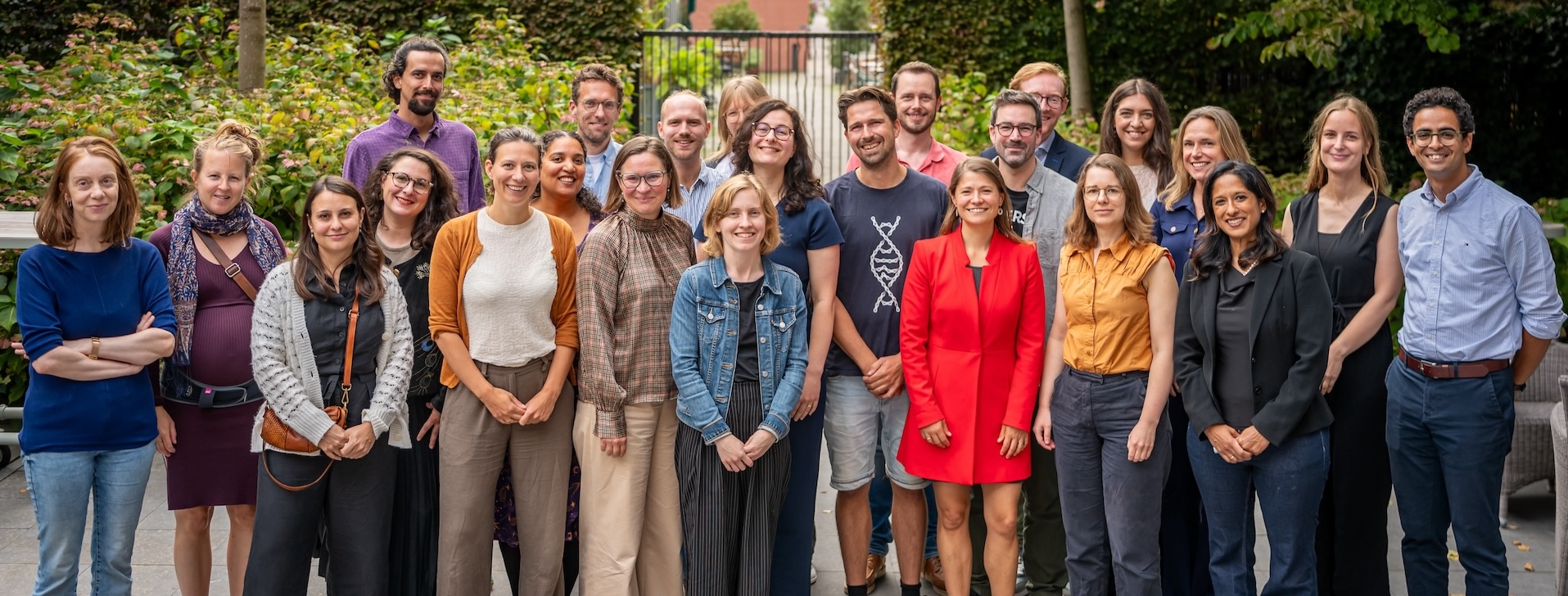
There are many scientific themes with high interdisciplinary potential that early career scholars at Leiden University are working on, but the scientific (and university) infrastructure is often rather insular. The Seasons of Interdisciplinarity are an initiative by the Young Academy Leiden that started in 2021.
The idea behind the Seasons is therefore to create bridges that connect these islands, so that we can find each other more easily, learn from each other, and create interdisciplinary synergies. Scientific challenges are complex, and individual perspectives often limited.
Interdisciplinary collaborations are a wonderful way to address this limitation, and we are confident that science is not only better, but also more fun as a cooperative team effort.
Spring of Time (2026)
Time Talks: Temporality Across Disciplines
When: 20 May 2026, 17:00 - 18:30
Where: Universiteitscampus Spui, Spui 5, 2511 BL Den Haag
When was the last time you stared outside of your window and took the time to let your mind linger? According to the popular philosopher Byung-Chul Han, our time nowadays whizzes and every moment needs to be filled with productivity. In today’s fast-paced world we are unable to face long-term challenges, such as the climate crisis or economic instability. The issues and crises seem too vast and cover such long periods of time that they become difficult to grasp.
It might be time to take a step back and reflect on the concept of time and temporality itself. What does our orientation and conception of time tell us?
Temporality plays a role in every academic discipline. From the timespan of the universe to researching the archaeological traces of the past. And how do people from various cultures and time periods perceive and articulate temporality?
Members of the Young Academy Leiden from various disciplines will give a short talk on the role of temporality in their research. The event will conclude with a panel discussion. What are the overlaps between the various disciplines? And what can these insight teach us about our own sense of time?
This event is part of the Young Academy Leiden’s Season of Interdisciplinarity: Spring of Time and is a collaboration between YAL and Studium Generale. The event will be in English.
Speakers: Dr Marcel van Daalen (Leiden Observatory), Dr Arjan Louwen (Archaeological Heritage and Society), Dr Sara Petronillo (Leiden University Centre for Linguistics), Dr Lieke SMit (Leiden University Centre for the Arts in Society) - Moderator: Dr Anne Urai (Cognitive Psychology)
Register via this link
Planning meets reality in academia
Deep time walk
When: 26 June 2026, 14.00 - 17.30
Where: Haagse Bos, the Hague
Experience 4.6 billion years in 3.5 hours
What if you could walk through the entire history of Earth?
The Deep Time Walk is a guided outdoor experience that translates the 4.6-billion year story of our planet into a 4.6 km walk. With 1 meter representing 1 million years, we travel from the formation of Earth to the present day. Along the way we explore key moments in the evolution of our planet and life itself: the formation of oceans, the emergence of life, mass extinctions, the rise of complex ecosystems - and the very recent arrival of humans.
Deep Time Walk This walk invites participants from all disciplines to step into deep time and reflect on questions connecting geology, biology, philosophy, climate science, and humanity’s place on Earth. Rather than a lecture, it is a shared journey and travel adventure through deep time.
Step into Earth’s deep past and return with a new perspective on the present.
This is a free event, sign up via this link.
Spring of Slow Science (2025)
Sustainable Employability
The Young Academy Leiden hosted a thought-provoking session with renowned organizational psychologist Prof. Aukje Nauta. In a 30-minute lecture, she explored sustainable employability—diving into the hidden dynamics of shame, stress, and conflict in the workplace. What truly matters to us at work? How can we thrive, stay engaged, and remain connected in ever-evolving work environments? Over lunch, participants took part in interactive dialogue sessions where they reflected on their motivations and value in their roles, and how to support sustainable careers.
Slow Science Bookclub
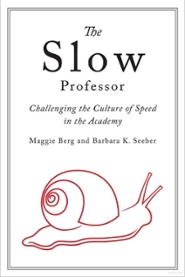
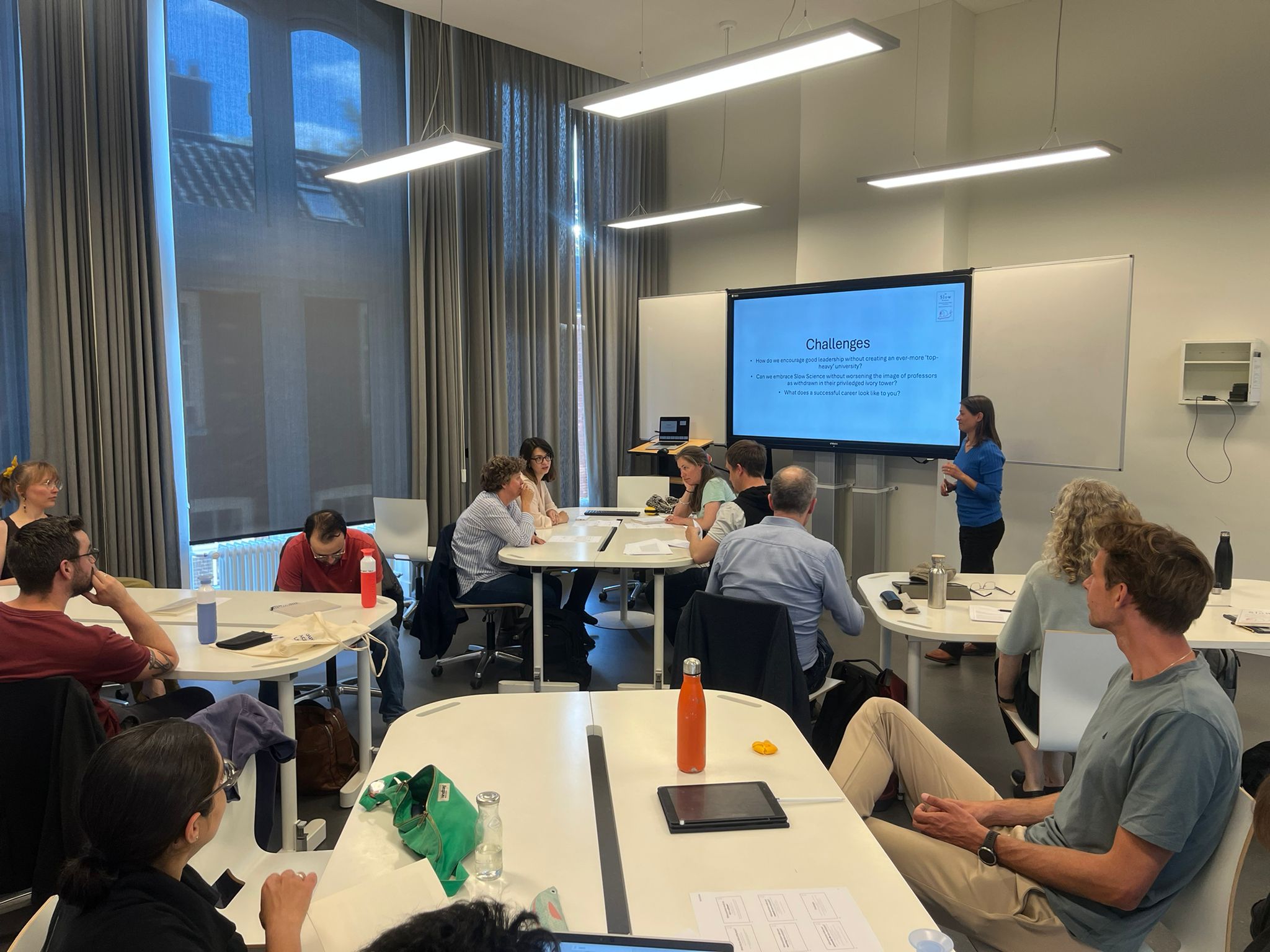
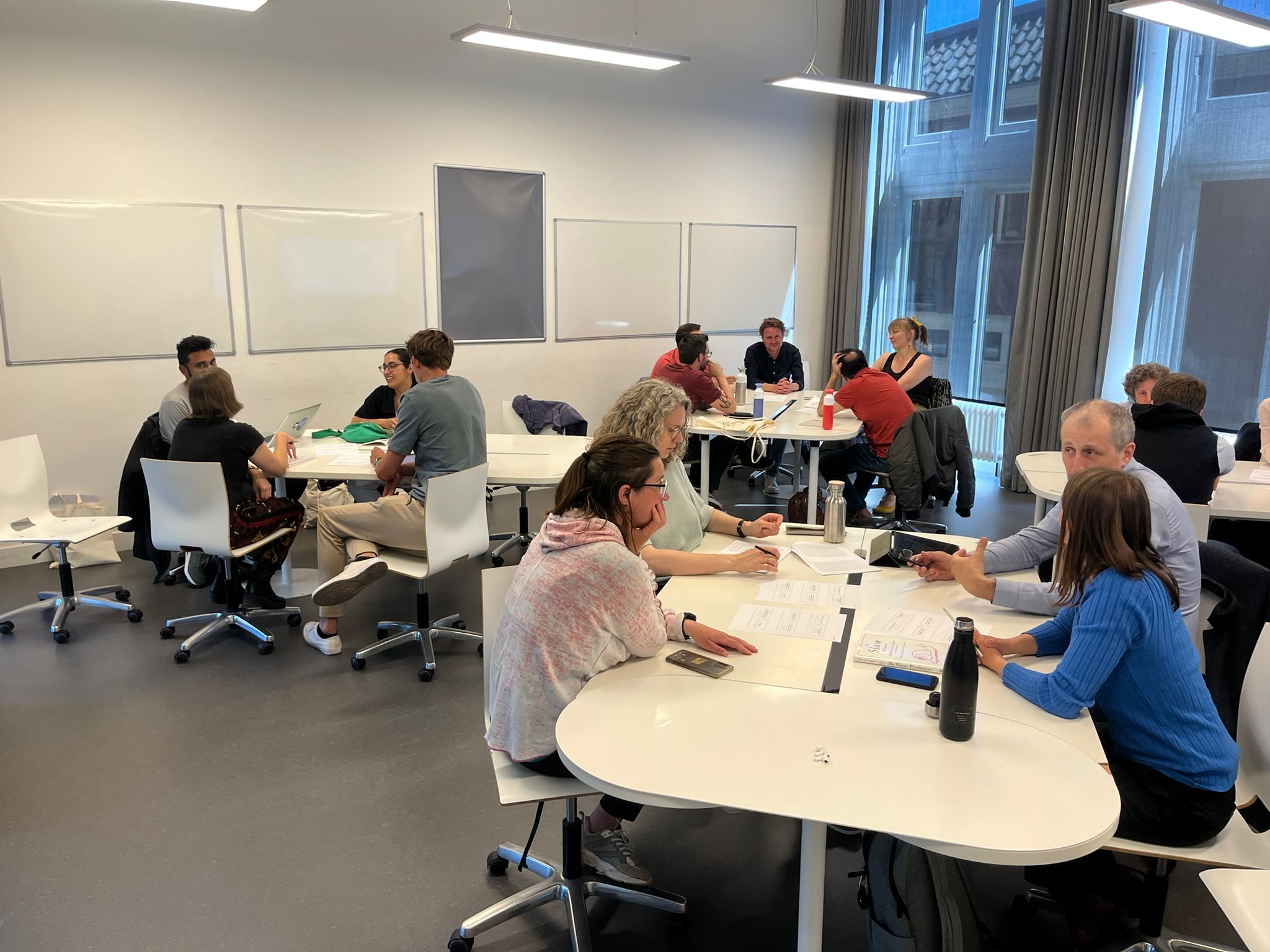
On a sunny afternoon, we gathered to discuss the book The Slow Professor: Challenging the Culture of Speed in the Academy (moderated by YAL member Anne Urai and part of our current Spring of Slow Science). With scientists from across faculties (and even some from beyond Leiden University), was striking how different our experiences were - but at the same time, how much we shared a common frustration with the prioritization of speed above everything else in much of academic life. In small groups, we discussed a set of questions (see here) that helped us learn from each other and share best practices - for setting aside time to write, to changing requirements for PhD theses and to finding a new narrative for working together and creating a supporting and collegial community.
Spring of Art and Science (2024)
YAL Interfaculty Lunch: Art & Science - Visit to Rijksmuseum Boerhaave
Tuesday 16 April 2024, Rijksmuseum Boerhaave
In the theme of the Spring of Art and Science, this interfaculty lunch focused on the collaboration between art and science. Where better to do that than in the Boerhaave museum, with their current exhibition titled “Towards the Black Hole”. Professor and curator Ad Maas took us through the exhibition and discuss how it has come into existence.
YAL and JUL Science Meets Art Exposition
11 June 2024 | 15:00-18:00 | Lipsius
As part of our ongoing Seasons of Interdisciplinarity, YAL and JUL’s Spring of Art and Science explored intersections between academic inquiry and artistic production. In collaboration with LIACS Mediatechnology and ReCNTR, this exhibition aims to highlight works that employ multimodal approaches which challenge conventional notions of knowledge production and artist expression.
The exhibition provided an opportunity to explore examples of multimodality in practice and a chance to interact with artists and researchers at Leiden university working at this intersection.
The event featured the work of two of ReCNTR’s Directors, Mark Westmoreland and Cristiana Strava.
Mark Westmoreland: Broken Ground: Expanding Landscapes
A photo-essay that recounts a collaborative research project in northern Ghana that uses kite aerial photography to introduce new environmental perspectives. Eschewing the technocentric use of drones, the Broken Ground team adopted a more participatory and playful method for creating aerial perspectives that emphasizes community engagement. This shared process fosters generative ways of understanding the complicated relationship between the wounded history of particular places and the aspirations made possible by transforming the material world into resources.
Cristiana Strava: Ori Mi Pe – Good Fortune
A 12 minute video about a women’s weaving cooperative in Nigeria produced as part of the Harvard Sensory Ethnography Lab between 2007-2009. The video offers an experimental and critical response to histories of ethnographic filmmaking and tries to deconstruct the colonialist, paternalist gaze of earlier representations of ‘exotic others’.
Fall of Bias (2023)
Interfaculty Lunch Uncovering Biases - A Journey Towards Objective and Open Scholarship.
A co-hosted lunch workshop between YAL and the Open Science Community Leiden: Uncovering Biases - A Journey Towards Objective and Open Scholarship.
This workshop addressed various cognitive biases, and explored the influence they can have on our work as scholars. It also offered insights on why awareness of these biases and active attempts for mitigation can be crucial to adopt a more objective and transparent scholarship.
Interfaculty lunch: Biases
YAL organised an interfaculty lunch meeting on Biases with speakers and participators from multiple faculties.
Dr. Sanne Willems (FSW) and Dr. Akrati Saxena (Liacs) lead an interesting discussion on statistical biases, data misinterpretation, and fairness in social networks.
Summer of Love (2023)
Pubquiz

Hosting a pubquiz with multi-faculty teams was a perfect event to engage the young researcher community and creating an opportunity to form interdisciplinary bridges.
Spring of Science Communication (2023)
Theatrical Presenting workshop
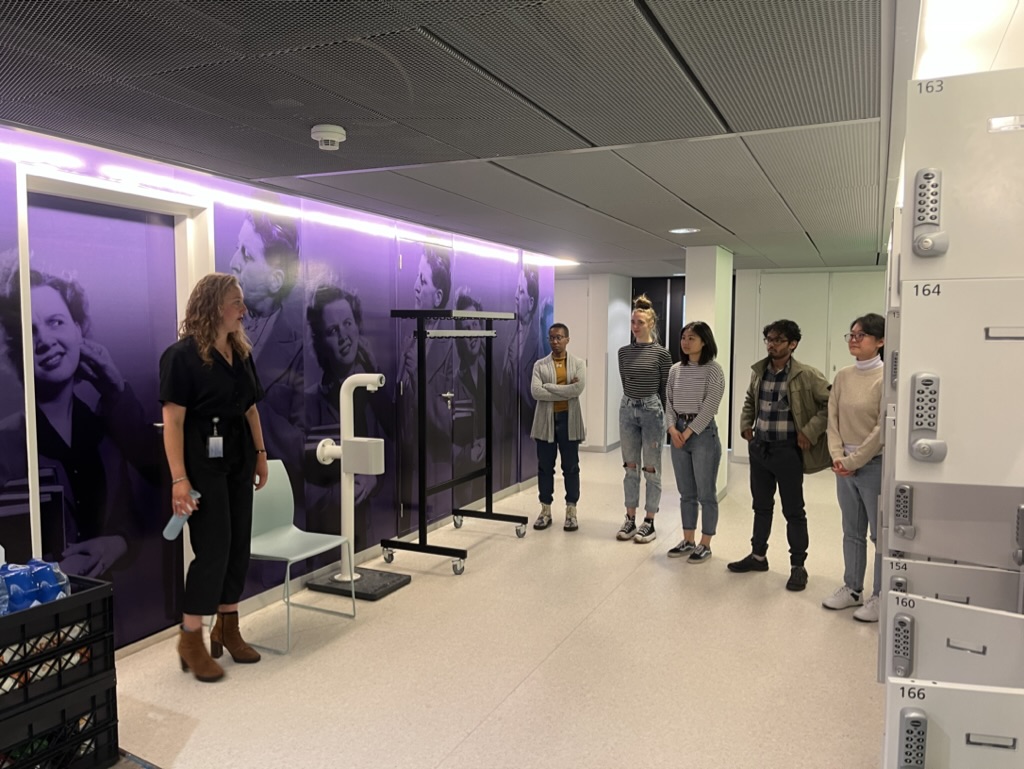
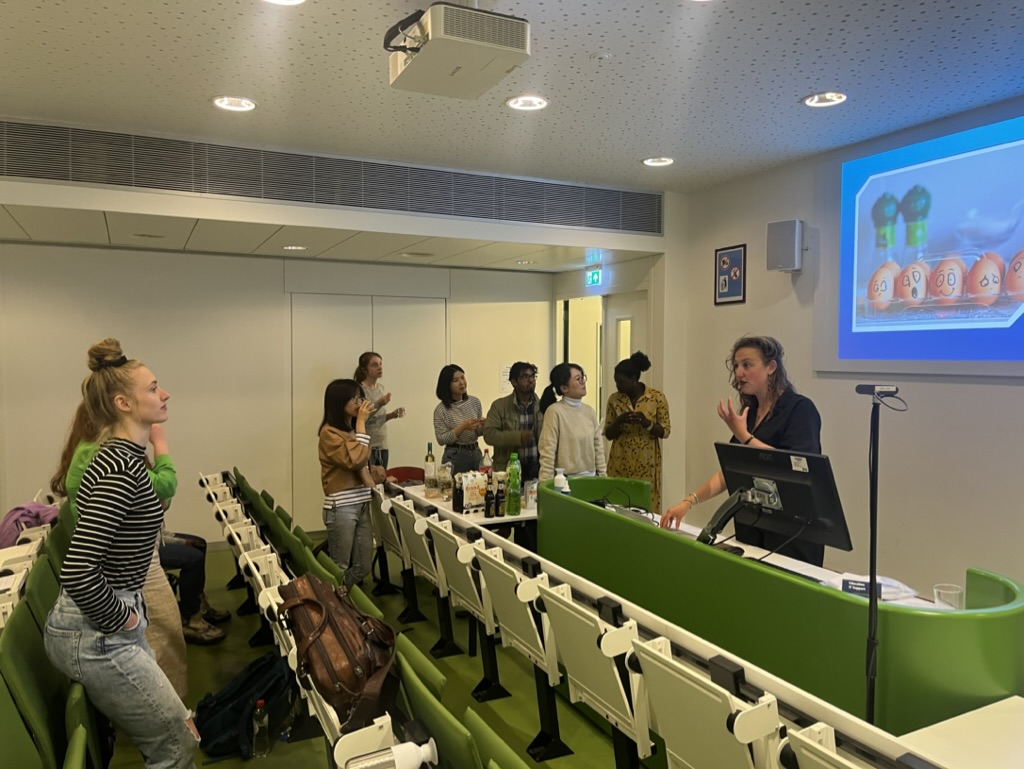
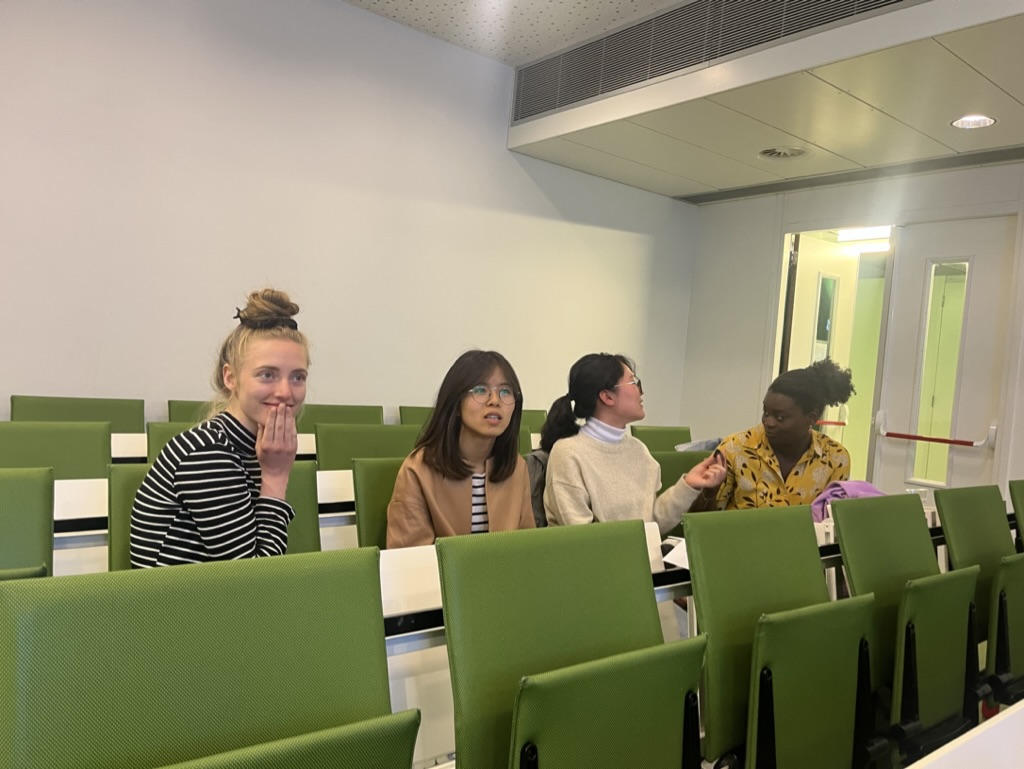
On Thursday May 25th, YAL hosted a workshop ‘theatrical presenting’ by Julie Schoorl at the Sylvius building, followed by drinks.
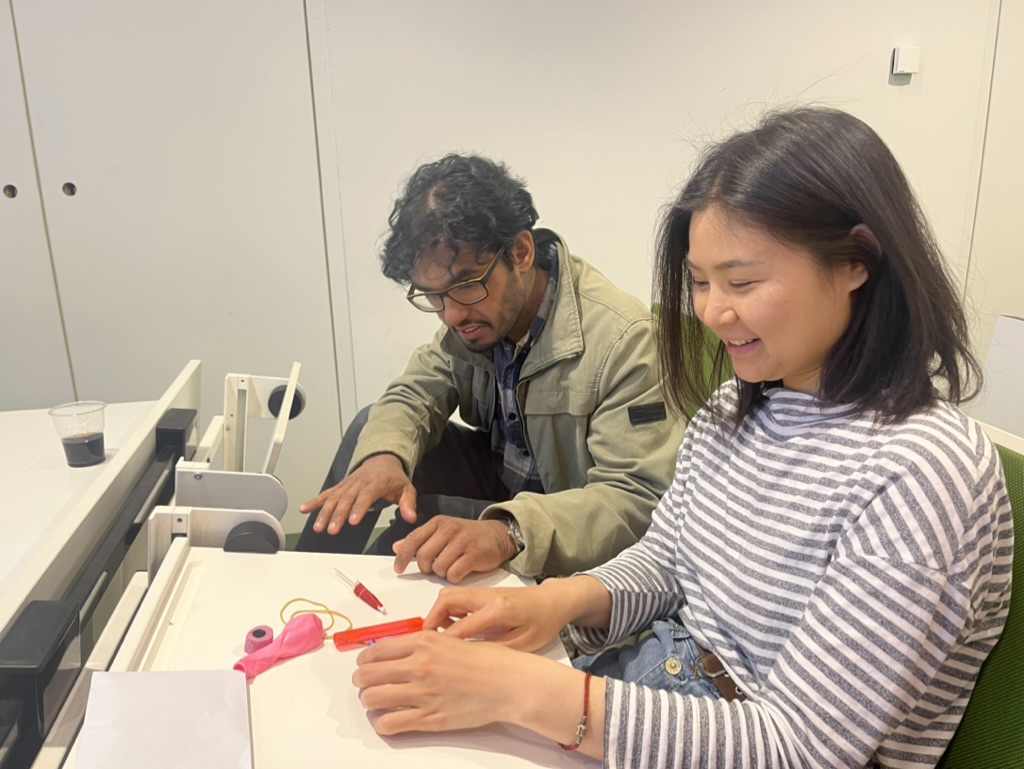
The workshop was interactive and stretched the comfort zone of the participants. Although we started comfortably sitting in our chairs, listening to a lively introduction about presenting, the value of being able to keep your audience awake without using a sprinkler system, using props and different characters from Harry Potter, we soon had to rise from our seats and actively participate in all kinds of exercises.
Julie led us through a voice warm up, exploring the range of possibilities of the human voice: a very low and very high pitched voice, speaking fast and slow, doing some tongue twisters and massaging our hardworking faces for better articulation.
Next, we focused on the use and power of gestures. We practiced imitating other people’s walking style and felt how a specific gesture or posture during a dialogue, such as placing your hands behind your back, can give some colouring and spark to a dialogue.
After that, it was time to enter the world of emotions: in a circle and pass around an easy sentence with various emotions, with increasing intensity. There were definitely some hard laughs there. Finally, we played around with props, random objects that we were encouraged to see as metaphors for concepts from our research that are often difficult to explain.
The workshop ended with drinks and snacks during which the stretched comfort zone supported us in fun and engaging conversations.
Overview of Science Communication Activities
As part of our initiative to foster interdisciplinarity, we bring scholars together to create innovative ideas through themed activities organized every season.
Our Spring of Science Communication included four activities:
- OS coffee by Zsuzsa Bakk - April 6th 2-3pm - OSCL meets YAL: The challenges of working with an open science mindset in a business-driven world.
- Citizen Science Workshop by Margaret Gold – May 11th 11:45am-2:15pm – including lunch.
- Presenting Workshop by Julie Schoorl – May 25th 3:30-5:15pm - including drinks.
- Interdisciplinary Soapbox event – June 19th 4pm-6pm The Field Leiden– Join us for an interdisciplinary networking event including presentations by colleagues showcasing their work, followed by drinks.
Fall of inequality (2022)
Videos on social inequality
In the Fall of Inequality, two Young Academy Leiden members present their interdisciplinary projects on social inequality. In the first video, Max van Lent discusses his interdisciplinary project aimed at created a module for first-generation students to feel at home at the university. In the second video Sarah Schrader explains her research project on health inequalities, in which she studies the human remains in the ancient Kushite culture (2500-1500BCE) to understand the role of state formation and social inequality on health, using a variety of methods.
In addition, on the 17th of November, YAL organized a productive Interfaculty lunch meeting for early-career scholars to discuss language and inclusion.
Winter of Artificial Intelligence (2022)
AI Winter Festival
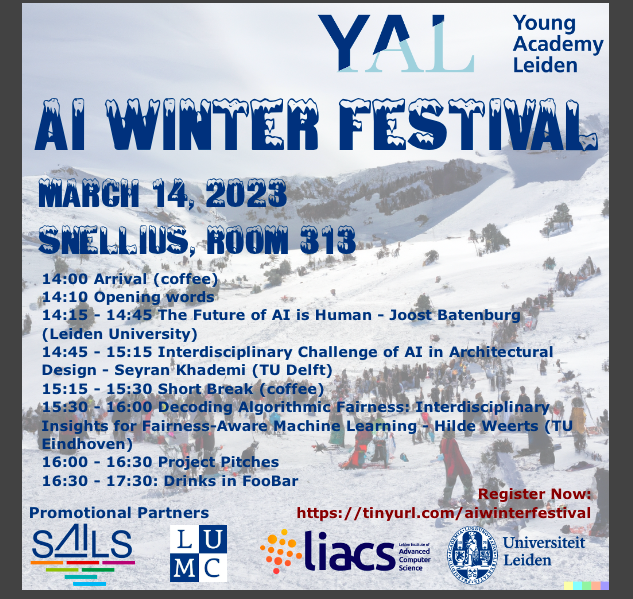
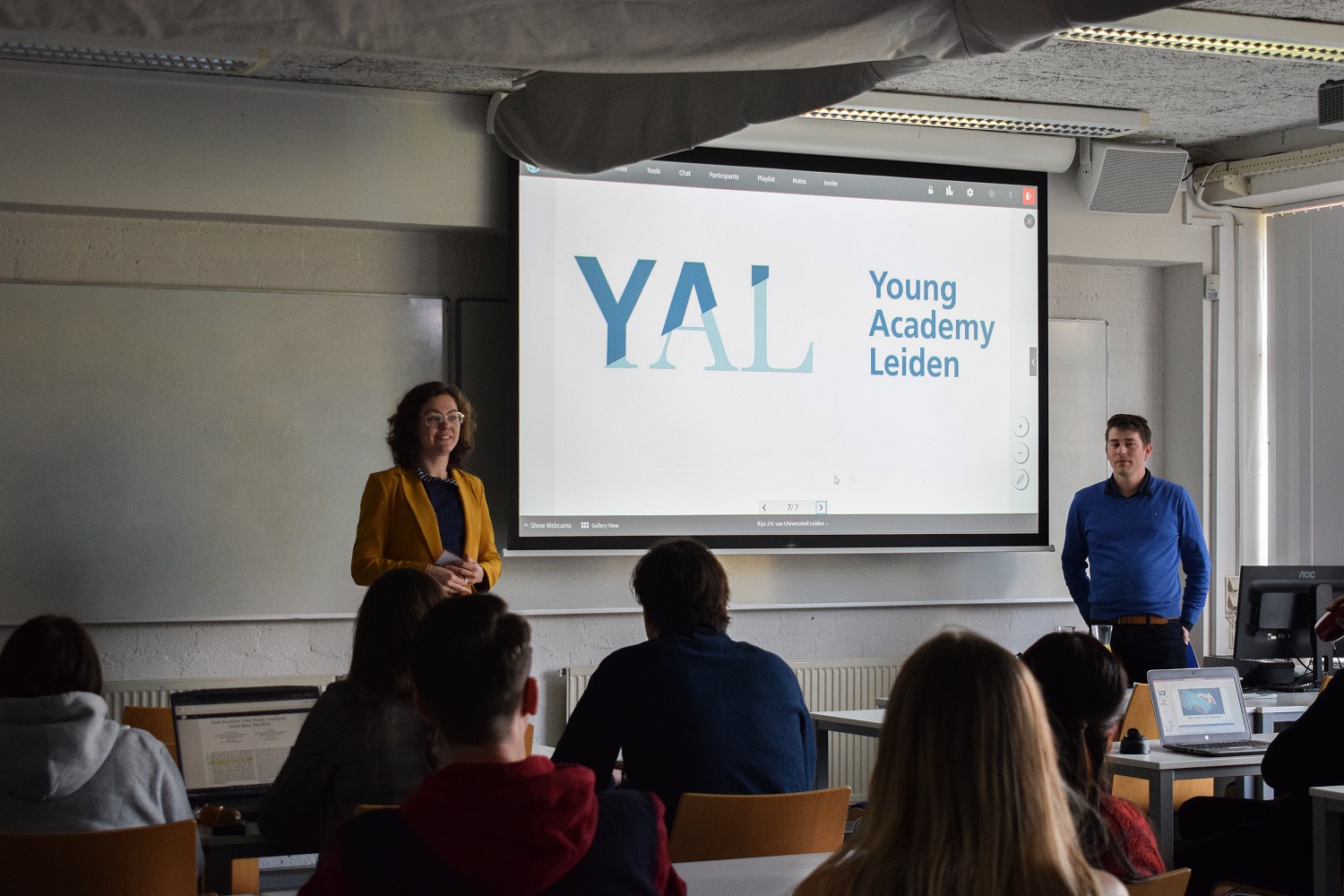
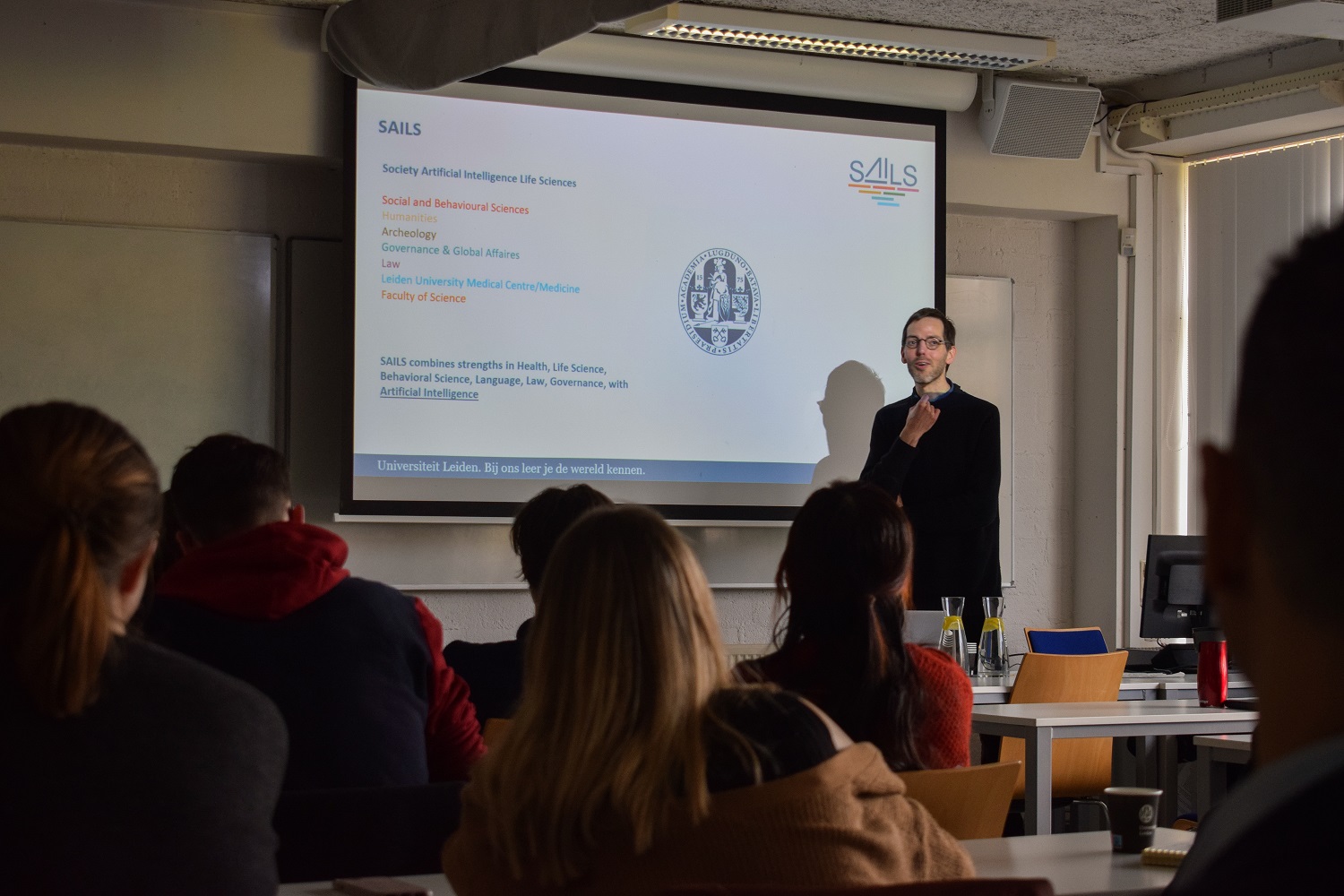
The YAL AI Winter Festival was a success with more than 50 attendees spanning every faculty of Leiden University (Archaeology, Governance and Global Affairs, Humanities, Law, Leiden University Medical Center, Science, Social and Behavioural Sciences), according to the registrations. Besides interest from many participants, also the SAILS program showed interest in this event by sponsoring the coffee break. The program kicked off with a short introduction to why this is an exciting time for AI research and by stressing that we need an interdisciplinary effort to successfully embrace the opportunities it offers for society.
The first speaker, Prof. Dr. Joost Batenburg (director SAILS program, Leiden University), gave an introduction and brief historical perspective on artificial intelligence research. He focused on the role of humans and how AI tools can complement and enhance our daily tasks. As such, he stressed that AI agents remain tools that require significant input and interplay with humans. The discussion followed on the role of academia in the recent developments in artificial intelligence which are driven by big industry and what role can we plan as academic researchers. Industry is mainly driven by profitable questions and there is a great risk to our democracies if big artificial intelligence systems are solely controlled by industrial enterprises and governments. There lies a big opportunity for the research community to fill this gap.
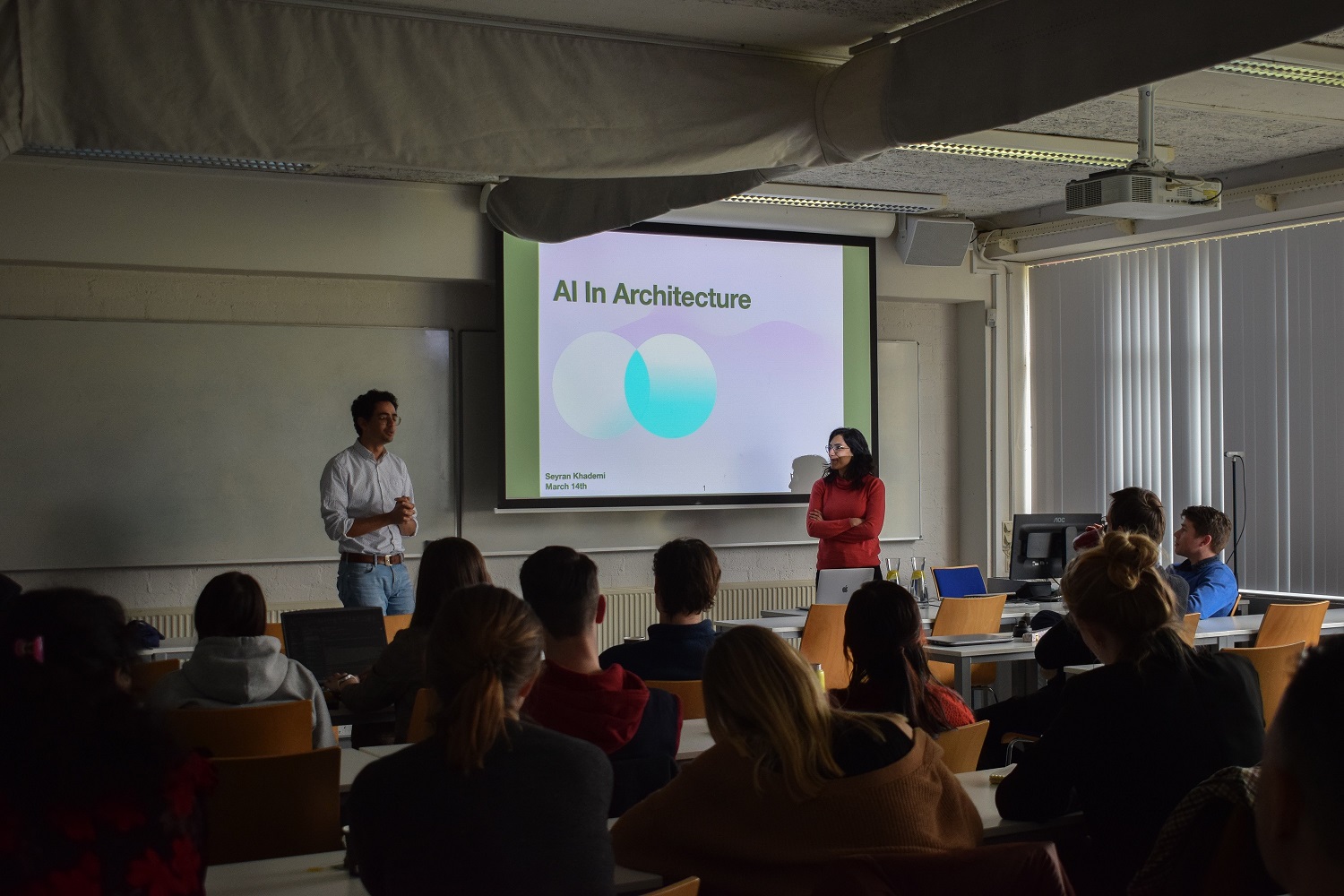
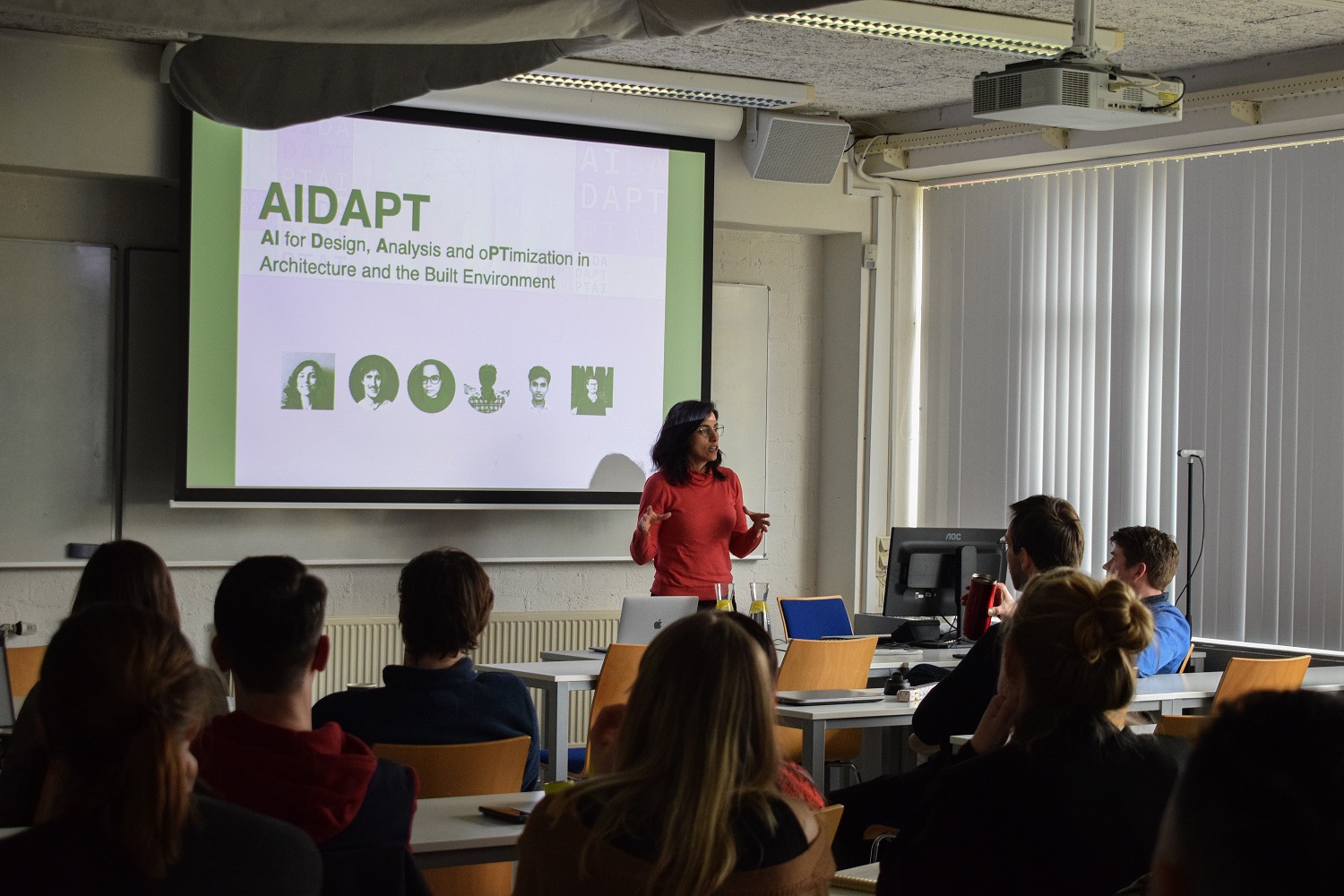
The second talk was given by Dr. Seyran Khademi (TU Delft), who co-directs one of the TU Delft AI labs focused on AI applications in Architecture and the Built Environment. She reflected on her experience as a computer scientist moving into an uncharted field that has not yet fully embraced artificial intelligence. Seyran discussed the need to make the effort to find a common language to facilitate discussions and to translate domain challenges into AI-ready problems to be tackled. She gave examples of how artificial intelligence can be used to represent home plans and how this can be used to optimize designs. Similarly, she addresses how architectural designs are influenced by the surrounding environments. These questions are of utmost importance given the challenges we face with sustainability. Finally, Seyran showed a cool example of a tool created to explore historical images of Amsterdam and compare them to modern-day street views, called AmsterTime.
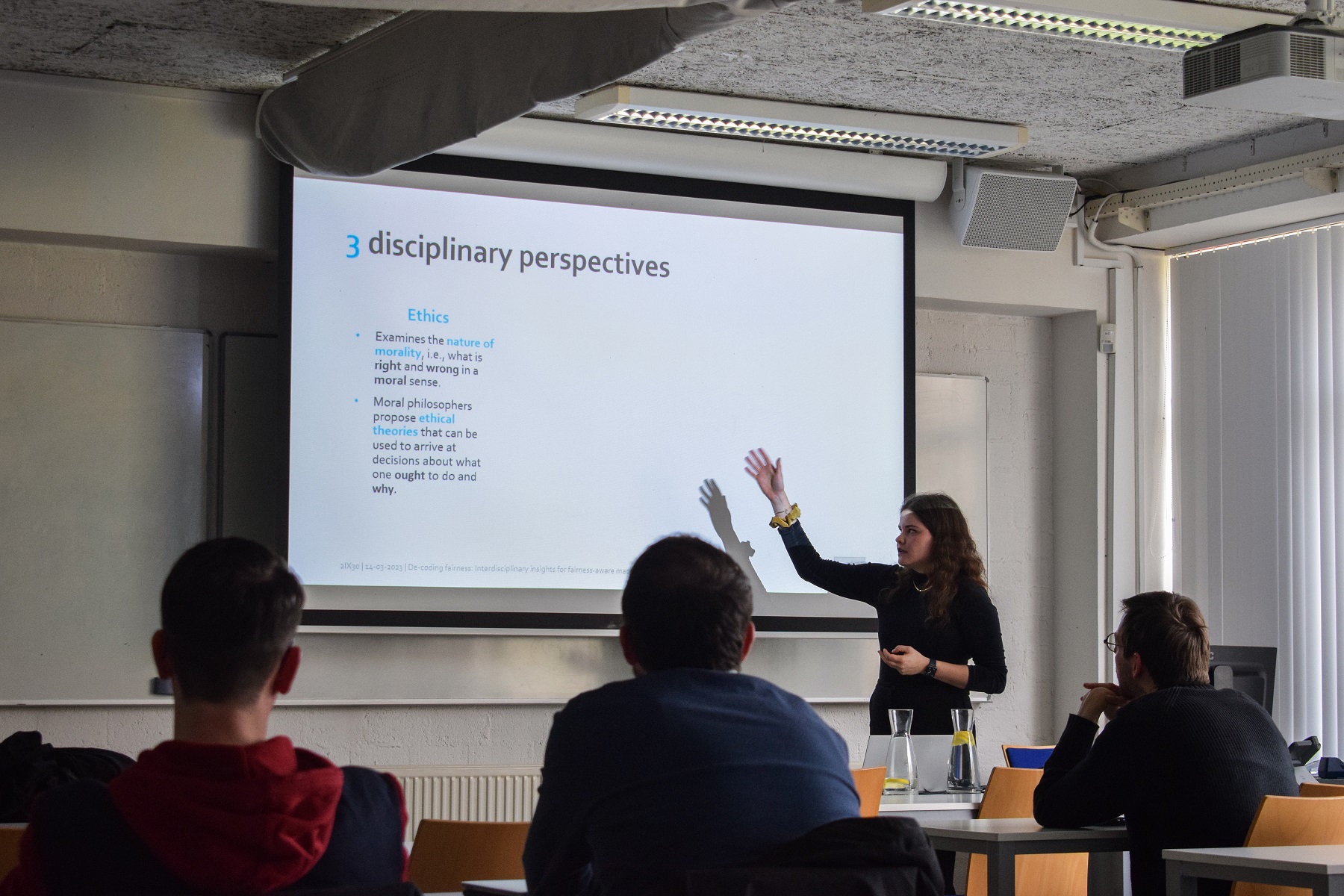
The final speaker, Hilde Weerts (TU Eindhoven), who is an artificial intelligence engineer and contributor to the fair-ml library, guided us through a critical discussion on how to ensure fairness in artificial intelligence systems. In particular, considering what aspects we should consider when designing artificial intelligence systems and what considerations we should have regarding the collected data and how it represents the population we investigate. In this line of work, fair-ml is typically formulated as an optimization task, where the objective is to achieve high predictive performance under a quantitative fairness constraint. While many of these contributions are of excellent technical quality, the typical computer science approach is limited in mitigating real-world fairness-related harm. In this talk, Hilde discussed several interdisciplinary insights for fair-ml from the perspectives of ethics, law, and science & technology studies.
We ended with two pitches to the attendees, who got the opportunity to pitch research ideas. The first pitch looked into developing representation learning systems for sign language comparable to those available for written languages. The second pitch was about how to quantify emission plumes of large ships from satellite images and what challenges we have to connect interdisciplinary researchers from various domains.
The program ended with drinks in the FooBar, where participants were able to reflect on interdisciplinary challenges with each other.
Summer of Diversity of Data (2022)
Podcast series
What kinds of data do academics use? And what does the diversity of these forms of qualitative and quantitative data mean for discussions on Open Science and FAIR data? In the two episodes of the Summer of Data Diversity Podcast, Young Academy Leiden member Zsuzsa Bakk hosts a conversation on these questions with three specialists at Leiden University: Anna van ‘t Veer, John Boy, and Barend Mons. Produced by Nap1 Podcasts.
Listen to the two part podcast here! Produced by Nap1 Podcasts.
Spring of Innovation (2022)
Innovators at Leiden

The Young Academy Leiden (YAL) is tackling a new ‘Season of Interdisciplinarity’: The Spring of Innovation!
Leiden University ranks high in innovation (Rank #14 in Europe’s Most Innovative Universities 2019) and we wanted to showcase different types of innovative ideas and how they came about. We got in touch with several innovators that are or were affiliated with Leiden and three were willing to share their ideas. The innovators come from different corners of the university and their innovations are at different stages of development.
Starting with Mariska Kret, she works as Professor at Leiden University in the Cognitive Psychology unit and leads the CoPAN lab (Comparative Psychology and Affective Neuroscience). Her idea is in the beginning stages and is the “Psychologielab op Wiele” (Psychology lab on wheels). Here is more on this in her own words (read verbatim by Sarah Giest).
This video can not be shown because you did not accept cookies.
You can leave our website to view this video.Hilde De Weerdt is a Professor of Chinese and Early Modern Global History at KU Leuven and the International Institute of Social History in Amsterdam. Before joining KU Leuven, Hilde was a Chair of Chinese History at Leiden University. She maintains an active interest in designing and developing digital research methods for East Asian and other languages. With Brent Ho she co-designed the text annotation and reading platform MARKUS. In this video, Hilde – in addition to explaining the platform - adds some great tips on how to be innovative in a team and across research and teaching – check it out!
This video can not be shown because you did not accept cookies.
You can leave our website to view this video.Finally, Giel Hendriks worked for four years as a post-doctoral fellow at Leiden University, studying the relationship between DNA damage and gene mutations. After more fundamental scientific projects he made a switch and worked for six years as a senior scientist at the Leiden University Medical Center on the development of in vitro reporter systems to detect and understand the mechanisms of genotoxicity. In 2014, Giel obtained pre-seed financing from NGI to start Toxys and to bring the ToxTracker assay to the market. As CEO of Toxys, he worked to develop the company into an internationally recognised contract research organisation (CRO) in genetic toxicology and chemical safety testing for the pharmaceutical, cosmetics and chemical industry.
This video can not be shown because you did not accept cookies.
You can leave our website to view this video.Research shows that the way public science is structured, it favors narrow search in the pursuit of normal science (Kuhn 1962, Polanyi 2000), hence favoring tradition over innovation (Foster et al. 2015). Peer reviews and grant evaluations encourage academics to engage with a limited, canonical set of scientific puzzles (Evans 2010),
reinforced within disciplines by journal rankings and agenda setting of highly influential researchers. (Fini et al. 2022, 691)
Thus, in order to facilitate innovation within and beyond the university, interdisciplinary researchers and opportunities are crucial to explore new knowledge domains and ultimately combine new knowledge with existing expertise for innovative ideas (Nagle and Teodoridis 2020).
From the 3 interviews the following aspects came out as key in their innovation/ translation of innovation to a product:
- Trainings
- Funding
- Support for developing idea commercially
- Communication with other researchers
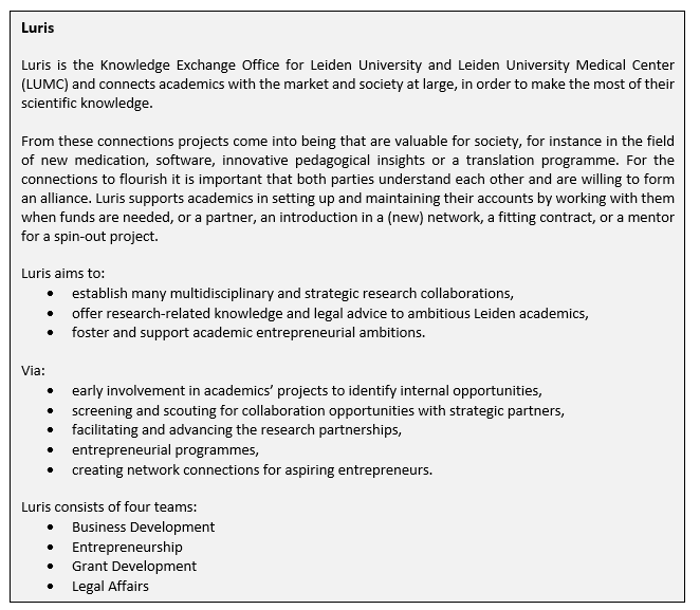
These aspects are also facilitated by Luris (see box), which is the Knowledge Exchange Office for Leiden University and Leiden University Medical Centre. They add that – in addition to training – they also offer coaching which enables researchers to familiarize themselves with valorization processes and become ready for the commercialization phase.
Winter of Mental Health (2021)
Winter of Mental Health: Interdisciplinary Lunch session
This winter, the Young Academy Leiden will focus on Mental Health. A topic of great importance that affects us all, but especially early career researchers (ECR). The lack of job security, work-related stress and working overtime, working from home while raising a family and/or taking care of others are all factors that can easily take a toll on mental health. Especially during the pandemic, young academic’s emotional, psychological, and social well-being is under pressure and deserves extra attention. The Leiden University and LUMC are, as part of the Healthy University, committed to provide their employees and students with a pleasant and healthy working environment, in which personal developments are encouraged.
During this Winter of Mental Health, you are invited to join us during an interesting interdisciplinary lunch session on the 15th of March. Here, Mieke Cabout, Coordinator of the Healthy University Leiden (part of HR), will focus on how Leiden University can help you, and what you can do, to prevent mental health problems and tackle work pressure. Furthermore, the Young Academy Leiden members will showcase their planned and actual agenda’s, providing insights into the real-life situations and stressors that young academics face. The aim is to foster a discussion around work-life balance and mental health between all attendants and Healthy University Leiden. Obtained insights from the lunch session will form the foundation for a blog in which we aim to provide you with tips and tricks how to tackle work pressure and improve your mental health.
You can find this blog here.
Spring of Big Data (2021)
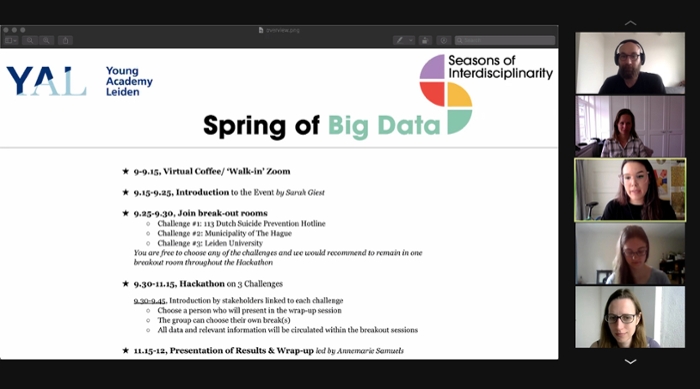
Big Data Policy Hackaton
Eye-opening experiences in the YAL Policy Hackathon
This season, the Young Academy Leiden dived into questions raised in the context of Big Data. We did this by means of an engaging Big Data Policy Hackathon for early-career researchers at Leiden University on Friday 18 June 2021 part of the Seasons of Interdisciplinarity.
Three stakeholders posed real-world challenges that were discussed in three groups to find potential solutions as well as think outside the box.
After a short introduction, the group gathered in breakout rooms, where stakeholders were able to present the challenge in more detail as well as share potential datasets for analysis.
One group looked at the challenge of the Dutch Suicide Prevention Hotline (113) and helped with finding factors that would predict the staffing of the hotline during different times of the day based on other (external) events. The group was able to identify interesting patterns around peaks in calls and gave input on potential factors, such as seasons, holidays, advertising of the hotline as well as news about celebrities or social media.
The second group focused on the issues that the municipal The Hague Housing Inspection Bureau (HPB) is facing when it comes to supervising the condition and use of all existing buildings in the city. In the discussion it became clear that the city currently relies on enforcement mechanisms that are based on information that has limited reliability, such as noise complaints. In this context, the group discussed technical solutions to pre-empt dangerous situations, such as overcrowding, through a combination of temporary sound and motion sensors with information on building age, height and material as well as past complaints. The conversation also highlighted that there is an opportunity to make more use of non-technical, face-to-face interaction at certain points, such as registration with the city for the social security number and making use of neighborhood initiatives already in place to reach out. Finally, the group suggested putting emphasis on employers and building owners to be responsible for abiding by regulations around living conditions and safety, as migrant workers, for example, are highly dependent on them due to language barriers as well as the duration of their stay.
The group around the challenge of how to use and understand usage data from Brightspace was able to gain insight into an aggregated and anonymized dataset to find ways to use the data to support students and lecturers in successfully completing a course. The focus was on taking stock of which activities are being recorded (and whether this is informative), how usage is linked to other indicators of performance as well as ethical issues around the use of such data. This also led to a discussion of how this data might be able to complement student evaluations as well as using the platform more extensively for prompts around deadlines and reading feedback – especially for big classes where lecturers have a hard time following up with individual students.
These findings and discussions were presented in the plenary where questions from the whole group sparked new ideas for future conversations and, as one stakeholder said, more ‘eye opening’ moments. This Policy Hackathon was only the beginning of a longer-term engagement as email addresses were exchanged and findings will be sent out to each of the stakeholders.