
Papyrological Institute
Small history versus big history
All papyri, each in their own way, provide information on aspects of life in antiquity. For example the complaint of a private individual about the theft of dresses, and another text on a visit of Emperor Hadrian.
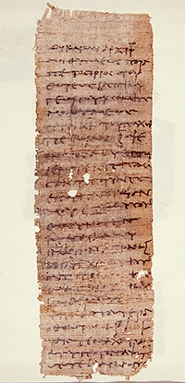
Complaint to the head of police. 3rd cent. BC.
Click here for larger image.
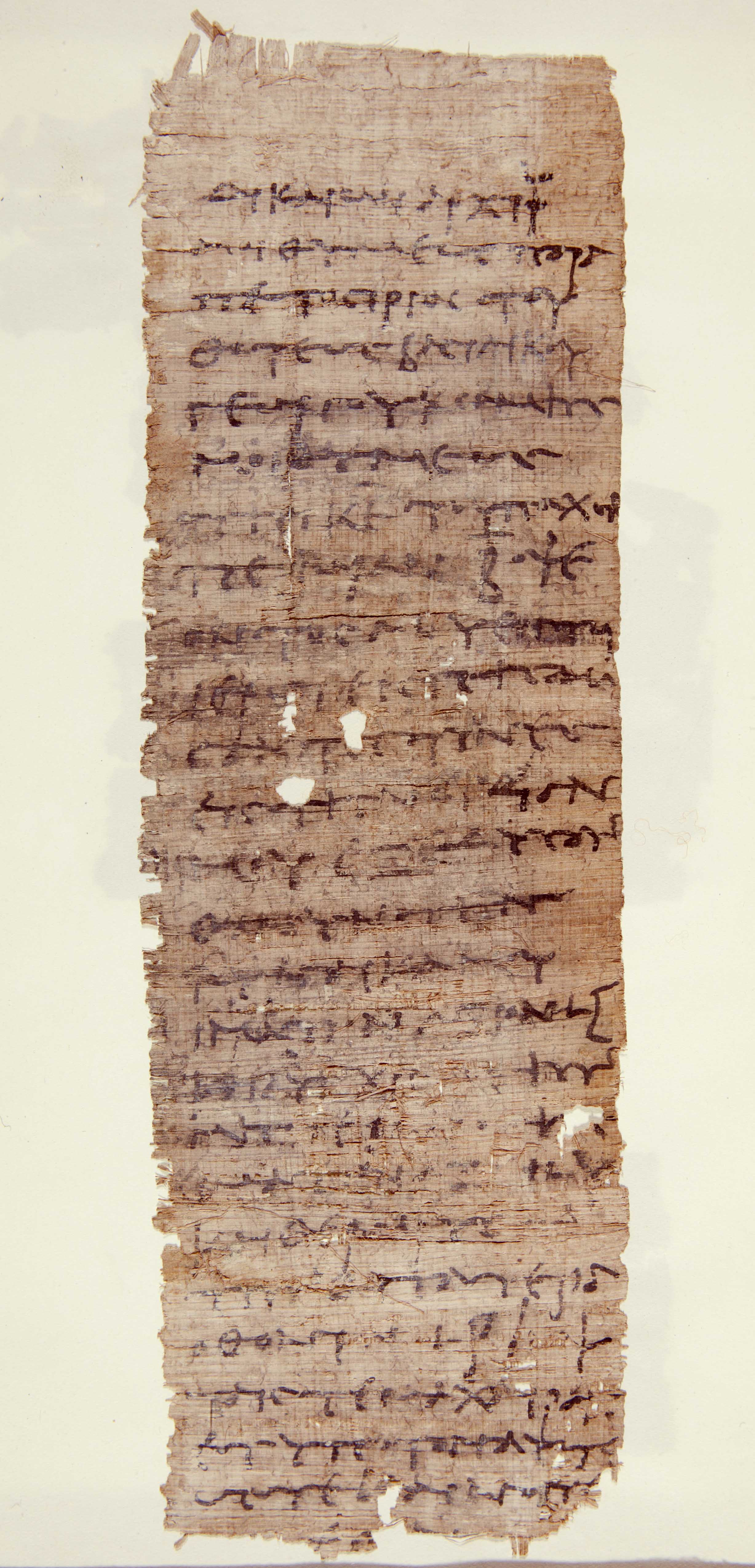
This papyrus comes from mummy cartonnage, the white colour being the chalk from the stucco. When the man of the house was visiting the temple some thugs entered his house and robbed the women there from their clothing, which was often the most expensive possession people had…
Click here for Greek text and translation in DDbDP.
Emperor Hadrian visits Egypt. 27 December 129 AD

Click here for larger image.
Whenever the emperor or other high officials visited a country, the local population was expected to provide shelter and food. Literary sources such as De Vita Hadriani, but also the ostraca and papyri from Egypt tell us that Hadrian did make trips abroad. This is a letter from a village scribe to the strategos of the nome, who was the (civil) head of an Egyptian province. The letter lists a number of commodities that were gathered in December 129 in view of Hadrian’s visit in the summer of 130.

Click here for Greek text and translation in DDbDP.
Coin with Hadrian and Alexandria. 130/131 AD.
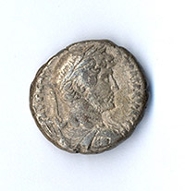
This coin, which was minted in Alexandria in the year that emperor Hadrian visited Egypt, bears Hadrian’s head on one side.
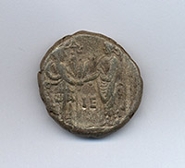
The other side depicts him standing, wearing his toga and a laurel wreath (right), faced by Alexandria as a personification of the city itself (left). She wears an elephant skin, offering two ears of grain with her right hand. IE denotes the year in which the coin was struck (year 15).