Papyrological Institute
Of course people paid taxes
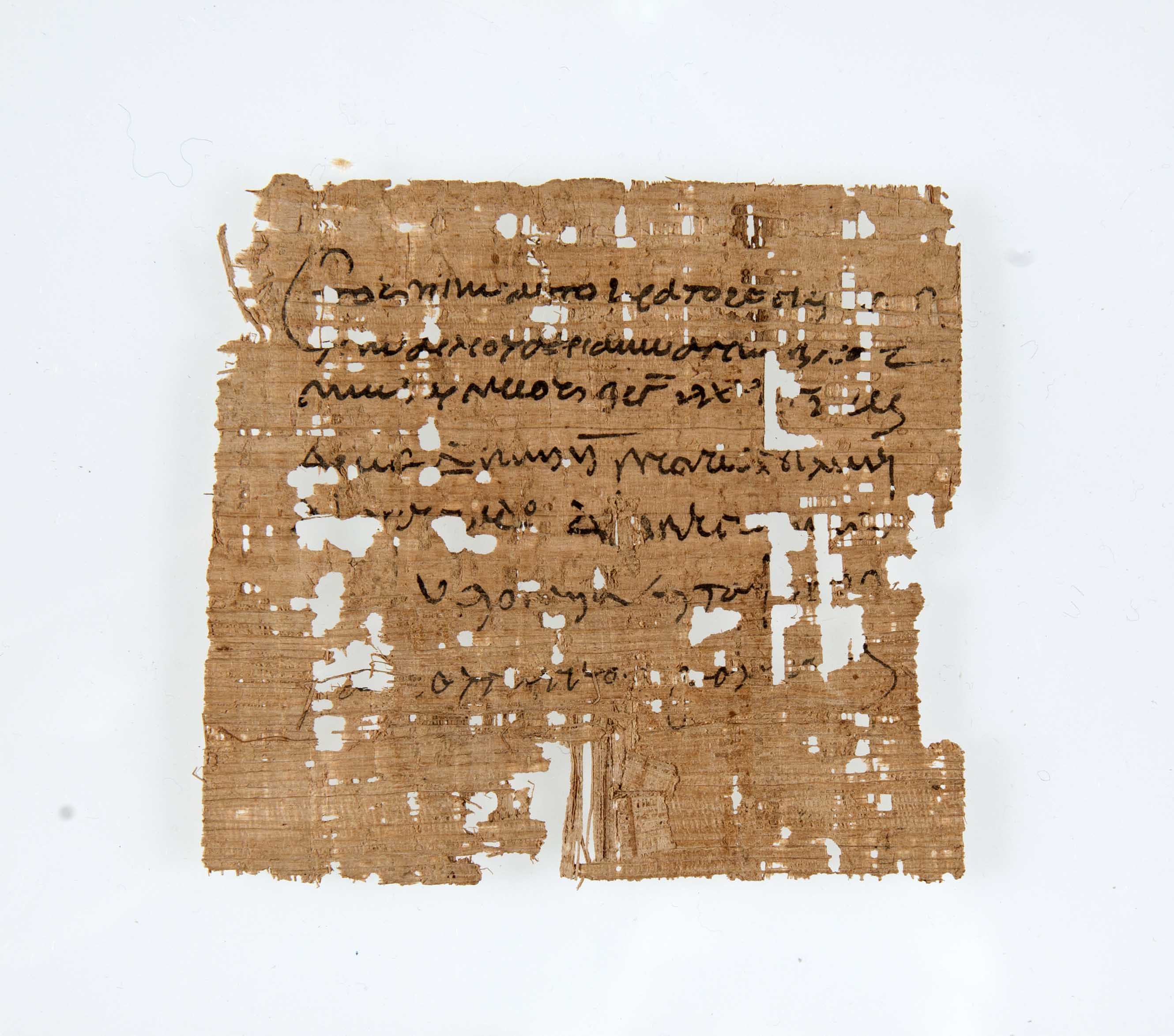
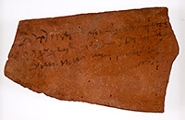
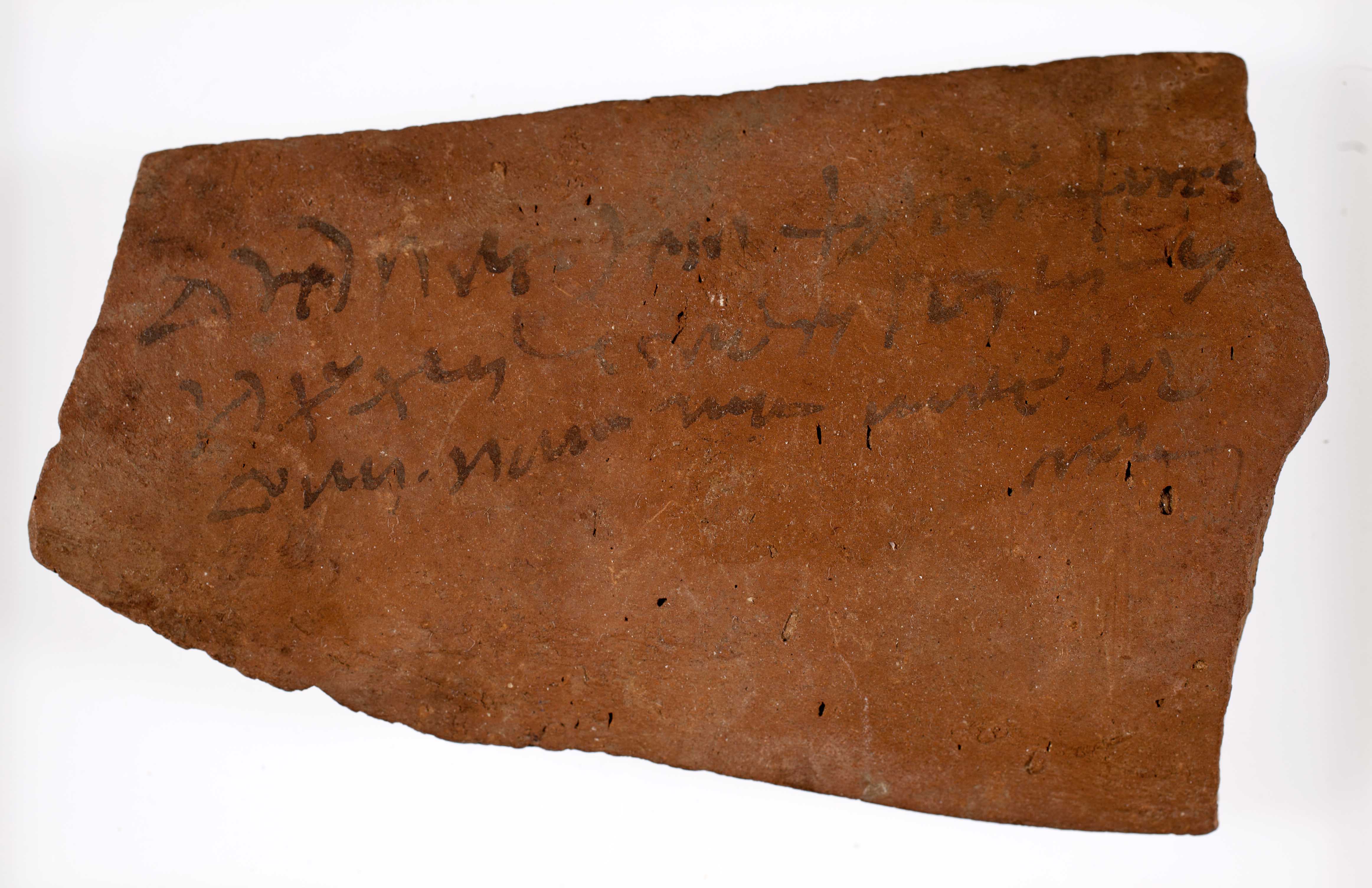
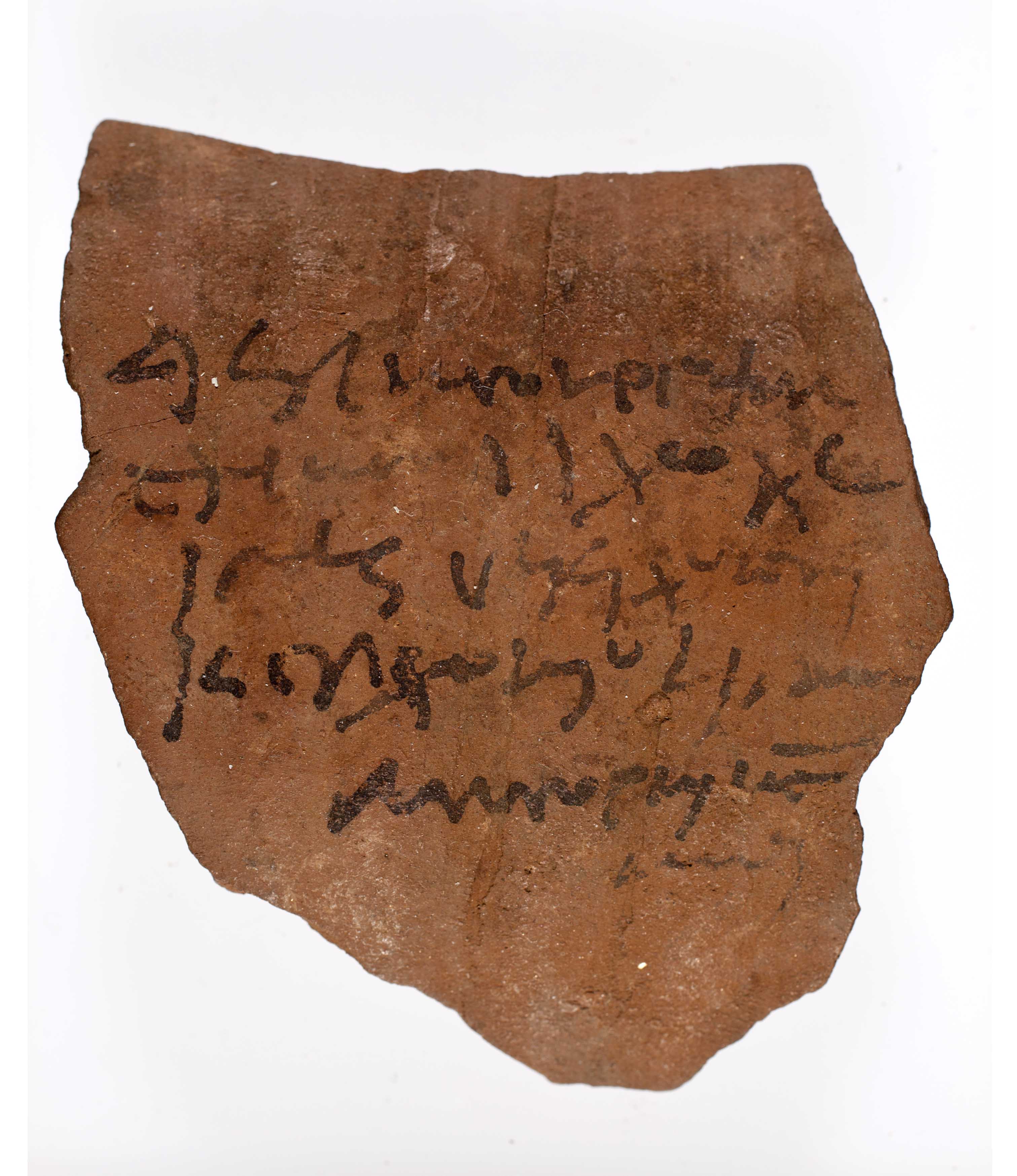
Ostraca (mostly pottery, but also limestone shards) formed a cheap alternative for papyrus. Pots were found in every household. Pots also break easily. The shards were then recycled as writing material. Tax receipts are generally written on ostraca.
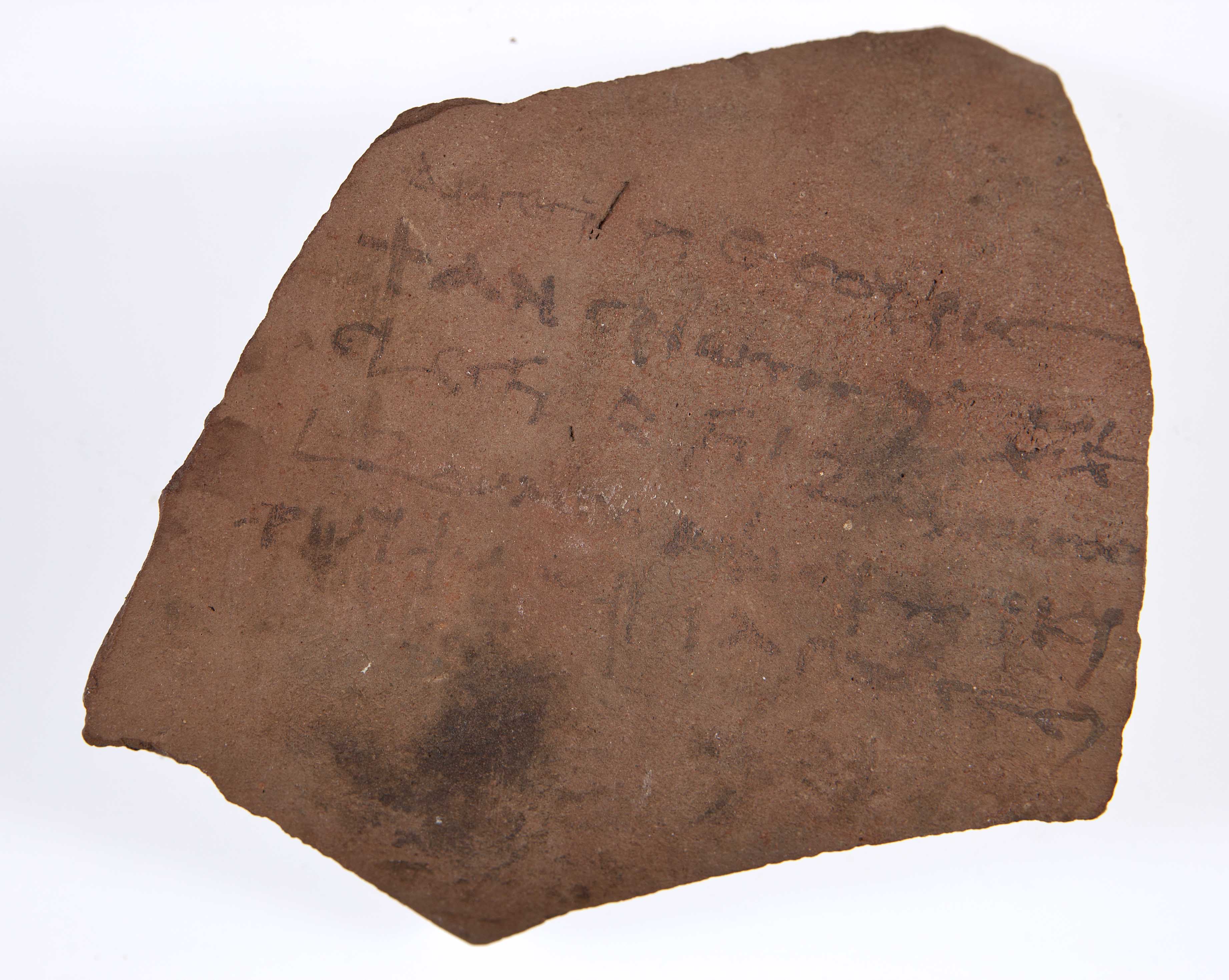
Receipts for dike and bath tax. Thebes, 1st cent. AD
These three receipts prove that one Pesouris has paid both his dike tax (χωματικόν) and bath tax (βαλανεῖον). Every citizen of Egypt was obliged to work for some days on the irrigation canals and dikes of the Nile that had been damaged by the annual inundation. People could evade this by paying a special tax. The bath tax was only introduced in Egypt after the arrival of the Greeks. The Egyptians did not have a bath house culture of their own.
Click here for Greek text and translation in DDbDP.
Click here for larger image.
Click here for Greek text and translation in DDbDP.
Click here for larger image.

Click here for Greek text and translation in DDbDP.
Click here for larger image.
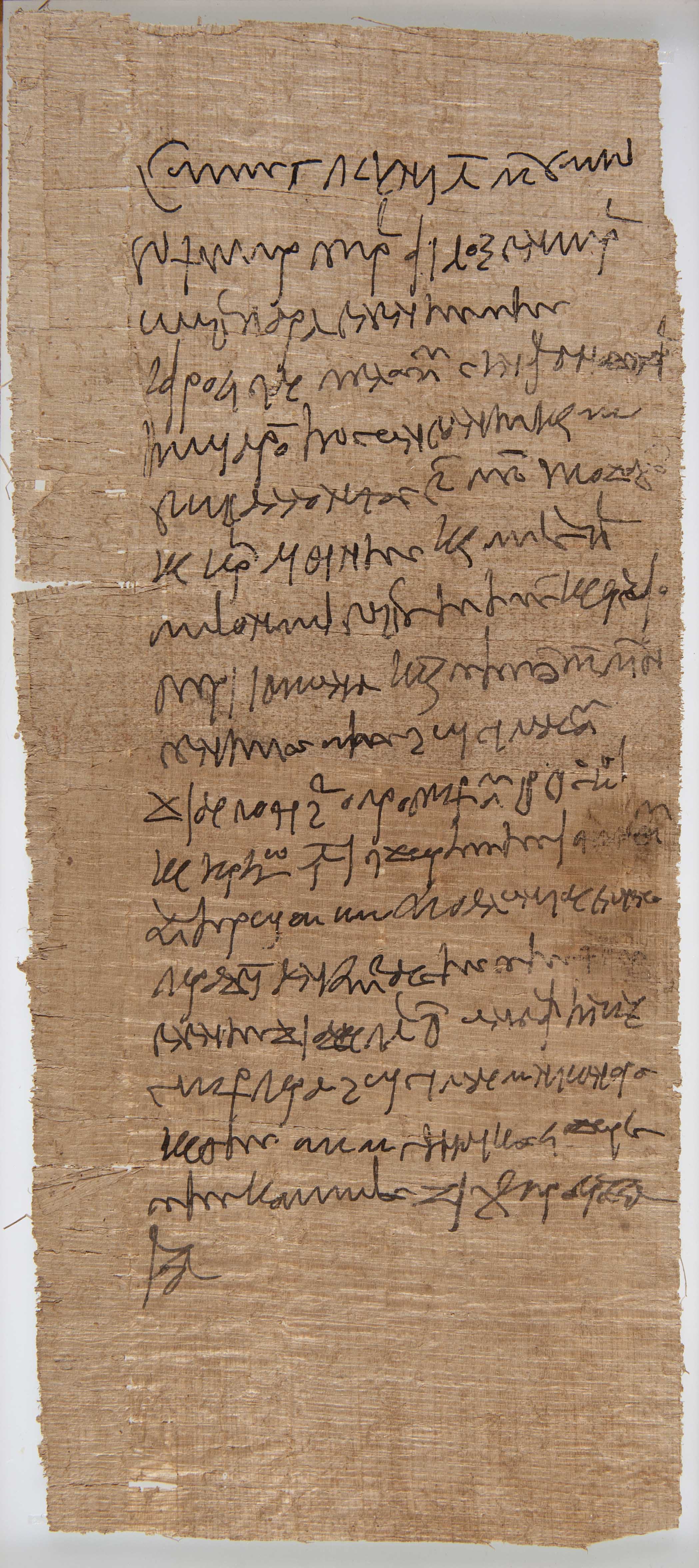
Tax receipt with a stamp in red. Ptolemais Euergetis, 8 July 78 BCE
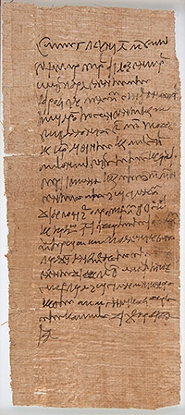
Receipt for the tax on the purchase of a wine orchard paid by Helena daughter of Aphrodisios. The very cursive handwriting is very difficult to decipher.
Click here for Greek text and translation in DDbDP.
Click here for larger image.
Click here for larger image.
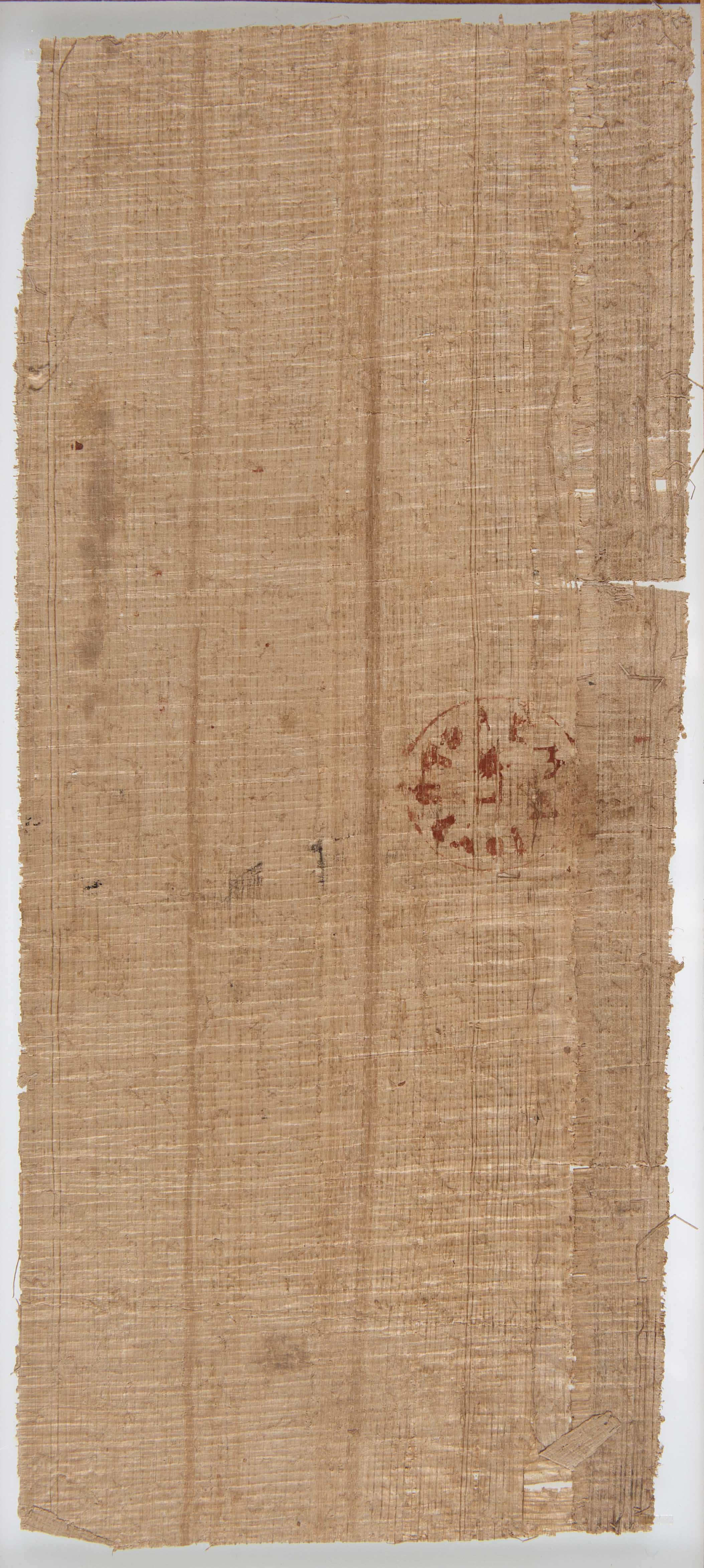
An original red stamp and the dating are on the verso of the papyrus.
Tax receipts. Theadelphia, 336/337 AD
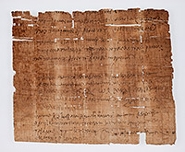
These receipts were written by three officials on the same papyrus. The payments may be contributions for the equipment of recruits.
Click here for Greek text and translation in DDbDP.
Click here for larger image.
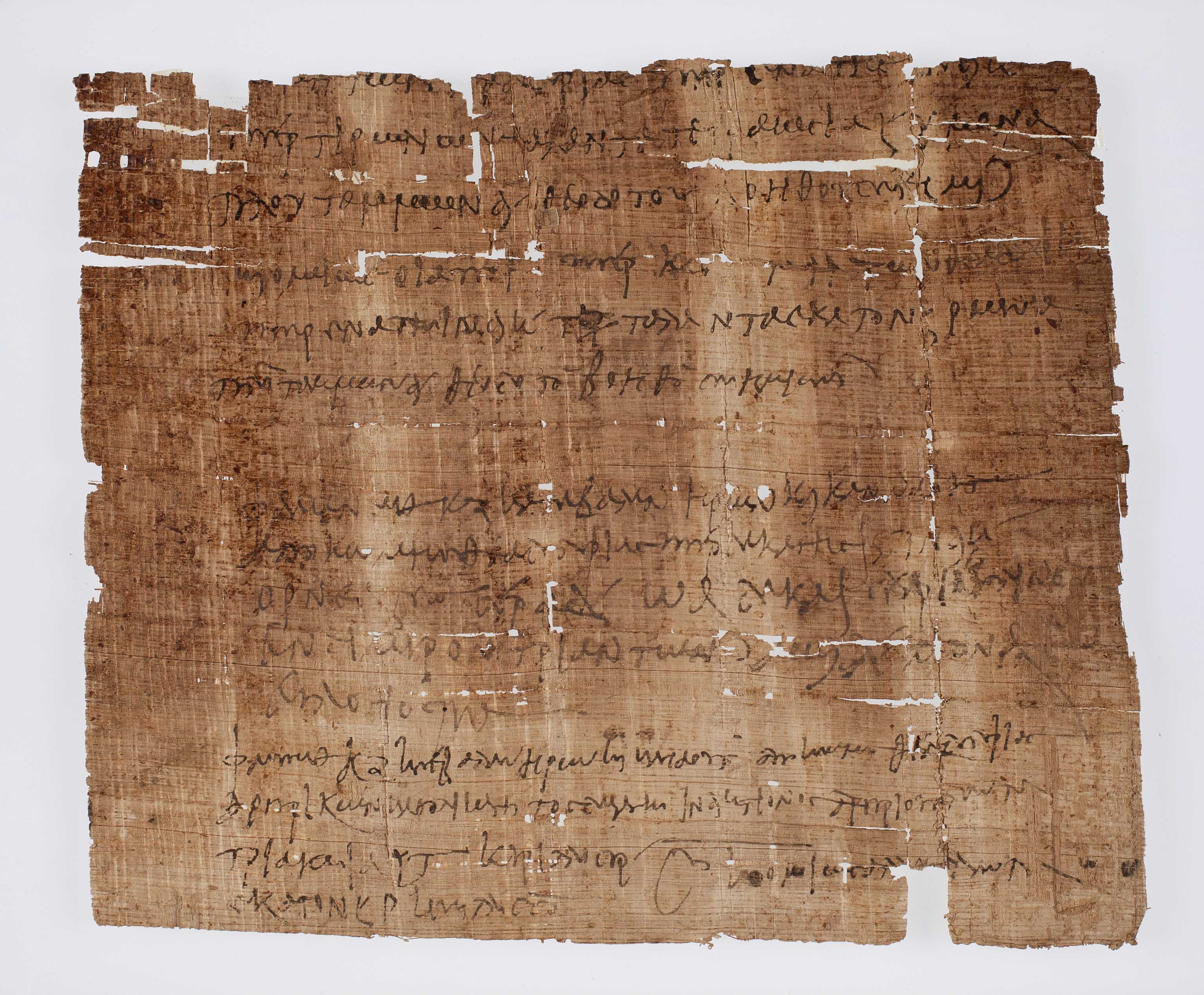
Receipt for dike corvée. Arsinoite nome, 6 September 139 AD
The annual maintenance of irrigation canals and dikes was a mandatory corvée (the katasporeus is a manager of irrigation and sowing).
Click here for Greek text and translation in DDbDP.
Click here for larger image.