
Papyrological Institute
Reading Homer in the Roman period
In antiquity people loved to read the authors we now call classic. Texts were copied on demand. The handwriting of literary papyri is neater and more regular than documentary writing. These literary papyri bridge the gap between the text as we know it and the first edition by the author. Apart from well-known texts papyrology also provides us with texts that are not known from mediaeval manuscripts. The study of literary papyri is a separate specialism.
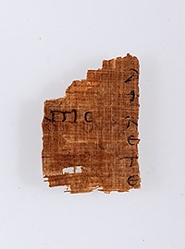
Homer, Iliad. Provenance unknown, 2nd cent. AD
Click here for information in LDAB.
Click here for larger image.
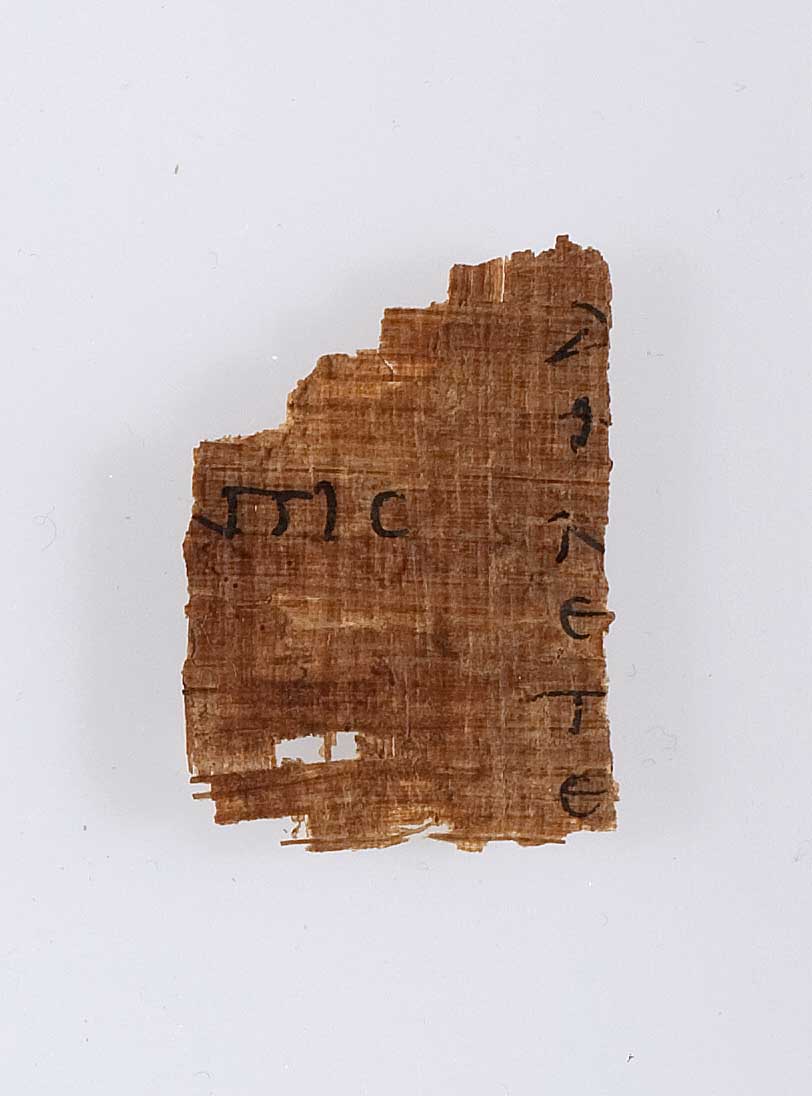
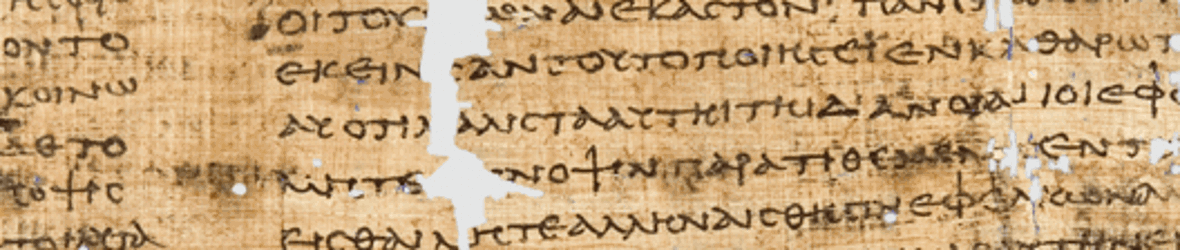
Homer’s Iliad was the most popular book in antiquity. It took some time before we saw that these are fragments from Iliad book A 384 and 415-420. Since we have parts of two columns we can actually calculate the length of a column, namely c. 33 lines.
|
Column I (A 384) |
Column II (A 415-420) |
|
πάντῃ ἀνὰ στρατὸν εὐρὺν Ἀχαιῶν· ἄμμι δὲ μά]ντις |
α[ἴθ’ ὄφελες παρὰ νηυσὶν ἀδάκρυτος καὶ ἀπήμων] ᾗ[σθαι ἐπεί νύ τοι αἶσα μίνυνθά περ, οὔ τι μάλα δήν·] ν[ῦν δ’ὠκύμορος καὶ ὀϊζυρὸς περὶ πάντων] ἔ[πλεο: τώ σε κακῇ αἴσῃ τέκον ἐν μεγάροισι.] τ[οῦτο δέ τοι ἐρέουσα ἔπος Διῒ τερπικεραύνῳ] ε[ἶμ' αὐτὴ πρὸς Ὄλυμπον ἀγάννιφον αἴ κε πίθηται.] |
Hesiod, Catalogue of Women. 2nd cent. AD
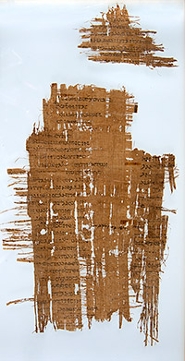
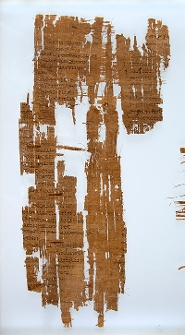
These fragments of Hediod’s Catalogue of Women are unknown from mediaeval manuscripts. The book describes the women in Greek mythology who managed to become a divine consort.
Click here for information in LDAB.
Click here for larger image.
.jpg)
Click here for larger image.
.jpg)
The papyrus is divided over two glass plates; this is the second part:
Plato, Phaedo. 2nd cent. AD
Click here for information in LDAB.
Click here for larger image.
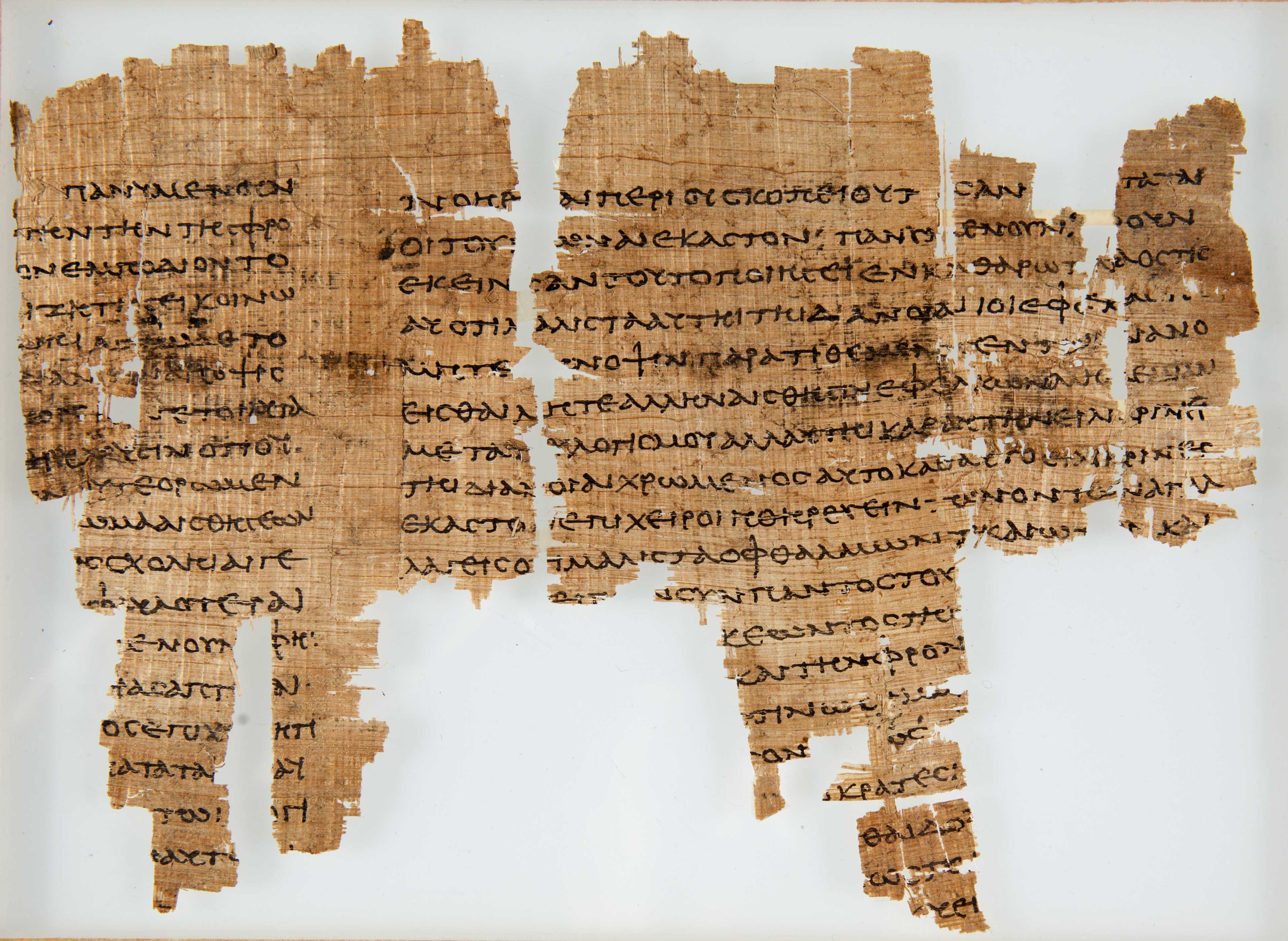
Fragment of a papyrus roll containing Phaedo65A8-C5 and 65E3-66B3. It is dated six centuries after Plato as well as six centuries before the first mediaeval manuscripts. Between the columns traces are visible of an older text (near lines 3 and 5), meaning that this is a palimpsest. Col. II line 2 shows a colon indicating a change of speaker.
Euripides with musical notation. 3rd cent. BCE
Click here for information in LDAB.
Click here for larger image.
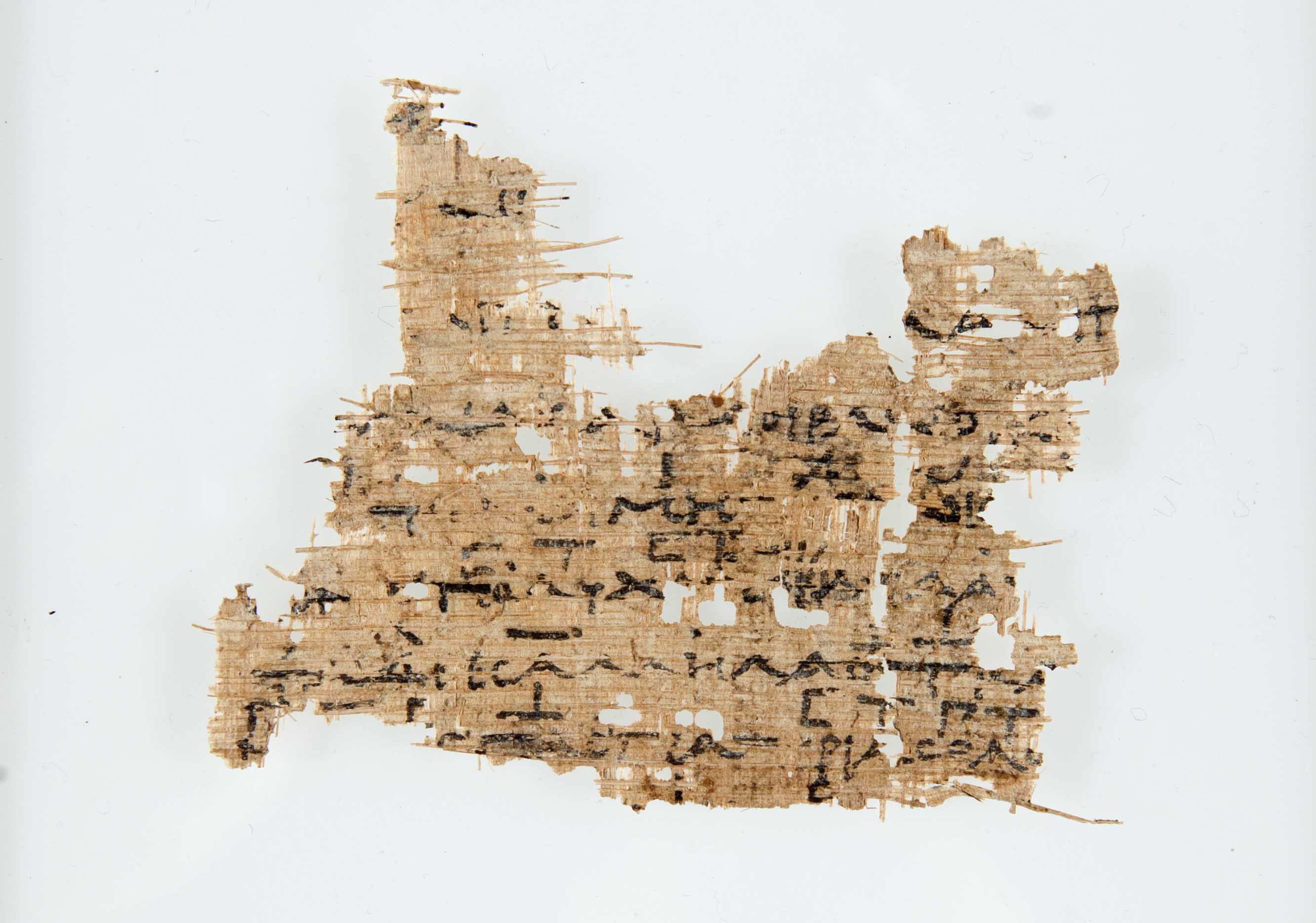
This is probably the oldest papyrus showing ancient Greek music. Above the text – fragments of Iphigeneia in Aulis 1500-1509 and 784-794 – hooked lines and twisted letters indicating the notes.
Fable. Provenance unknown, 2nd cent. AD

Click here for information in LDAB.
Click here for larger image.
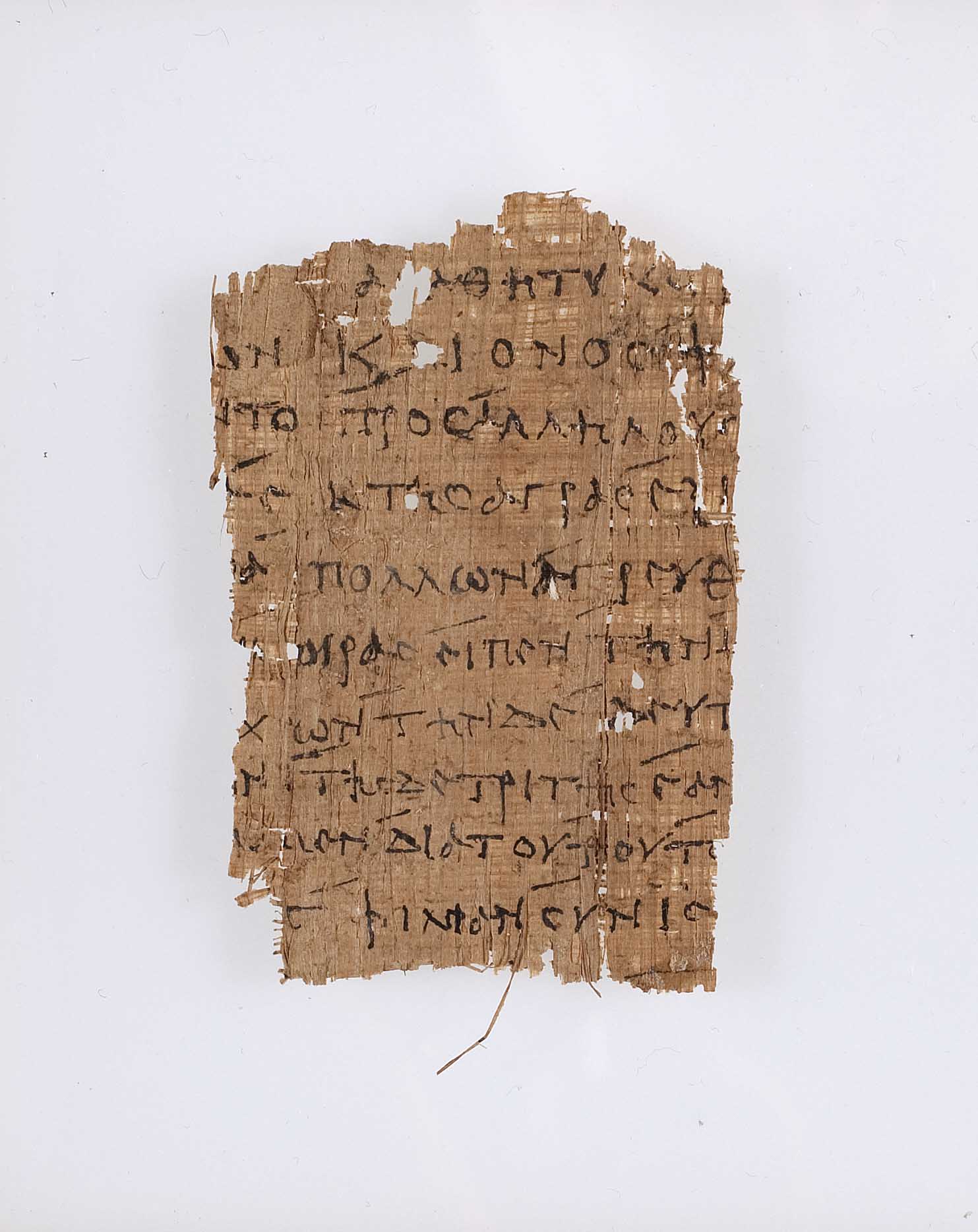
This is the fable of the lion and the wild donkey, which was already known as a poem. This, however, is prose. The text starts with ἀγαθῇ τύχῃ, a good luck wish.