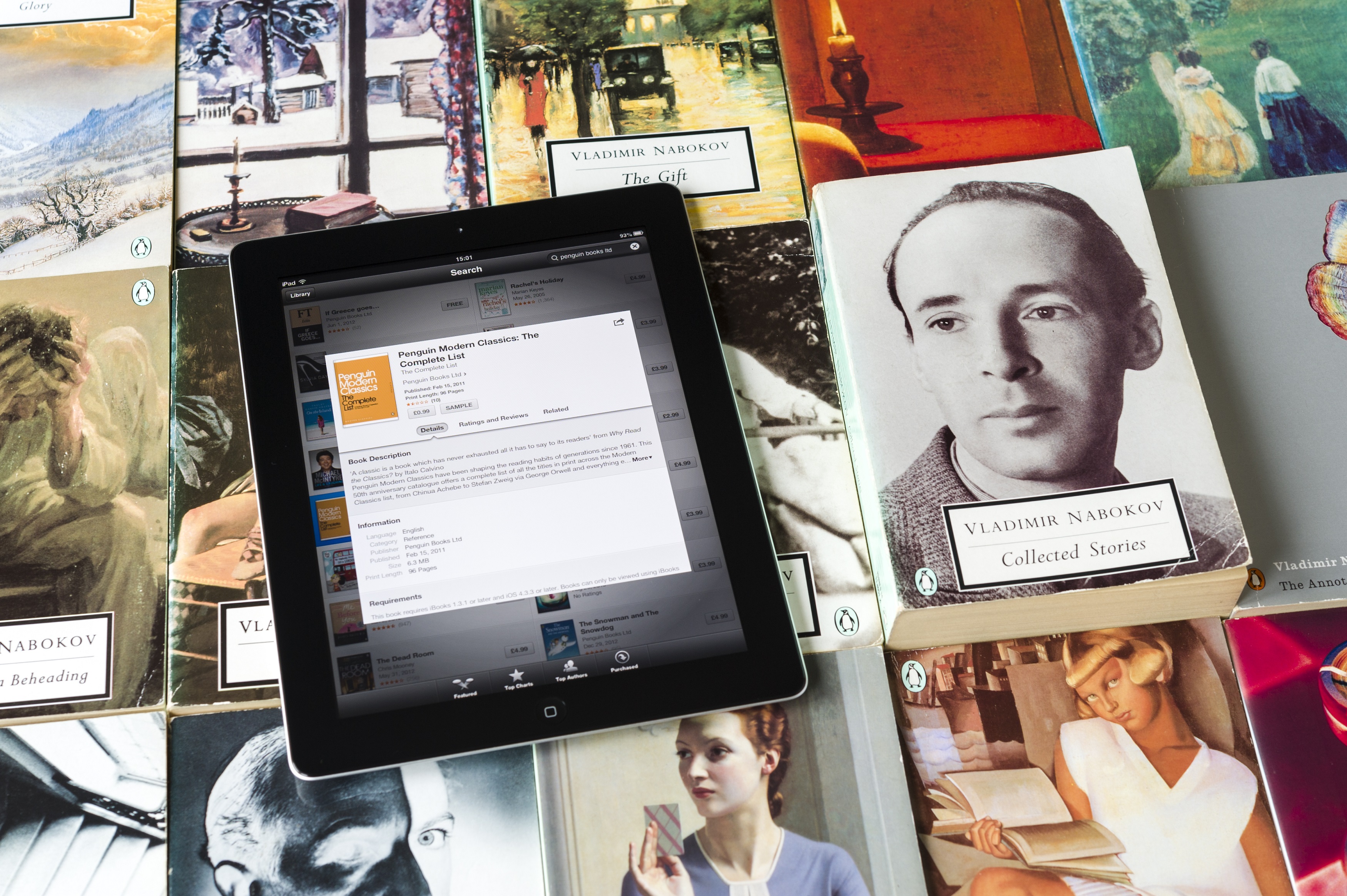
This master’s programme explores the history of the written and printed word, publishing practices, and digital textual media.
Why study Book and Digital Media Studies at Leiden University?
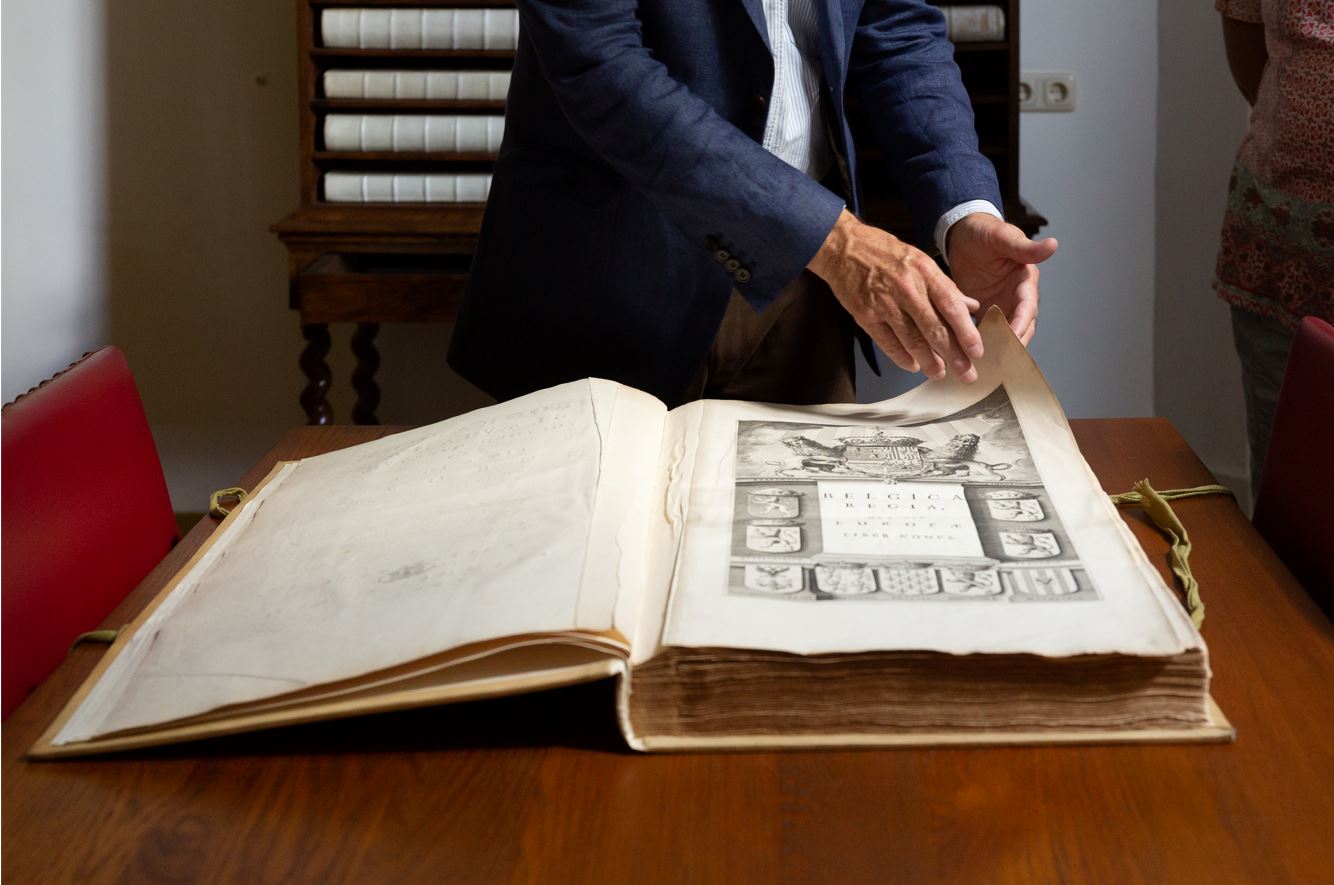
The curriculum combines theory with hands-on experience: studying rare books and manuscripts, learning XML and Python, and engaging with publishing professionals. Electives and extracurriculars, like the yearbook TXT, enrich the programme.
Internships are available at major publishers (Brill, Elsevier) and heritage institutions (National Library, Leiden University Library, Museum Meermanno). Excursions include the Frankfurt Book Fair and Museum Plantin-Moretus.
"Passionate about books and history, I found it very interesting to learn how the printing press and books became essential to spread ideas and ideologies in Europe during my studies. I enjoyed the wide range of subjects taught in the programme, from manuscript history to digital media technologies. I developed strong knowledge about the publishing world. While I was in the final stages of writing my thesis, I got in touch with an academic publisher in Leiden. A few weeks later, I started a six-month internship, and two years later, I am still working at Brill. For the different projects I have been involved in, I have used the knowledge acquired during the MA Book and Digital Media Studies."
Book and Digital Media Studies degree
This accredited programme awards a Master of Arts (MA) in Media Studies upon completion.
Why Leiden University
Leiden University offers ambitious students a world-class environment in which to reach their potential
A top-ranked university
Leiden University's Faculty of Humanities is consistently ranked among the top 30 Humanities faculties worldwide in the THE World University Ranking. At Leiden University, the oldest university in the Netherlands, learning incorporates the latest research and resources found nowhere else in the world, such as those of the famous Leiden University Library and its collections of original manuscripts, periodicals, and photos.
An ideal location for the study of media
Leiden University offers you an excellent location from which to explore and study media. Our location close to the major European cities of The Hague, Amsterdam, Antwerp, Brussels and London, brings you within easy reach of some of Europe’s most famous museums, galleries and exhibitions.
A head-start to your career
Our reputation as a centre of excellence means that your qualification is respected by organisations worldwide. Graduates of the Master’s programme in Media Studies enjoy successful careers thanks to their mix of in-depth, interdisciplinary knowledge and relevant professional experience.
Access to the Humanities Hub labs
As a Humanities master’s student you will have access to the Humanities Hub which comprises labs with digital facilities for both students and researchers. The labs include an AI Lab, Media lab, film studio and podcast studio and give you the opportunity to develop your digital and media skills within the field of the humanities. Check the Humanities Hub page for a full list of all the labs and facilities.
Humanities Hub Leiden
Diversity and inclusion
We are convinced that our education can only flourish if everyone within the programme feels supported, respected and empowered to do their best work. We find it important to offer a learning environment that allows for different perspectives and points of view that students bring with them, depending on their ethnicity, gender, sexual orientation, health, religion, age or socio-economic background. Every new generation sees the world from a new perspective – and our students are the newest generation. We look forward to hearing more about your perspective. Leiden University has been pursuing diversity policy since 2014, with the aim of creating a diverse and inclusive learning and working environment for all staff and students.
Due to the selected cookie settings, we cannot show this video here.
This MA offers in-depth insight into the history of the book—both manuscript and print—as well as publishing and digital textual media. You’ll gain strong academic and practical skills in the field of Book Studies.
Admission and Application
Do you want to find out if you are eligible for this Master's Programme?
University Lecturer of Book and Digital Media Studies
"In this Leiden University MA programme, we examine the textual medium in its historical and current contexts, in its handwritten, printed, and digital forms. Our courses combine training in practical skills in working with texts, such as XML and database technologies, with critical reflection on these practices, and theoretical analysis of the world of the book in past, present, and future. Through this combination of perspectives and approaches, we offer a conceptual understanding of the social and cultural function and position of texts – and, particularly, books – that is absolutely unique to Book and Digital Media Studies."
Programme structure
The master’s programme in Book and Digital Media Studies is taught across two semesters and comprises compulsory courses, elective courses and the writing of an MA thesis.
Semester one
The aim of the first semester is to prepare you for the specialisation that you will choose during your second semester. This part of the programme provides a solid basis and introduction to the field, conceptually and practically, via three foundational courses.
Semester two
During your second semester you will write your MA thesis and choose one of the following courses:
Mirjam Rörsch, 'Changing typesetting and printing conventions in the eighteenth century: A study into the typographical features of late eighteenth-century newspapers written in French', (2022). https://hdl.handle.net/1887/3308901
Nitzan Shalev, 'Mind Your Language: A Longitudinal Study of the Catalogues of Leiden University Library’s Hebrew Manuscripts Collection' (2022). https://hdl.handle.net/1887/3448598
Laurie Bastemeijer, 'Required Listening: The effects of using audio- and karaoke books in fiction education at Dutch VMBO schools' (2021). https://hdl.handle.net/1887/3204761
Sana Bardawil, 'Preserving Cultural Heritage Through Digitisation: Lebanon as a Case Study', (2020). https://hdl.handle.net/1887/84782
Course overview
For a detailed programme, please check the Prospectus.
Please note that this guide applies to the current academic year, which means that the curriculum for next year may slightly differ.
Extracurricular
Get the most out of your studies at Leiden University by taking part in our extracurricular activities.
TXT yearbook
As a student of the master Book and Digital Media Studies, you will be able to participate in the production and promotion of TXT, the yearbook published by the programme in cooperation with Academic Press Leiden. This journal is fully produced by Book and Digital Media Studies students and focuses on all aspects of textual communication.
Community building
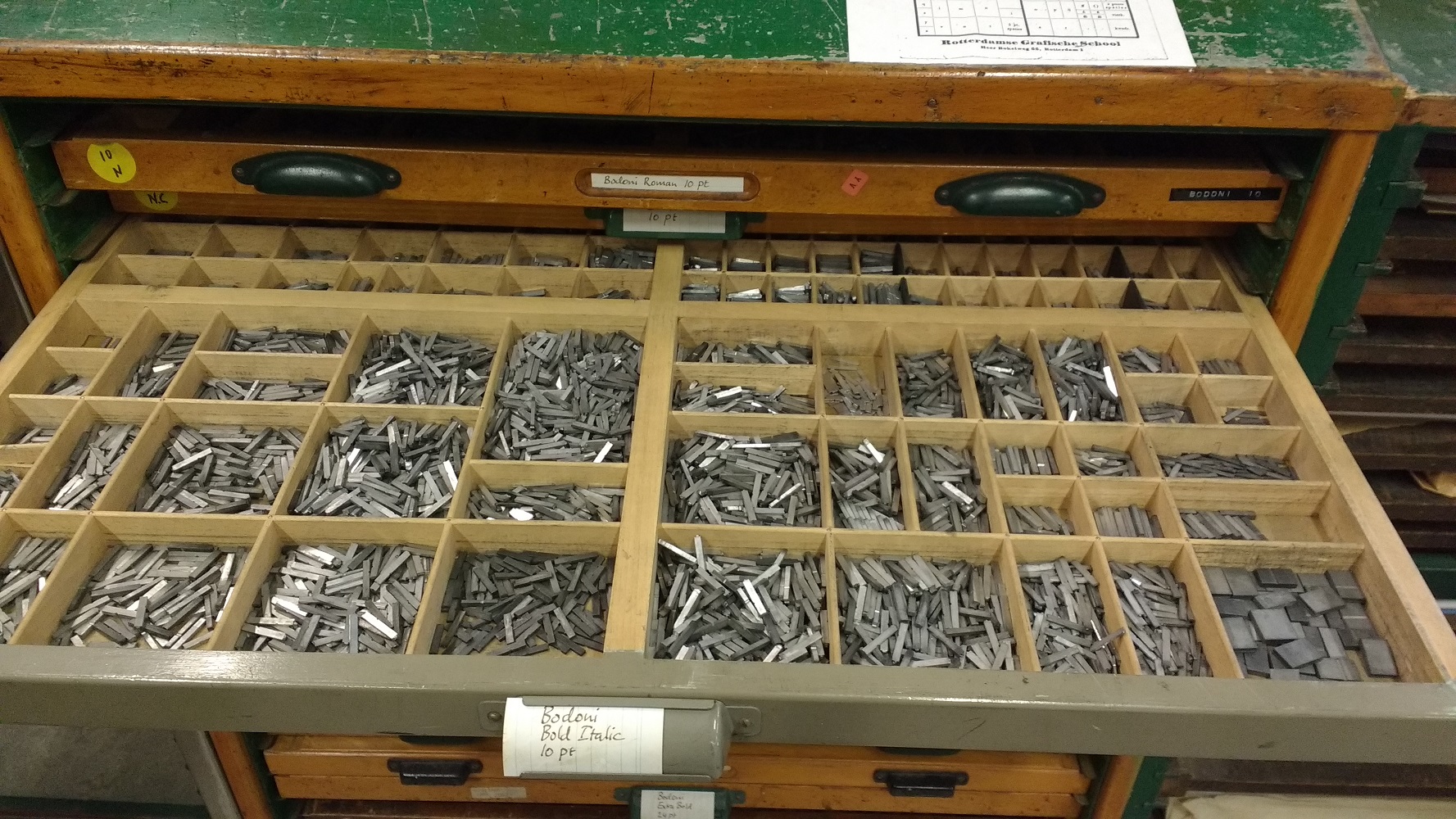
Throughout the year, the Book and Digital Media Studies programme organises activities to encourage community building. Examples include excursions to museums and exhibitions, learning to use a real printing press. Teaching generally takes the form of small-scale seminars and tutorials, in which lively and engaging discussions are encouraged. Small classes allow for plenty of contact between you and your lecturers and fellow students, ensuring you get the most from this educational opportunity.
Leiden Leadership Programme
If you’re interested in developing your leadership potential, the Leiden Leadership Programme offers training sessions, seminars, and a Personal Leadership Roadmap to help you grow.
Study at the Academy of Creative and Performing Arts
The Academy of the Creative and Performing Arts (ACPA) is a research institute and part of the Faculty of Humanities. The ACPA offers education such as electives, and talent programmes such as the Practicum Artium (PA), which gives you the opportunity to study photography, graphic design or drawing, and the Practicum Musicae at the Royal Conservatoire The Hague, where you can study classical music, singing, early music or jazz. Find out more about ACPA.
Due to the selected cookie settings, we cannot show this video here.
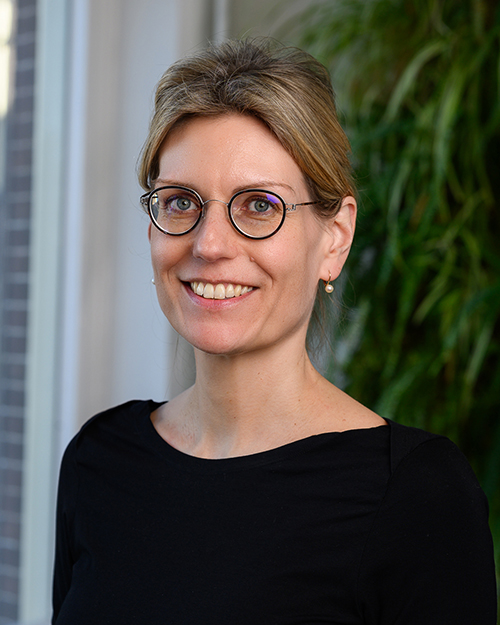
Anna Dlabacova is a University Lecturer at the Leiden University Centre for the Arts in Society. Her research focuses on late medieval literature and culture of the Low Countries. Her fields of interest are religious literature and society of the 15th and early 16th century, early printing and manuscript studies. View her full profile here.
Dr. I. O'Daly
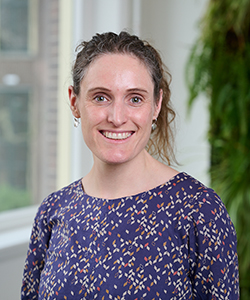
Irene O'Daly is an assistant professor at the Centre for the Arts in Society specialising in manuscript studies, the history of ideas, and classical reception. She is interested in how visual devices were used to mediate information in the medieval period, particularly ideas from antiquity. View her full profile here.
Dr. P.A.F. Verhaar
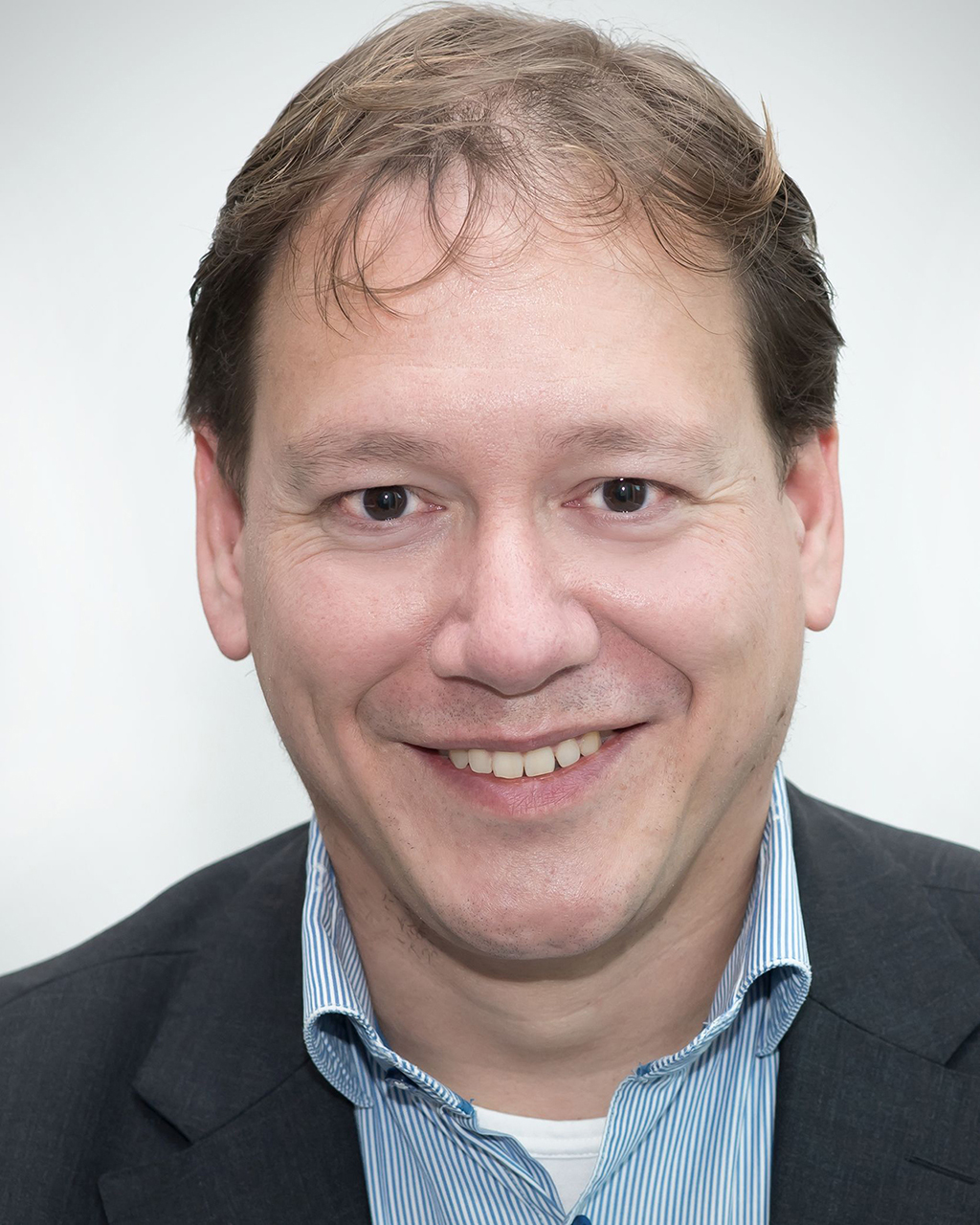
Peter Verhaar is Digital Scholarship Librarian and University Lecturer at the Leiden University Centre for the Arts in Society. His research focuses broadly on the various ways in which digital technologies transform and enhance scholarly practices in the Humanities. More specifically, he is interested in computer-assisted literary research, scholarly tools criticism, born-digital academic heritage, and scholarly publishing in the Humanities. View his full profile here.
Dr. B.J.M. Caers
Bram Caers is an Assistant Professor of Middle Dutch literature (up to 1600). His research interest include (urban) historiography in the vernacular, early modern manuscript culture and the interplay between manuscript and print, epic literature, rhetoricians, and medievalism. He teaches courses on Medieval literature as well as book history into the modern age. View his full profile here.
Graduates of Book and Digital Media Studies have a strong foundation in the history, theory, and practice of textual media—manuscript, print, and digital. They pursue careers in publishing, libraries, cultural heritage, and academia.
Alumni roles include:
Account manager at a publishing house
Project officer in cultural heritage
PhD candidate in the UK
Editor, curator, librarian
Application developer at Leiden University Libraries
Communications officer at a multinational publisher
Giulio Menna
Graduated in Book and Digital Media Studies
"After I graduated in Graphic & Multimedia Design at La Sapienza in Rome I started working at a small, local publishing house. Yet soon realized that I was not done with studying, and I wanted a challenge: “to graduate abroad!”. Book and Digital Media studies was the obvious choice: an MA programme taught in English that blended the theoretical and practical nature of today’s book world. I now use the skills gained on the programme in my role as application manager and developer at Leiden University Libraries: I make sure that students and researchers can find and access the wealth of knowledge stored at our Library, while at the same time developing open-source applications to allow for new discoveries."
The graphs below are based on alumni data from the MA Media Studies - Book and Digital Media Studies 2020 through 2024.
In which sector do students find jobs?
27 %Publishing and book industry
20 %Art and culture
13 %IT
13 %Media and journalism
7 %Non-profit organisations
7 %Government and semi-government organisations
7 %Information management
7 %Education
Career preparation
Find out how this programme exactly prepares you for your future career and check our career preparation activities.
Knowledge and skills
Launch your career with a master’s degree
Continuing your studies after your bachelor's degree pays off. Graduates with a master's degree are more likely to find higher-level positions: 77% start at a university of applied sciences (hbo) or university level, compared to 63% of graduates who only hold a bachelor's degree. This difference remains visible in the long term. After more than two years of work experience, 87% of master's alumni work at a university of applied sciences or university level, compared to 76% of bachelor's alumni.
A unique strength on the job market
As a Humanities graduate, you have developed talents that are in high demand on the job market. Intercultural skills, written communication, and social awareness are qualities that clearly distinguish Humanities graduates on the job market. Your ability to think analytically and creatively also gives you an edge.
Internships
The programme actively connects students with professionals for internships and entry-level jobs. Past internships include Brill, Elsevier, Boom, the National Library, university libraries, museums, and heritage institutions.
Humanities Career Service
Due to the selected cookie settings, we cannot show this video here.
Our staff can help you identify both the career that is right for you, and the necessary steps to get you there. Our team at the Humanities Career Service provides all Leiden University Humanities students with professional advice and guidance on everything from internships and career planning to job applications. The Humanities Career Service also organises regular workshops on topics such as effective interview skills and creating a successful CV. Check our video and hear from our alumni how they have benefited from our services!
The Leiden University Career Zone is an online career portal that helps you to prepare for the job market. Here you can find information, tools and tips to help you gain more personal insight, learn about the job market, develop your application skills, plan your academic and professional career, find job vacancies and discover what the Career Service can do for you.
Ask Alumni: Leiden University Mentor Network
Join the Mentor Network to contact alumni with experience on the labour market and ask them for advice. More than 1200 alumni are happy to help you!
Jelle on finding an internship via Leiden University's Mentor Network
Due to the selected cookie settings, we cannot show this video here.
Find out how to apply for Book and Digital Media Studies at Leiden University by following our step-by step guide.
This specialisation is part of the MA in Media Studies. If you would like to apply to this programme please first select the research MA Media Studies (CROHO code: 60830) in Studielink and then select Book and Digital Media Studies.
Step-by step guide
This guide clearly explains the steps you need to take to apply, and the subsequent admission process.
To be eligible for Book and Digital Media Studies at Leiden University, you must meet the following admission requirements.
Diploma requirements
General diploma requirements
You are eligible to apply for the MA Media studies: Book and Digital Media Studies if you have:
A bachelor’s degree from a research university, equivalent to the level of a Dutch academic Bachelor’s degree; and
Knowledge and understanding of the cultural and historical developments in Europe at academic bachelor’s level in the humanities, with regard to subjects relevant to the field of book studies.
If you have completed the minor ‘Boek, boekhandel en uitgeverij’ at Leiden University or comparable components worth at least 30 credits in book studies you are considered to have fulfilled this requirement. In all other cases, the Board of Admissions will decide whether the requirement for this knowledge and understanding has been met.
Bachelor’s degree of a university of applied sciences (hbo)
Applicants with a degree from a Dutch university of applied sciences (hbo) or equivalent are not eligible for admission to the Master’s programme. The specialisation Book and Digital Media Studies does not offer a pre-master’s programme.
Language requirements
English language proficiency
The following requirements apply*:
IELTS Academic modules only, on paper or on computer: 6.5 overall, with at least 6.0 for each separate component score.
We do not accept IELTS General Training, IELTS Indicator, or IELTS One Skill Retake
TOEFL internet based: 90 overall, with at least 4.0 (new 1-6 scale as of 21 January 2026) or 20 (old 0-30 scale) for each separate component.
We are not able to accept The TOEFL IBT Home Edition™, except in the following situation only:
You are unable to take an in-person test on location because test centres are inaccessible or closed due to unsafe conditions in a country.
We do not accept the following types of test: TOEFL My Best™ scores (multiple test scores combined), TOEFL Essentials™ or institutional tests such as ITP.
Cambridge English Exam C2 Proficiency, or C1 Advanced (180), with a minimum score of 169 for each separate component.
Note that English test results may not be more than two years old and must be obtained in one single test.
* New TOEFL grading scale 2026 In January 2026, TOEFL introduced a new grading scale. Test certificates issued in 2026 and 2027 will show overall scores in both the old grading scale (0-120) and the new grading scale (1-6). Component or band scores will only be shown in the new grading scale.
Leiden University’s 2026-2027 overall score requirements will continue to be based on the old grading scale. If you took your test on or after 21 January 2026, you must meet the overall score requirement shown on our website in the old grading scale (0-120), and the component score requirements shown on our website in the new grading scale (1-6).
*You do not have to submit an English proficiency test if you have completed your education in the USA, UK, Ireland, New Zealand, Australia, Canada (except French-taught programmes in Canada) Singapore, South-Africa or Malta; or if you have obtained an English-taught International Baccalaureate™; or if you have completed a Dutch VWO diploma or an English-taught degree at a Dutch research university or (for September intake) a diploma of an English-taught higher professional education (hbo) programme completed at a Dutch university of applied sciences.
For detailed information, including exemption criteria and methods of submission, refer to English language proficiency.
Applicants who need a visa or residence permit or need to extend their residence permit must apply for admission before 1 April.
All other applicants must apply for admission before 15 May.
Please note: You must submit your application via Studielink and Leiden University’s application system (uSis), before the deadlines mentioned above.
Apply early!
We advise you to apply as soon as possible. The earlier you apply, the more time there is for us to help you if your application file is not complete. If you do not have a Dutch diploma that grants direct admission or you need to meet additional admission criteria, you’ll have to complete a two-part application procedure:
First register your application(s) in the national system Studielink.
A day later you will receive log-in details for Leiden University’s application system (uSis), where you can complete your application.
You must submit your application via Leiden University’s application system (uSis), before the deadlines mentioned above. So don’t delay; if you haven’t registered in Studielink and activated your uSis account in time to apply by the deadline, you’ll miss out!
Other deadlines
Housing deadlines
Leiden University reserves a limited number of rooms each year for international students. However, as the number of housing requests always greatly exceeds the number of rooms available, we strongly recommend that you also look into other housing options at the same time. Read more about how and when to arrange housing. If you want to request accommodation via Leiden University, submit both your application for admission and your housing request well before the deadlines! Accommodation is offered on a first-come first-served basis and is not guaranteed. You don’t have to await admission before requesting housing.
Scholarship deadlines
If you want to apply for a scholarship, grant or loan, please bear in mind that different deadlines apply, and these deadlines can often be earlier. Deadlines vary per scholarship. Visit the scholarship website for more details.
When you apply for admission, you’ll be asked to submit several documents.
Note: If you have a Dutch diploma that grants direct admission, you will generally not be asked to submit additional documents.
Required application documents
You’ll need to submit the following documents:
Language proficiency (if applicable)
You can apply for admission before receiving the results of your English language test. However, a sufficient result will then be a condition of your eventual admission. Of course, if you already have your English language test results, you can upload them directly.
Copies of diplomas and transcripts
Digital copies of diplomas and transcripts are initially required. Once you have been admitted, we will inform you how to submit certified copies.
The documents must be in the original language. If they are not in English, Dutch, German or French, they must be accompanied by official translations into one of these languages.
If you have not yet completed your current programme, state your expected graduation date and submit copies of all transcripts obtained to date plus a list of subjects still to be completed.
Additional requirements specific to Book and Digital Media Studies
Questionnaire Master Application
You are required to upload additional information: 1) about your acquired knowledge, understanding and skills in the field of the Master’s programme you are applying for and 2) about your acquired general academic skills. You can upload this format Questionnaire Master Application.
You can check the programme specific requirements regarding knowledge, understanding and skills on the Admission Requirements page.
The format includes the list of general academic skills which the candidate must possess in order to be admitted to the Master’s programme at the Faculty of Humanities.
The application procedure is broken down into three parts.
Part 1. Application in Studielink
All students applying for a degree programme at Leiden University must start the application process in Studielink, the national online registration system for students wishing to follow a degree programme at a Dutch university. Studielink is open for applications from 1 October in the year preceding the academic year in which you wish to start.
Apply in Studielink
1. Go toStudielink and enter your details according to the instructions provided. For this step you will need:
a copy of your valid passport or European ID card, or
Be aware! If you wish to apply for a specialisation of a master's programme: first select the master’s programme in Studielink, then select the specialisation for which you wish to apply in Step 4 (Institutional Questions) in Studielink.
2. Within two days you will receive:
an email with information on the next steps you'll need to take;
your university ULCN student account details (unless, of course, you already have a ULCN account)
the link to Leiden University’s online application portal (uSis)
Directly admitted?
After receiving your ULCN student account details, log into Leiden University’s online application portal (uSis), using the link provided. Here you can view the status of your application, which will be one of two possibilities.
1. You can be directly admitted
If your (Dutch) diploma grants you direct admission, Leiden University's online application portal (uSis) will let you know. The portal provides an overview of what you have to do to complete your application, for example arranging housing, scholarships, applying for a visa/residence permit and insurances. Please follow the instructions carefully and proceed to step 3 Student registration.
2. You cannot be directly admitted: additional action is required
If you do not have a (Dutch) diploma that grants you direct admission, we will require additional documents to allow us to decide about your application. The online application portal (uSis) will tell you this and explain how to do so. See also Part 2: Admission to Leiden University.
Part 2. Admission to Leiden University
If you cannot be directly admitted, you must apply for admission via Leiden University’s online application portal (uSis). Please follow all steps below.
Submit your online application
In our online application portal (uSis) you can finalise your application by uploading the necessary documents and answering a few questions. This portal provides an overview of what you need to do to complete your admission application. Please follow the instructions carefully and make sure to include all the items that are asked for. We strongly recommend that you complete your application well in advance of the application deadline.
Pay the application fee (if applicable)
All applicants with an international degree must pay a non-refundable €100 application fee, which entitles you to apply for up to three programmes/specialisations in the same academic year. We cannot start processing your application until we receive this application fee, so please pay it as soon as possible. The online application system explains how you can pay it.
Can I be exempted from paying the application fee? You do not have to pay the application fee if:
You are following, or have completed, a bachelor’s degree at a Dutch university (of applied sciences).
You have previously registered as an exchange, bachelor’s, master’s or pre-master’s student at Leiden University.
You have previously been admitted to the same degree programme at Leiden University, but you decided to postpone your studies. This does not apply if you are applying for a different study programme or specialisation.
You have refugee status in the Netherlands (with a residence permit for asylum).
Exemptions cannot be granted for any other reasons.
Other things to arrange
After you have submitted your application, the online application portal (uSis) will, if applicable, ask you if you want to apply for student housing, a visa/residence permit or a scholarship. Be sure to make a careful note of the relevant deadlines for these options.
Your application will be assessed
After receiving your application fee payment (if applicable), the Admissions Office will check whether all the necessary documents have been uploaded and they will inform you by email whether any further items are required. The Board of Admissions of the faculty will then:
decide whether you meet the admission requirements for the programme;
strive to issue a decision on your completed application within four to six weeks of the University receiving it.
Receiving the decision
Once a decision has been reached you will be informed by email. You can view your admission status in the online application portal (uSis).
There are three possible outcomes:
You are admitted
You have met all conditions for admission.
You are conditionally admitted
You will be admitted, provided that you meet certain conditions. These conditions will be specified in the online application portal (uSis).
You are not admitted
The reason(s) for non-admission will be clearly stated in the online application portal (uSis). If you are informed that you have been (conditionally) admitted, you will have to take a number of additional steps.
Confirm attendance
If you are (conditionally) admitted, the Admissions Office will ask you to confirm whether you will join the study programme. You can do so in the online application portal (uSis).
1. Go to ‘Application study programme’ in the online application portal (uSis).
2. Open the ‘Confirm’ screen. Here you will see three options:
Yes, I want to study at Leiden University.
No, I no longer wish to study at Leiden University and hereby withdraw my application.
Maybe later; I do not wish to start this semester/academic year. I would like to receive further instructions by email.
The sooner the better
Confirm attendance as soon as possible, to avoid missing other important deadlines and information about your study programme.
Changing your mind
You can still change your mind if necessary, either in uSis or by contacting the Admissions Office master team.
Deadline final decision
Do you need a student visa or residence permit? You can only request one after confirming attendance. So make sure to confirm attendance before the visa/residence permit deadline.
If you don’t need a visa or residence permit, the latest deadline for confirming attendance is before the start date of your study programme.
Part 3. Student registration
If you’ve been (conditionally) admitted, follow these steps to register as a student at Leiden University:
Meet all conditions
Check in the online application portal (uSis) whether you need to submit any documents to meet the conditions of your admission. Instructions on how to do so will be provided in uSis.
Arrange the payment of your tuition fee
Arrange the payment of your tuition fee before the official start date of your programme. You will receive instructions and information on the available payment methods by email.
Practical matters for international students
If you are an international student, go to the Prepare your stay page of our website for information about the practical matters you should take care of before and upon arrival. These include, for example, arranging housing, scholarships, applying for a visa/residence permit and insurances.
The tuition fee for this programme is €2,694 for the academic year 2026-2027 (statutory fee).
This tuition fee applies if this is your first master’s programme and you are a national of one of the following countries:
Austria
Latvia
Belgium
Liechtenstein
Bulgaria
Lithuania
Croatia
Luxembourg
Cyprus
Malta
Czech Republic
Norway
Denmark
Poland
Estonia
Portugal
Finland
Romania
France
Slovakia
Germany
Slovenia
Greece
Spain
Hungary
Suriname
Iceland
Sweden
Ireland
Switzerland
Italy
The fee applies for both full-time and part-time study.
Other nationalities
The tuition fee for this programme is €22,300 for the academic year 2026-2027 (institutional tuition fee).
If you are not a national of an EEA country, Suriname or Switzerland, generally speaking you will have to pay an institutional tuition fee. This fee applies for both full-time and part-time study.
However, if, on the basis of your Dutch residence permit, you are eligible for student finance from the Dutch education agency (DUO) you are entitled to pay the statutory tuition fee. Information on qualifying residence permits can be found at the DUO website.
Second Dutch master’s programme
Only applicable to EU/EEA, Swiss and Surinamese nationals.
The tuition fee for this programme is €17,200 for the academic year 2026-2027 (institutional tuition fee).
If you are following a second Dutch master’s programme you will generally have to pay an institutional tuition fee that is higher than the statutory tuition fee.
Exceptions
In some cases, nationals of EEA countries, Suriname or Switzerland may be permitted to pay tuition fees set at the same amount as the statutory tuition fee for their second degree programme.
Legal transitional arrangement for second bachelor's or master's degree: student pays the statutory tuition fee when:
Student has already obtained a bachelor's or master's degree but is starting a programme in the field of education or healthcare for the first time.
The student has already started a second bachelor's or master's programme before the first programme was completed and remains registered for it uninterruptedly.
Institutional transitional arrangement for a second bachelor's or master's degree: student pays the institutional tuition fee equal to the statutory rate) when:
Student has already obtained a bachelor's or master's degree, but is starting a teacher training programme.
After completing a bachelor's or master's degree at Leiden University, a student will subsequently start a second programme (in academic years).
Are you unsure which tuition fee applies to you? Consult our Tuition Fee Calculator.
Pre-master or conversion programmes
Tuition fee if the pre-master's or conversion programme has less than 60 study credits (EC)
2026-2027
€44,90 per EC
If the pre-master's or conversion programme has 60 study credits or more, you pay the statutory tuition fee of that college year.
Scholarships, grants and loans
Scholarships, grants and loans
Leiden University offers a wide range of scholarships for students from specific regions of the world, or for specific programmes. Leiden University also offers the Leiden University Excellence Scholarship (LExS), a programme specifically designed for non-EU/EEA students enrolling in a master’s programme. Find out more about scholarships, grants, loans and deadlines
If you are an EU/EEA or Swiss national and under 30, you may be eligible for a loan from the Dutch government to cover your tuition fees.
You’ve been accepted! Leiden University looks forward to welcoming you as a new student. Your next step is to prepare for your studies. Below you can find some tips to help you get a head start as you embark on your studies at Leiden University.
For international students
If you are an international student, a wealth of information can be found on the ‘Prepare your stay’ page of our website. This includes information about visas, housing, financial matters, what to arrange upon arrival, and much more.
For Dutch students
Student website
The ‘student website’ page on Leiden University’s student website contains information about practical aspects, introduction weeks and student associations. It’s also a handy source of study-related information and advice.
For detailed information about courses, schedules and reading materials, check out the Prospectus.
Introduction programme
Sign up for the introduction week in Leiden (OWL) or The Hague (HOP)! It’s the best way to get acquainted with student life and the student cities of Leiden and The Hague.
Digital student card
Three days after you receive a digital proof of enrolment, you will get access to your digital student card. You will receive the proof of enrolment by email, so make sure to check your inbox. You can find your digital student card in the Universiteit Leiden app. Read more about your student card here.
LU-Card
As soon as you receive notification that your student registration has been finalised you should apply for a Leiden University ID card, or LU-Card. It also serves as your library card, print & copy card and access pass. Read more about applying for an LU-card here.
Student life
Your time at Leiden is about more than just studying. Some of your best experiences will stem from being a part of our lively and diverse student community, as well as from life in the beautiful city of Leiden.
The study association called Albion organises lectures, social drinks and study trips, as well as crash courses to help you study. They can be found on Instagram and on their website.
Humanities Master’s Buddy Programme
The Humanities Master’s Buddy Programme has been set up by the Faculty of Humanities to help all students who are new to the university to integrate quickly and easily into university life. You will be matched to a buddy who can help you out with your academic and practical questions. Additionally you will be able to attend fun monthly activities and make friends from all over the world.
Leiden has several student organisations that specifically cater for international students. These associations organise regular social events and activities that help create the strong sense of community that exists within our international student body. The main two organisations are:
Erasmus Student Network Leiden (ESN) ESN Leiden is an international student organisation which hosts a range of activities and programmes. They also have a buddy programme which provides new students with the right support to assimilate into Leiden and the university.
AEGEE Leiden AEGEE is a leading European student association with sister organisations in over 40 countries across Europe. AEGEE organises many activities in Leiden, from dinners and pool nights to boat trips and guest lectures.
In August and February each year, Leiden University hosts the English-language Orientation Week Leiden (OWL), which welcomes both international and Dutch students. The OWL is an excellent way to get to know Leiden University, the city, and other students.
Life in Leiden
Picturesque and the perfect size, Leiden is the ideal place to spend your university days. The Faculty of Humanities is located within the heart of the city, where dozens of cafes, shops and bars line its historic laneways and leafy canals. Small enough to run into familiar faces, but big enough to keep offering surprises – you will treasure your time at Leiden. And for adventures further afield, the major cities of The Hague and Amsterdam are a short train ride away, along with Schiphol Airport, which is just half an hour away by train.
Our study and student associations organise a huge variety of social, cultural, and study events to keep you busy all year round. You can also join the University Sports Centre, which offers scheduled group sports and fitness classes, amongst other activities.
Information activities
Get to know us through our online and in-person events for prospective students!
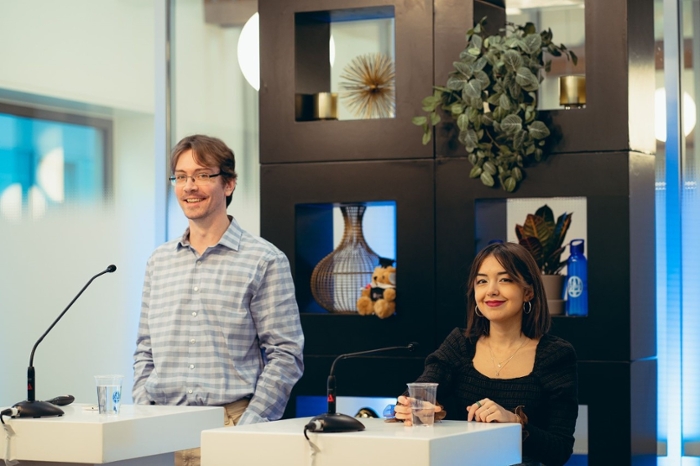
Two speakers at the open day
Are you thinking about joining this Master's programme, and want to determine if it will be the right fit for you? Below, you can browse the events that we have coming up, and sign up to experience Leiden University and the programme for yourself. Alternatively, take a look at the Master Talks videos to find out more about the programme or check out our virtual campus tours!
Upcoming events
Master's Open Days
Master's Open Days
During the Master's Open Days you’ll have the opportunity to learn all about Leiden University’s master's programmes. Attend presentations about your chosen programme(s) or practical matters such as admissions and housing. Get real insight into the content of your preferred master's, along with the career opportunities it will bring.
On the Master Talks: programme videos platform you can find videos for each master’s programme. This includes a video which gives a short introduction to the programme. You can also find the recording of the previous Master's Online Open Days and watch the programme presentation on the platform.
Get to know the campus
Check out our virtual campus tours, filmed in 360 degrees – by dragging the video, you can look around at the surroundings yourself. Below is the video recorded at the Humanities faculty, where most of your lectures will take place; you can also view other 360 campus tours of the various university faculties here.
360 Campus tour: the Humanities faculty
Due to the selected cookie settings, we cannot show this video here.
If you have a question, there are various ways to get in touch with us.
This website and our Frequently Asked Questions are the quickest ways to find an answer to many of your questions.
Questions about the Programme
Please note: The study adviser cannot give any information about students’ chances of being admitted to the programme. The Board of Admissions will base their decision on a complete application.