
Luc Sels in Cairo
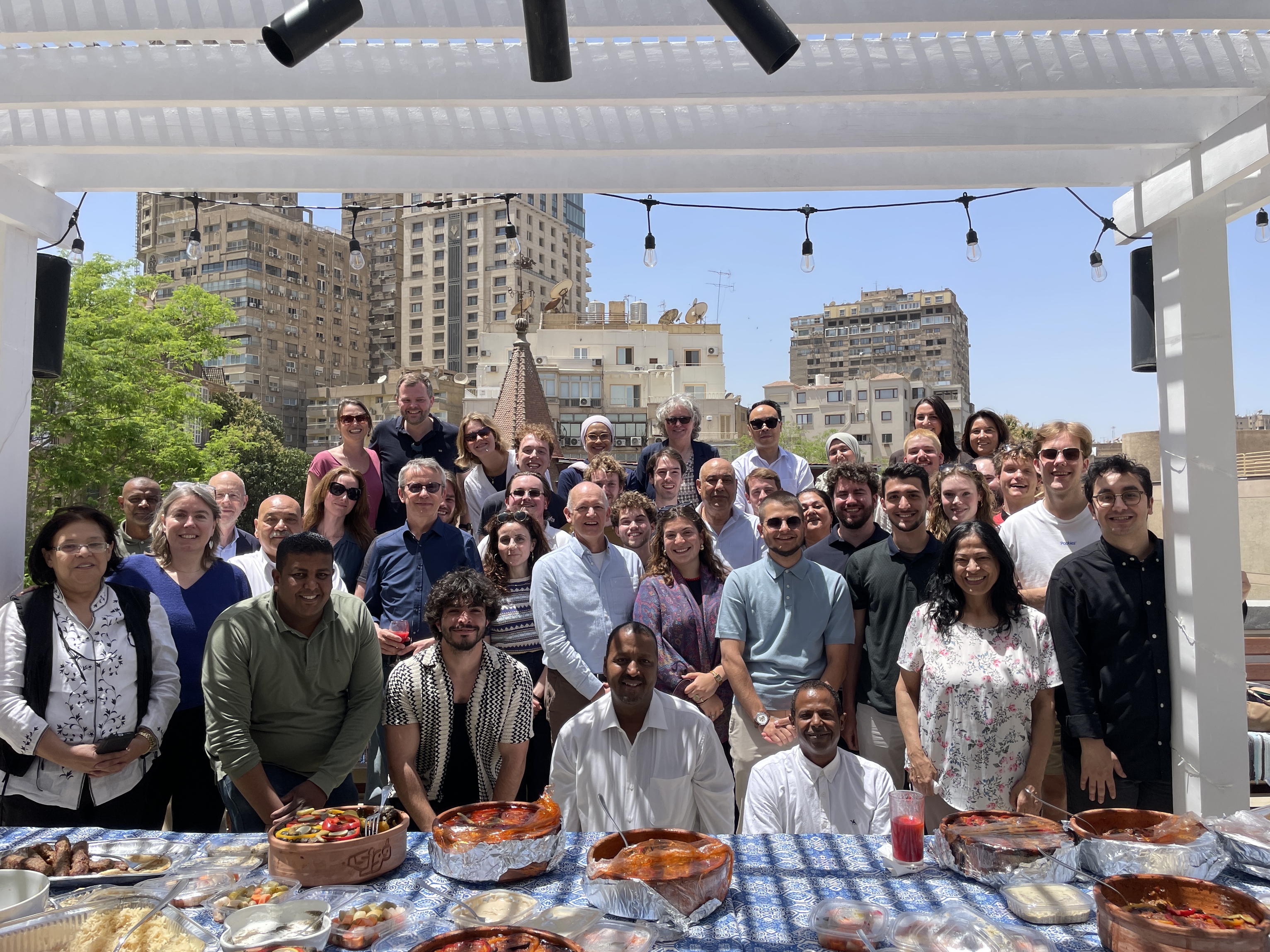
Between 25 April and 1 May 2026, Luc Sels, President of the Executive Board of Leiden University, paid a week-long visit to Cairo highlighting the growing strategic importance of Egypt in international academic cooperation and the increasingly central role of Leiden University’s institutes abroad as platforms for research, science diplomacy, and intercultural exchange. Organized around the 55th anniversary of the Netherlands-Flemish Institute in Cairo (NVIC), the visit brought together university leaders, researchers, diplomats, and policymakers to strengthen ties between European and Egyptian institutions and to explore the broader geopolitical and scientific significance of collaboration in the region.
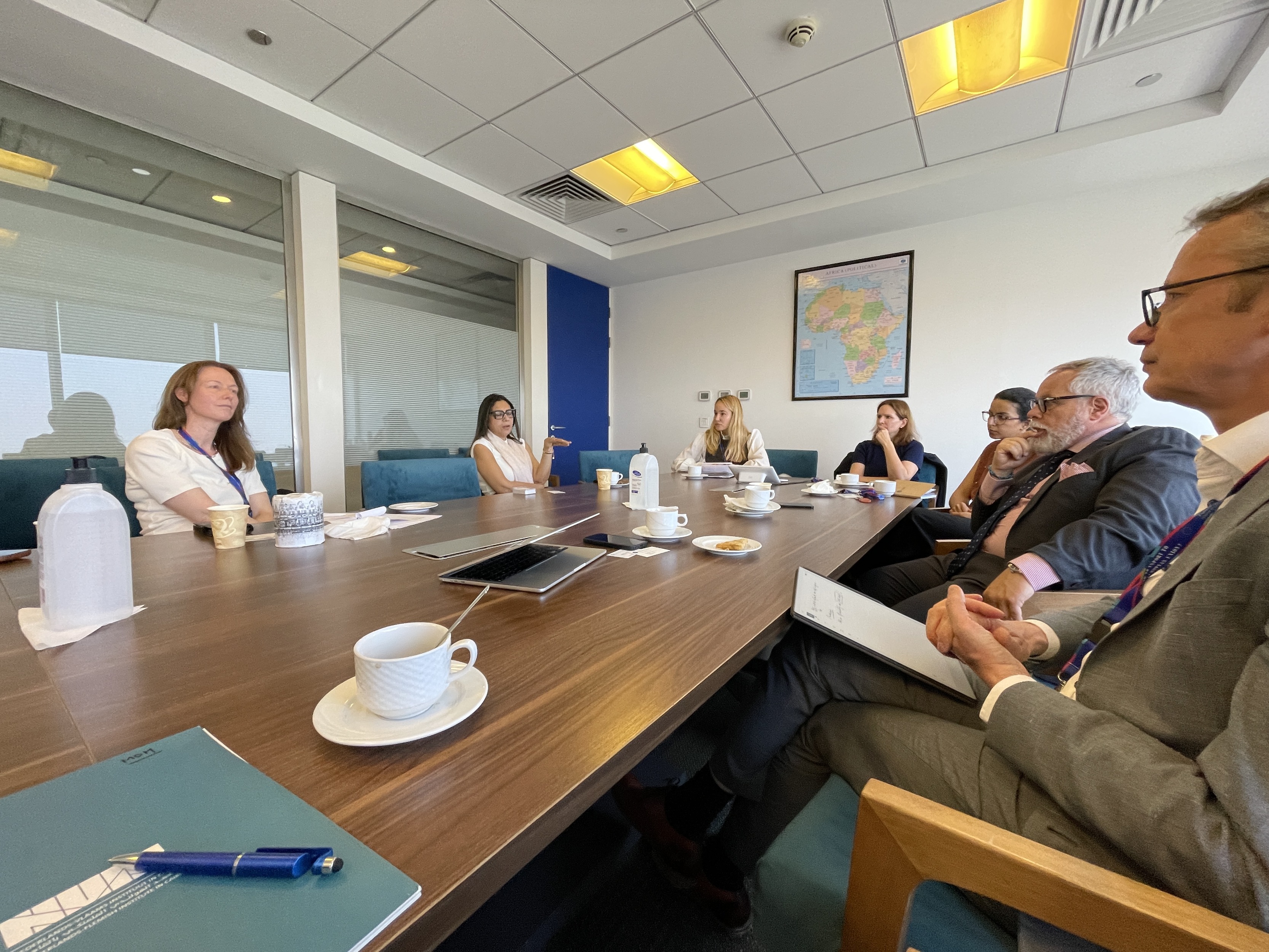
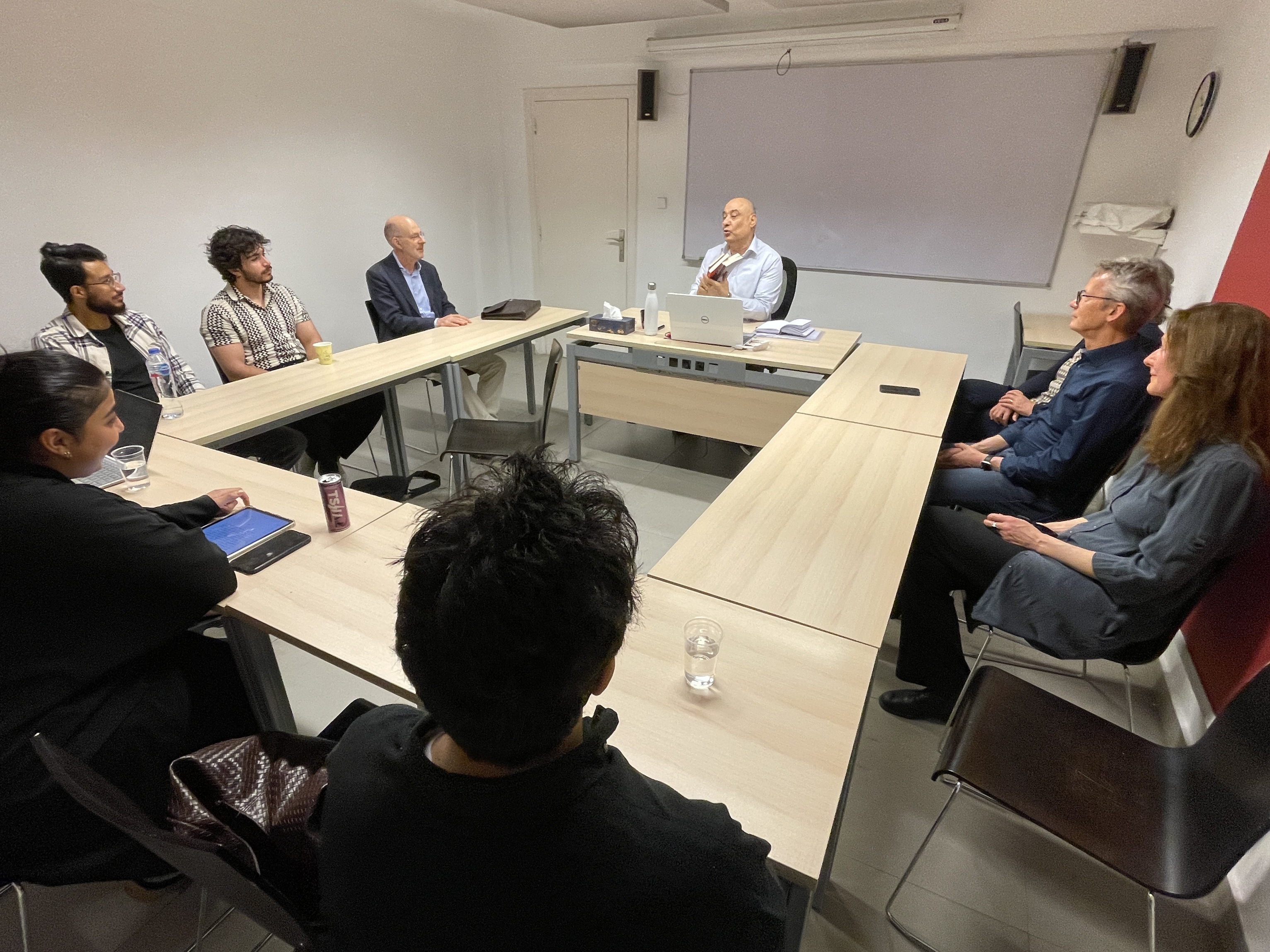
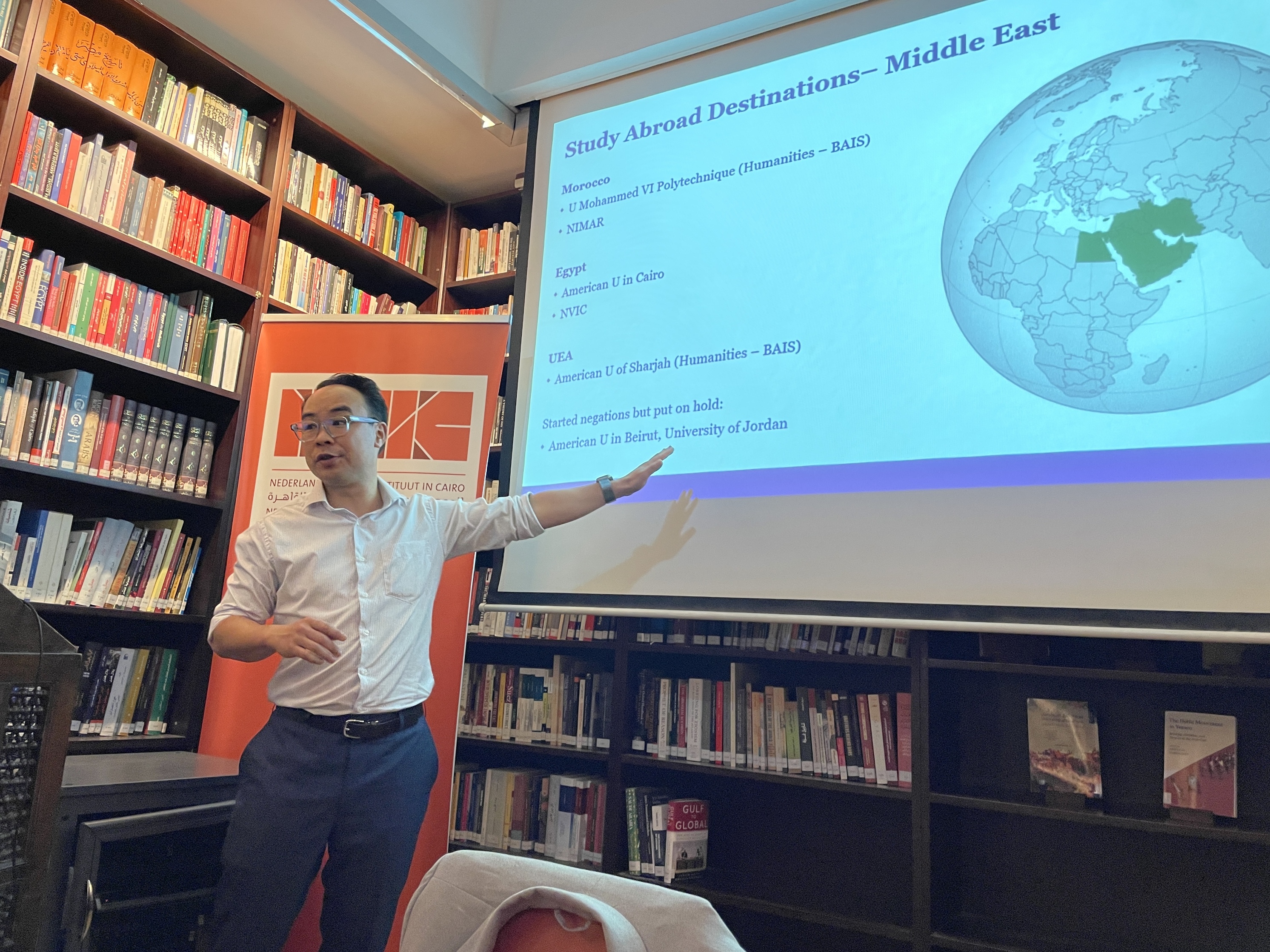
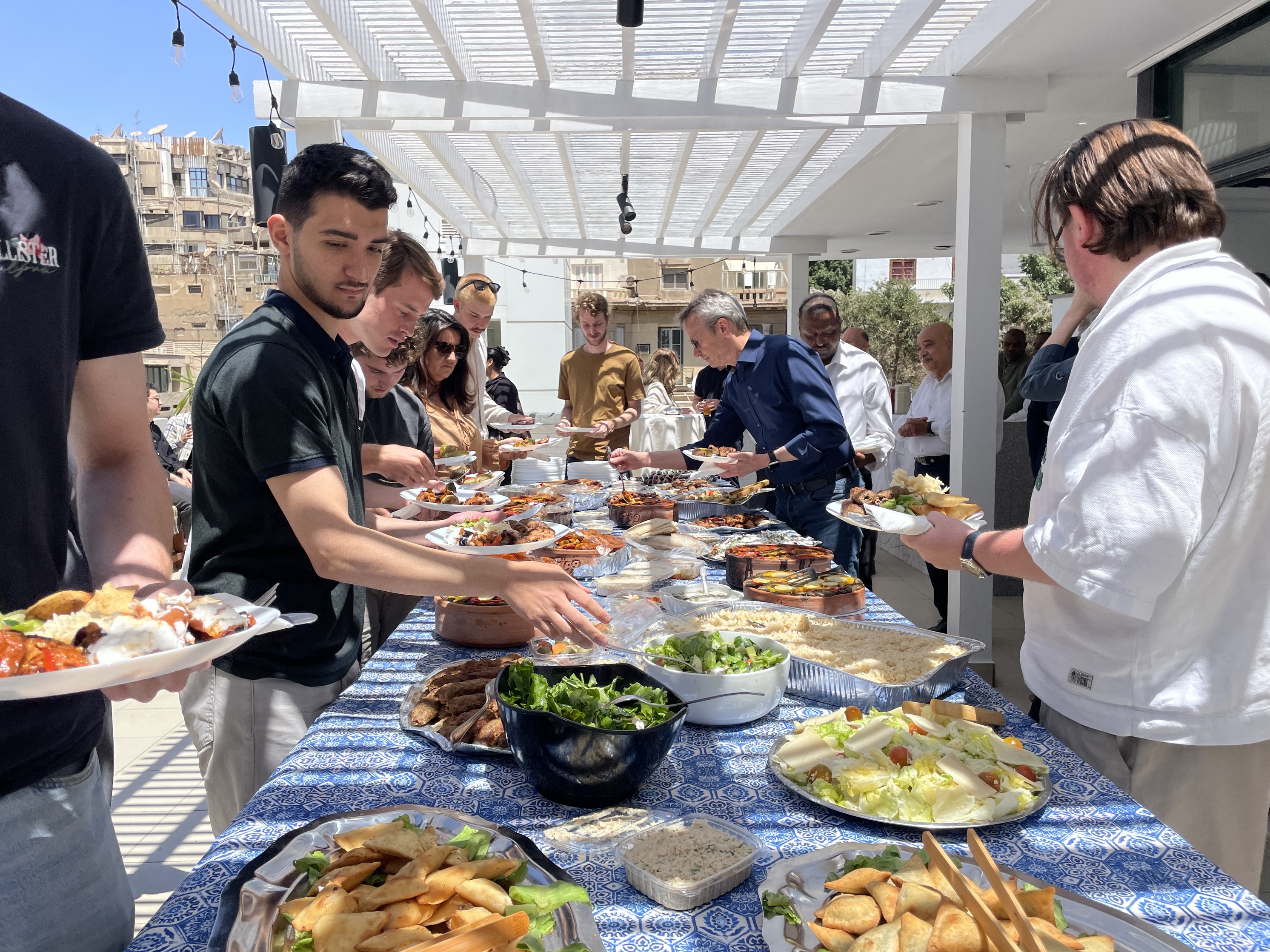
Day 1 focused on the role of NVIC and Leiden University’s international institutes as a “fourth campus” of the university. A meeting with our students in Middle Eastern Studies and Arabic Studies demonstrated the transformative impact of studying in Cairo. Immersion in Egyptian society enables students not only to improve their language skills rapidly, but also to develop a deeper understanding of the cultural, political, and historical realities of the Middle East. Their experiences illustrated the value of direct engagement with the region and the importance of international education in developing intercultural competence.
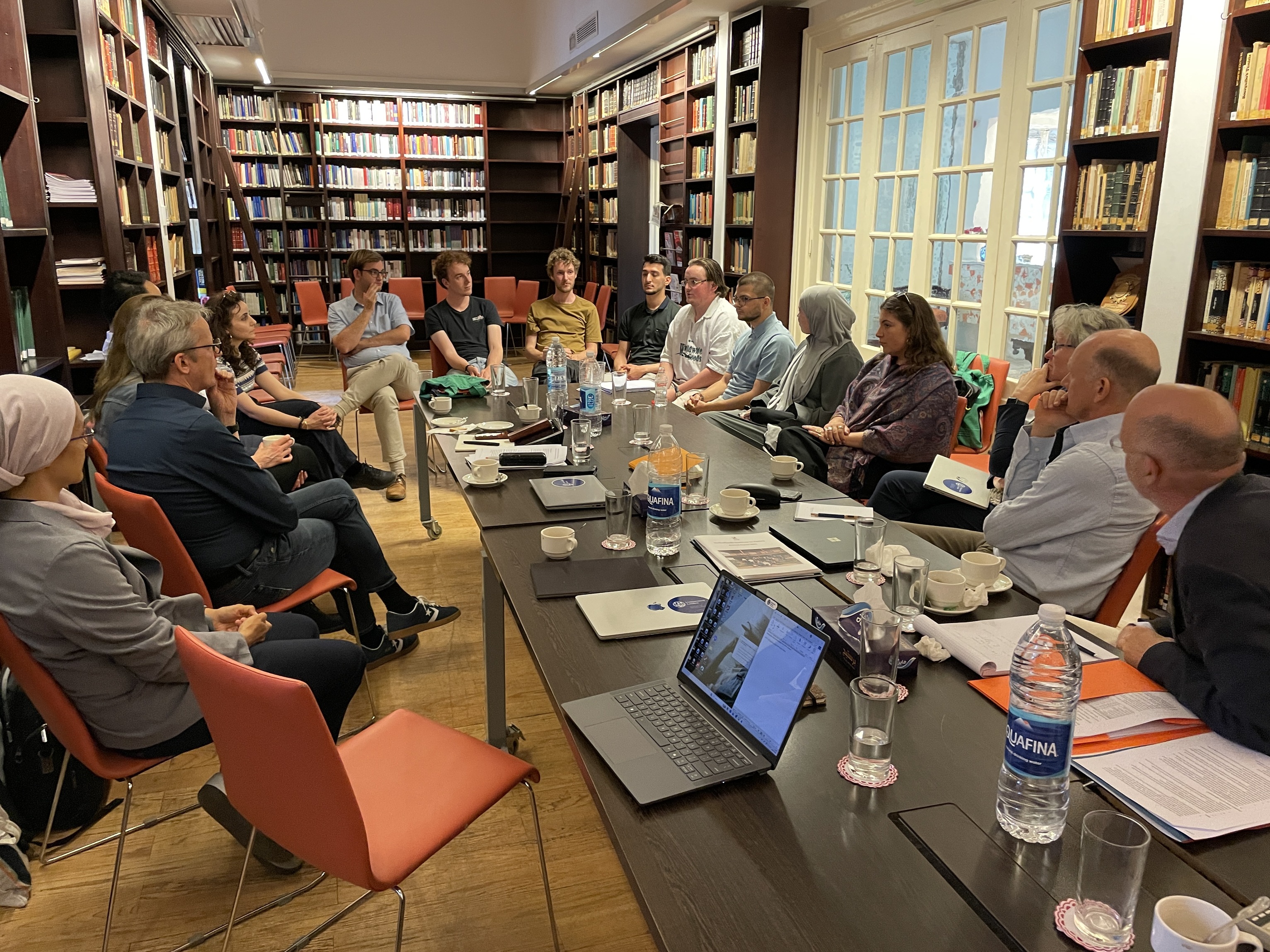
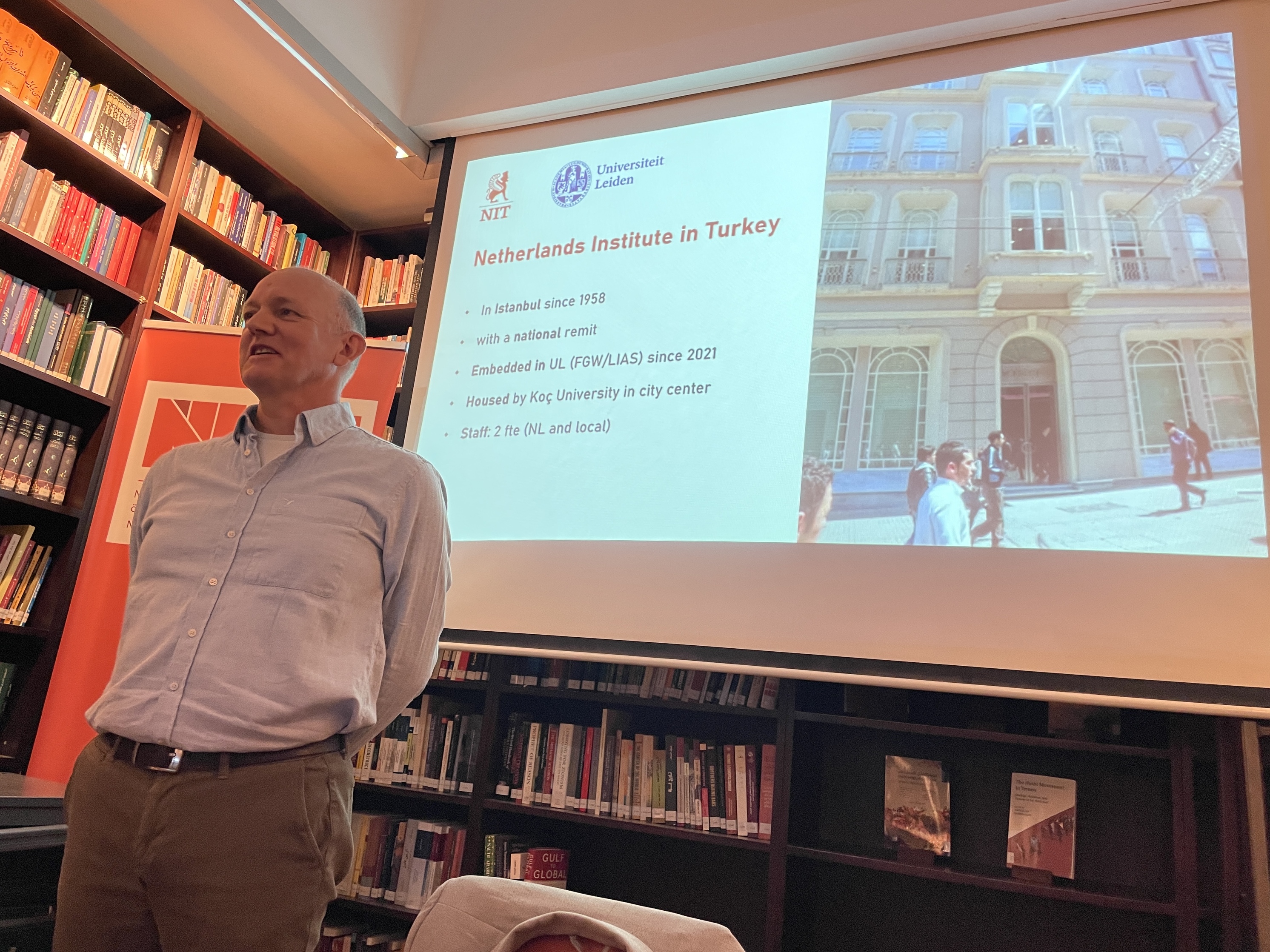
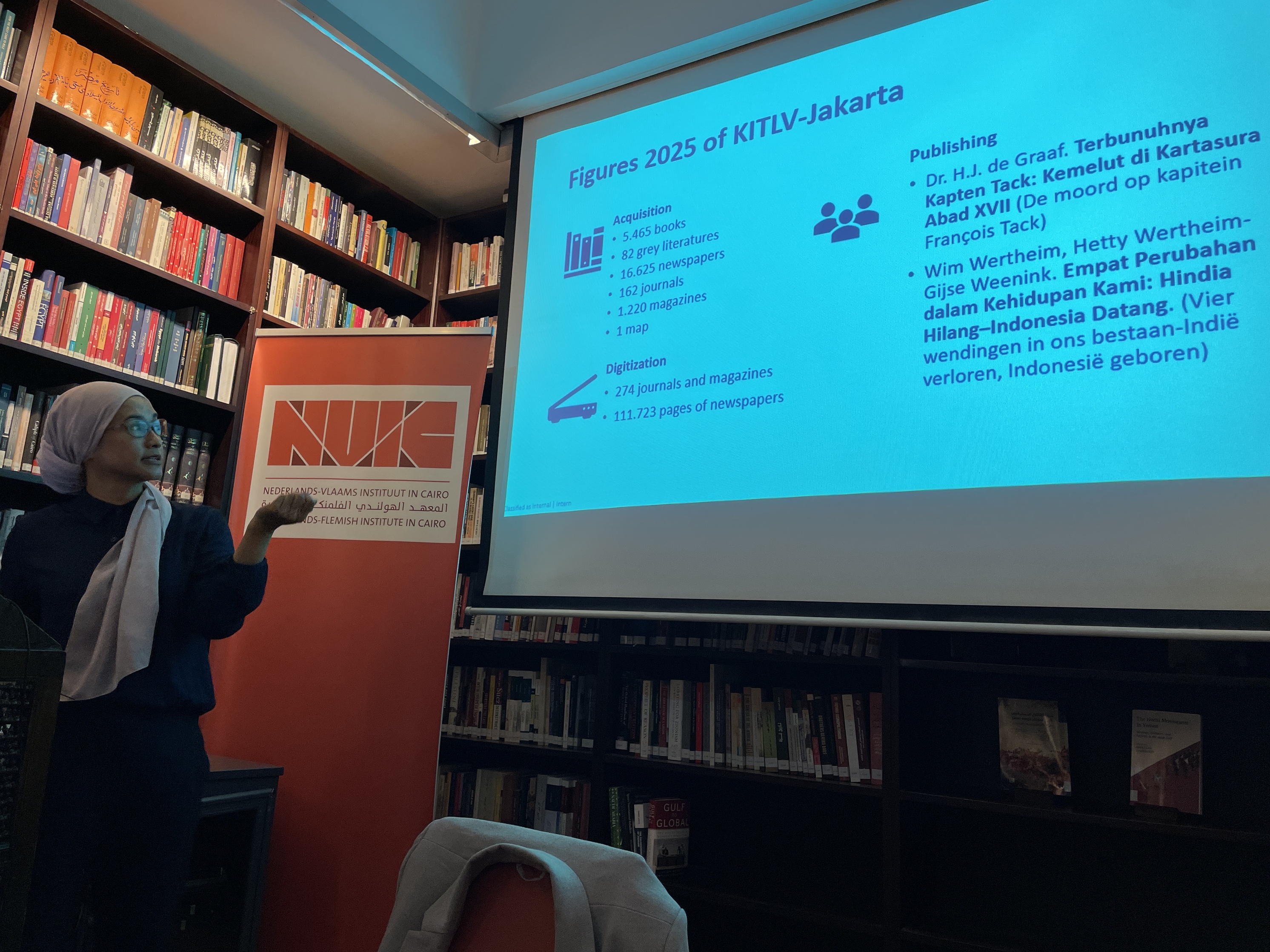
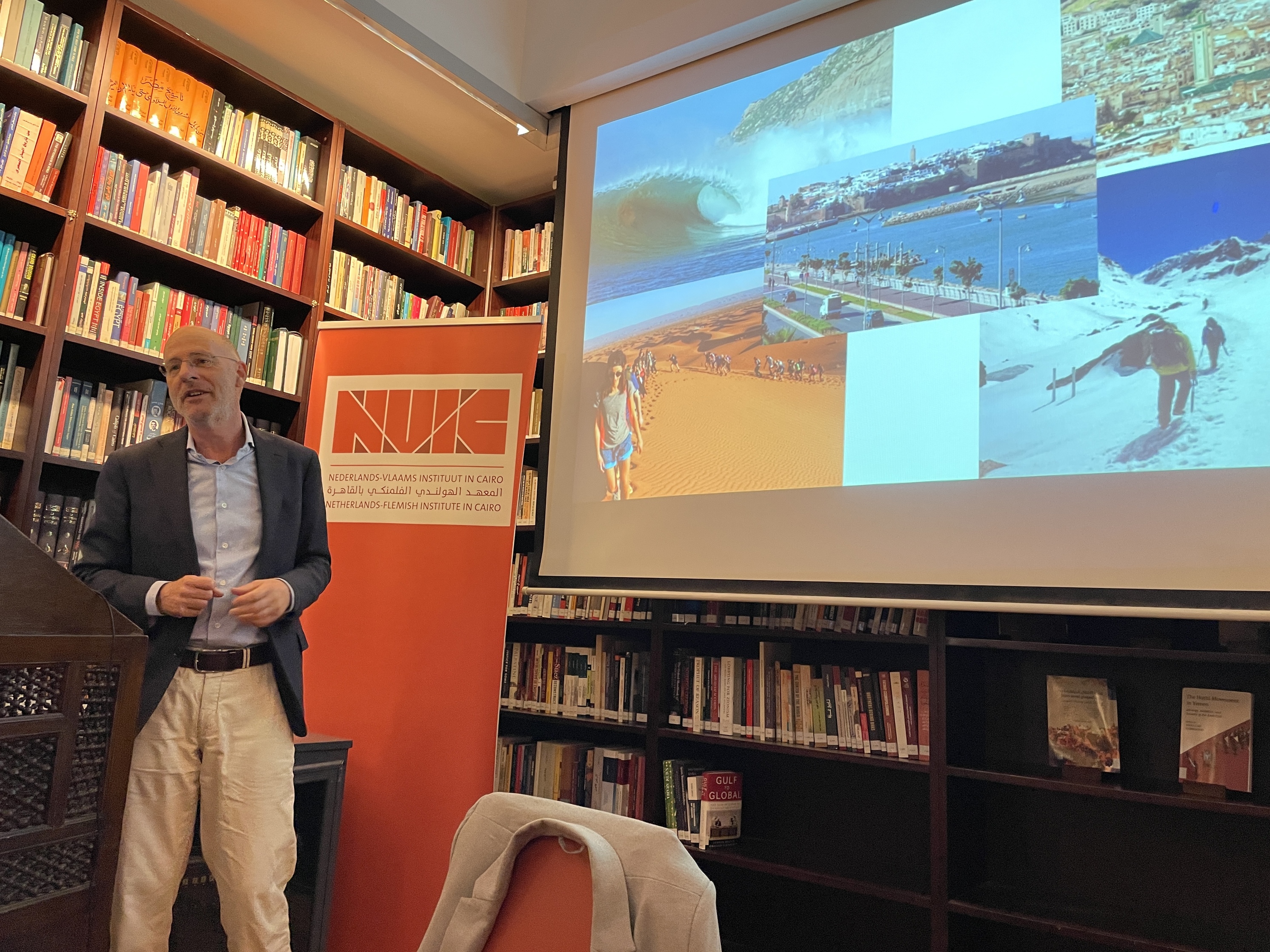
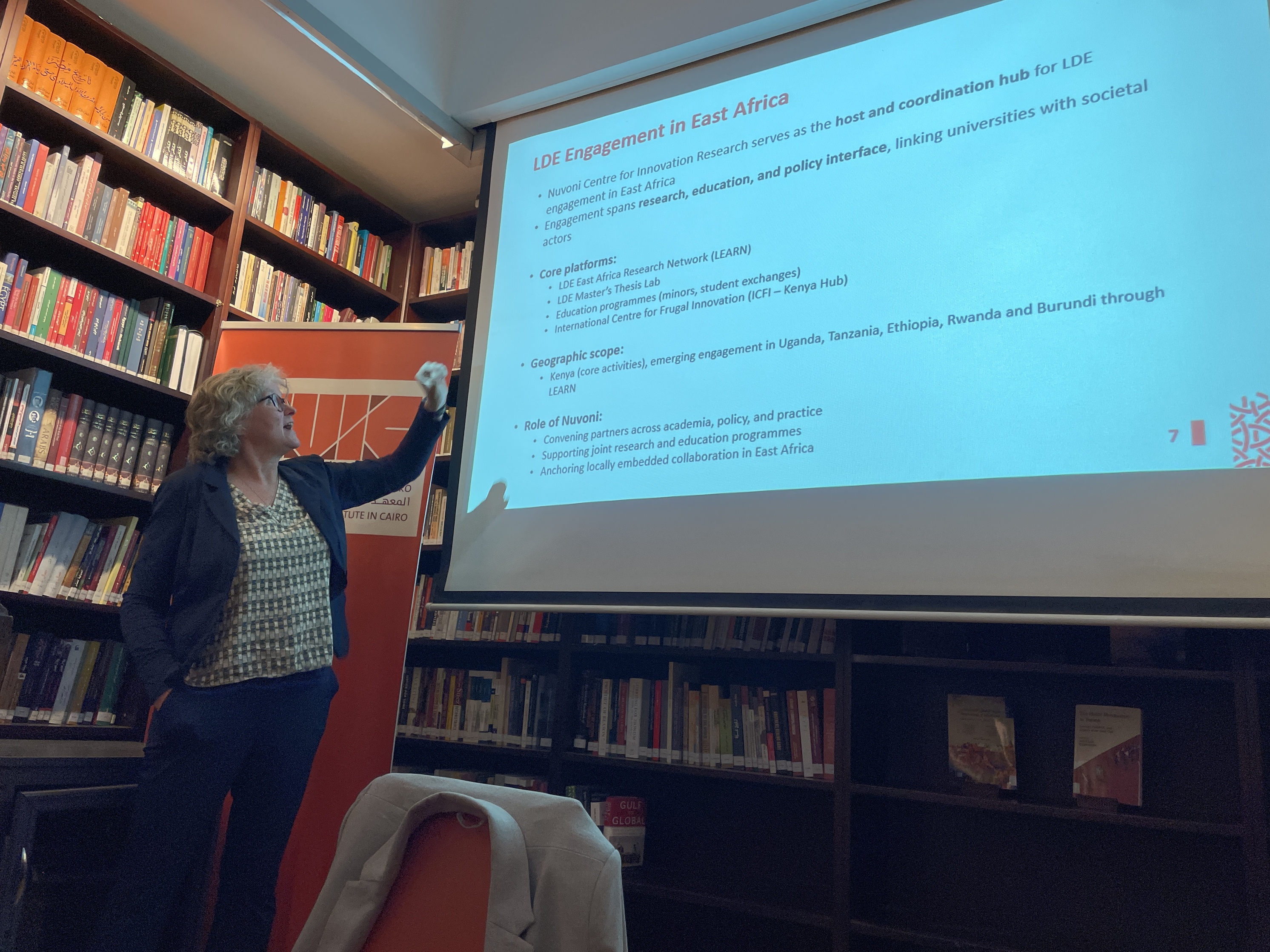
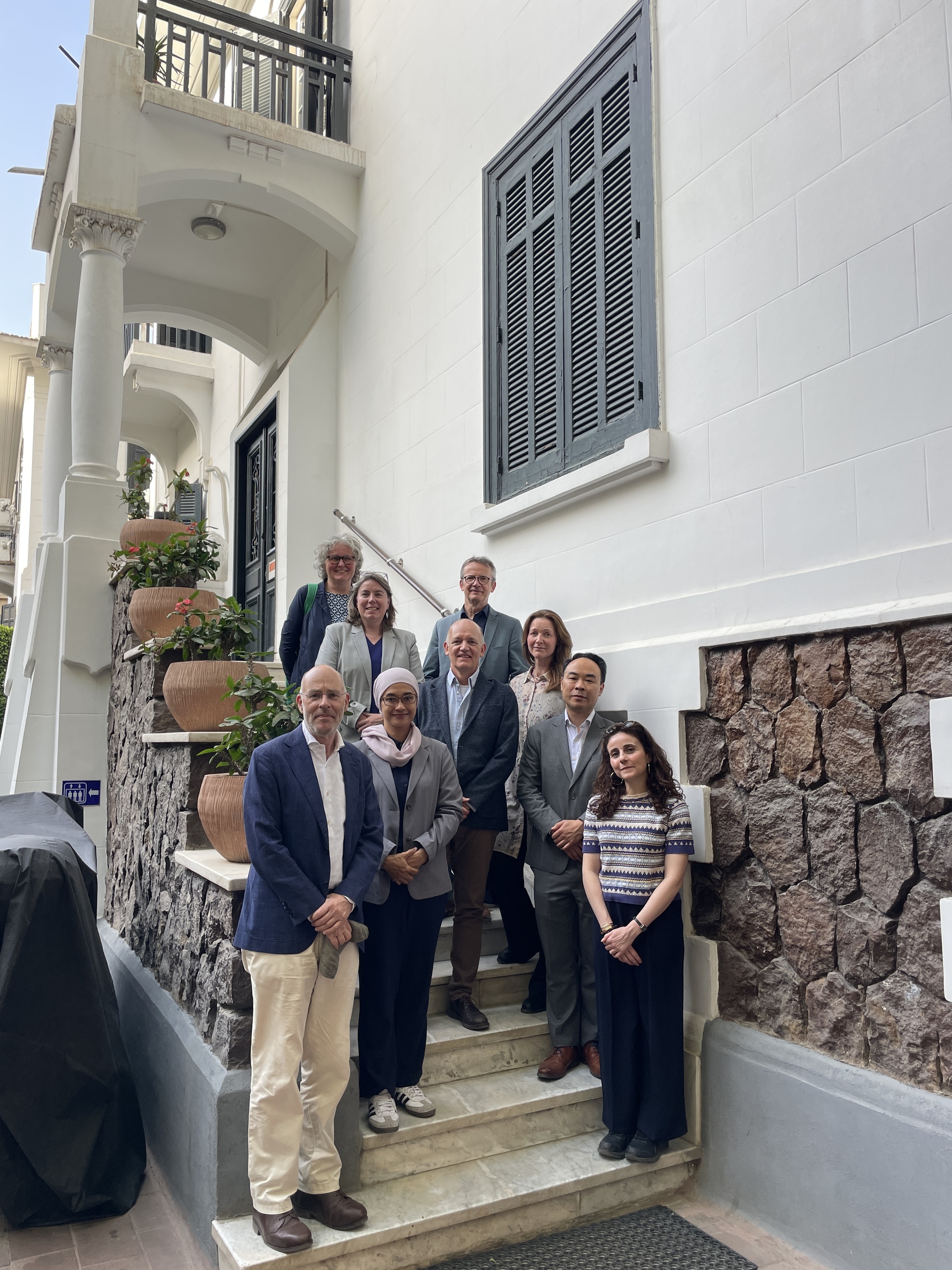
Discussions with the directors of Leiden University’s institutes in Jakarta, Rabat, Istanbul, Nairobi, and Cairo explored how these institutes combine strong local embedding with close connections to diplomatic and international networks. Our unique position allows us to serve as bridges between academia, governments, and societies.
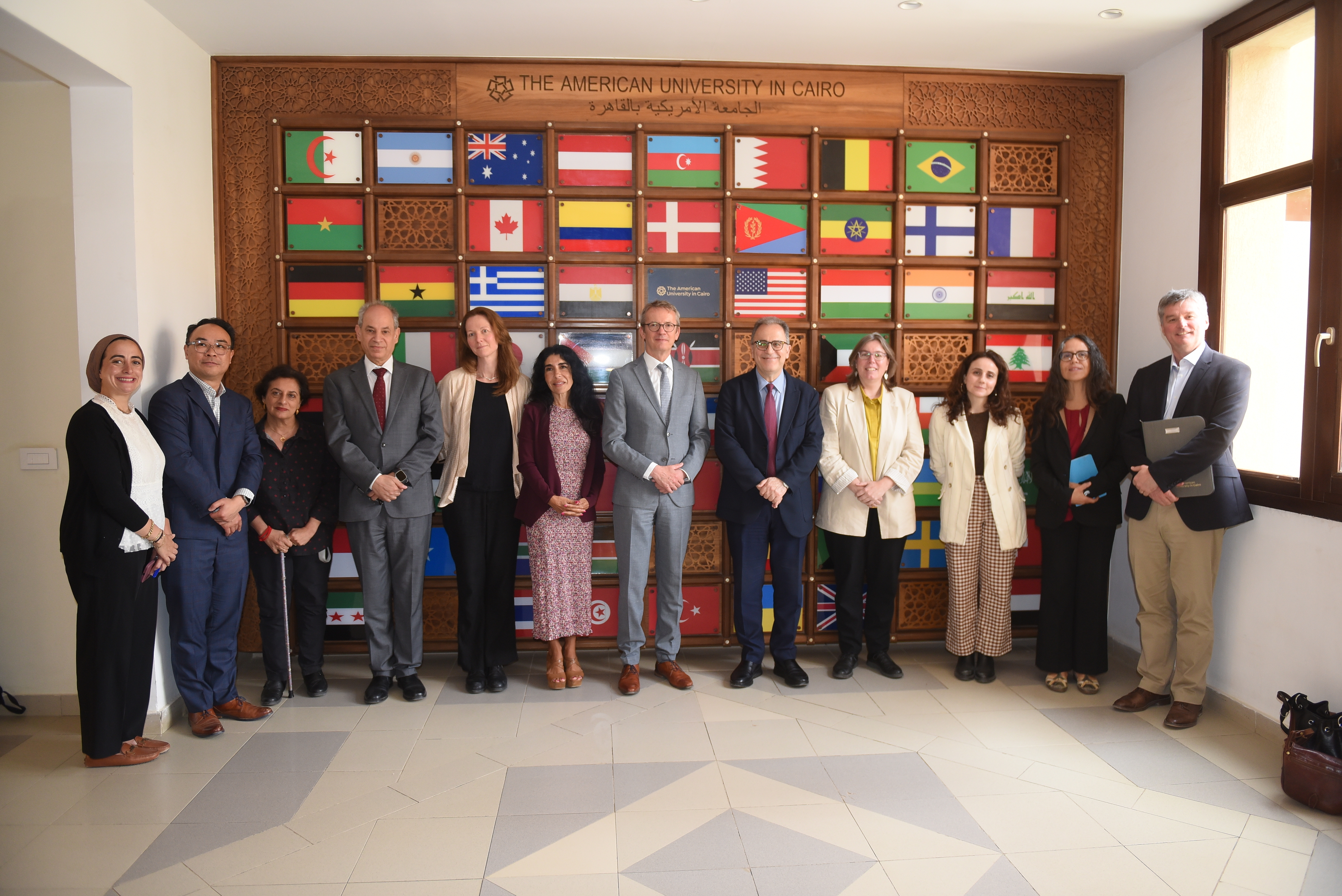
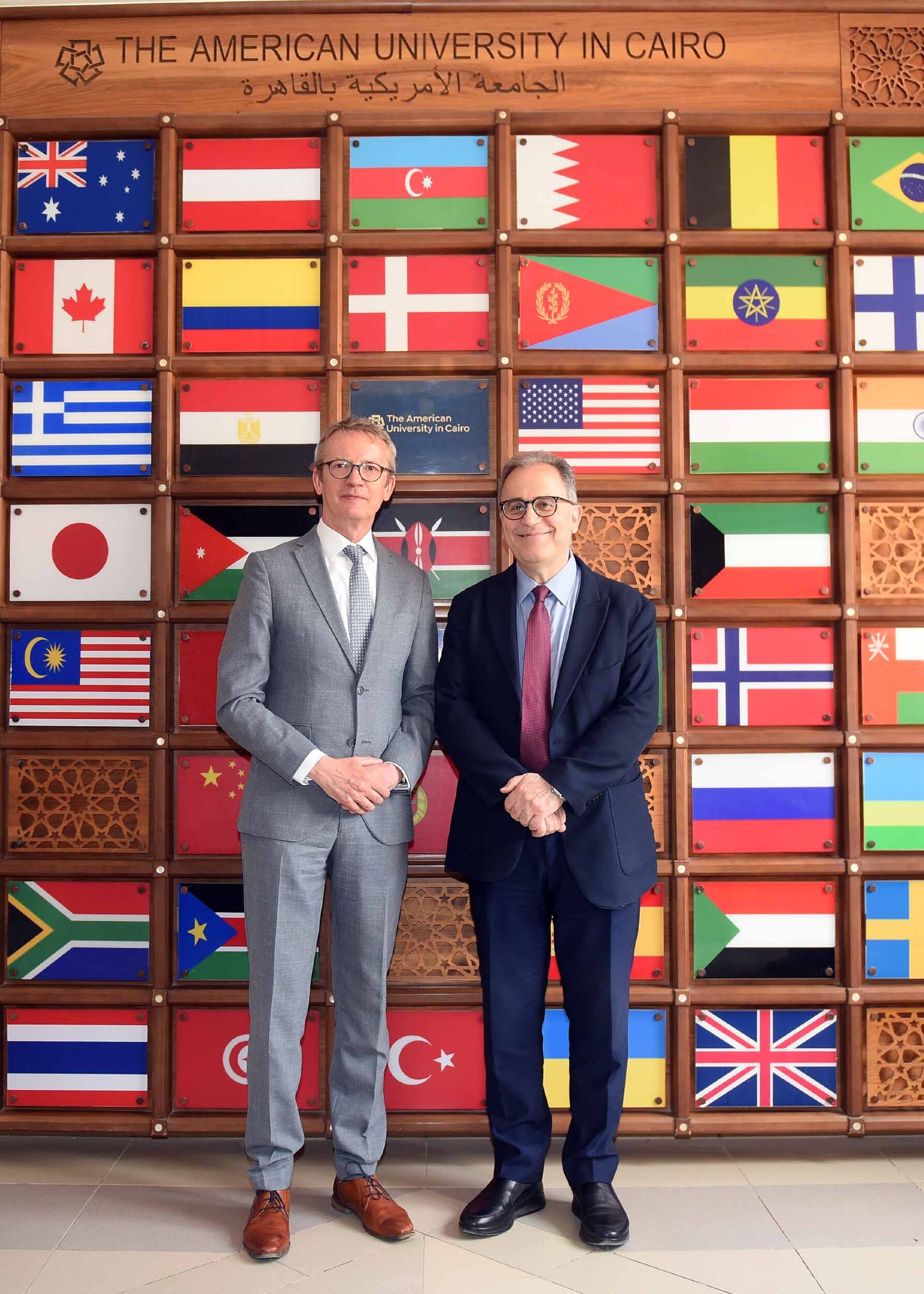
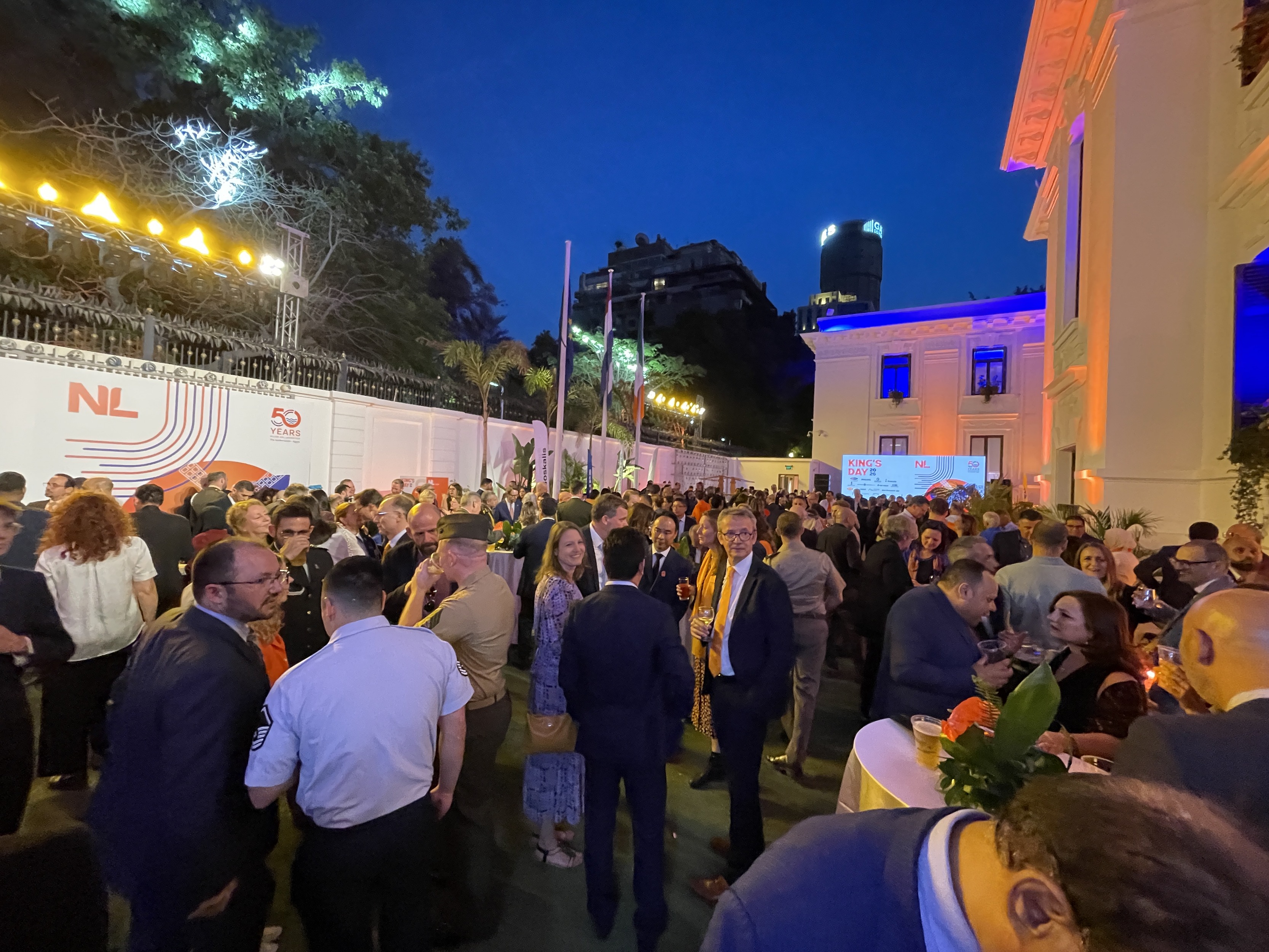
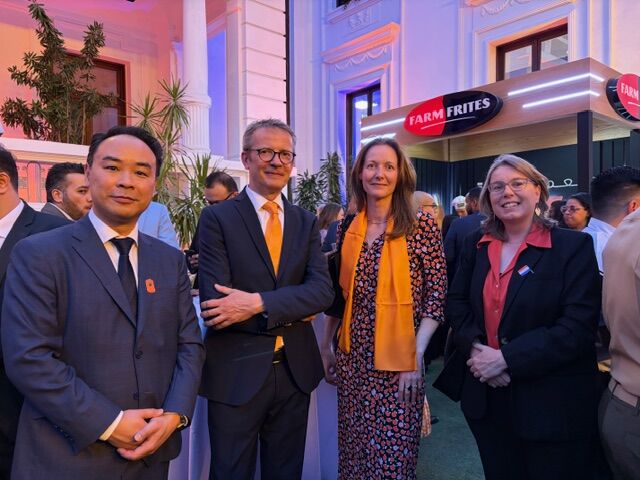
The second day, coinciding with the Dutch King’s Day celebrations, focused on expanding academic partnerships and understanding Egypt’s geopolitical significance. At the American University in Cairo, discussions with President Ahmad Dallal, Provost Ehab Abdel-Rahman, and faculty members highlighted the rapidly growing interest among Leiden University students in exchange opportunities with Egypt. This increasing demand calls for scaling up educational exchanges and strengthening institutional cooperation.
A major ambition discussed during the meetings was broadening collaboration beyond traditional areas such as Egyptology, archaeology, and Middle Eastern studies toward a more multidisciplinary partnership. Researchers from different fields increasingly seek connections with Egyptian institutions, particularly now that Egypt is associated with Horizon Europe, the European Union’s major research and innovation program. This association opens new opportunities for joint participation in international research consortia and strengthens Egypt’s role as a strategic academic partner.
The geopolitical dimension of the visit became particularly clear during discussions at the Belgian Embassy in Egypt with Ambassador Bart De Groof. The day ended with a festive King’s Day reception at the Dutch embassy in Cairo.
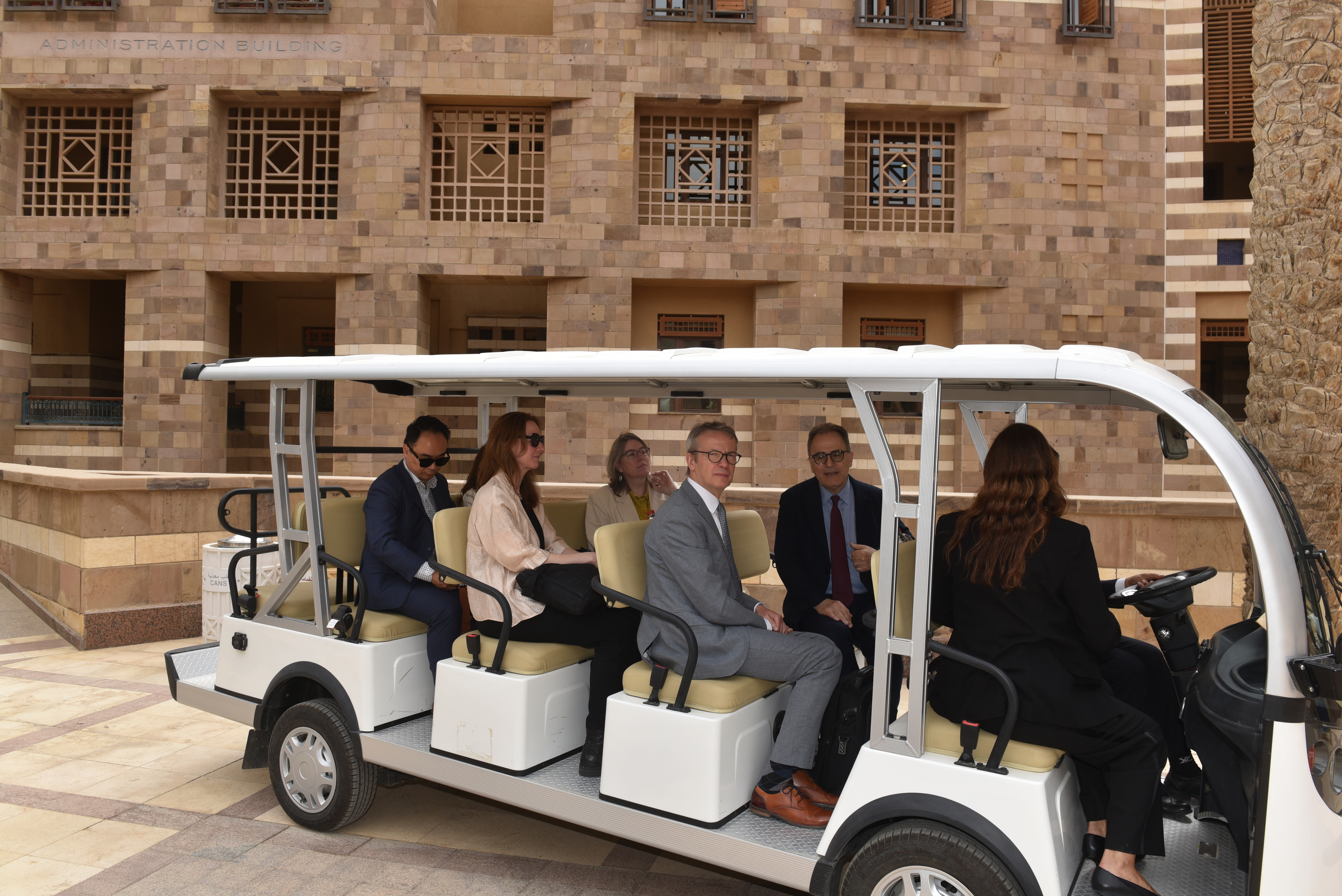
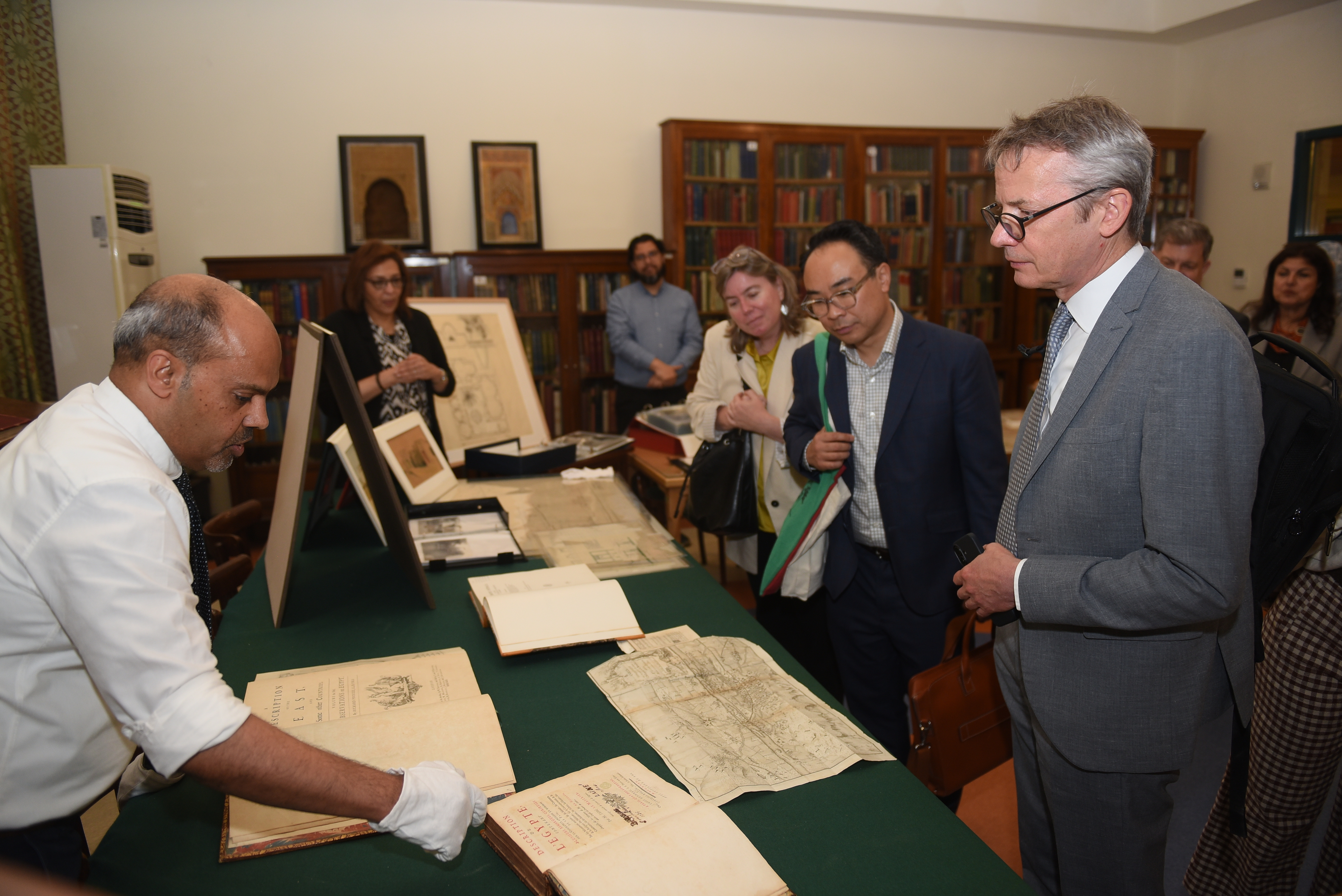
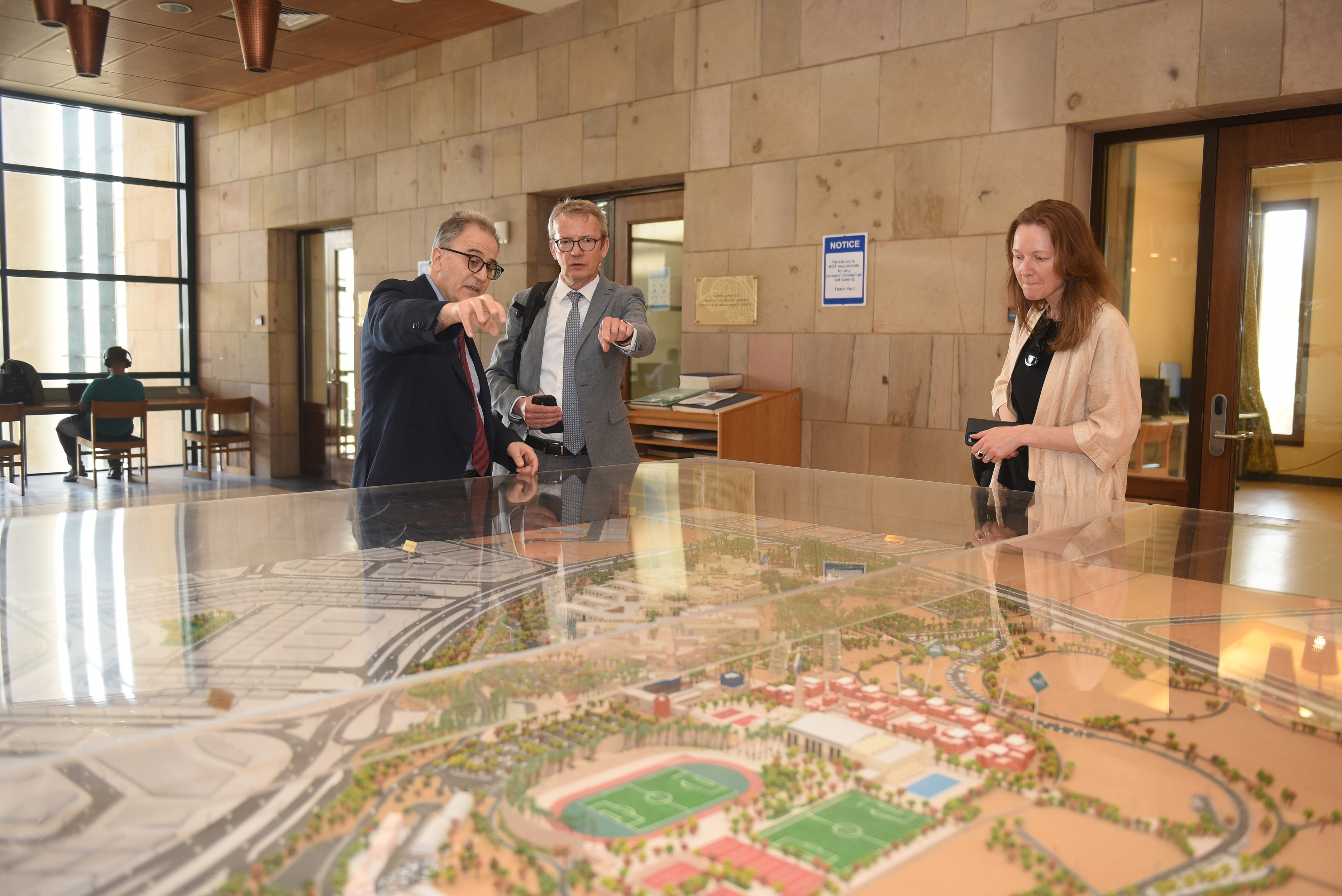
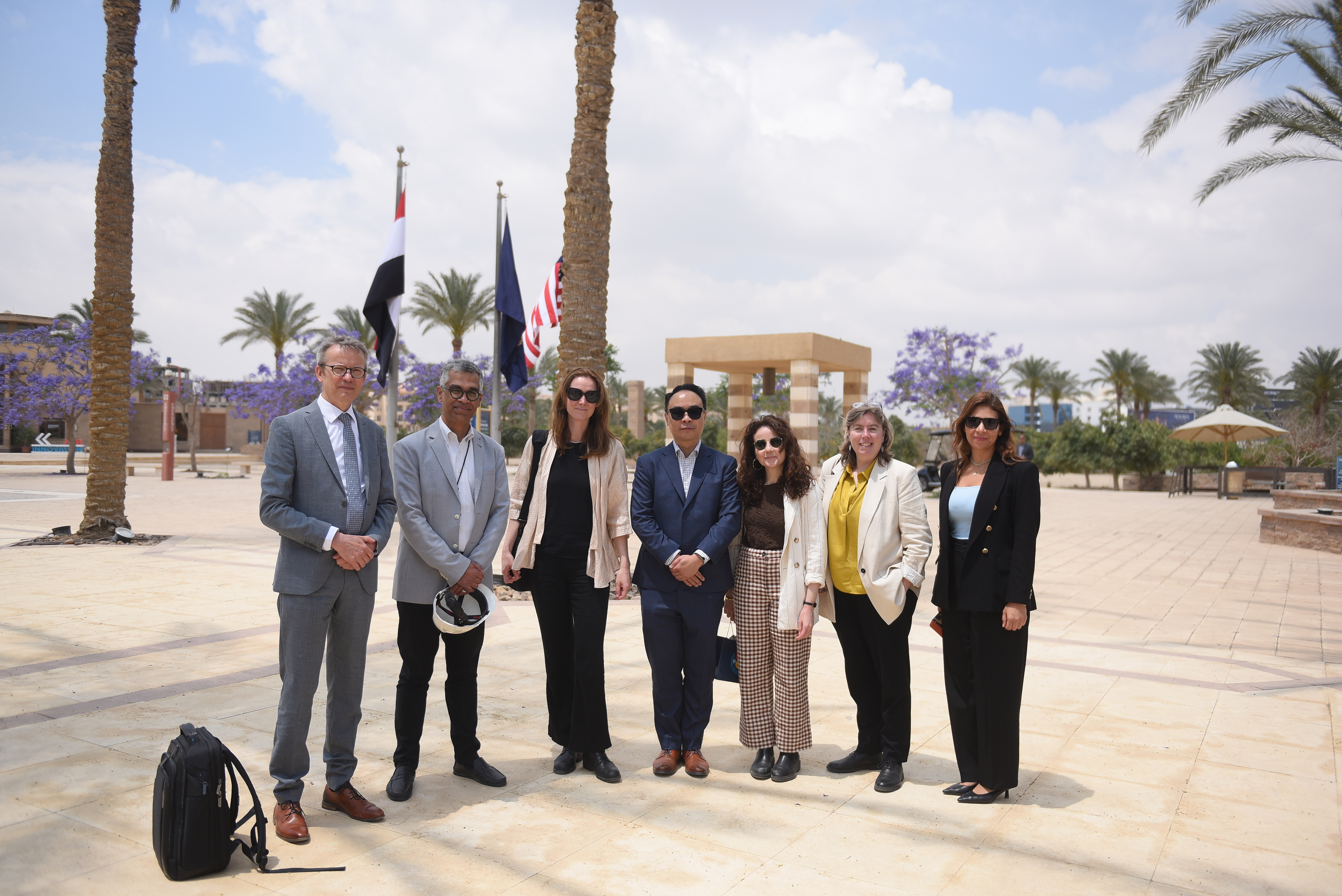
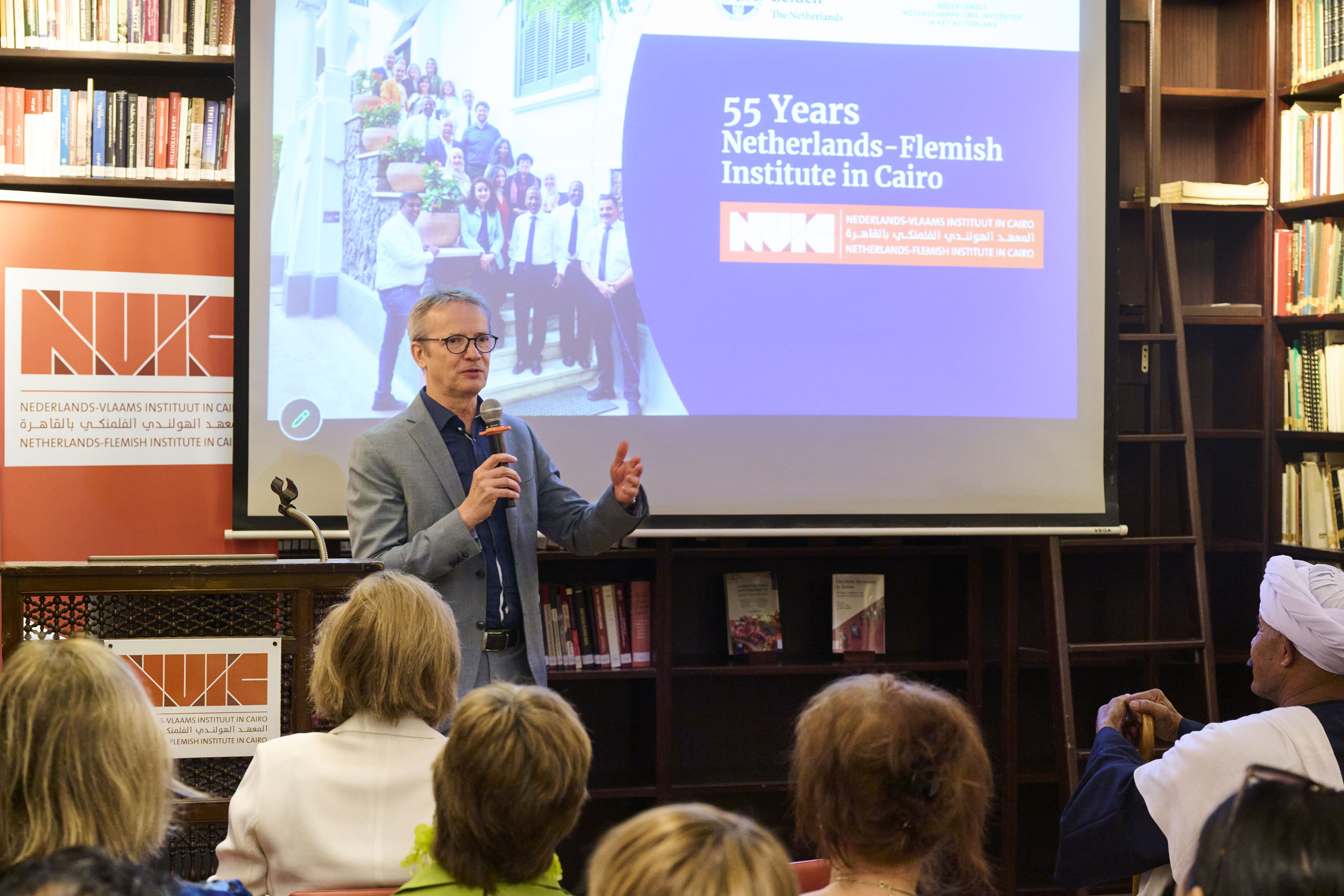
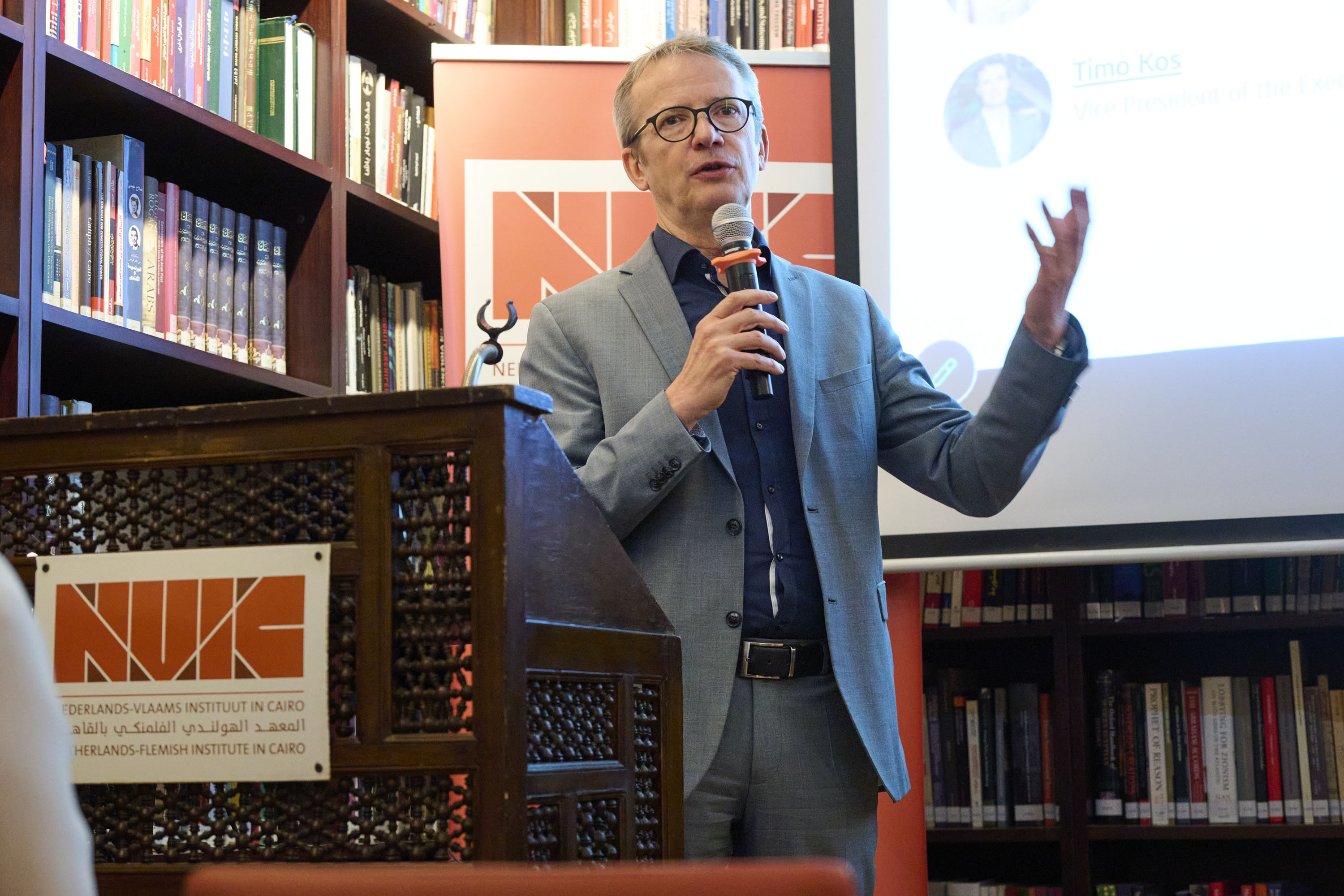
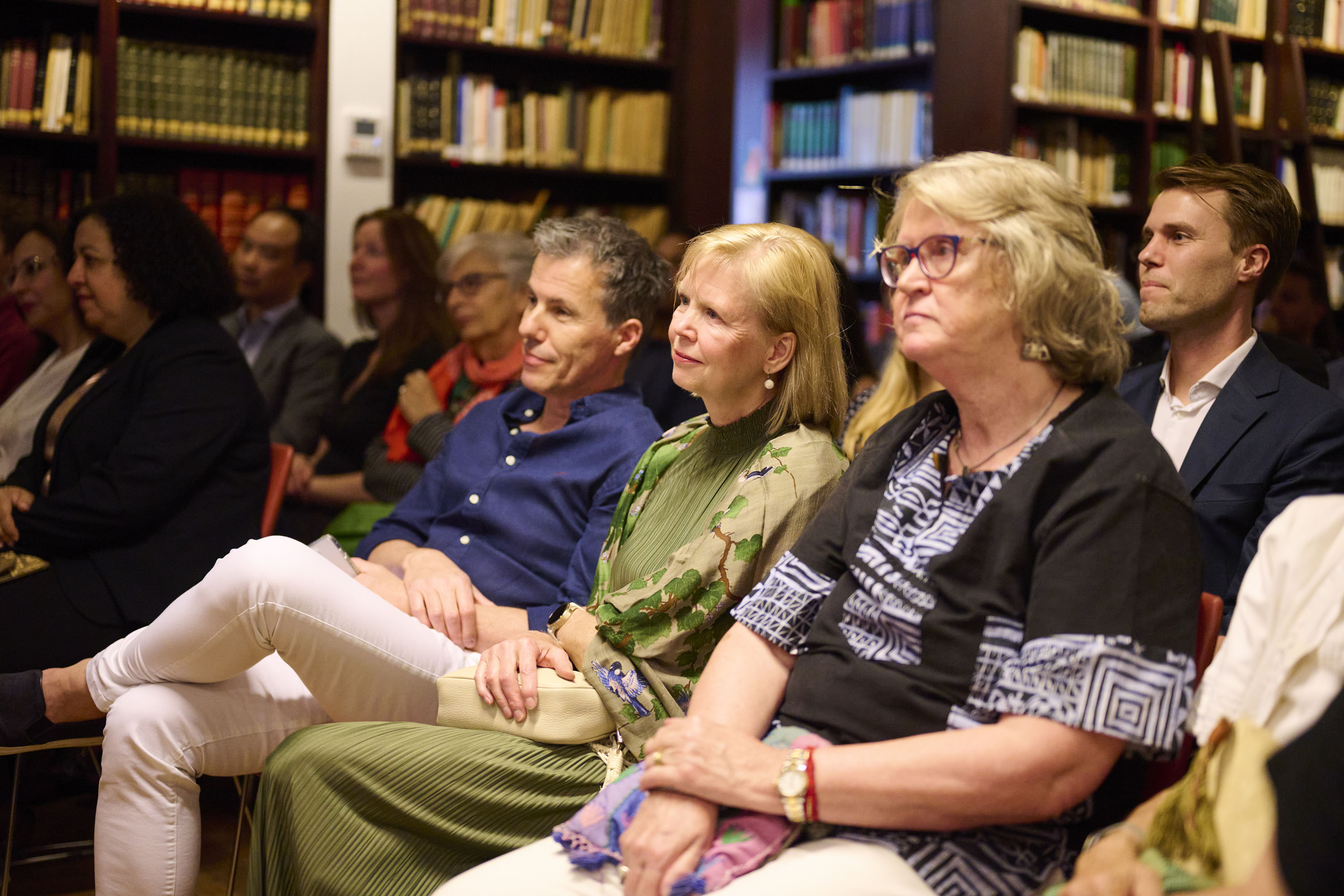
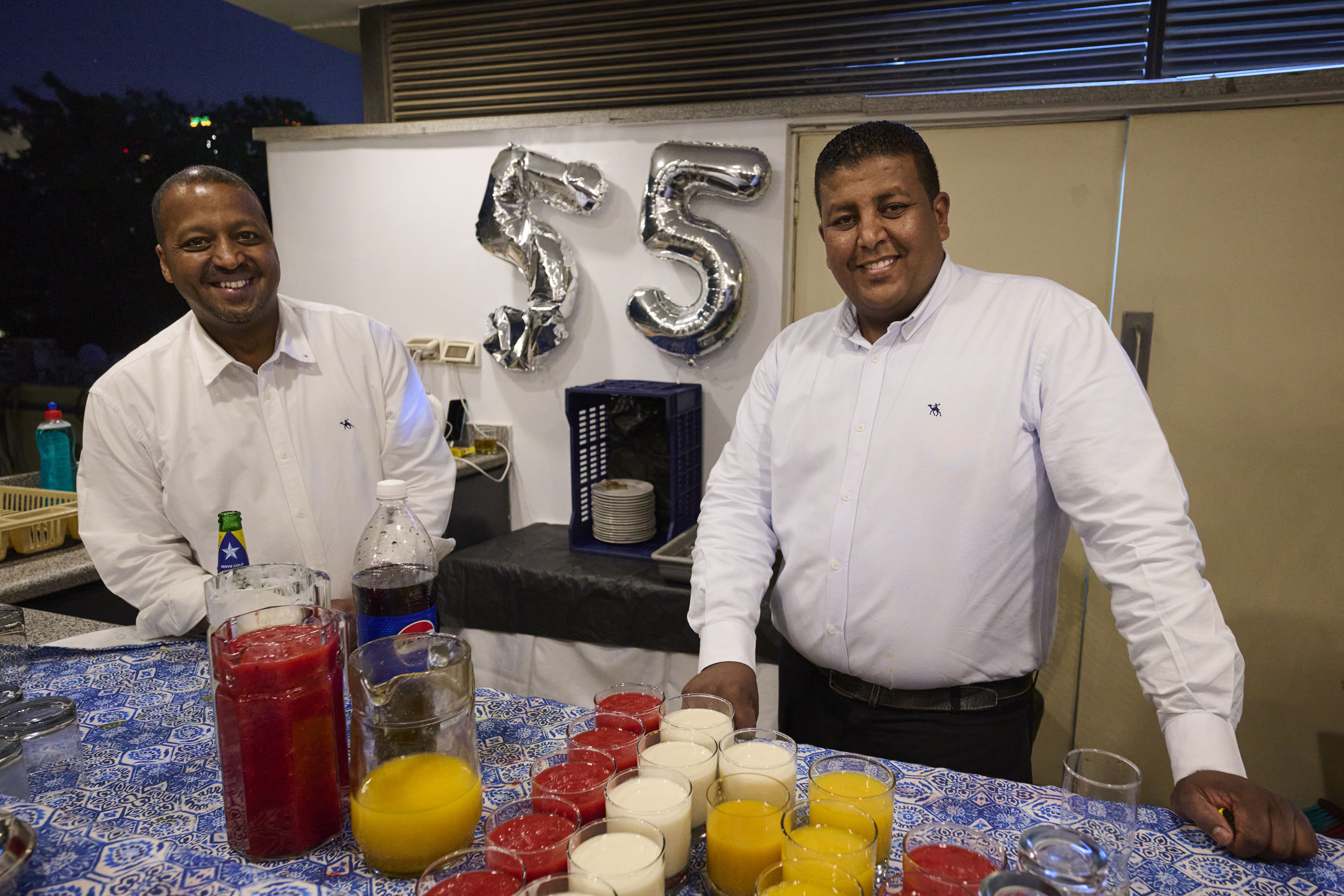
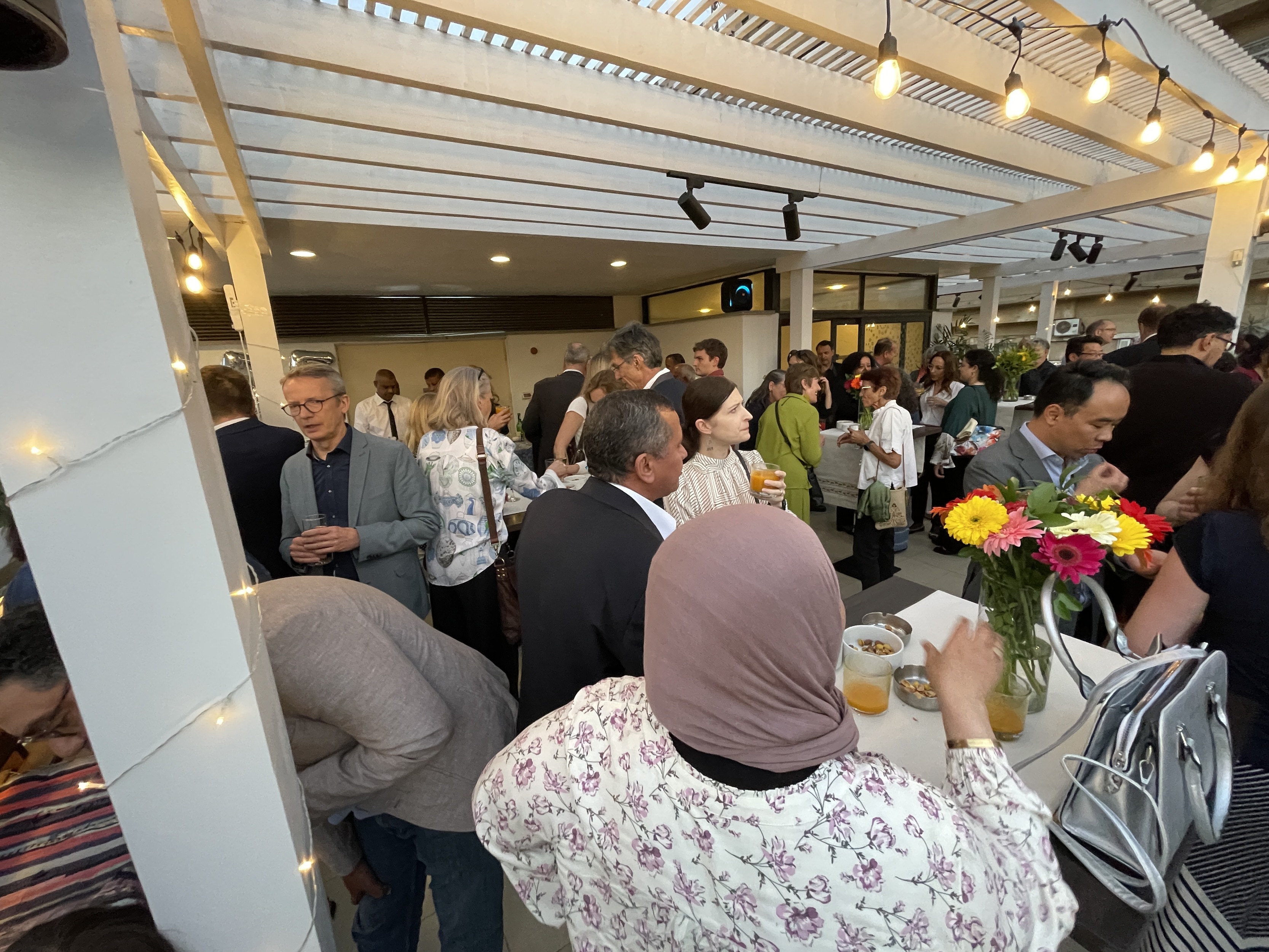
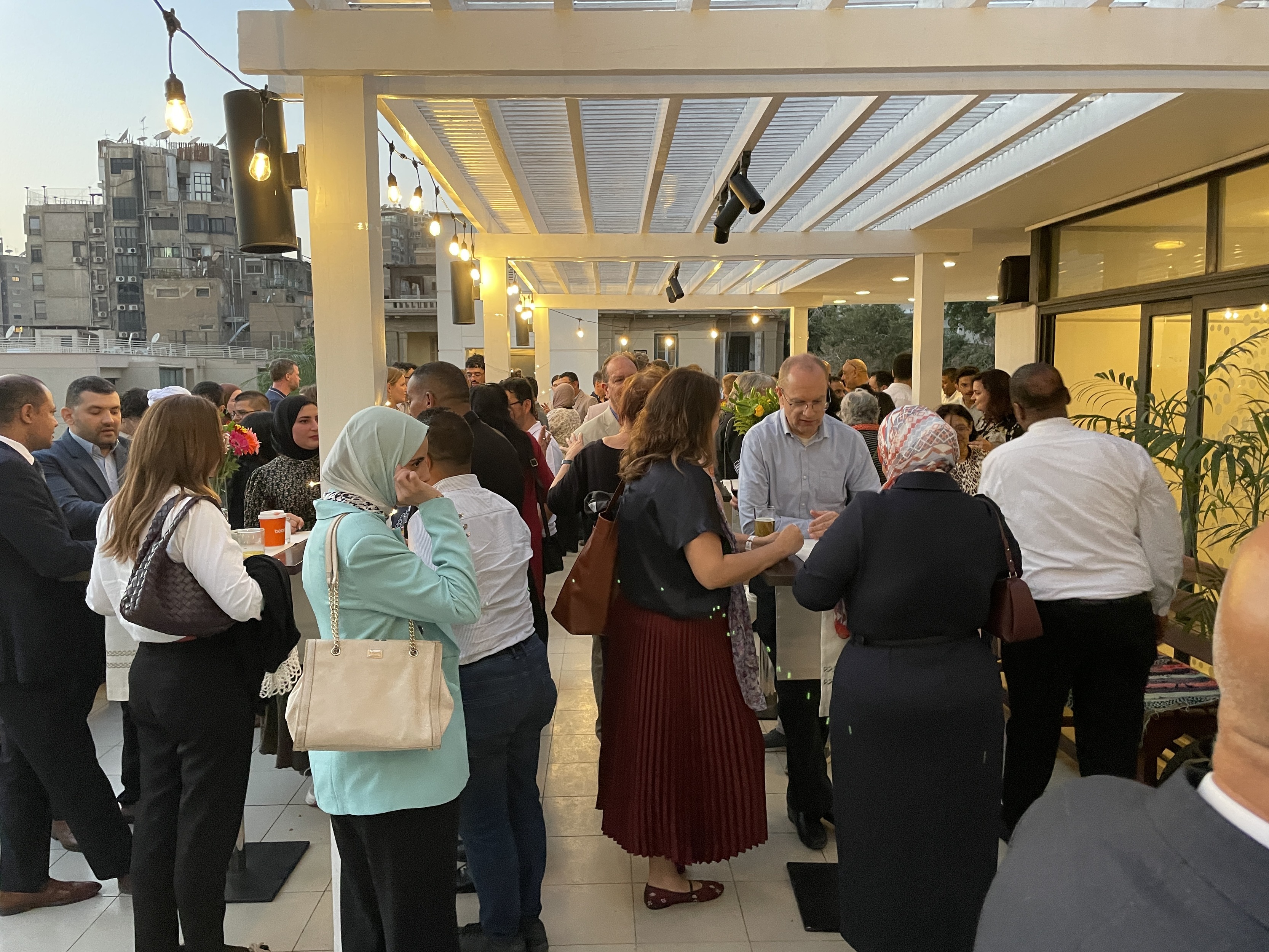
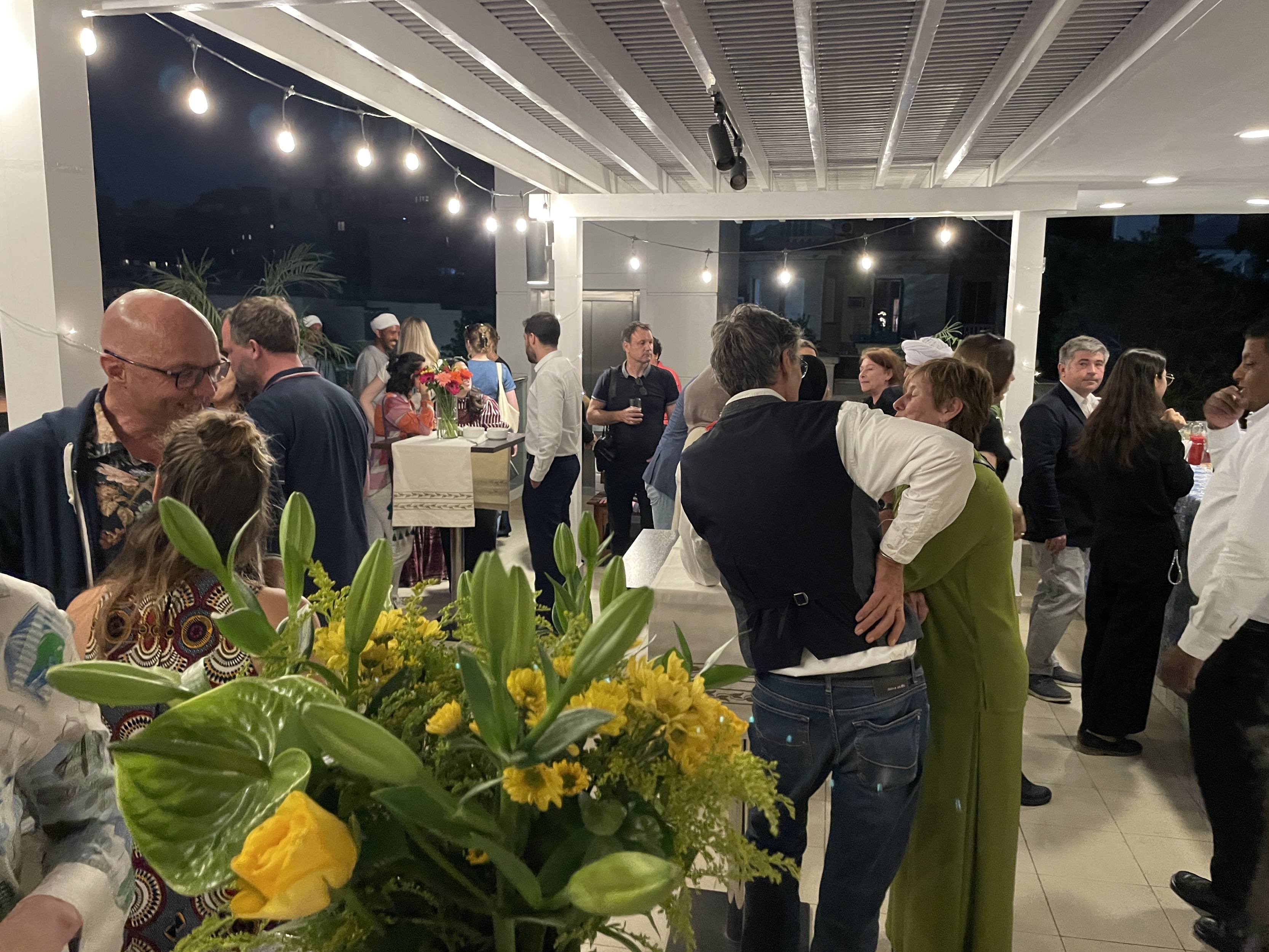
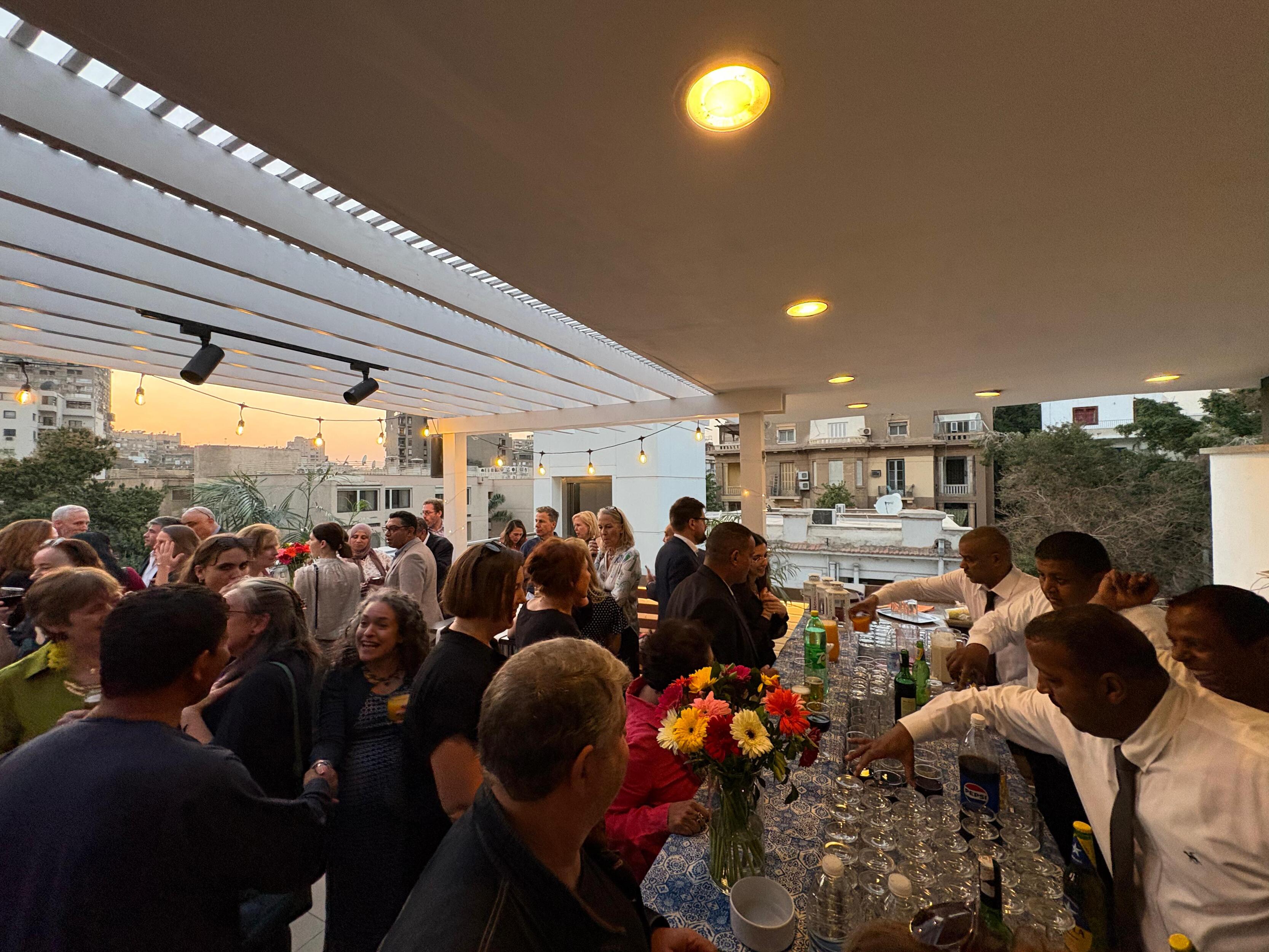
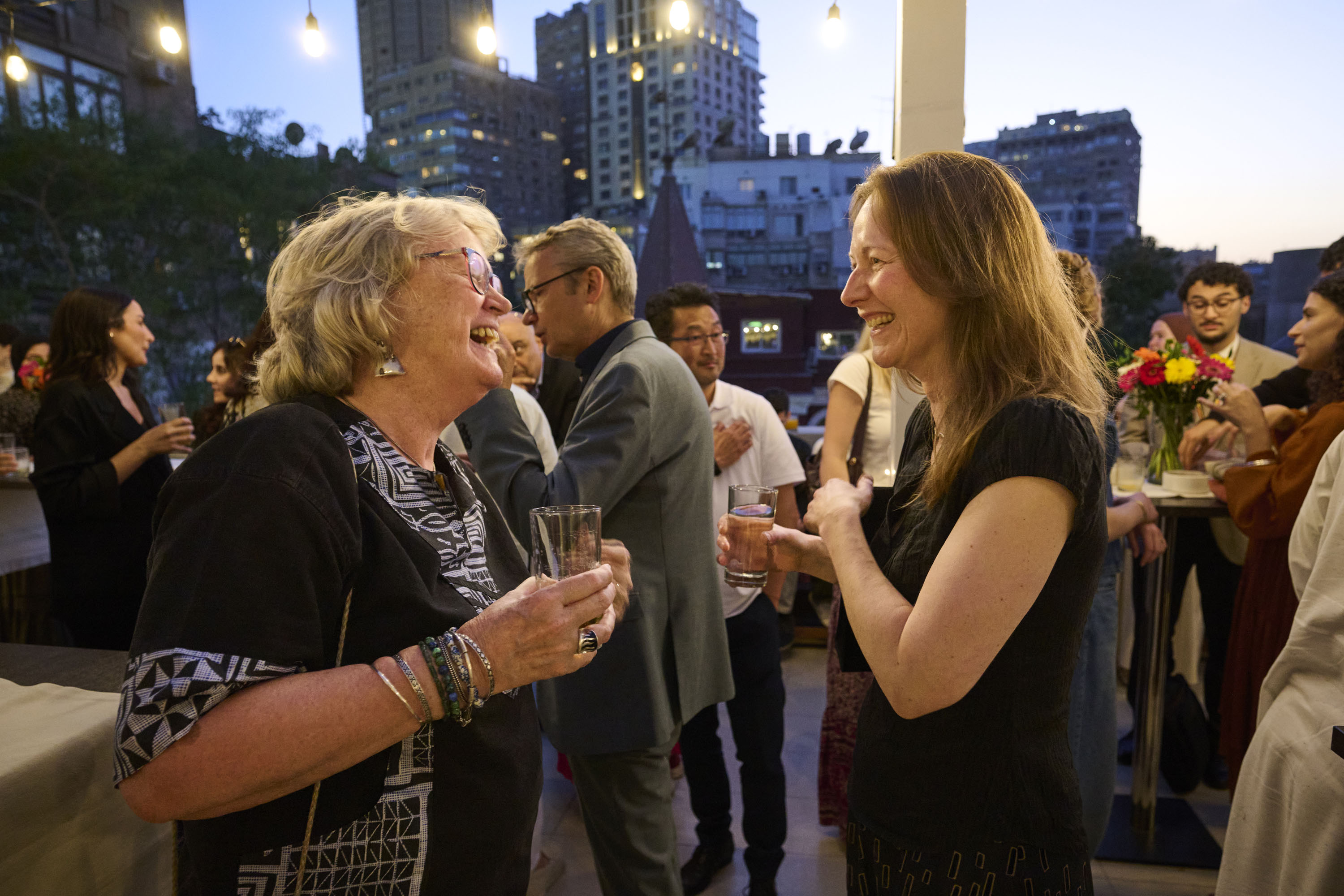
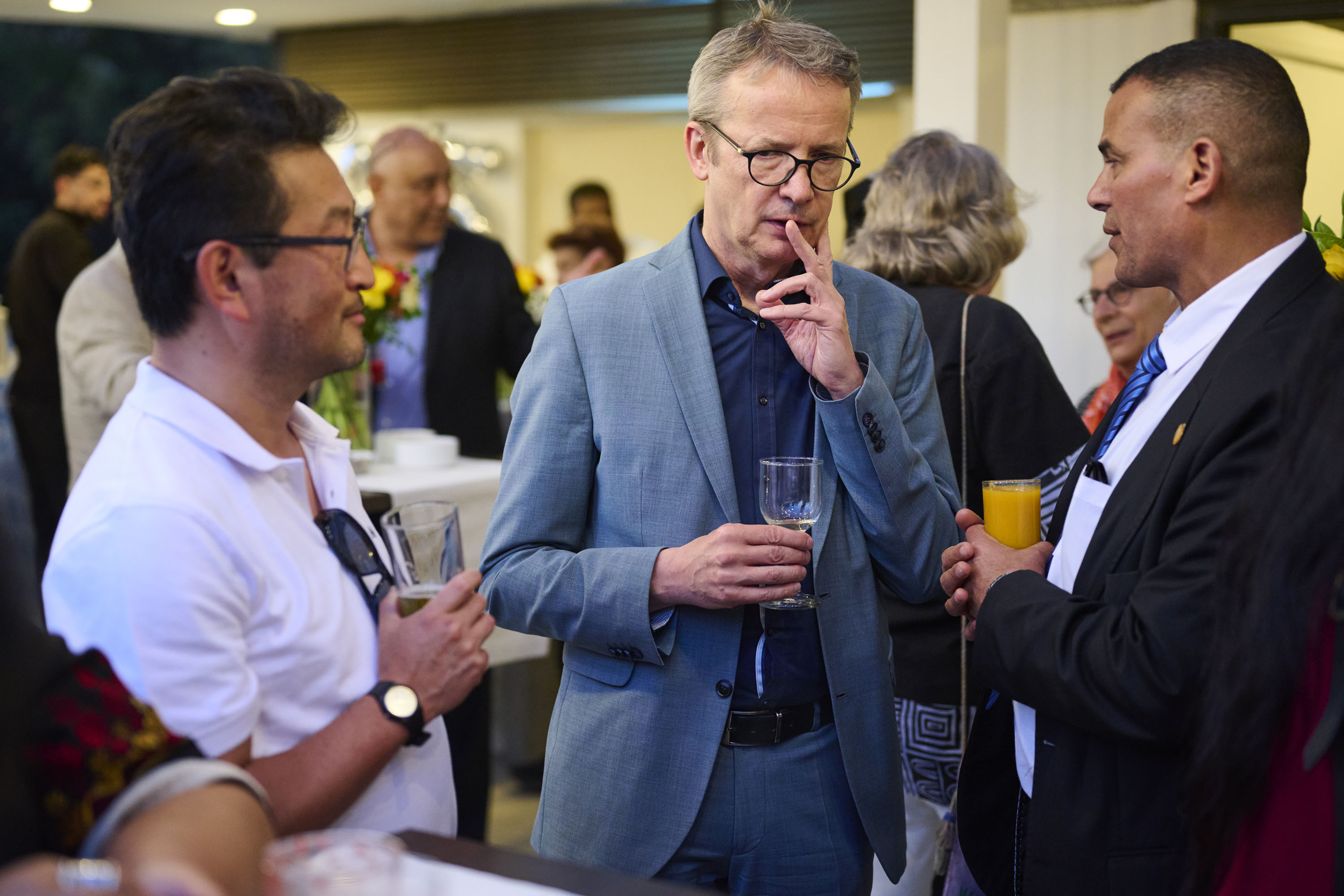
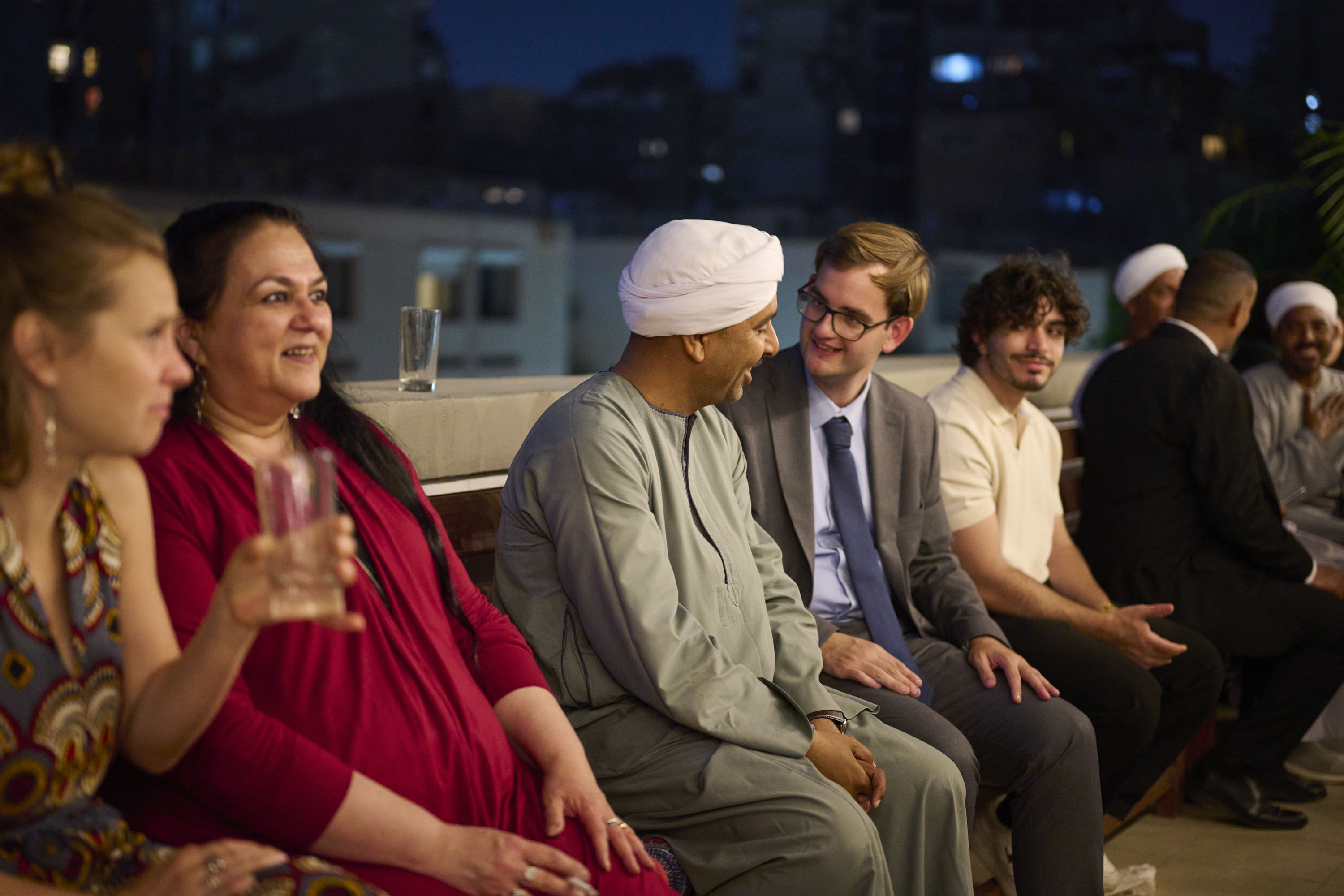
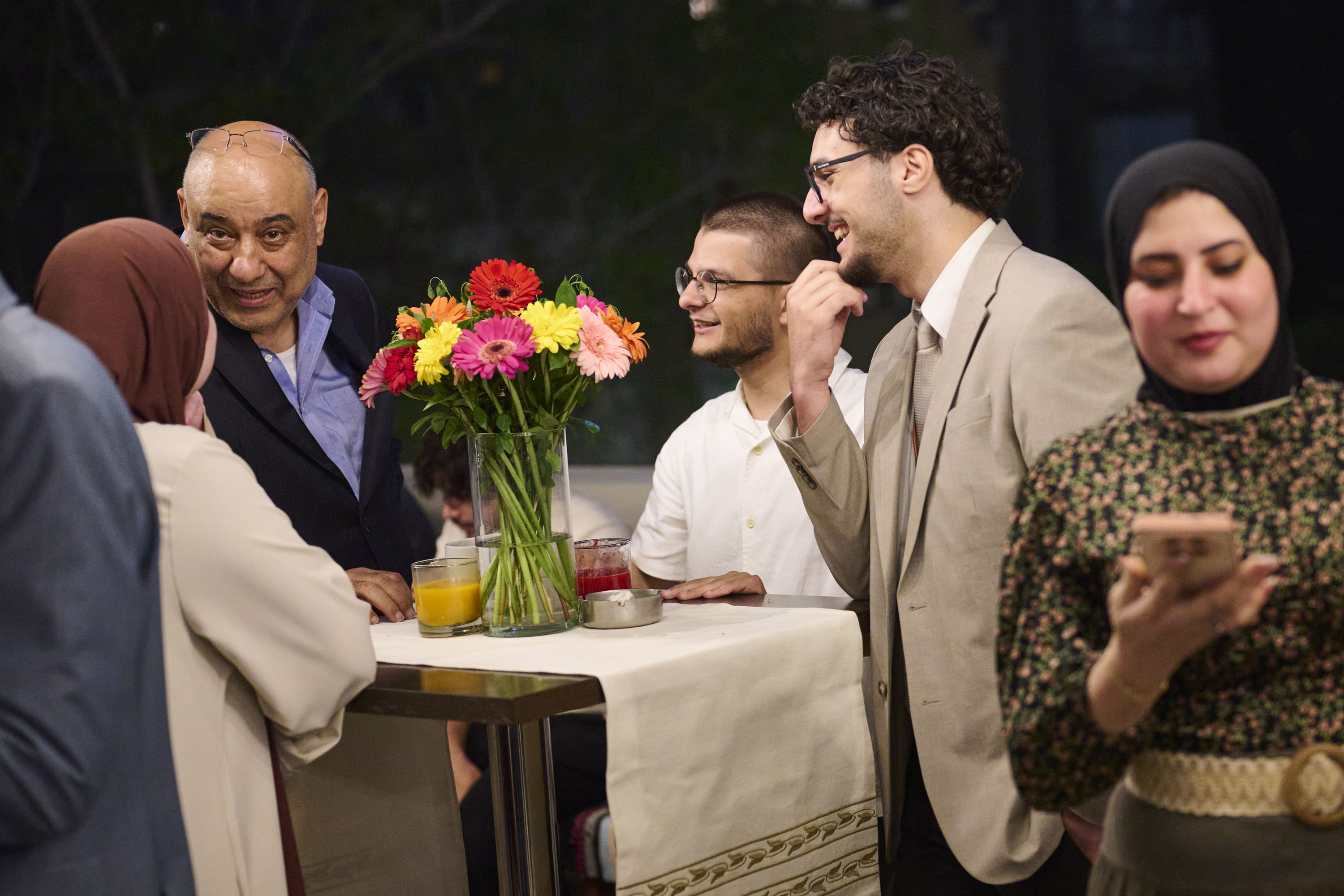
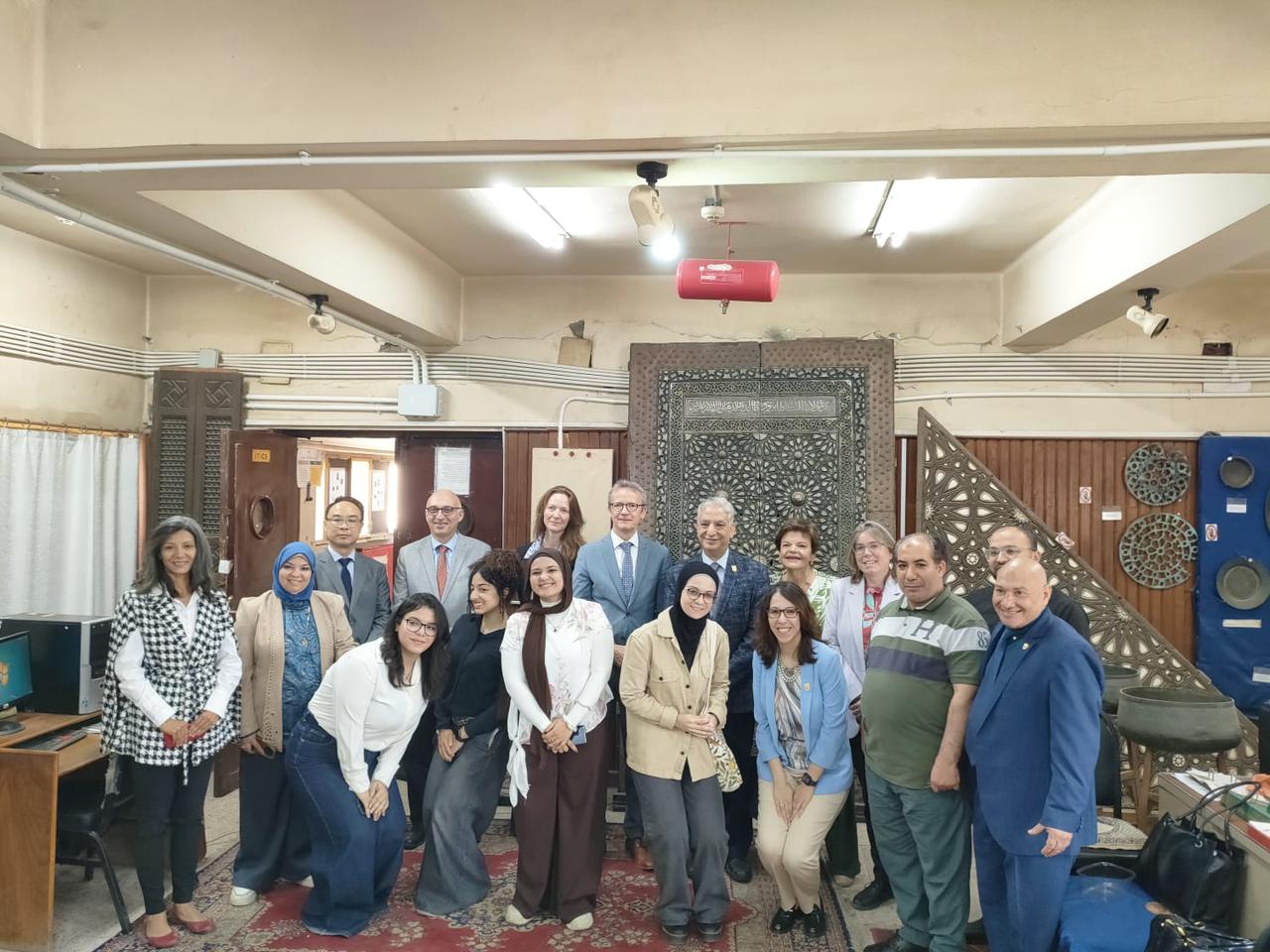
The third day marked the official celebration of our institute’s 55th anniversary. Founded on 28 April 1971, we have grown from a modest research hub into a vibrant and active teaching and research institution that is deeply rooted within the Egyptian academic landscape. We thank our many friends and colleagues who came to celebrate this milestone with us!
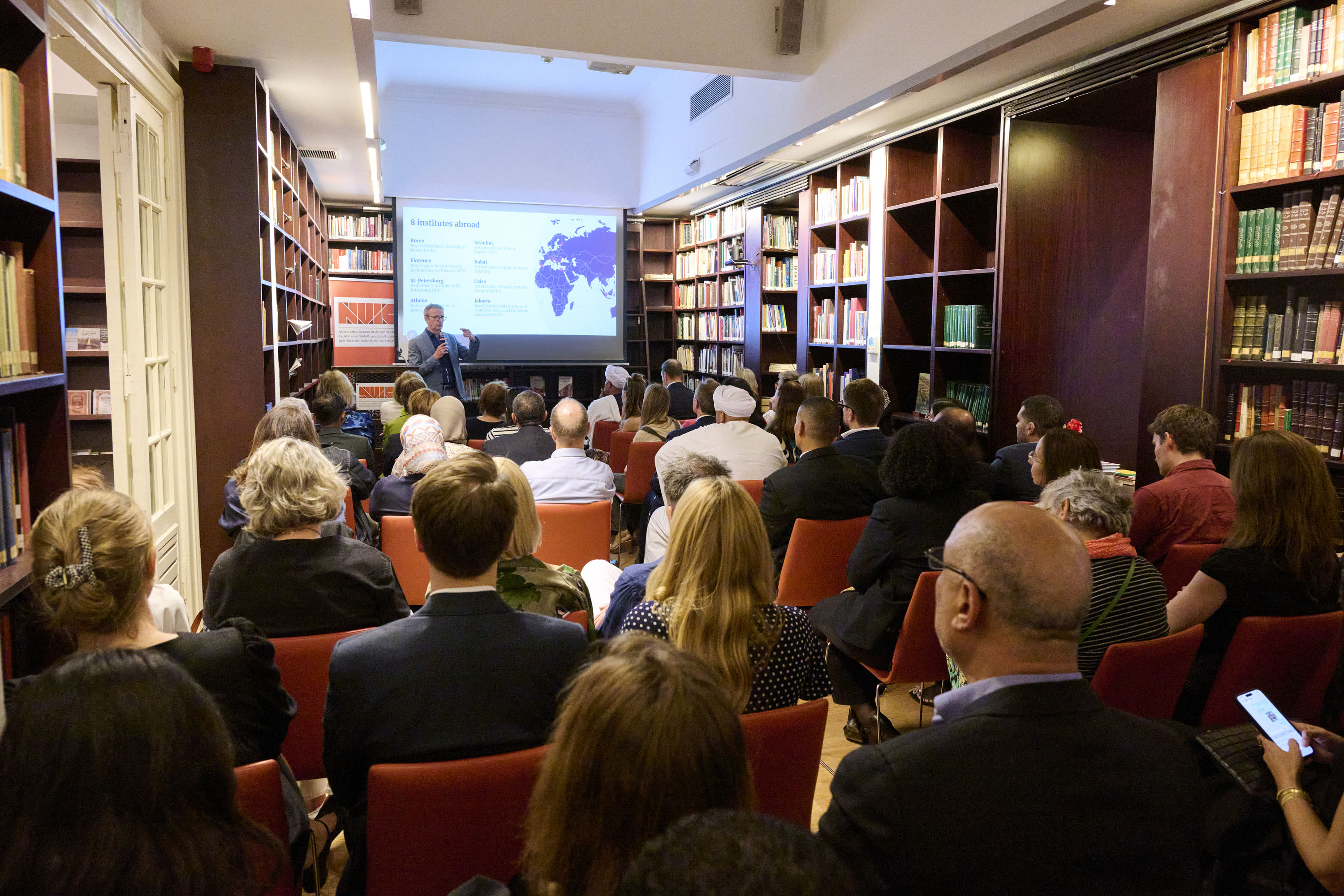
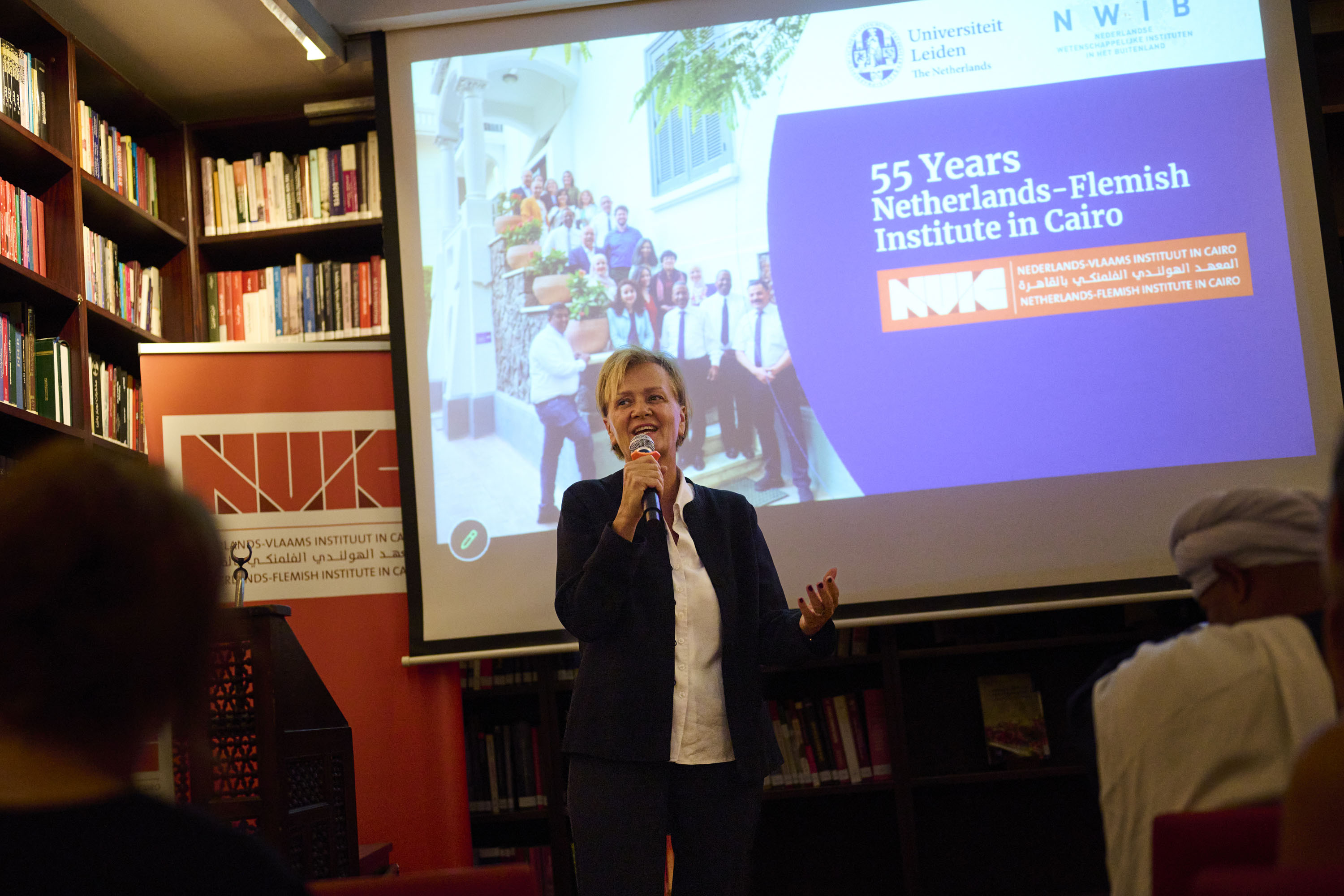
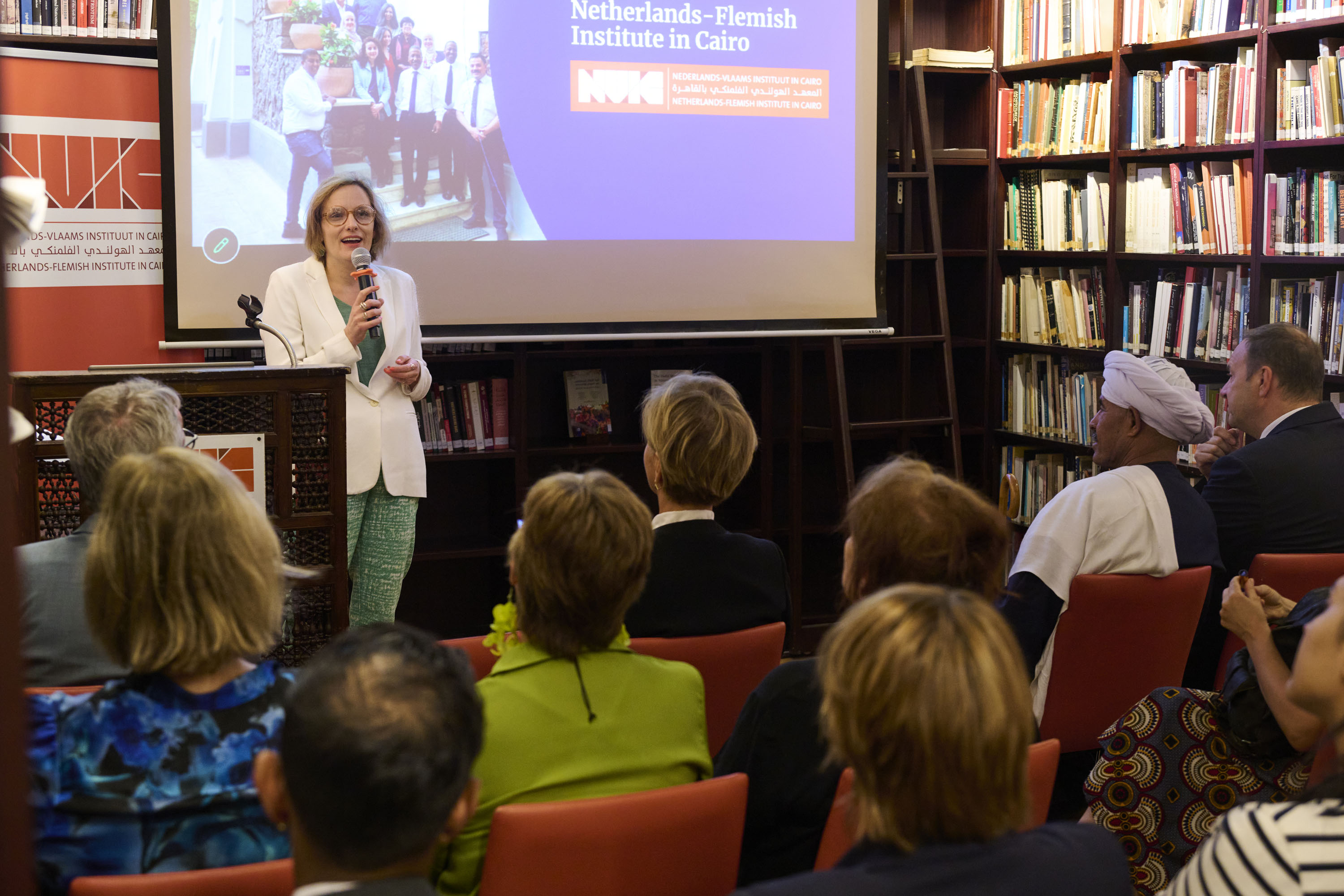
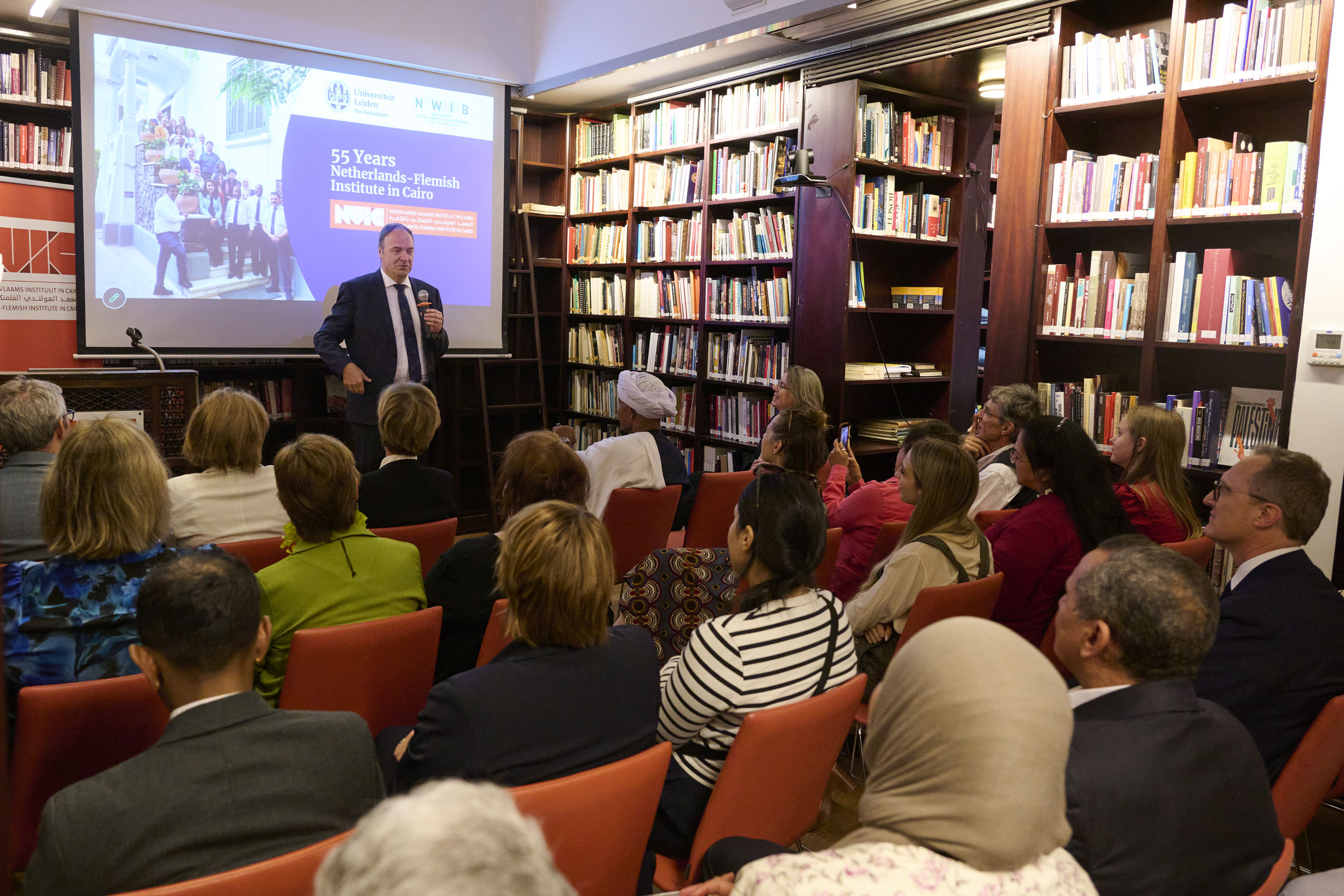
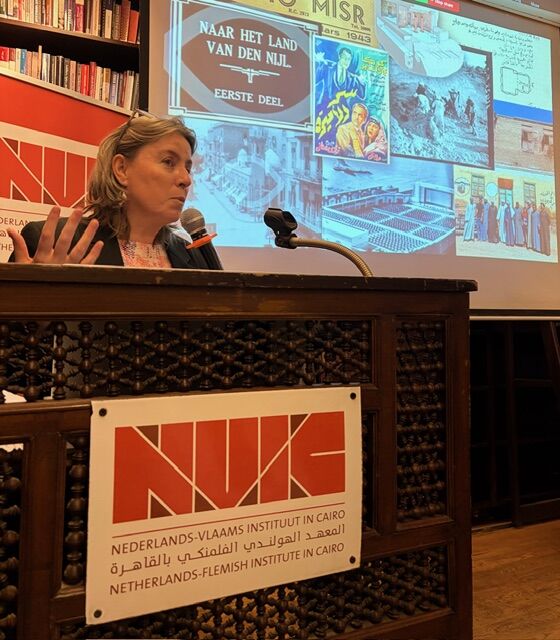
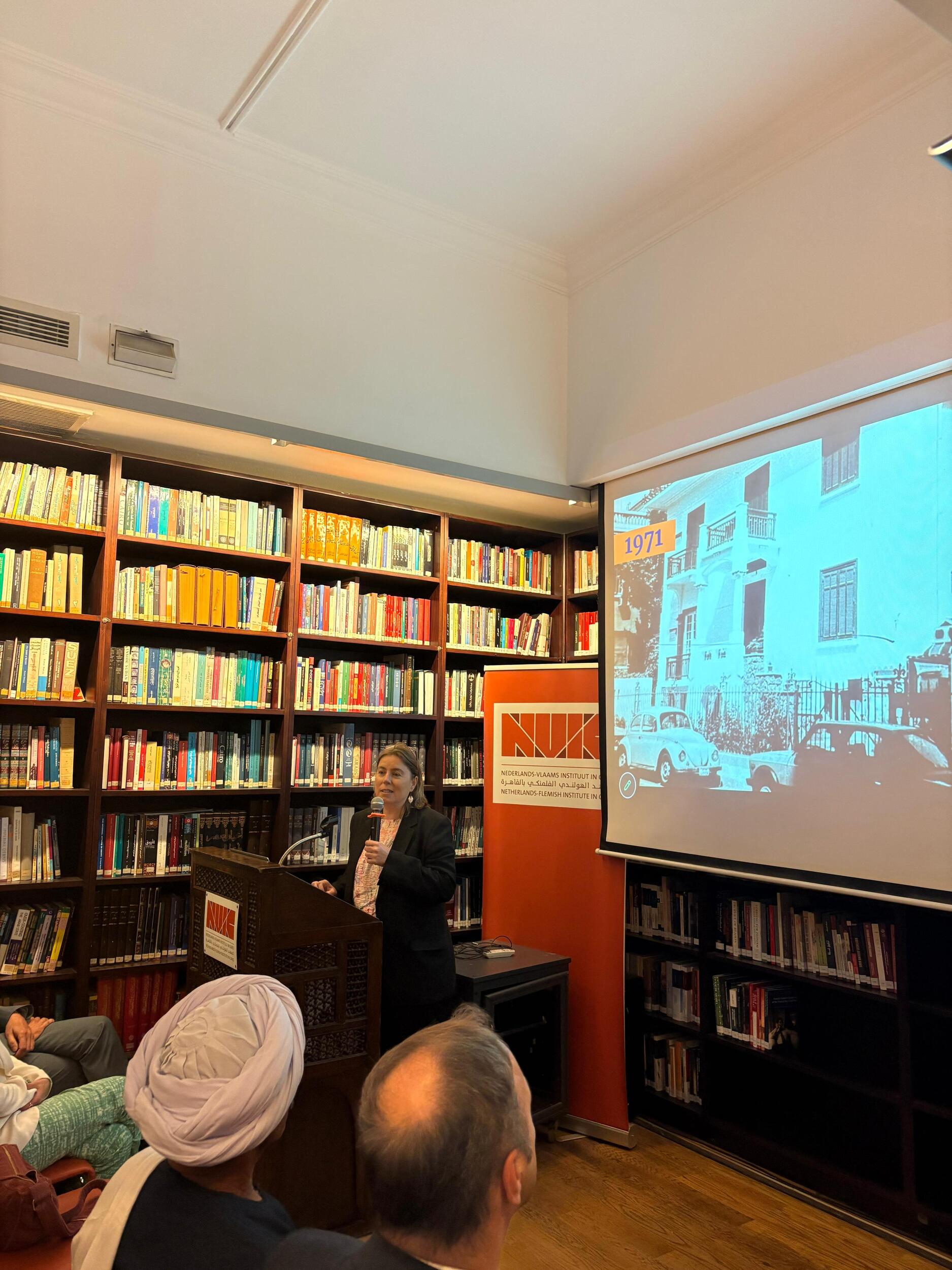
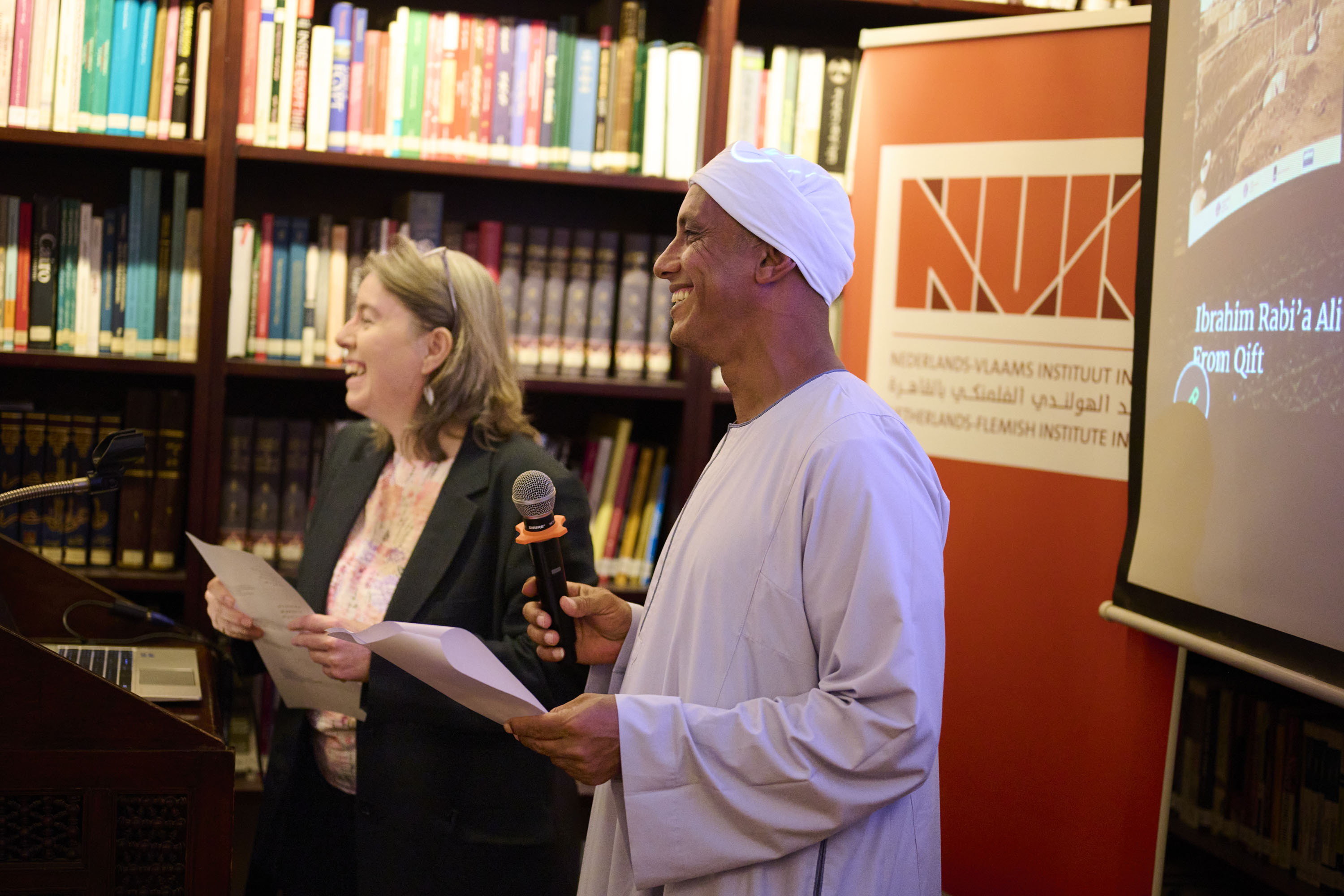
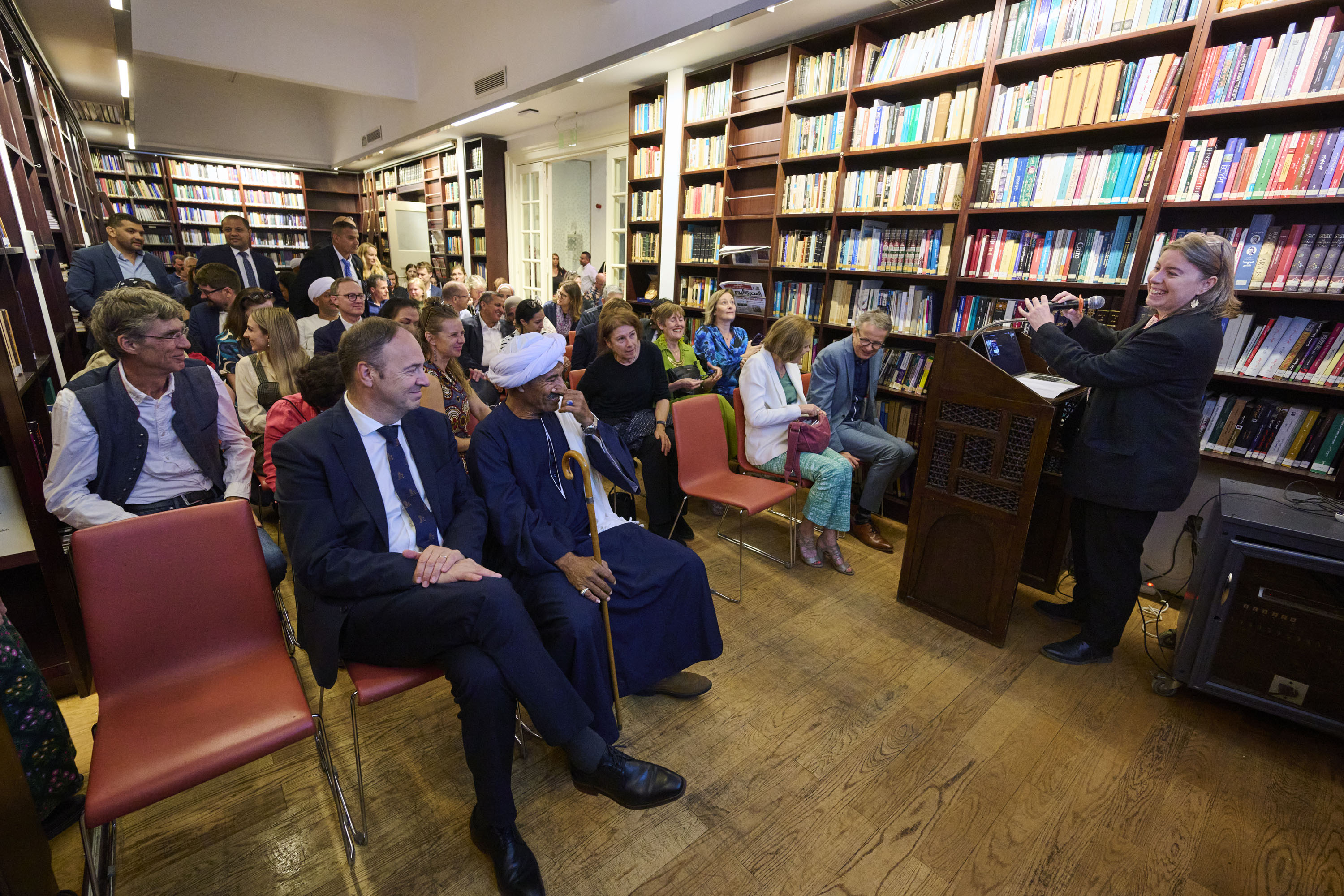
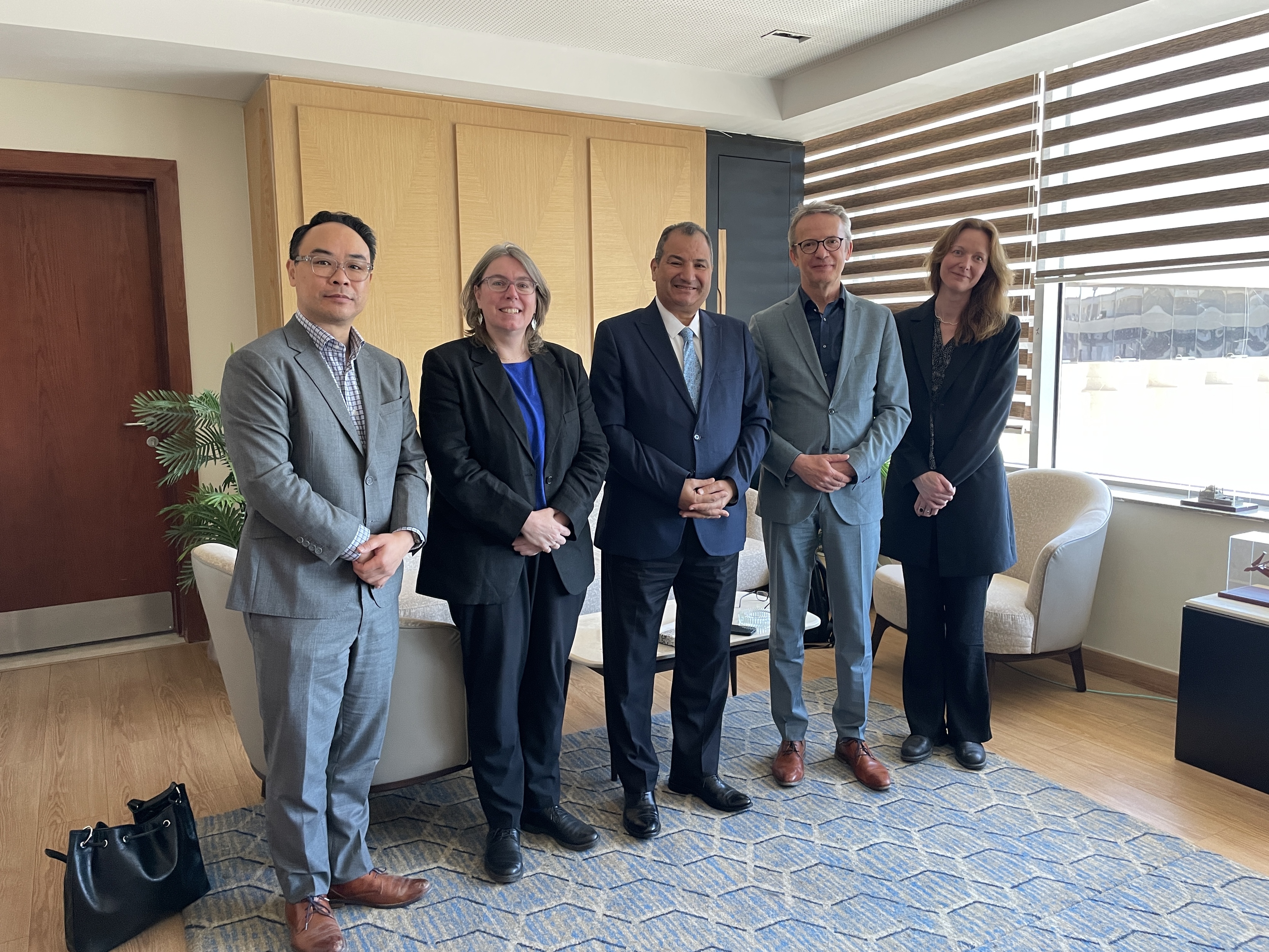
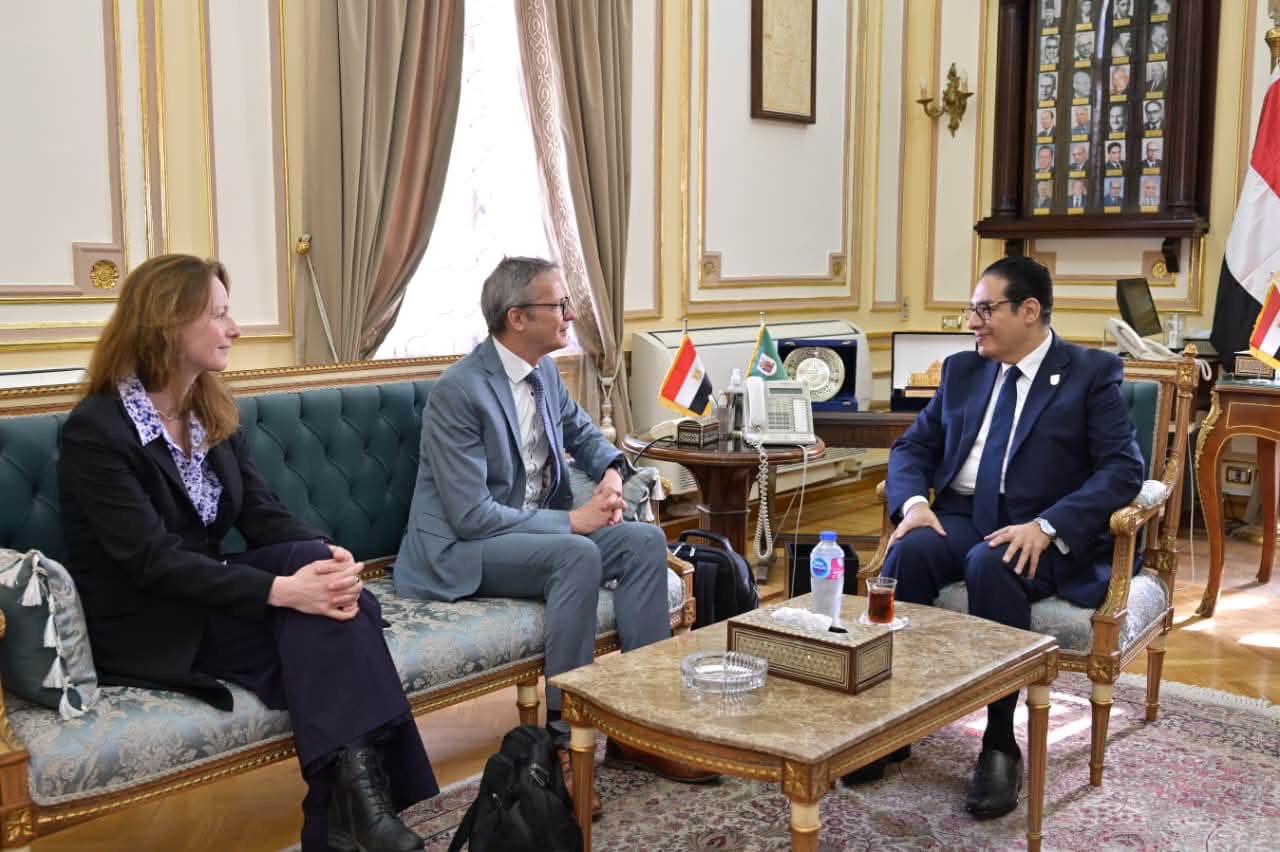
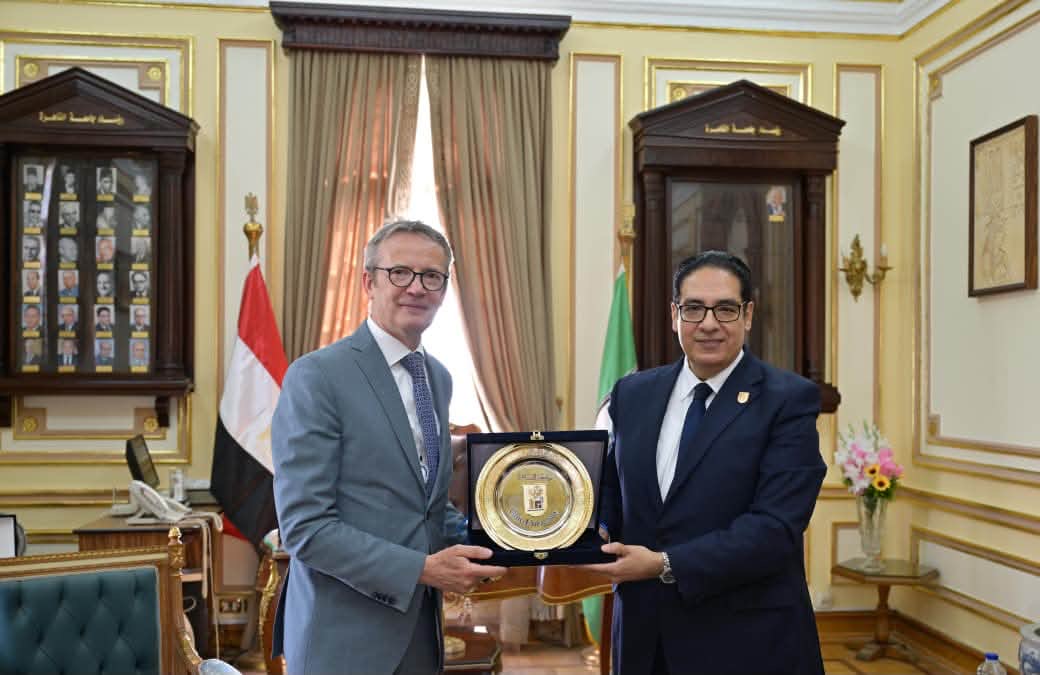
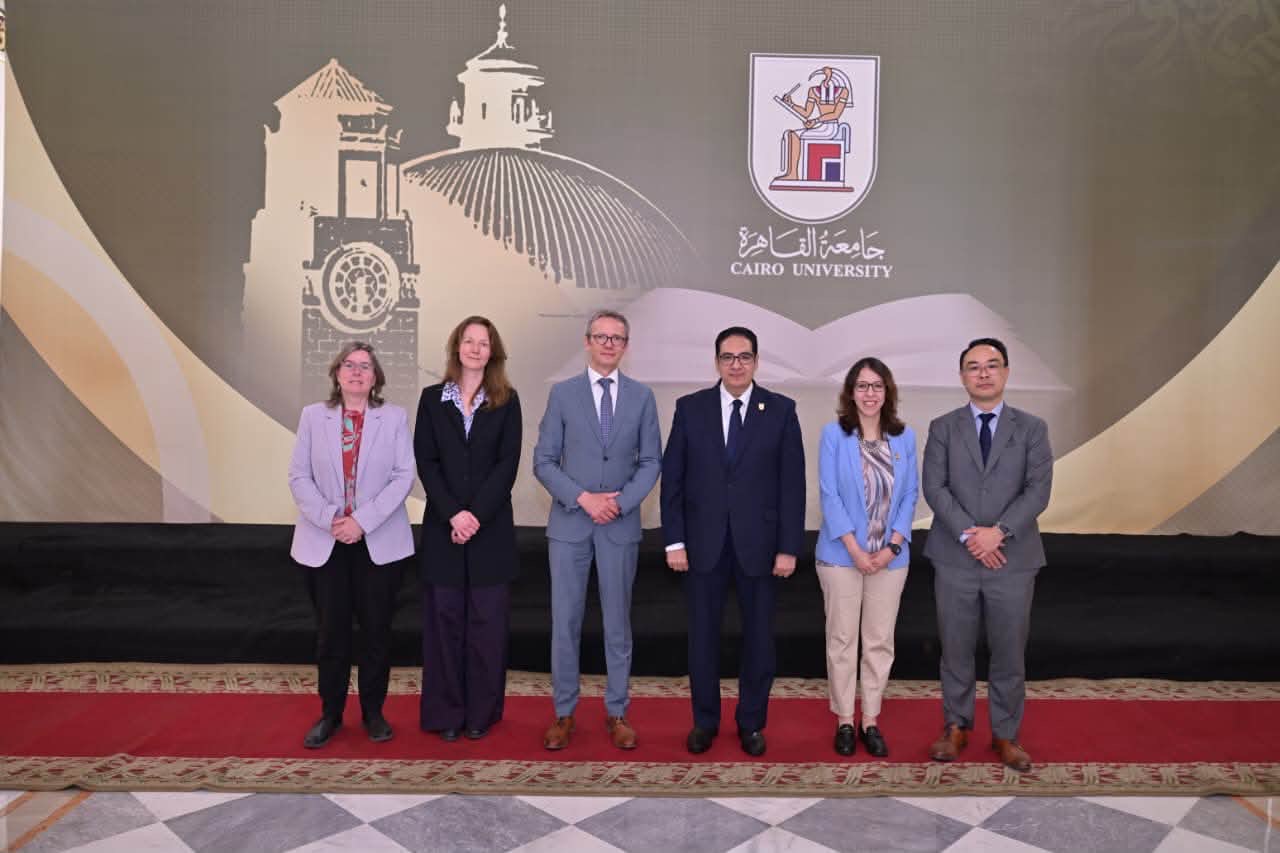
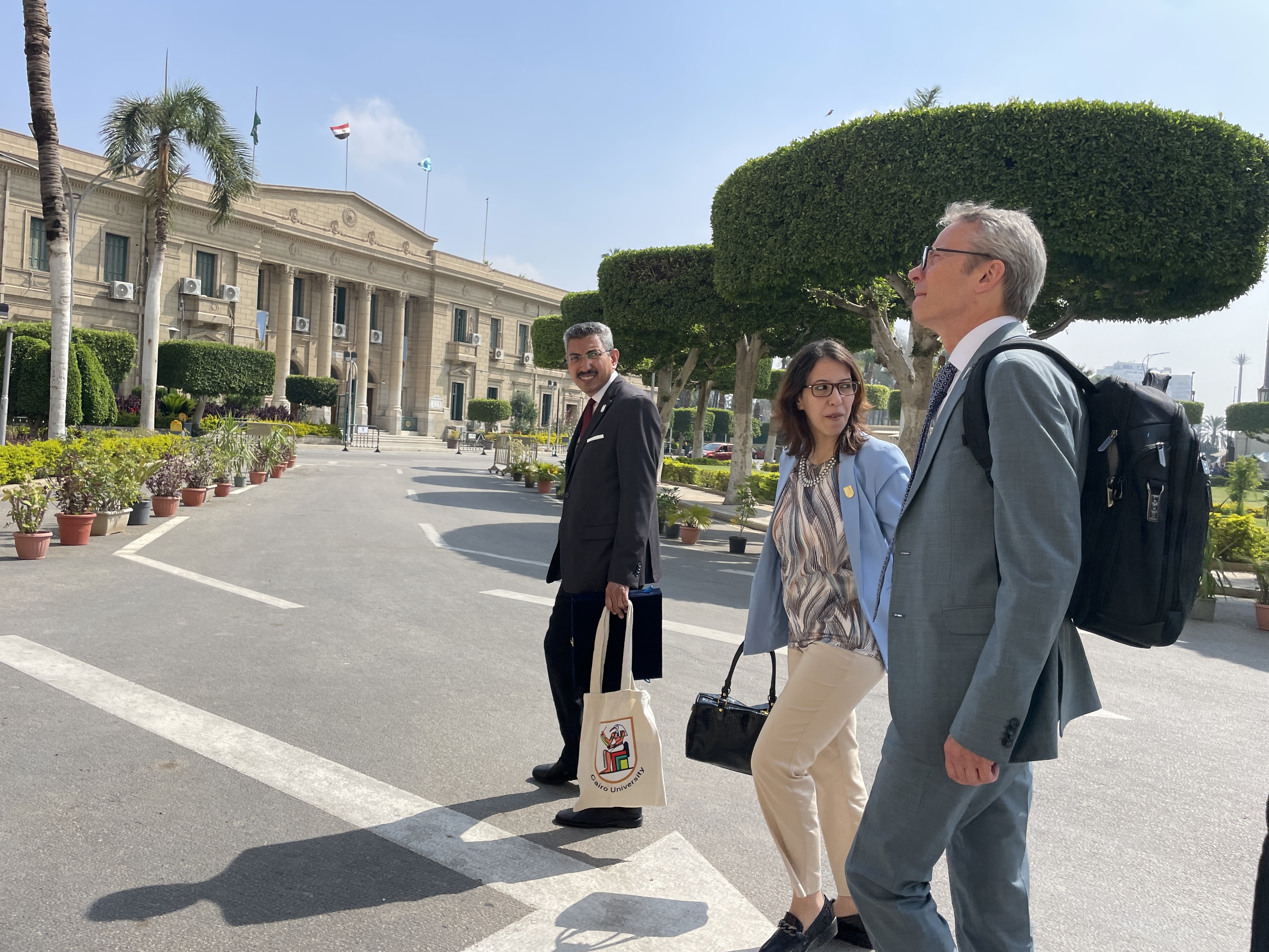
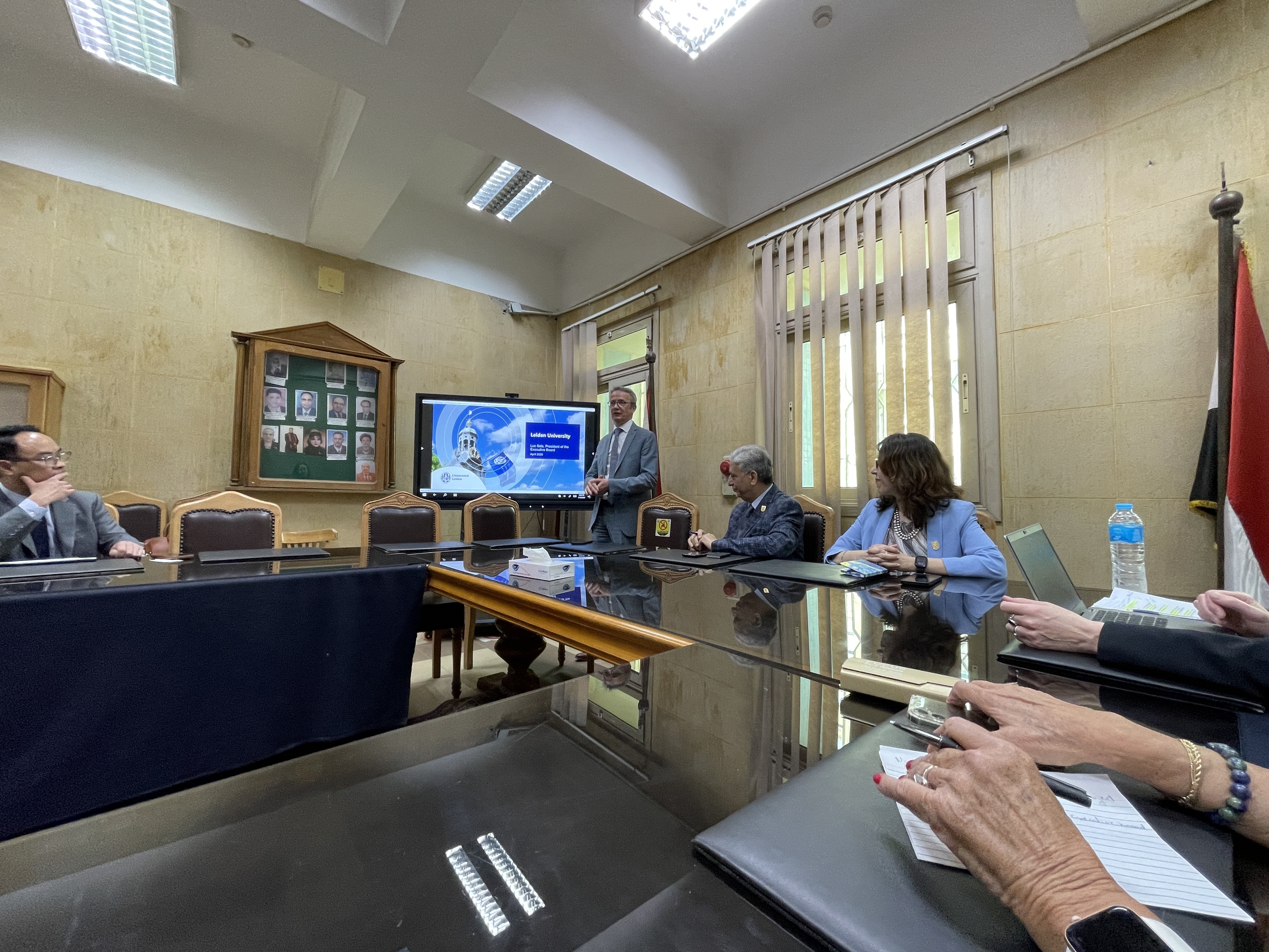
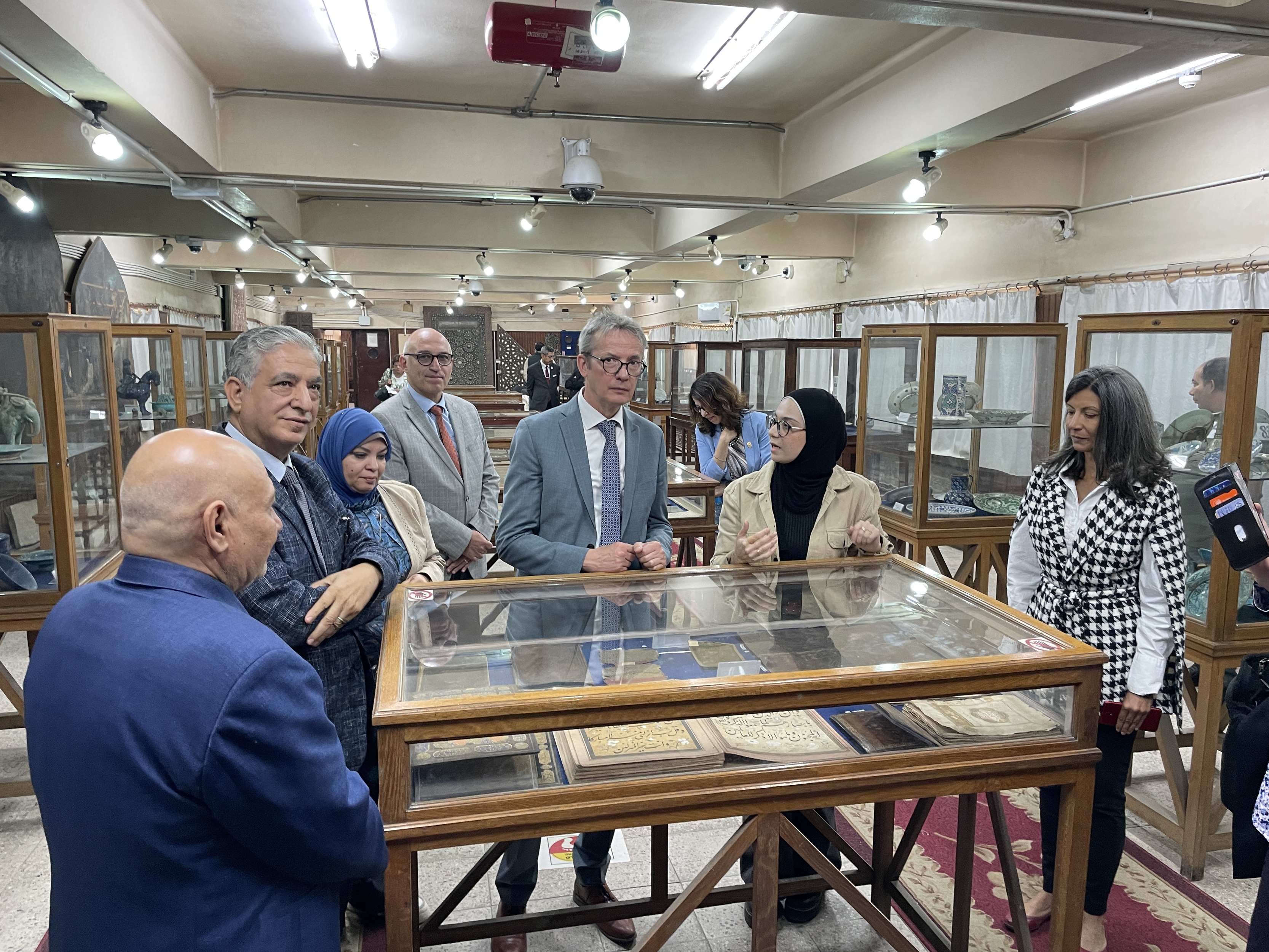
Prior to the anniversary event, we visited Cairo University, one of the largest universities in the region with 26 faculties and approximately 260,000 students. Discussions with university president Mohamed Sami Abdelsadek led to agreements on student exchange, joint educational initiatives, and collaboration within the framework of Horizon Europe. Meetings with the Faculty of Archaeology further identified opportunities for future cooperation in archaeological research and heritage studies.
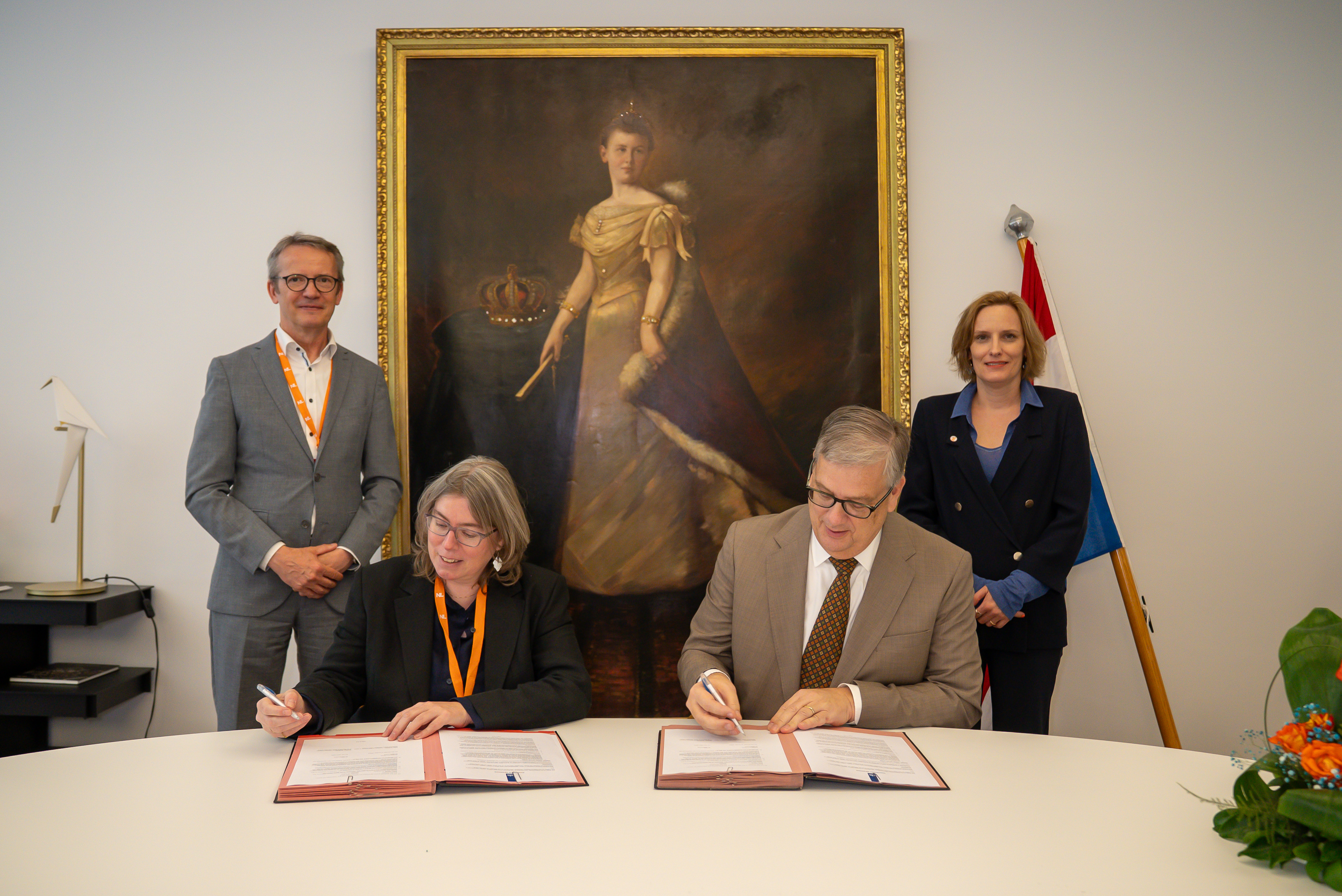
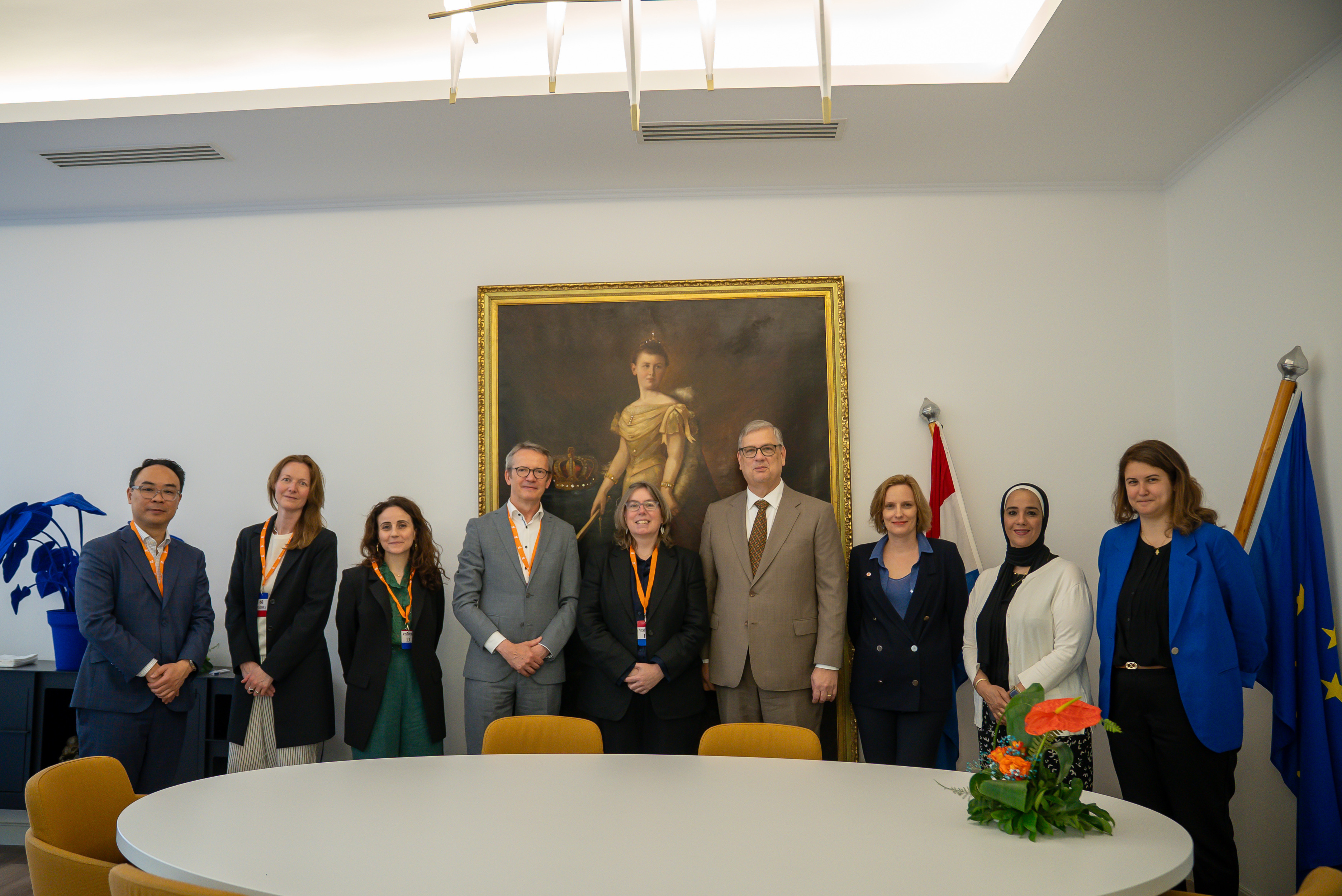
On day 4 a new umbrella agreement for cultural and academic collaboration was signed between the Embassy of the Kingdom of the Netherlands and NVIC, focusing on key areas such as intangible heritage, cinema, archaeology, and broader Dutch-Egyptian collaboration at large. Discussions with Dutch Ambassador Peter Mollema highlighted the growing relevance of science diplomacy. International research collaboration increasingly requires the ability to build trust, connect across cultures, and navigate complex political environments. Institutes such as NVIC provide precisely the environment where these skills are practiced and developed.
The final days of the visit focused strongly on the European dimension of cooperation with Egypt. Egypt’s full association with Horizon Europe positions the country as an important research partner, a gateway to Africa, and a strategic hub in the Middle East. A meeting with EU Science Counsellor Heba Gaber and science counsellors from Germany, Italy, and Spain demonstrated that interest in collaboration with Leiden University extends into virtually all academic disciplines.
Meetings with Hisham el-Leithy at the Ministry of Tourism and Antiquities and Salma Yousry at the Ministry of Higher Education and Scientific Research, further strengthened commitments to collaboration in archaeology, higher education, and research partnerships under Horizon Europe.
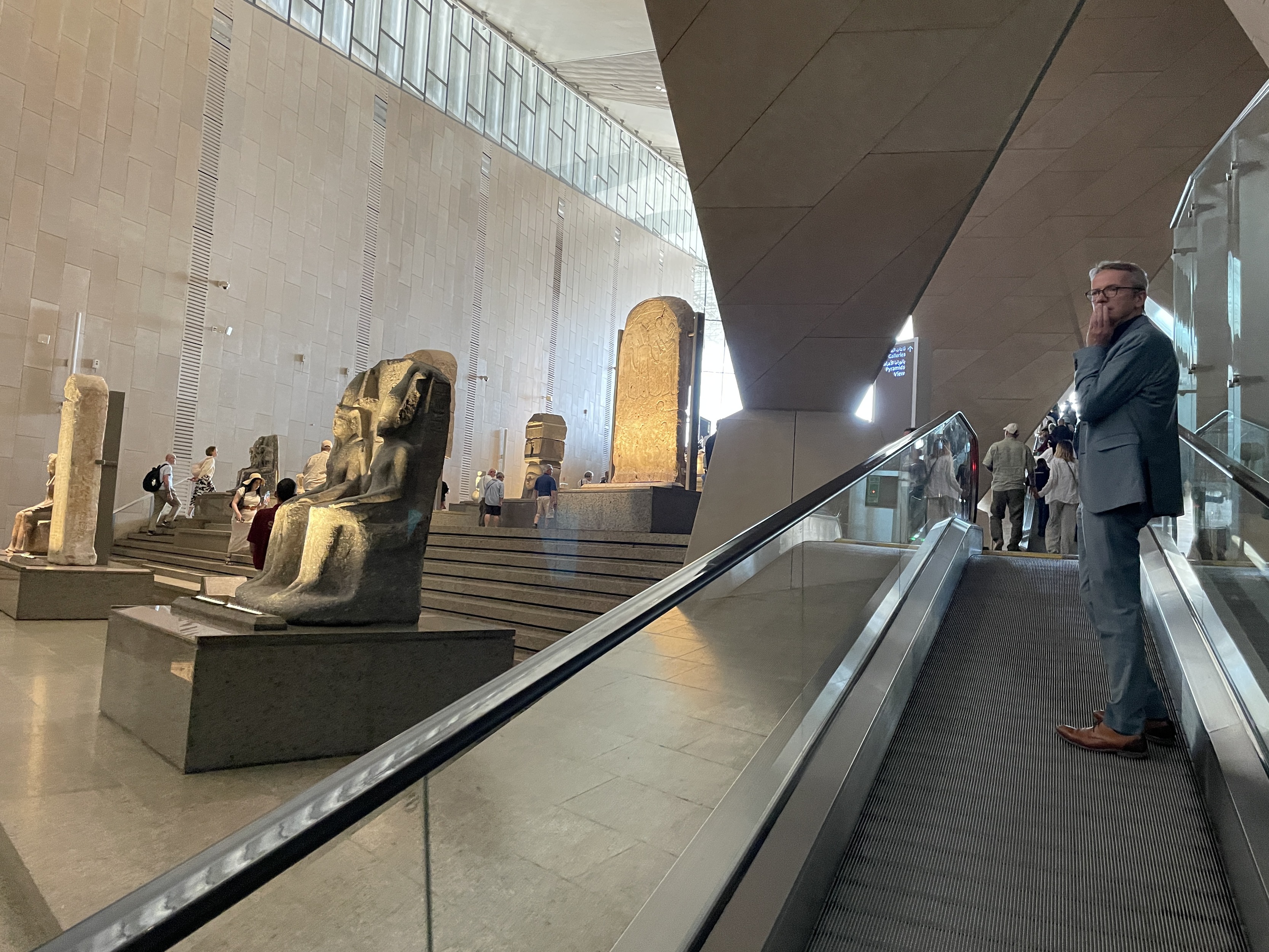
The visit was closed at the Grand Egyptian Museum, a great ending to a very fruitful week.
Read more about the visit here.