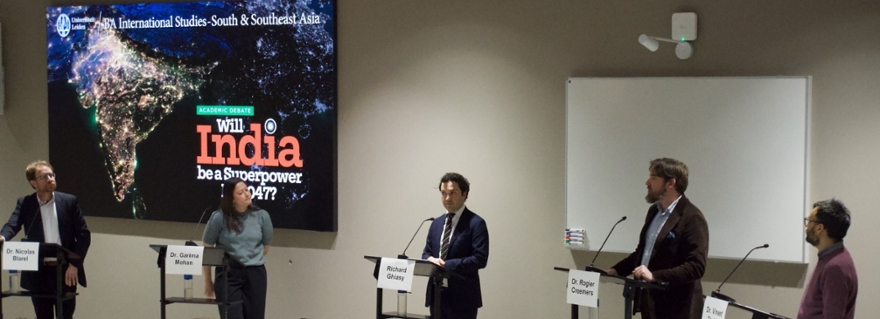
The South and Southeast Asia Track hosts an Academic Debate on India’s Superpower Potential.
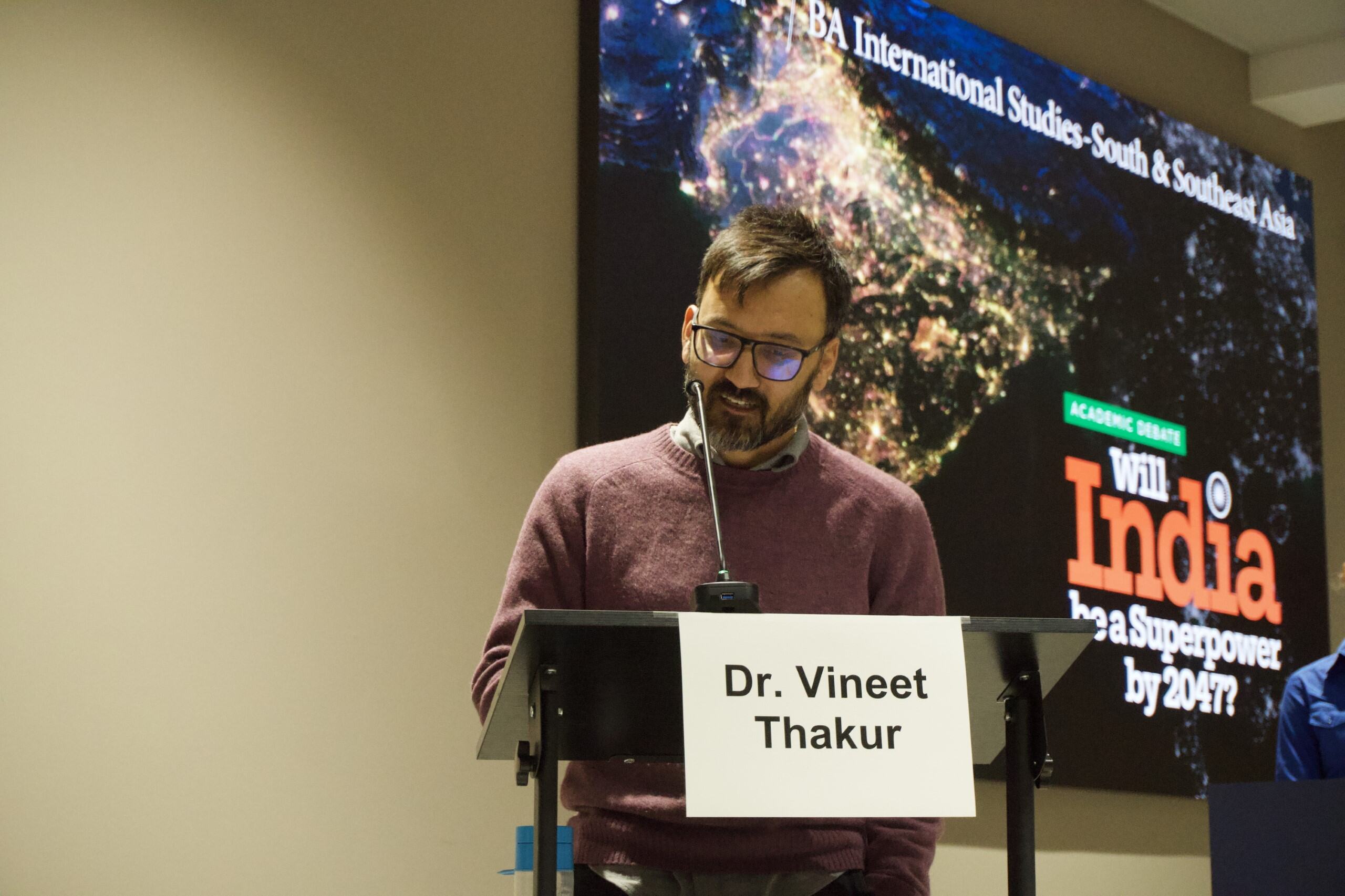
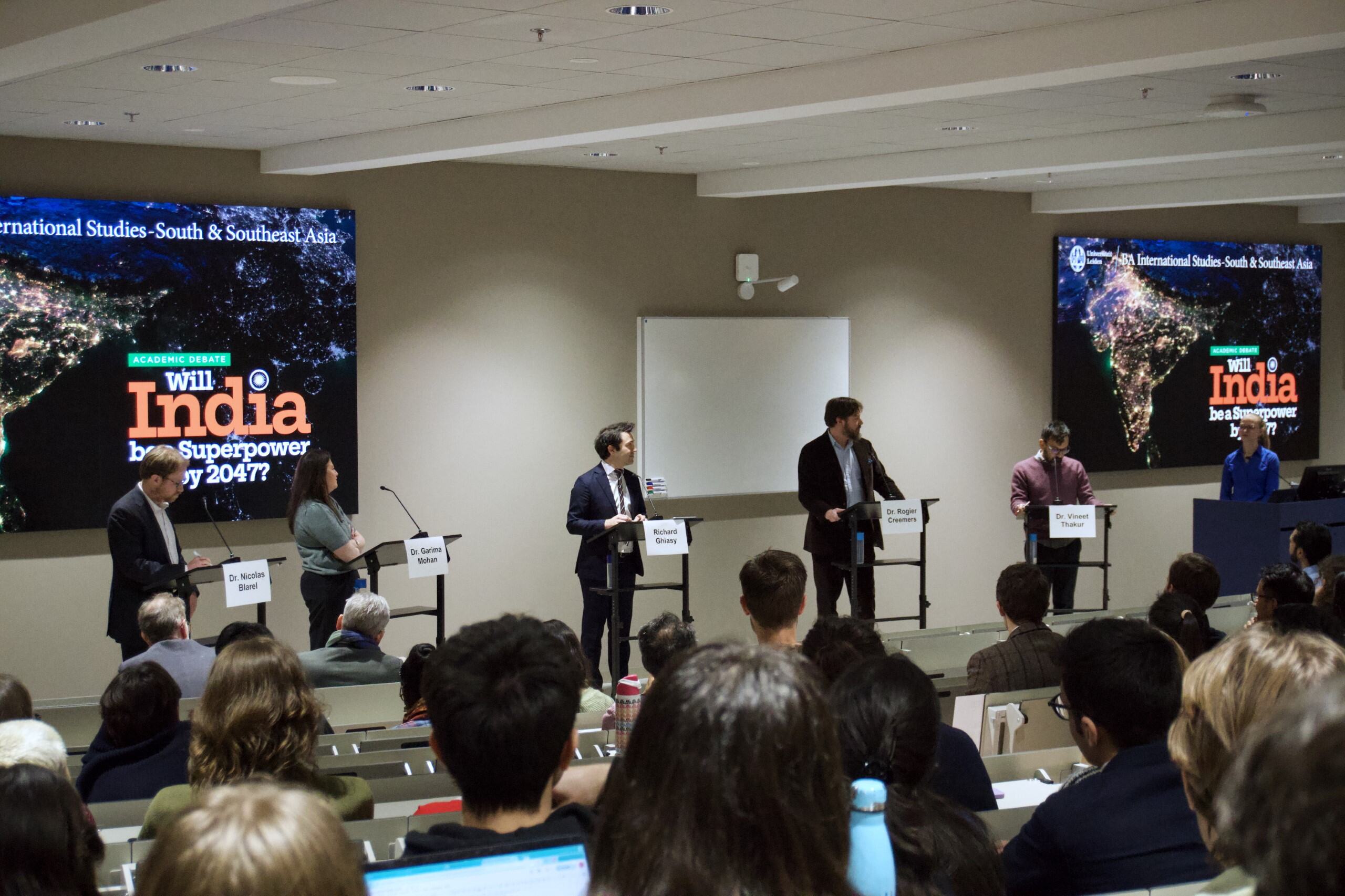
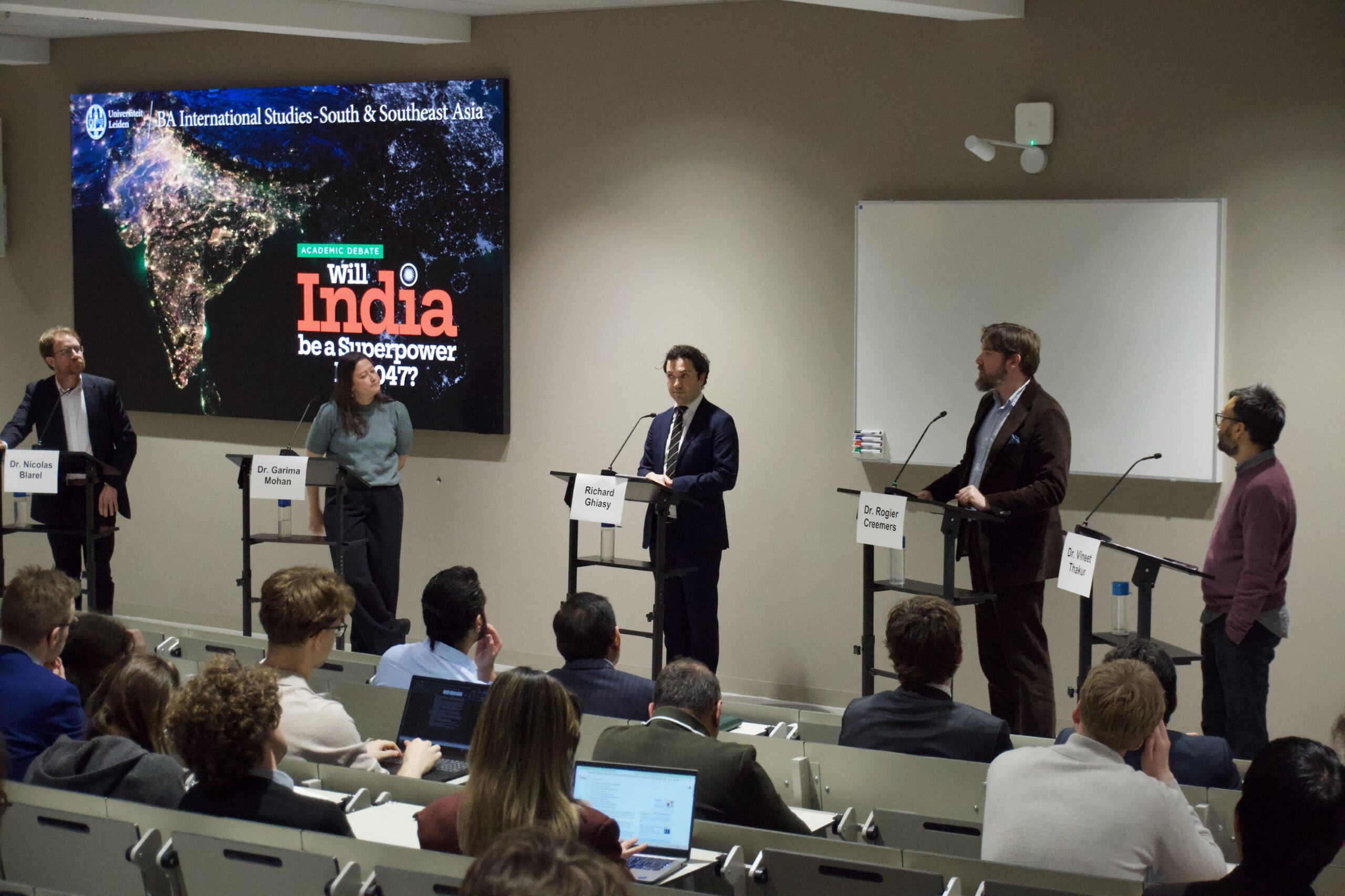
On 17 February, the South and Southeast Asia Track of the BA International Studies programme hosted an academic debate on the motion: “Will India become a Superpower by 2047?”
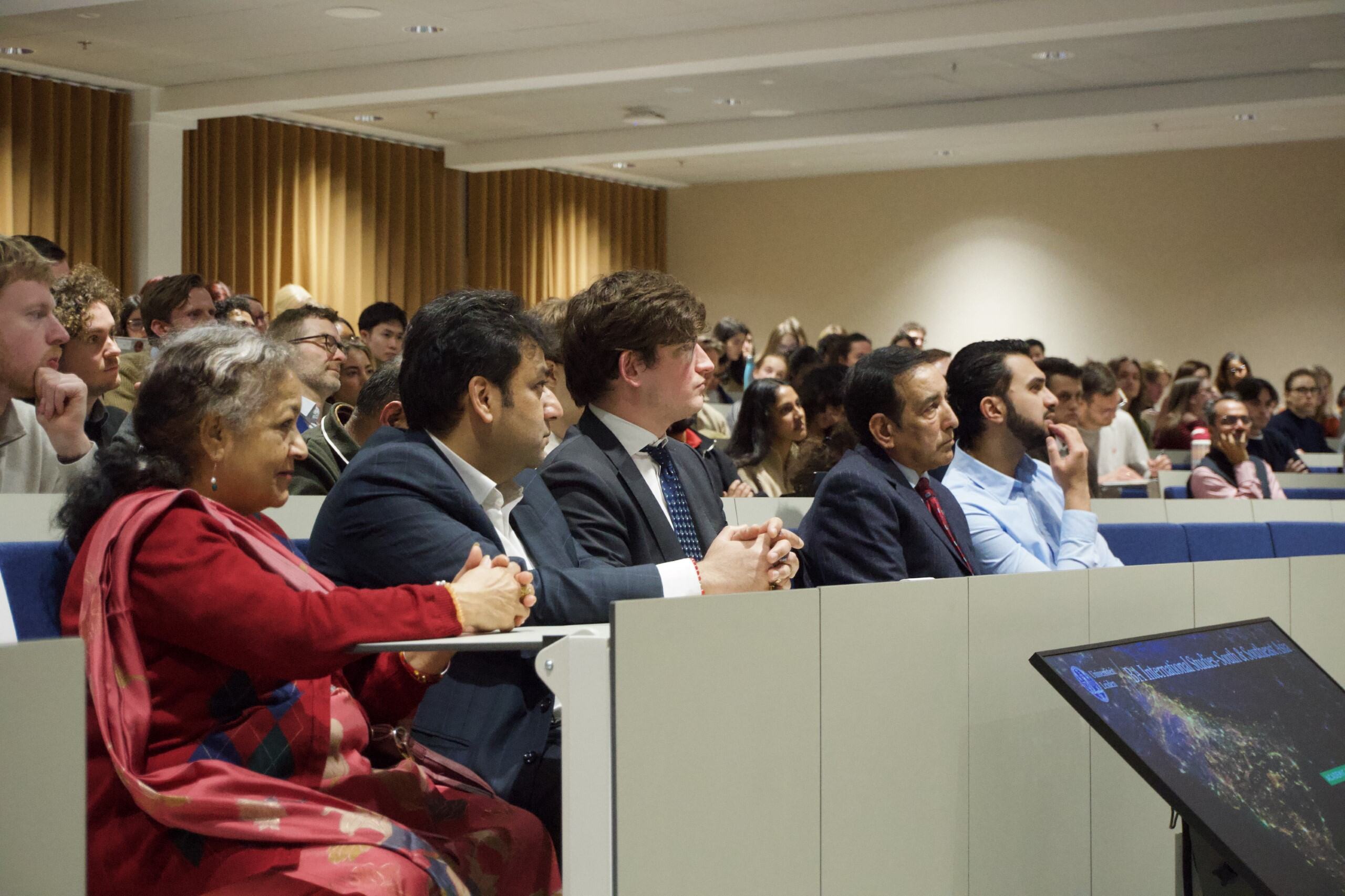
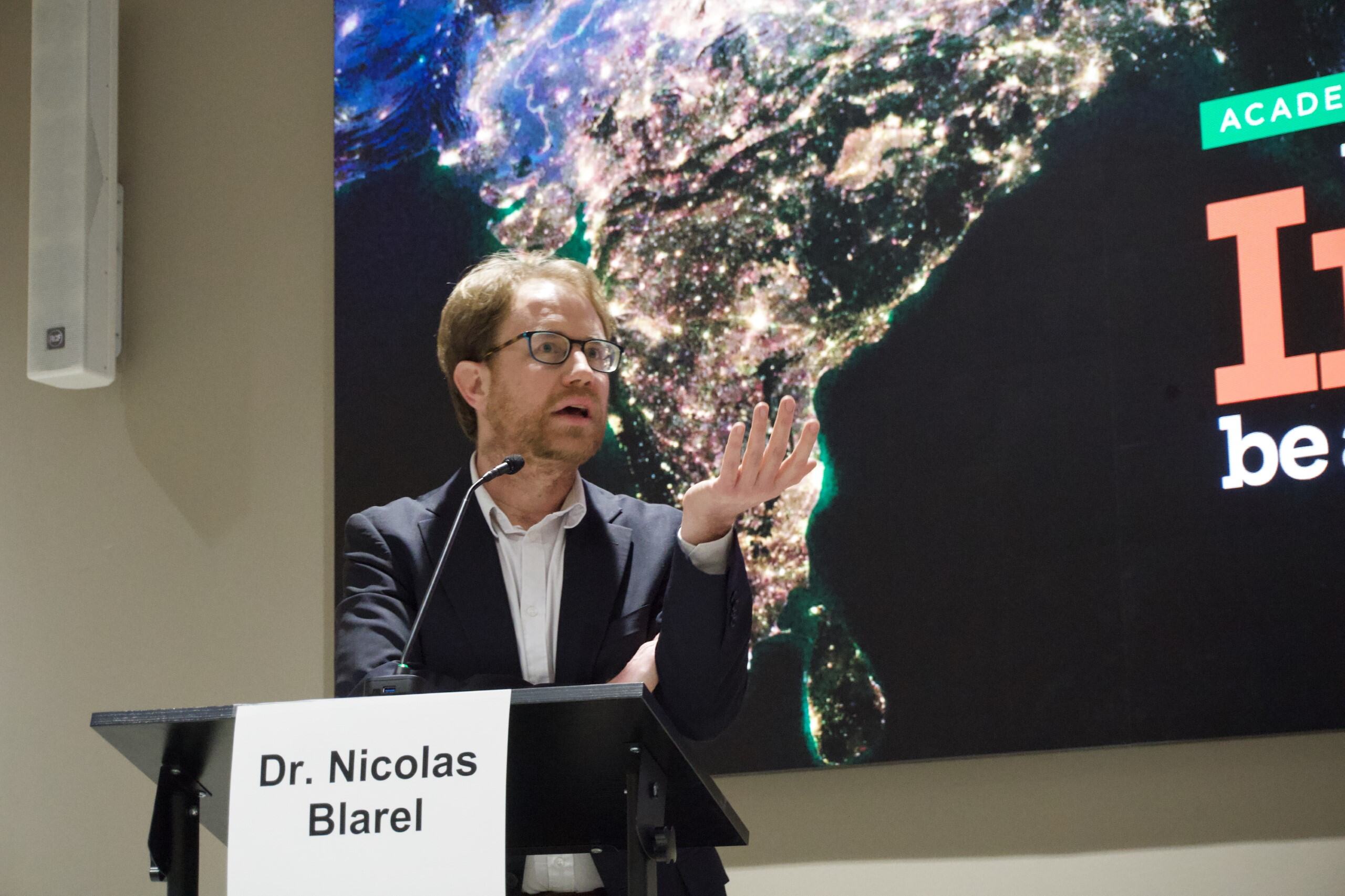
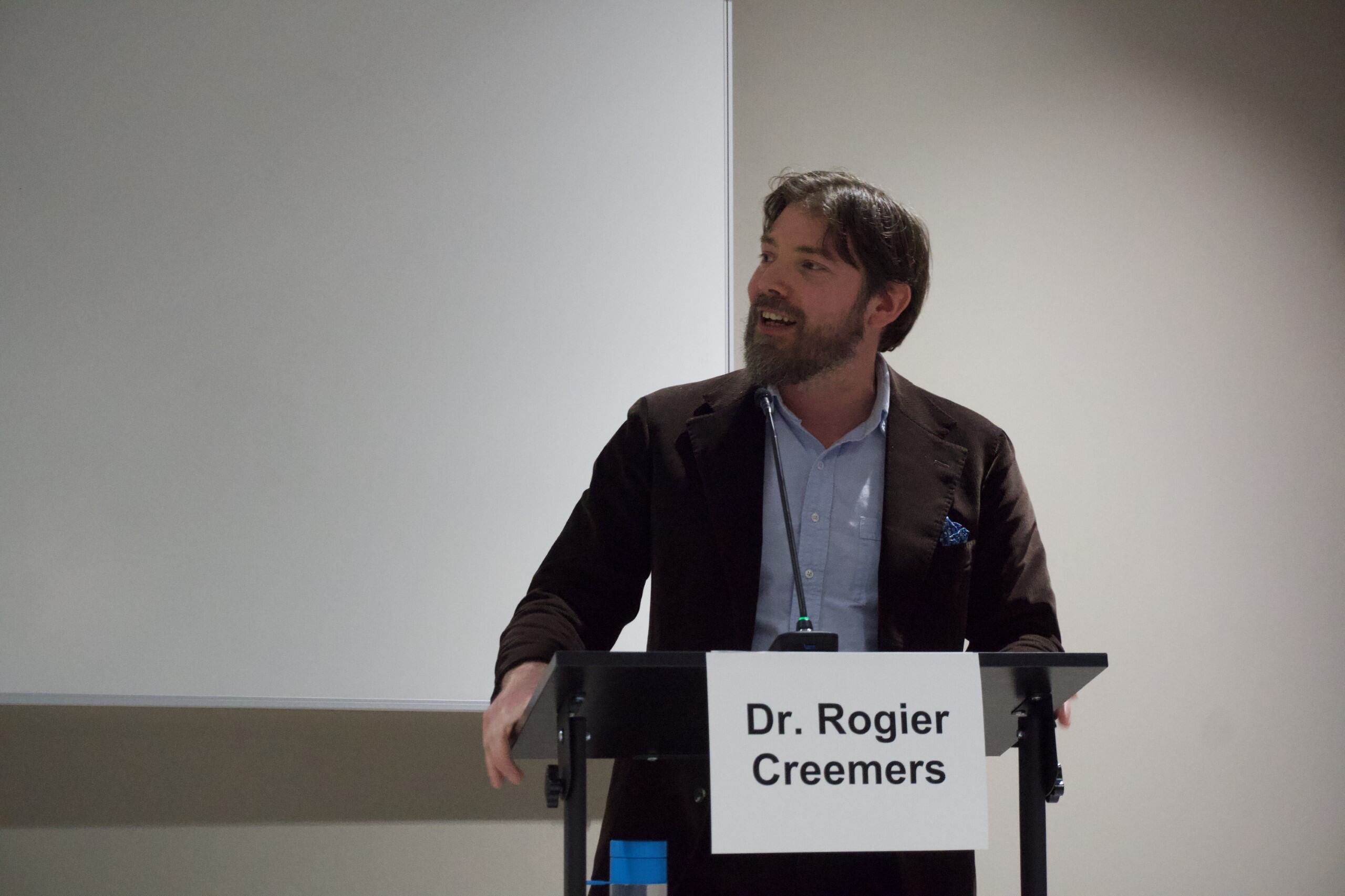
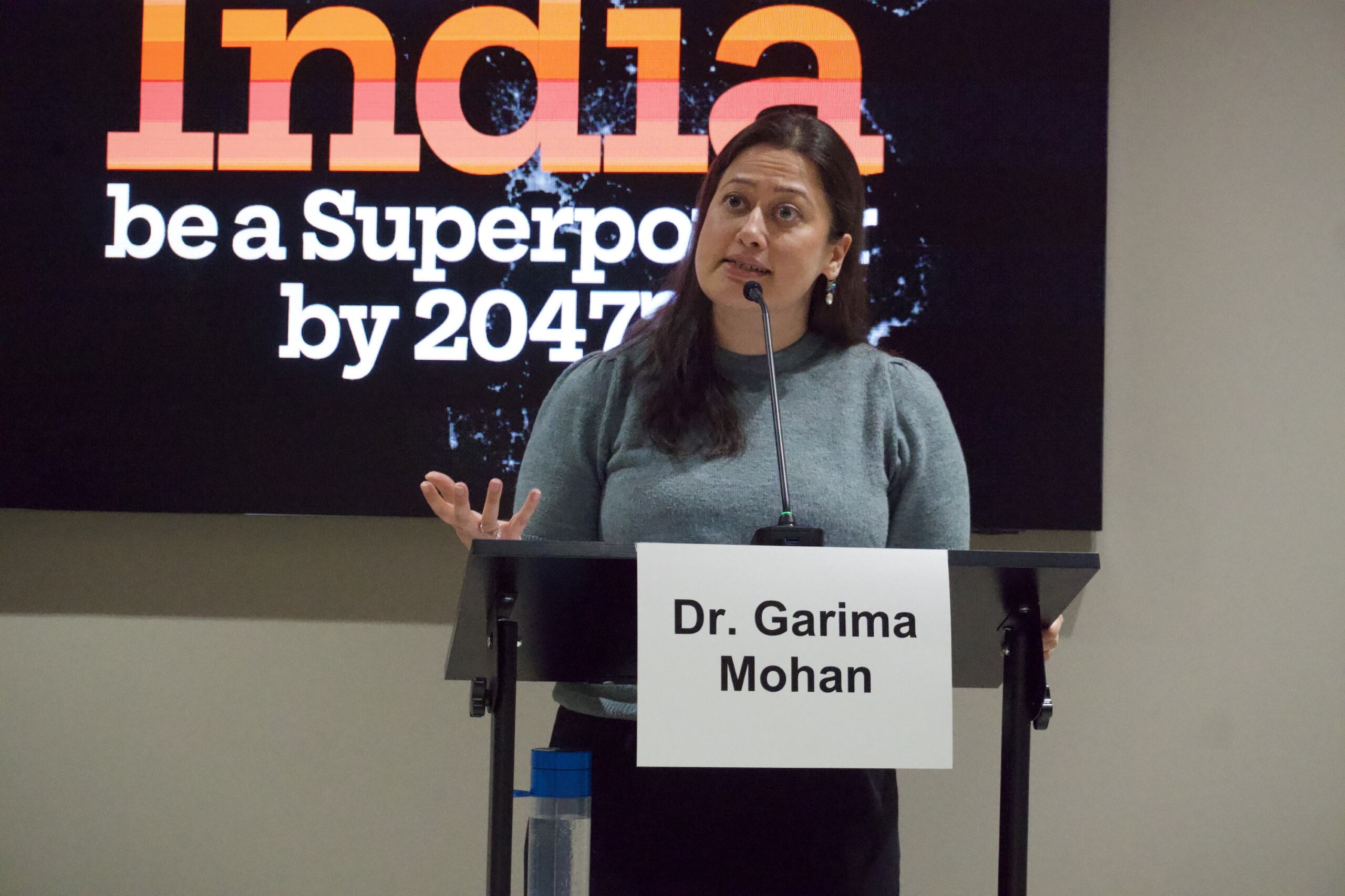
The event saw leading International Relations scholars from Leiden University and the German Marshall Fund, Dr Garima Mohan, Dr Vineet Thakur, Dr Rogier Creemers, and Dr Nicholas Blarel go head-to-head in a 2x2 debate moderated by Richard Ghiasy of the Leiden Asia Centre. The debate marked the first major event at Leiden University’s new Spui Campus and brought together 200 attendees.
The debate was particularly timely given the recent signing of the EU–India Free Trade Agreement and the EU–India Security and Defence Partnership; developments that have brought renewed international attention to India’s growing economic and strategic influence. According to co-organiser and BAIS lecturer Dr Emma Cantal, "With India's rapidly expanding global footprint, this is the perfect moment for our students and the Hague’s policy circle to get a deeper understanding of India’s ambitions and challenges, and hear different perspectives regarding India’s superpower potential. Furthermore, what makes this initiative particularly special is that it was conceptualised by two SSEA students, Justin Huang and Dorieke Evers.”
The audience of the event included Hague-based Diplomats, Dutch Government Officials, IR and Security Scholars, Media Personnel, alongside staff and students from across different faculties of the University. Co-organiser and BAIS lecturer Vedant Mehra remarked, “The strong and diverse turnout is a testimony of the growing interest in Europe about India’s evolving global role and also points to a realisation that countries from the larger South and Southeast Asia region are poised to play an important role in world affairs in the coming years.
In case you missed the event, an overview of the main arguments from both perspectives on the motion can be found below:
Key Arguments in Favor of the Motion
1. From Structural Disadvantages to Global Economic Force: Despite inheriting deep structural challenges at independence in 1947, India has undergone a remarkable economic transformation, emerging as the world’s fourth-largest economy. A milestone few predicted, and fewer have matched.
2. Strides in Digitalisation and Military Modernisation: India has rapidly upgraded its defence capabilities and digital public infrastructure capacities, allowing it to strengthen the strategic and institutional foundations necessary for projecting power globally.
3. A Bridge between Different Worlds: India currently enjoys a unique position in international affairs. It is a leader of the Global South, a strategic partner of the West, and a connector between these spheres. This role enables India to significantly shape international discourse and important aspects of the global order.
Key Arguments Against the Motion
1. Superpower Status demands Network Domination, which India doesn’t have:
The bar for achieving superpower status is high. To stand alongside the likes of the U.S. and China, a country must dominate global economic, technological and military networks, a measure on which India doesn’t perform strongly.
2. Structural Economic Challenges Persist: Widespread poverty, inequality, and an underdeveloped manufacturing sector highlight the structural weaknesses of the trajectory. These factors impose resource constraints on India and cumulatively impact its ability to engage in the economic expansion demanded by superpowers.
3. Challenging Neighbourhood that Imposes Constraints: Strategic pressures from China and Pakistan consistently force India into a defensive stance and focus on its neighbourhood, drawing much-needed resources and attention away from the global and regional projection essential for superpower status.