About
Around 1.8 million years ago, early hominins moved into Eurasia and adapted to colder climates and unfamiliar ecosystems. This project investigates whether innovations in diet such as eating new plants or applying new techniques for food processing (cooking or fermentation) contributed to this major evolutionary step.
By combining archaeological evidence, plant and nutritional studies with computer simulations, the project reconstructs the foods available to early Homo and the strategies they may have used to survive in new environments. Hominin FoodWays focuses on the intricate relationships between food, environment, and resilience to offer deep-time perspectives that help us to rethink how societies adapt to changing climates and food systems.
Discover Hominin FoodWays work packages
WP1: Identifying Foods and Food Processing
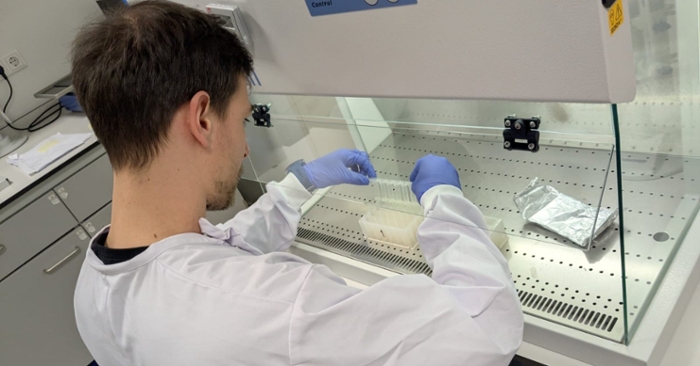
Hominin FoodWays focuses on what early humans actually ate and how they prepared their food. In the first work package we analyze microscopic remains preserved in dental calculus (mineralized plaque) and on stone tools to identify plant foods and other resources. Experimental studies will explore whether traces of cooking, fermentation, or honey consumption can be detected in archaeological evidence.
Collaborators: Food, Health and Innovation Group, Hogeschool Leiden
WP2: Reconstructing Food Landscapes

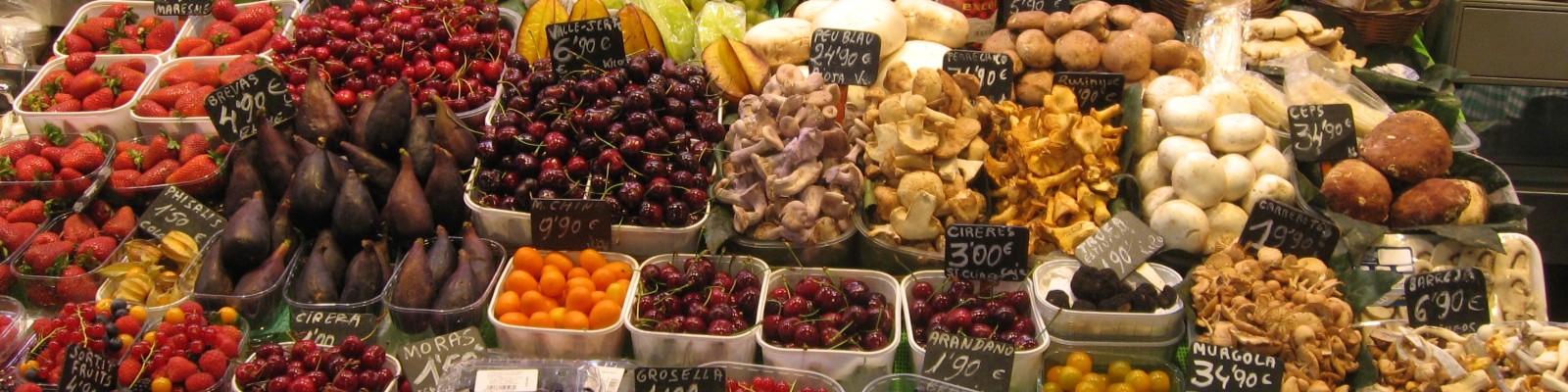
This work package examines which foods were possibly available in the environments inhabited by early Homo. By reconstructing ancient habitats and studying wild edible plants, the team evaluates the nutritional value of different foods and the energy required to collect and process them. These data help to reconstruct the “nutritional landscape” that early hominins possibly had around them.
Collaborators: Food Quality and Design Group, Wageningen University
WP3: Modelling Human Expansion

The project uses computer simulations to test how different factors may have influenced the spread of early Homo in Western Eurasia and to explore possible scenarios for the first hominin occupation. This work package will develop agent-based models that combine paleoenvironmental reconstructions with data from other work packages to explore whether changes in food use and processing could explain patterns of migration and settlement across Europe.
Collaborators: Senckenberg Biodiversity and Climate Research Centre (SBiK-F), Senckenberg – Leibniz Institution for Biodiversity and Earth System Research, Frankfurt, Germany; LSCE/IPSL, CEA-CNRS-UVSQ, Université Paris-Saclay, Gif-sur-Yvette, France