
Exploring Sustainable Urbanism in East Kalimantan through LDE-UNMUL Thesis-Lab 2026
Leiden-Delft-Erasmus (LDE) master's students delved into the relationships between humans and the environment in the landscape of lowland, coastal and riparian/swamp areas of East Kalimantan. Through an intensive two-week Thesis-Lab program titled “Sustainable Urbanism in East Kalimantan”, LDE and Universitas Mulawarman (UNMUL) students and their supervisors experienced the rich cultural heritage and environmental initiatives that define East Kalimantan's commitment to sustainable development.
The programme took place in the first half of February 2026, combining government engagement, wildlife conservation, community development, and academic collaboration headed by Prof. Steffen Nijhuis, Research Leader at the Department of Urbanism, Delft University of Technology and UNMUL Faculty of Forestry’s Professor Rudianto Amirta.
One of the programme highlights, was a visit and overnight stay in the development site of Indonesia’s new capital, Nusantara. Students had the opportunity to meet and discuss with high-level government officials as well as young and enthusiastic civil servants of topics of city planning, development, biodiversity preservation, financial investment, and how the concept of sustainable urbanism can be effectively implemented in a tropical forest environment.
-
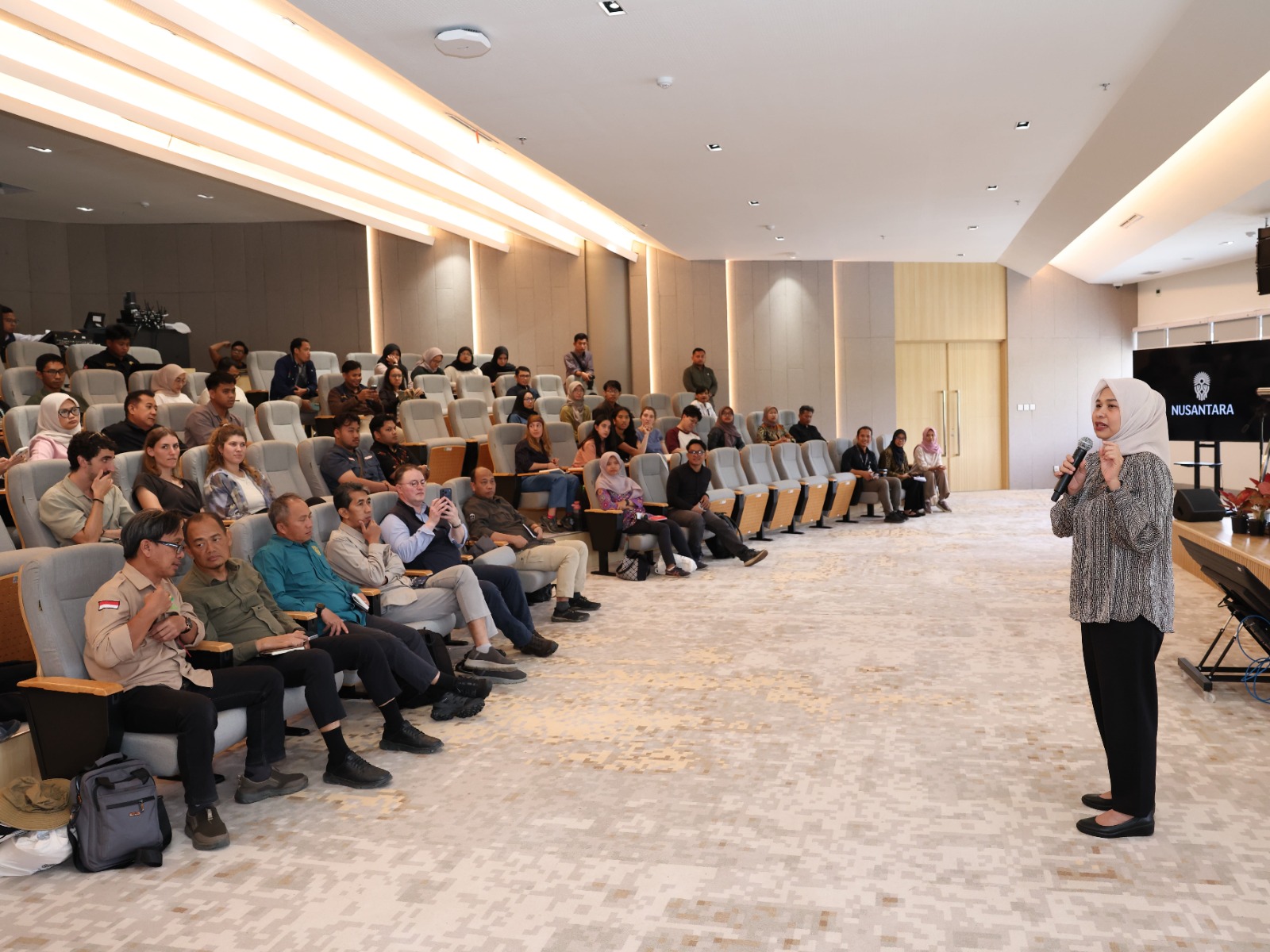
Dialogue with the Authority of Nusantara -
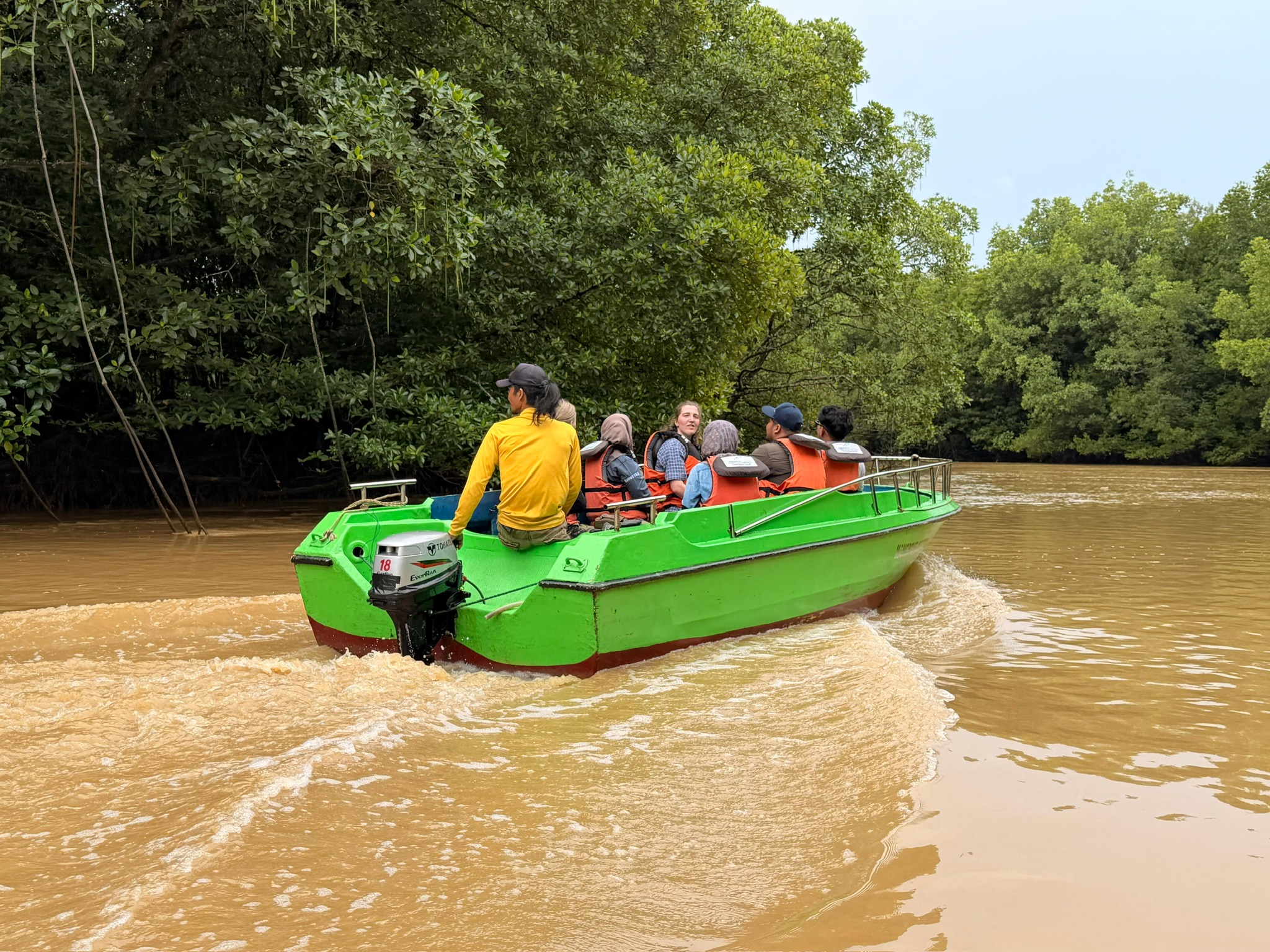
Explore mangrove ecosystem -
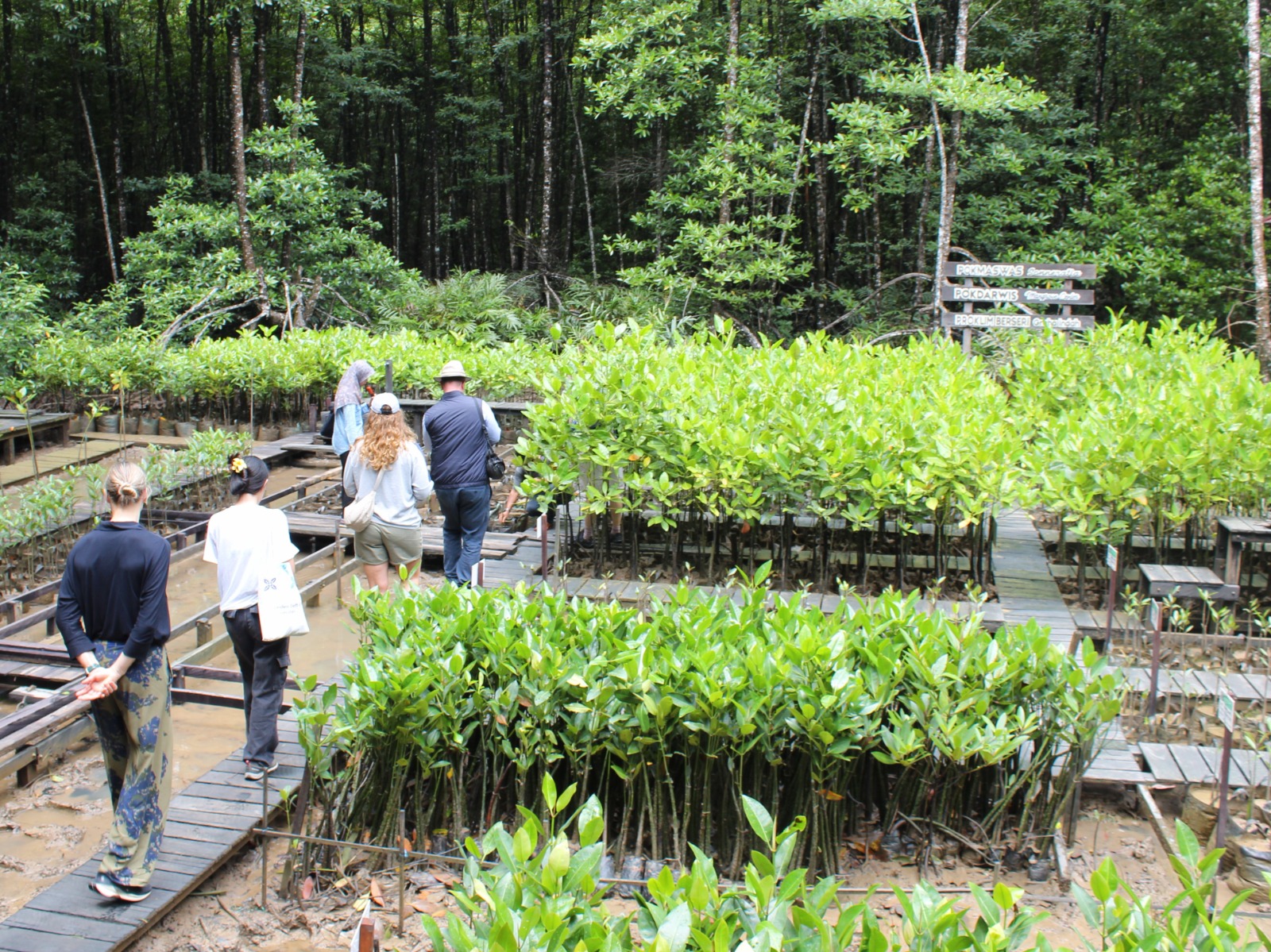
Mangrove center in Balikpapan -
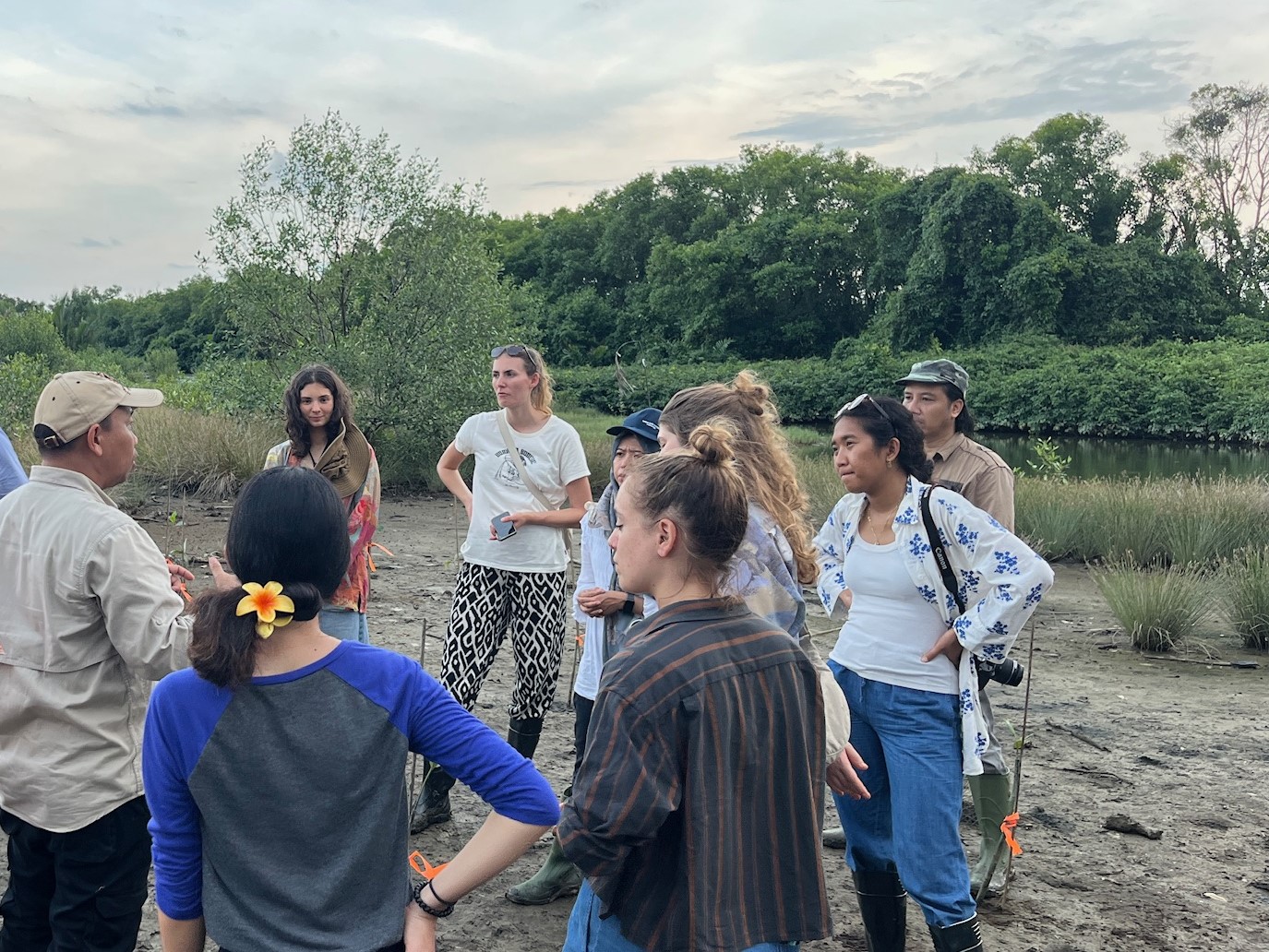
Field observation -
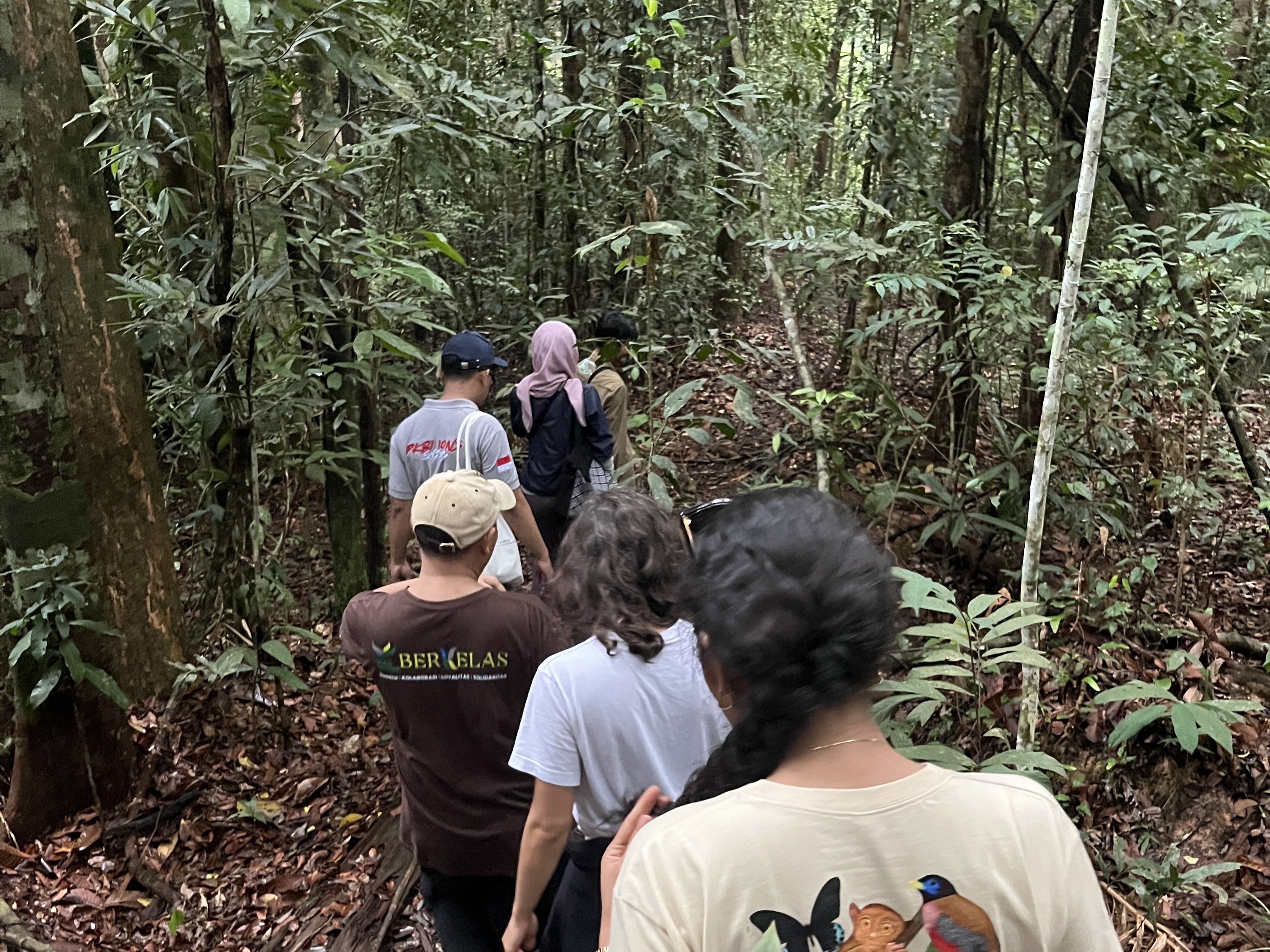
Dipterocarp forest in Bukit Bangkirai -
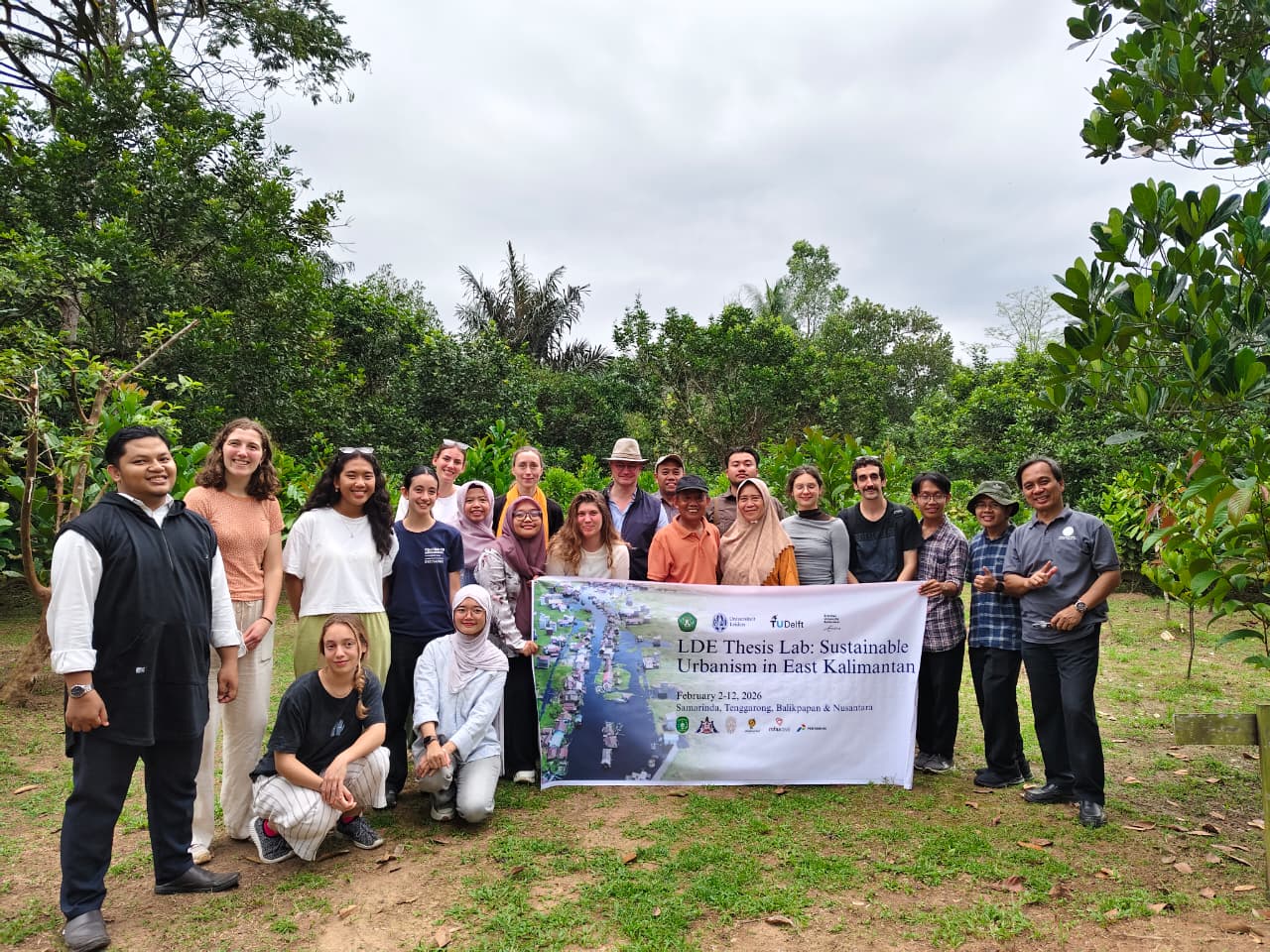
Visit agroforestry garden
Key take ways were also made during meetings with various environmental initiatives by communities in several areas of East Kalimantan. Unique to East Kalimantan’s setting are swamp areas in between the branches of Mahakam River, Borneo’s largest river and the river’s delta. The two initiatives that stood out the most for the group are the food security projects. In Mahakam delta, the students witness how mangrove conservation can be combined with efforts of securing food with the practice of silvo-fishery. This strategy allows coastal communities to integrate mangrove planting with shrimp, crab, and fish farming. Another strategy was found in the floating village of Muara Enggelam, built above the swampy area by the Melintang lake. In the village where geographical contour stands in the way of state electricity infrastructure, the community found a solution by assembling a floating structure for led solar panels on top of its (also floating) communal vegetable garden. Two simple solutions exemplary of local ingenuity to develop in the face of urbanism.
The programme ended with a mini symposium in Mulawarman University campus. Professors of UNMUL delivered lectures on topics of gender, social justice, and the social and environmental impact of mining industries. LDE students also had the chance to present their preliminary findings and research designs to professors and fellow students.
“Being there in person allowed me to witness the complex realities and nuances of the region and to better understand the many grey areas that cannot be captured in academic texts alone,” said Eva, a student of Industrial Ecology TU Delft/Leiden University. She added that the program enabled young researchers to connect, exchange ideas, and collaborate.