
Research project
Revisiting the Invention of Africa, 1590-1720
This project will study the influence of Arabic, Iberian, and Italian representations of Africa, as well as the impact of local African knowledge, on Dutch imaginations which were public in nature, and thus affected a shared European understanding of African alterity.
- Duration
- 2026 - 2030
- Contact
- Michiel van Groesen
- Funding
-
 NWO
NWO
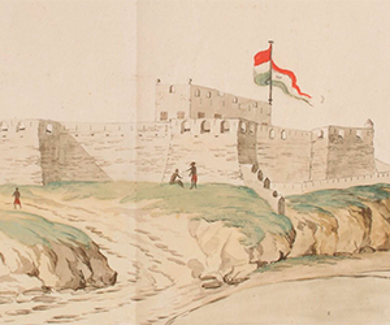
Representations of Africa and Africans in European culture changed significantly over the course of the seventeenth century. Whereas ethnographic distinctions in works of art and literature were once made through surface differences – in the form of clothing, hair, and accessories – identity became the primary factor to differentiate between the European ‘self’ and the African ‘other’, marking the birth of ‘African alterity’ – a concept coined by Valentine Mudimbe in his groundbreaking book The Invention of Africa (1988).
Scholarship refers to the rise of this so-called ‘identity thought’ to explain the development of scientific theories of race during the eighteenth century, which would have a decisive impact on peoples living in Africa beyond the age of the slave trade. Yet why Europe’s view of Africa changed during this period in early modern history remains poorly understood. This project proposes to look towards the Dutch Republic during the long seventeenth century (1590-1720), when it became the center of the European market for books, maps, and drawings of the world. Why Europe’s view of Africa and Africans changed, it hypothesizes, was largely a result of hybrid knowledge disseminated from Amsterdam.