
Renewable Energy Directive raises concerns over impact on developing countries
In 2009, the European Union adopted the Renewable Energy Directive ('RED'), which mandates Member States to obtain 10% of all transport fuels from renewable sources by 2020.
In 2018, the amended Renewable Energy Directive, referred to as RED II, enhanced the sustainability standards for bioenergy and established a revised objective for 2030, raising the target for the percentage of renewable energy utilised in transportation to 14% by 2030. In November 2024, the RED III will change the renewable energy target for transportation from 14% to 29%.
While the RED aims to address urgent environmental concerns, its implementation has unintended implications, particularly in developing countries and notably in Sub-Saharan Africa. The directive has led to a surge in demand for agrofuels, driving large-scale land acquisitions in these regions.
According to reports from organisations such as Action Aid, approximately 17.5 million hectares of land is required in order to meet the EU's targets for increasing renewable resources in transport fuels. 17.5 million hectares is an area equivalent to over half the size of Italy and will be needed to cultivate crops for agrofuel production. The acquisitions raise concerns about land grabbing, poverty exacerbation and food insecurity in the affected communities. The ramifications of these land deals extend beyond economic concerns such as the displacement of local populations, reduction in livelihood and potential conflicts among stakeholders.
Stakeholders acknowledge the need for foreign direct investment in Africa's development. However, as discussions about Europe's renewable energy targets continue, they also emphasise the need for a balanced approach that prioritises the well-being of communities and the environment. This requires collaboration between Europe and African nations in order to ensure sustainable development for all.
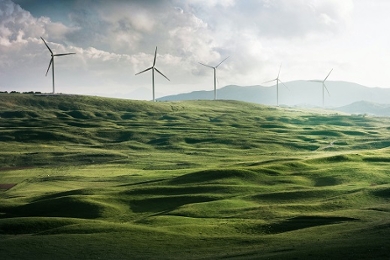
Photo by Appolinary Kalashnikova on Unsplash